





 English
  Francês
  Alemão
  Italiano
  Japonês
  Norueguês
  Portuguese
  Spanish
  3 min of reading


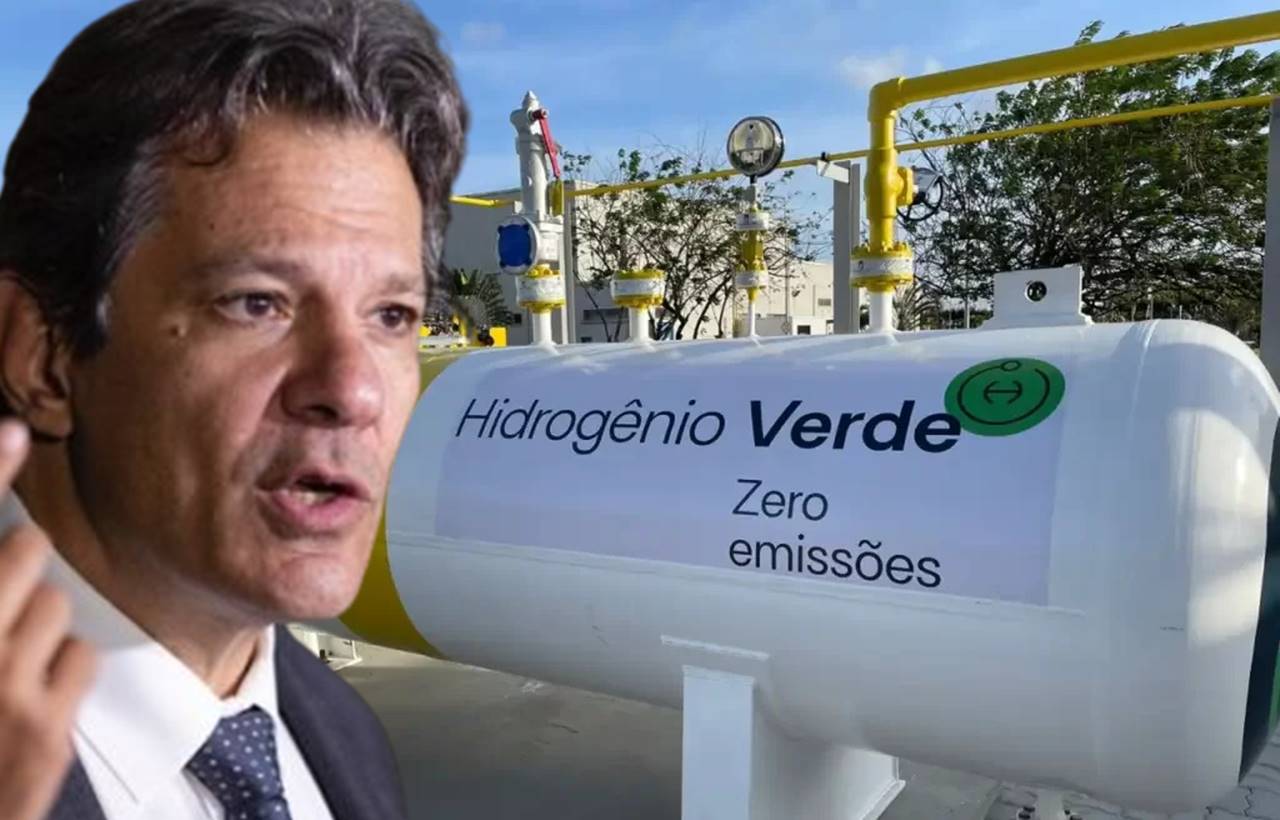
He Claims That Low-Carbon Hydrogen Is One of Brazil’s Sustainable Options in the Industrial Strategy That Contributes to the Country’s International Competitiveness
Hydrogen was suggested by several cabinet members in their initial public speeches, including Fernando Haddad, the new Minister of Finance, as a strategy to stimulate green investment and economic growth driven by reindustrialization in Brazil during Lula’s first week in office.
The new administration promised a comprehensive environmental agenda, and low-carbon hydrogen is at the forefront of this effort. Marina Silva, the new Minister of the Environment and Climate Change, stated that all secretariats must incorporate the climate agenda.
With the goal of organizing public policies to advance clean energy, especially hydrogen, Minister Alexandre Silveira (PSD) of the Ministry of Mines and Energy (MME) announced the creation of the Secretary of Energy Planning and Transition, which will house, in turn, the Department of Energy Transition.
-
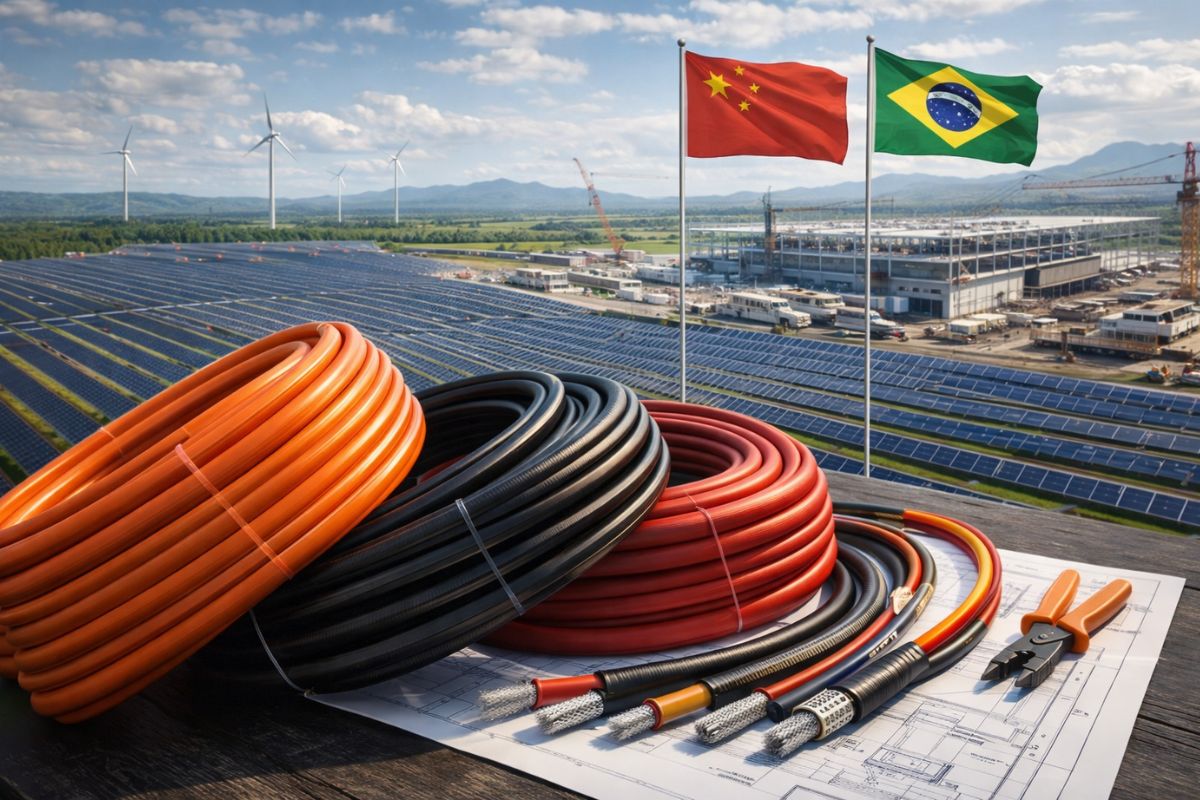
Chinese giant worth nearly R$ 4 billion that manufactures cables for electric cars, solar energy, and robotics wants to open a factory in SC.
-
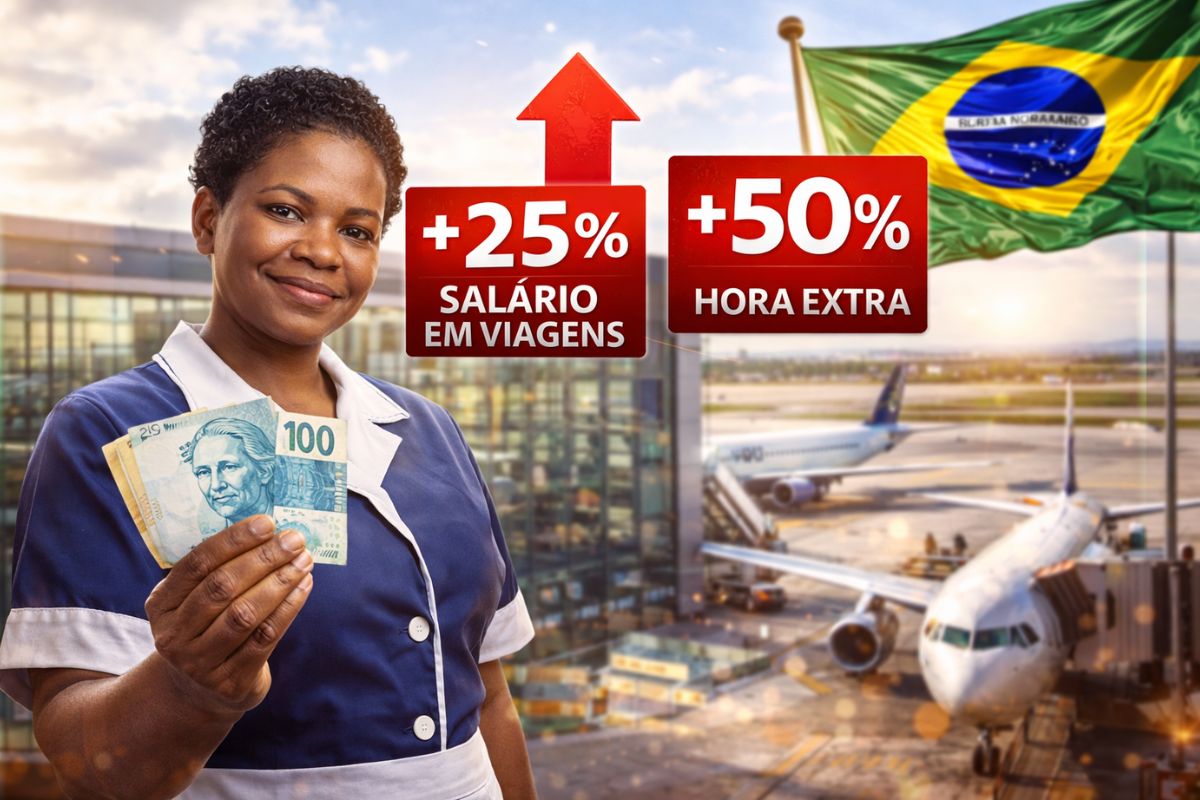
Many employers do not know, but the law guarantees domestic workers a 25% increase in salary during trips, 50% for overtime, 20% for night shifts, and 17 additional benefits that can lead to labor lawsuits if not paid.
-
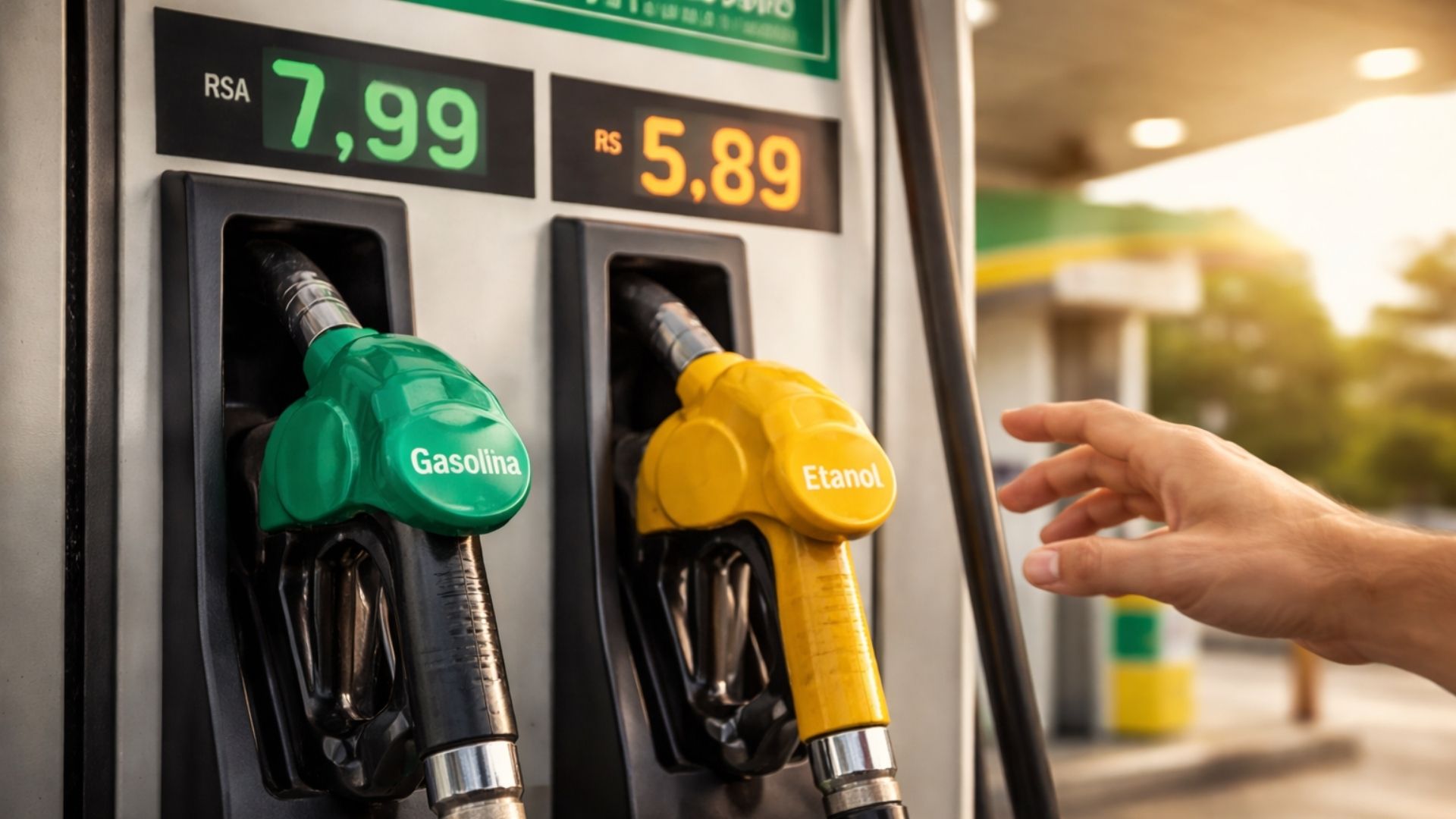
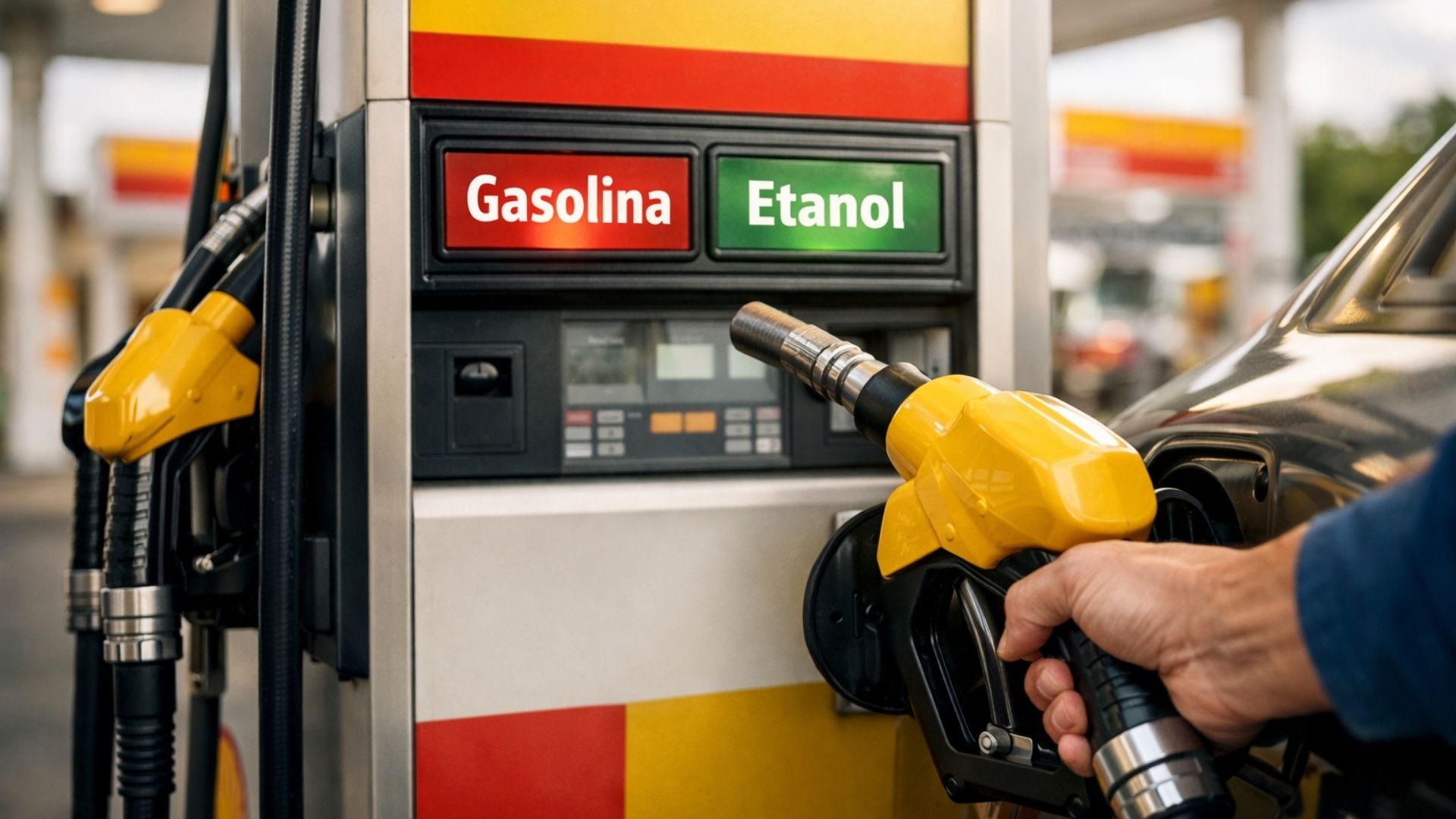
Gasoline prices soar and the question arises: is ethanol more advantageous? The 70% rule reveals the limit with gasoline.
-
The government has made a decision and is starting a test with more ethanol in gasoline, anticipating a mixture of up to 35%, diesel with 25% biodiesel, and a study to assess the impacts on engines.

“The future of our generation must be guided towards innovation, the expansion of renewable sources, which, combined with the incorporation of storage technologies, low-carbon hydrogen, will position the Brazilian energy matrix once again at the global forefront of sustainability.” Silveira said at his inauguration
The ministry is investigating not only the MME but also Brazil’s capacity to attract investments in sustainable energy production projects.
Minister Fernando Haddad created an Undersecretariat for Sustainable Development Financing with the aim of establishing partnership strategies between Brazil and international financial institutions to realize the various announced projects for renewable electricity generation and green hydrogen, particularly in the Northeast.
Furthermore, as Haddad stated, “we will also move to promote and harness Brazil’s vast potential for generating new energies: wind, solar, hydrogen, and ocean.”
The Green Economy
The new administration intends to decarbonize Brazil’s productive industrial sectors using clean hydrogen.
Vice President Geraldo Alckmin, upon taking the head of the Ministry of Development, Industry, Commerce, and Services (MDIC), established the Secretary of Green Economy, Decarbonization, and Bioindustry.
When asked about the future of the Brazilian industrial sector, he responded: “The environmental agenda is crucial.”
He claims that low-carbon hydrogen is one of Brazil’s sustainable options in the industrial strategy that contributes to the country’s international competitiveness.
The European Union approved a historic carbon price for goods entering the bloc at the end of last year. In other words, steel produced in Brazil from green hydrogen may have an advantage in the European market in the near future.
Conversely, Brazilian companies may lose market share if they do not actively participate in the decarbonization campaign.
In his inauguration speech, Alckmin mentioned that “other fronts that will be investigated in the design of such projects include, for example, the health industrial complex, renewable energies, green hydrogen, mobility.”
Insufficient Supervision
A defined strategy for hydrogen is still lacking in Brazil and legislative marks that bring security to investments, and to the growth of the technology in the country, despite the speeches that have been made.
More importantly, the launch of the National Hydrogen Program by the Bolsonaro government in 2021 bets on various methods of hydrogen production, including those using fossil fuels, which contradicts Brazil’s supposed decarbonization goals and the market’s own desire.
Brazil has signed dozens of MOUs for green hydrogen projects and, later, blue hydrogen.
Meanwhile, countries like Chile, Uruguay, and Colombia have followed the money and introduced plans to develop green hydrogen. Brazilian states such as Ceará, Bahia, and Minas Gerais, for example, have all followed the same course of action without any coordination among them.
There are now 42 active projects in Chile, with major international companies, including Engie, AES, Statkraft, Linde, and Siemens Energy accounting for a third of them. Companies that have already declared plans in other countries often conduct feasibility studies in Brazil before moving forward.
The future president of Petrobras, Jean Paul Prates, introduced the Hydrogen Law (PL 725/2022) while he was a senator in Brazil.
The document stipulates that a minimum of 5% hydrogen must be added to the gas pipeline network by 2032 and an additional 10% by 2050. However, the project was abandoned.
*Reporting via EPBR.







Seja o primeiro a reagir!