Portuguese
  Spanish


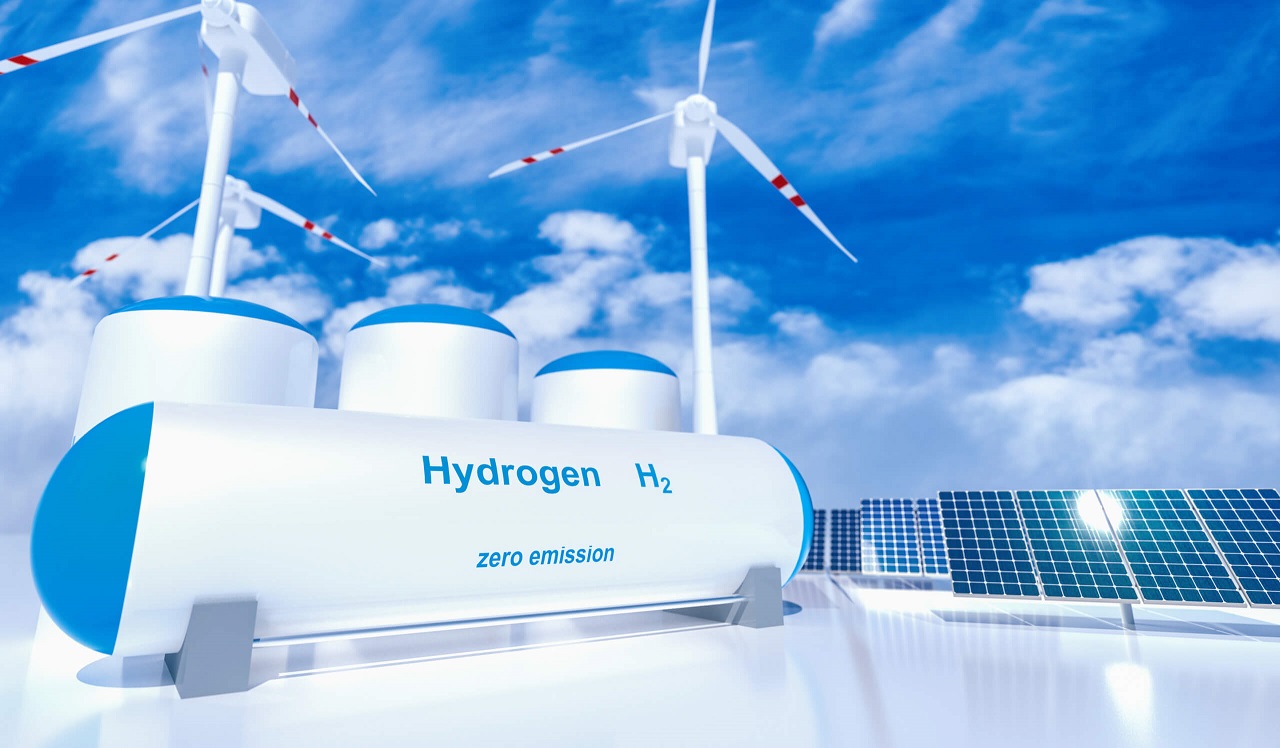

The Future Of Green Hydrogen In Brazil Is Advancing In The Northeast, Mainly In The States Of Bahia, Pernambuco And Ceará. The Expectation Is That Millions Will Be Invested In Fuel Production.
The states of Bahia, Pernambuco, and Ceará, in the Northeast region, are the main focus of negotiations to strengthen the production and export of green hydrogen in the country. The Green Hydrogen Summit, hosted by CartaCapital, welcomed representatives and managers involved in discussions after addressing Brazil’s panorama in relation to the international scenario and government and business investments in the sector. The Industrial and Port Complex of Pecém, in Ceará, gained prominence by creating the Green Hydrogen HUB last year, in partnership with the state government and Brazilian companies.
100% Of The Green Hydrogen Produced In Ceará Will Be Exported To Europe
According to the commercial manager of the Pecém Complex, Alessandra Grangeiro, the company is working on the installation of a pilot project with EDP, called a living lab, to advance the green hydrogen economy.
The project in the Northeast features a 3 MW solar plant and an electrolyzer module with the capacity to produce 250 Nm3/h of H2 with guaranteed renewable origin. The initial idea for the fuel of the future generated at the Pecém Complex is to target all exports initially to Europe.
-
To erect the “Baleia” building on the richest avenue in Brazil, he bought 35 houses, paying with trips to Disney, a truck, and even an apartment, waited over 20 years, and today the complex is valued at R$ 2.5 billion.

-
The land belonged to her great-great-grandfather and was worth R$ 25 per square meter during the pandemic; the couple sold 250,000 m² for the nearly R$ 30 billion project that is transforming the “neighbor of Jericoacoara,” and today a house in the region goes for R$ 4.2 million.

-
Labor shortage reaches the truck drivers’ area: Brazil is already facing a deficit of 120,000 drivers, 65.1% of transport companies feel the impacts, and Mercedes-Benz strengthens training in the face of the new generation of technological trucks.
-
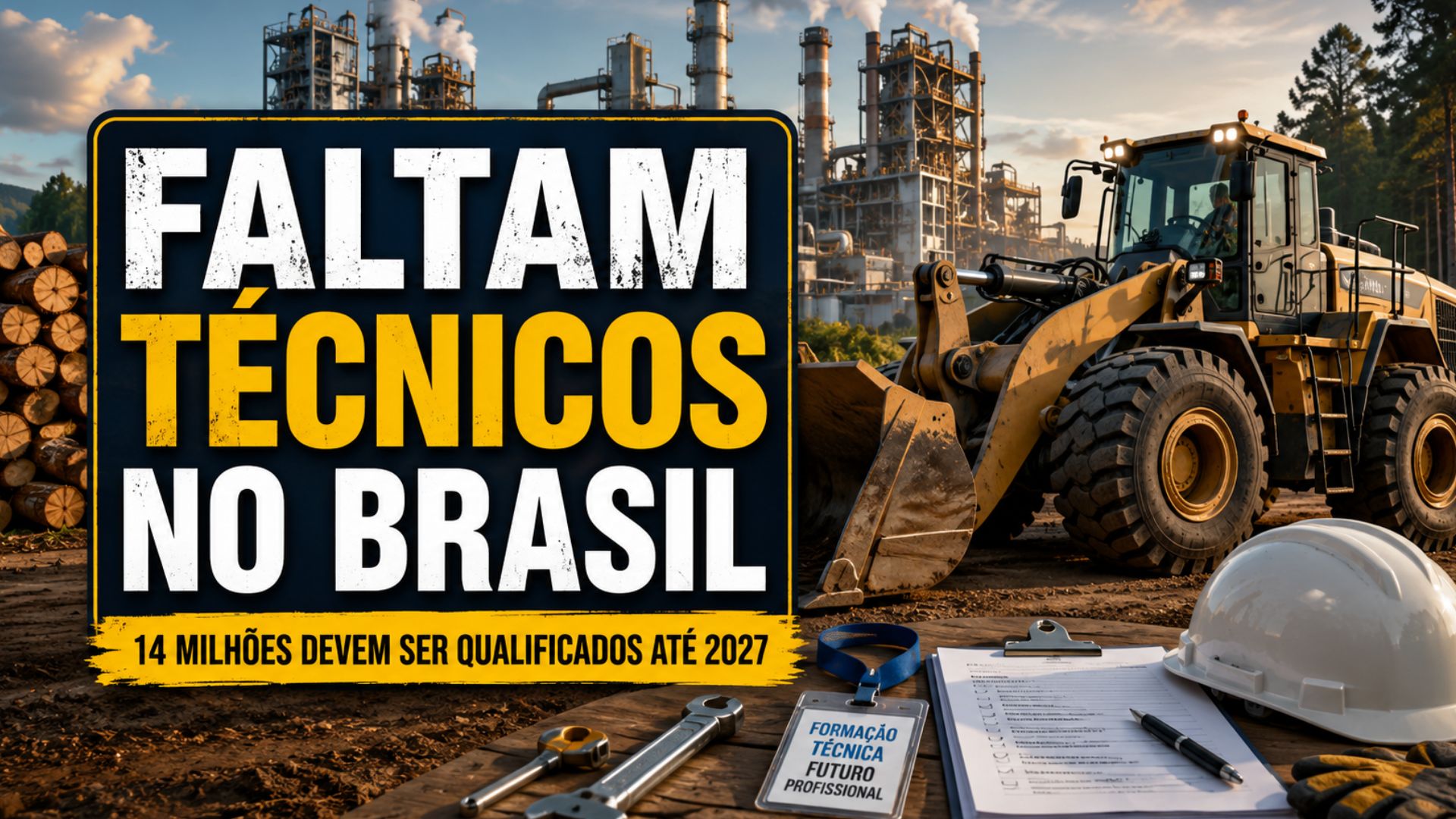
An important sector in Brazil is suffering from a labor shortage, requiring the qualification of 14 million workers by 2027, leading companies to invest R$ 5 million to train professionals and address the technical deficit.



In May, the Pecém Complex was the only Brazilian company to participate in the World Rider and Summit in Rotterdam, according to the manager. The event included global investors from various sectors in the Netherlands. Additionally, Alessandra stated that the goal is to generate experiences and knowledge across all links of the green hydrogen value chain.
Bahia Will Receive US$ 120 Million In Investments
The Camaçari Hub, in the state of Bahia, has a developing project from Unigel to install a green hydrogen plant, with expected operations to start next year. The estimated investment for the venture is around US$ 120 million, aiming to achieve a production capacity of 10,000 tons per year.
According to the superintendent of the Bahia Department of Economic Development, Paulo Guimarães, currently, the main focus is to meet the internal market, whether hydrogen to be consumed industrially in Camaçari or ammonia for use in generating fertilizers, and simultaneously meet external market demand, if there is demand.
Guimarães emphasizes that discussions are already underway with other companies for the installation of renewable fuel production projects. This is a demand that needs to be addressed more quickly.
The aviation and maritime markets are beginning to demand green ethanol and aviation fuel, thus this is a focus that one of these companies is discussing with Bahia. The Camaçari Hub, in the Northeast, is also beginning to address the issue of green steel and fertilizers, as it has mining projects being developed in Bahia.
Pernambuco Has 224 Installed Companies
In the state of Pernambuco, the Port of Suape establishes the production of green hydrogen in a sector of research, development, and qualification through an innovation cluster. According to the director of Environment and Sustainability of Suape, Carlos Cavalcanti, the company is very interested in pursuing exports.
This strategy is the second plan from the perspective of what is expected from Pernambuco, where consumption can occur locally, as there are about 224 companies installed in an industrial port complex.
The executive notes that the second strategy that yielded the quickest results in terms of installation involved research, development, and innovation projects, which have a tech hub as an anchor.