Portuguese
  Spanish


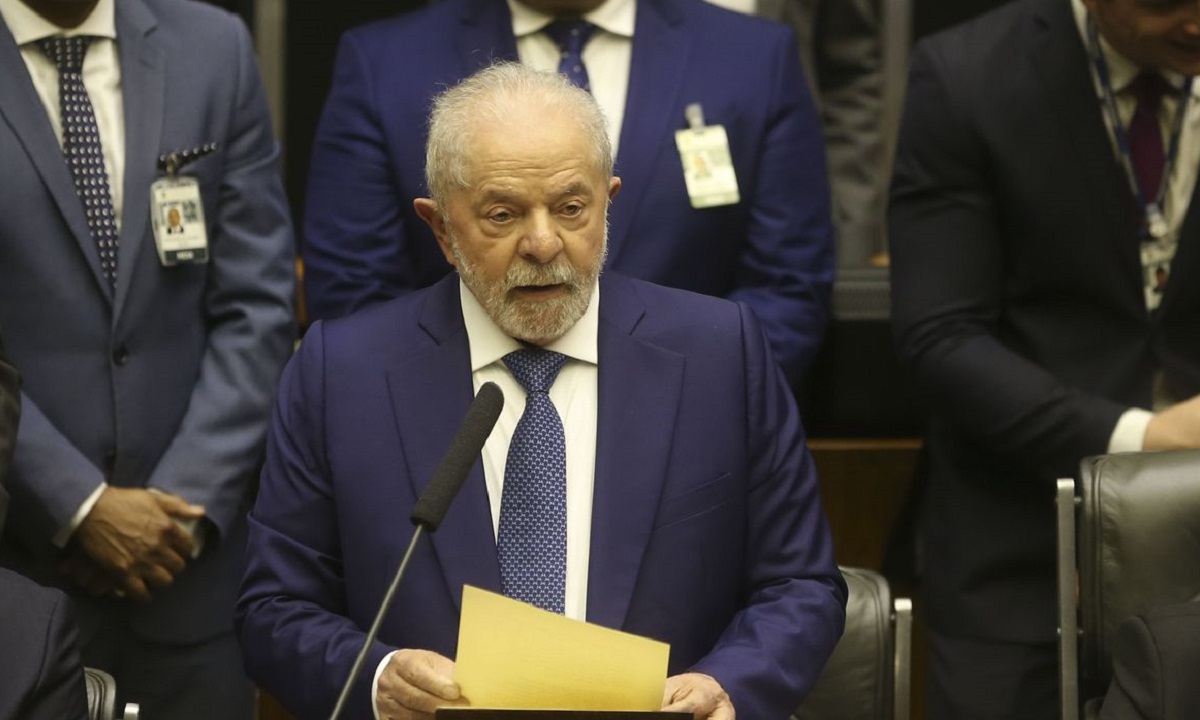

President Lula Says It Makes No Sense To Import Fuels And Oil Platforms In His Speech
In the National Congress, newly elected President Luiz Inácio Lula da Silva read his entire speech, in which he states that Brazil is a very large country to continue importing fuels, fertilizers, oil platforms, microprocessors, aircraft, and satellites. According to him, the nation has sufficient technical capacity, capital, and market to restore the growth of industrialization and services at a competitive level.
What Consequences To Expect For The Oil And Gas Sector After President Lula’s Speech?
President Lula’s speech may represent a shift in Petrobras’ policy for hiring platforms for the production of oil and natural gas. In previous PT governments, this production required local content indexes and the construction and occupation of national shipyards for their orders. Part of these orders was investigated by Operation Lava Jato, resulting in arrests, testimonies, the return of funds, and the closure of a significant portion of Brazil’s industrial park.
Petrobras Has Projects To Be Carried Out During President Lula’s Term
Last week, Petrobras announced the beginning of the contracting process for two production units of the FPSO (Floating, Production, Storage and Offloading) type, or platform ship, for the shared reservoirs of Atapu and Sépia. The process is scheduled to receive proposals in July 2023 and start production in 2028.
-
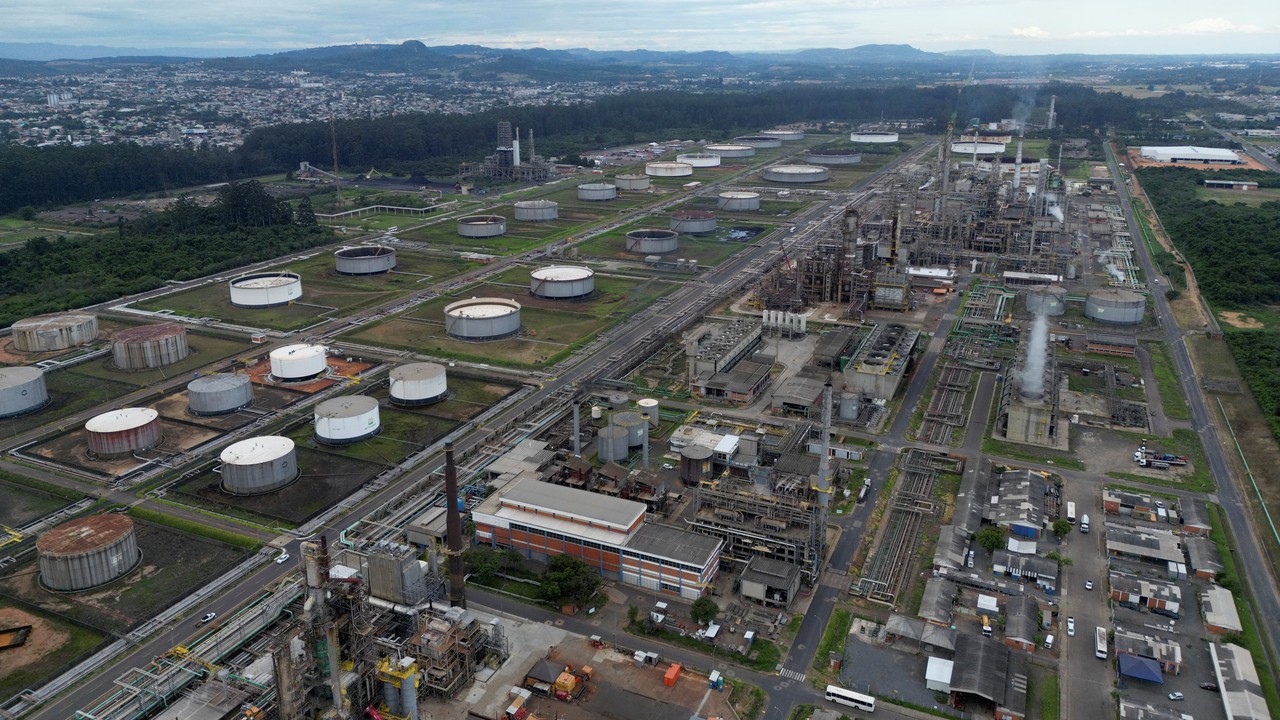
With a record production of nearly 3 million barrels per day, Petrobras resumes importing diesel in July, highlighting the bottleneck in Brazilian refining.

-
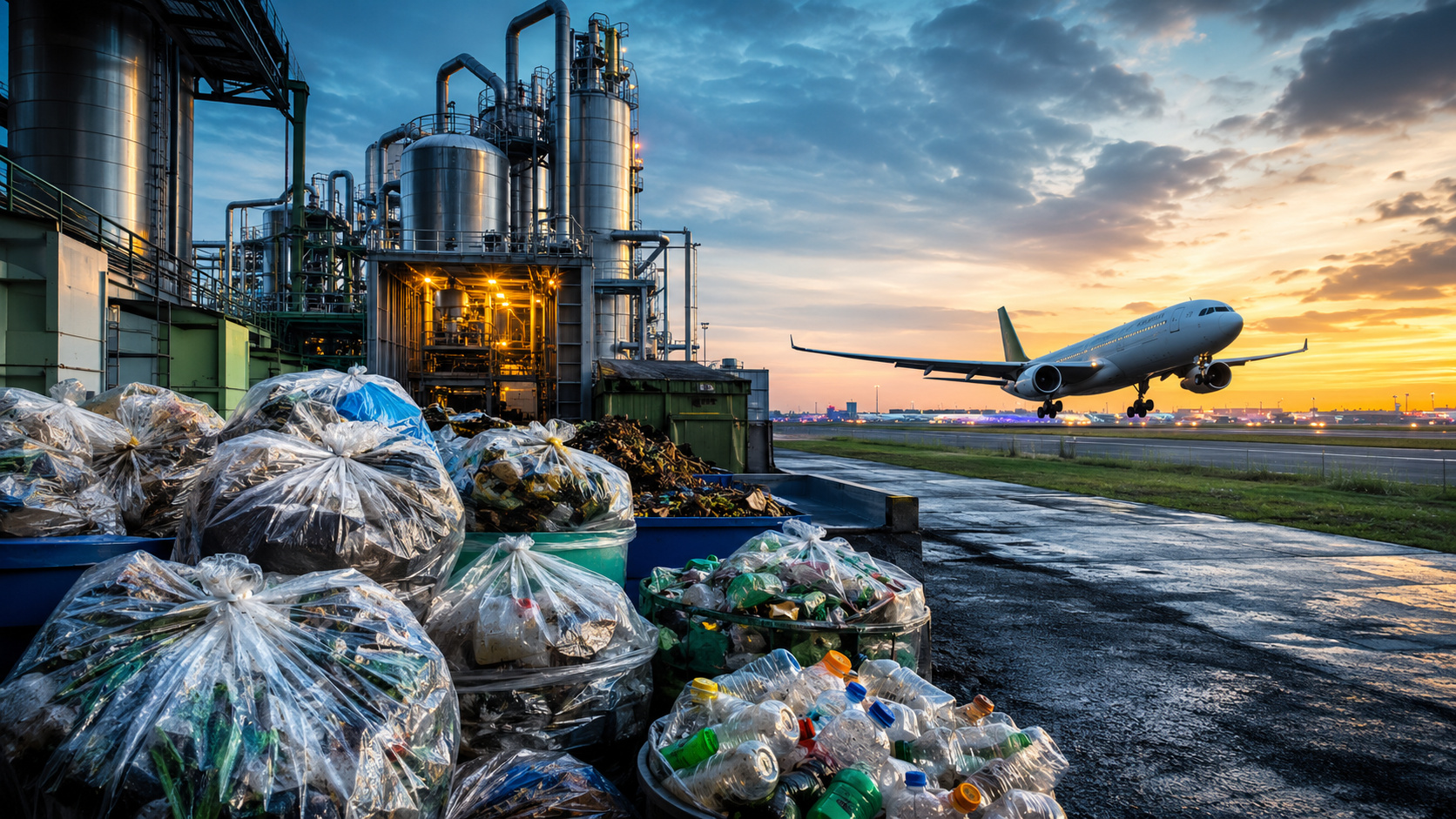
Qantas and Airbus Invest in Company Aiming to Convert Unsorted Household Trash into Jet Fuel

-
Brazil’s ANP Opens 86 New Oil Blocks in the Equatorial Margin, Expanding the Amazon River Mouth Frontier

-
OPEC+ Boosts Oil Supply by 188,000 Barrels per Day in July 2026, Leading to Price Drop from $112 to $89 per Barrel in Under Two Months
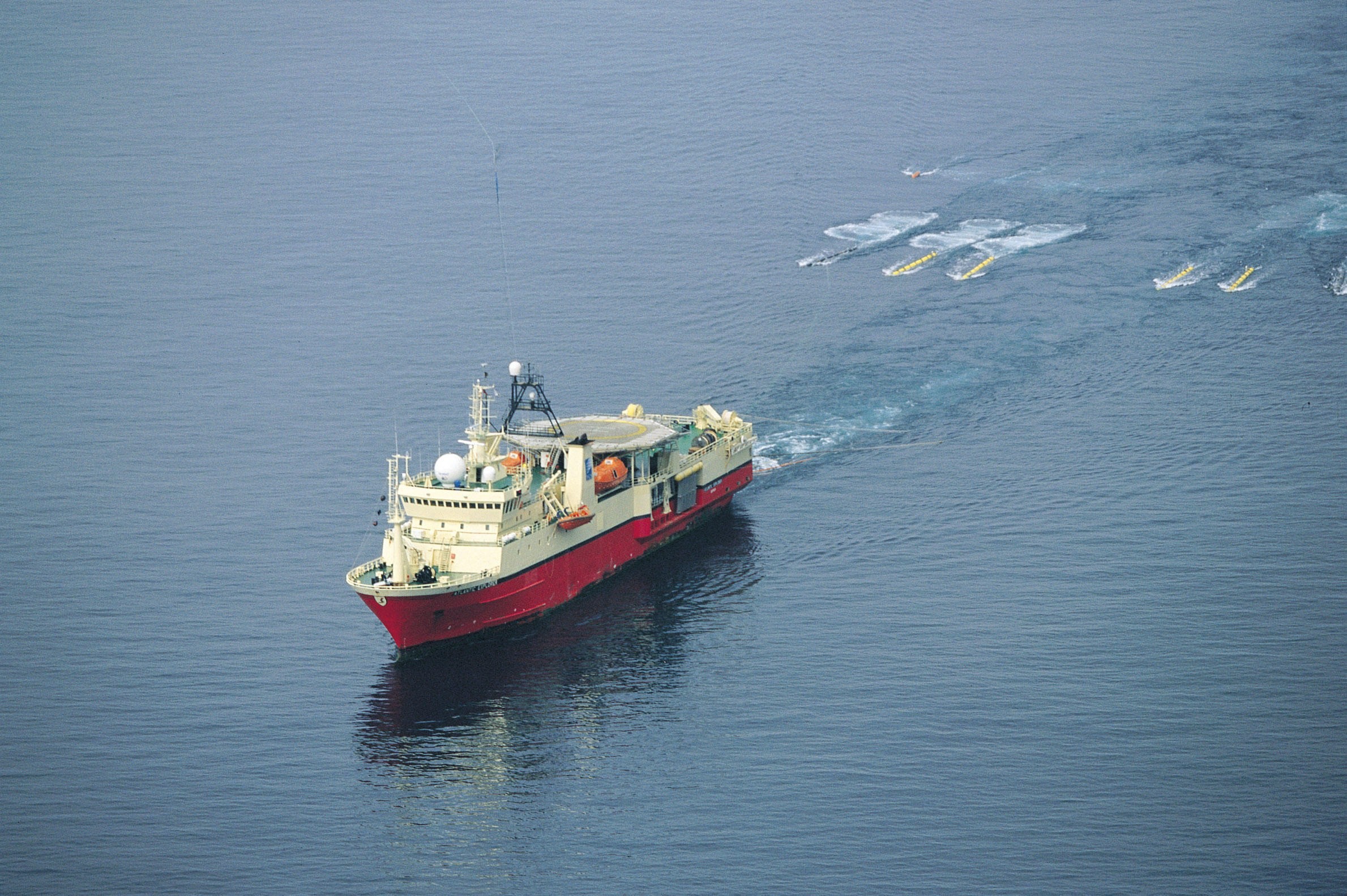
According to Infomoney.com, after the second round of bidding for the surplus volumes of the onerous assignment, Petrobras, the operator, came to hold 65.7% participation in the shared reservoir of Atapu, Shell 16.7%, TotalEnergies 15%, Petrogal 1.7%, and the Union, represented by Pré-Sal Petróleo S.A. – PPSA, 0.9%. The platforms P-84 (Atapu) and P-85 (Sépia) will each have a daily production capacity of 225 thousand barrels of oil and processing of 10 million cubic meters of gas.