Portuguese
  Spanish


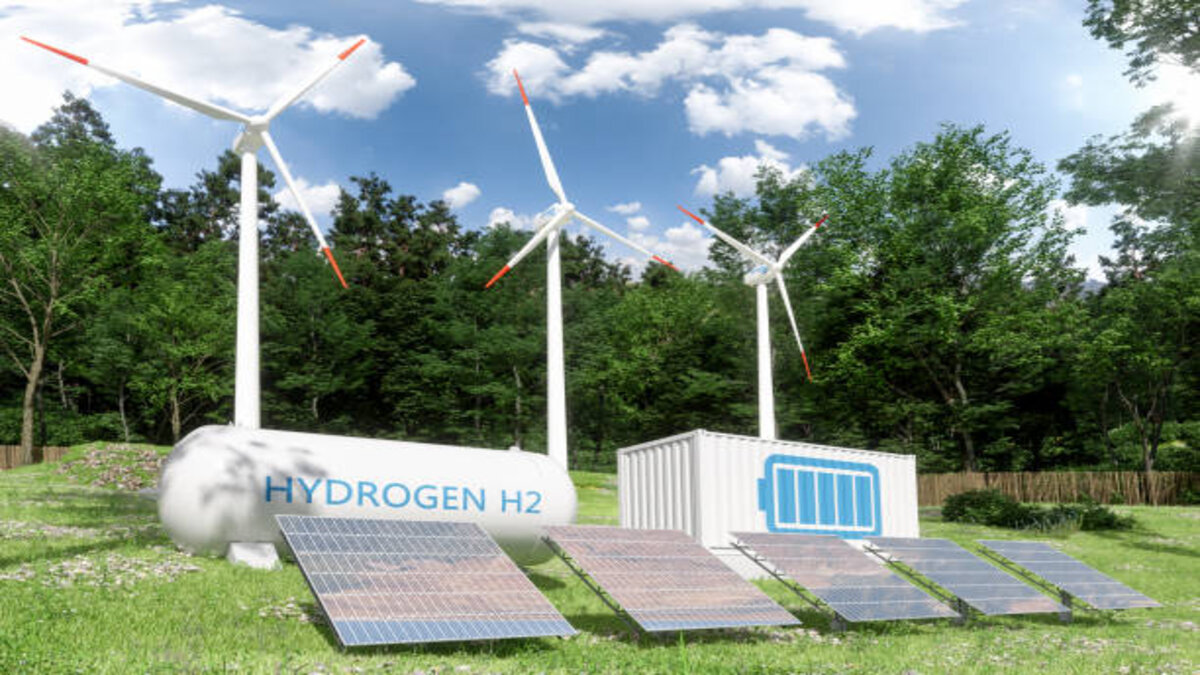

Aker Horizons, Statkraft and Sowitec Companies Unite in a New Partnership for a Project in Bahia, Which Will Boost the Renewable Energy Market in Brazil, Featuring Green Hydrogen and Ammonia Production
Last Tuesday, (04/26), Norwegian multinationals Aker Horizons and Statkraft and German company Sowitec announced their hybrid project for the production of renewable energy and green hydrogen and ammonia in Bahia. The production facility is the new bet of the companies for the energy market in Brazil, especially after the fertilizer crisis in early 2022.
Hybrid Project for Renewable Energy Production from Green Hydrogen and Ammonia by Aker, Statkraft, and Sowitec Multinationals Will Be Built in Bahia
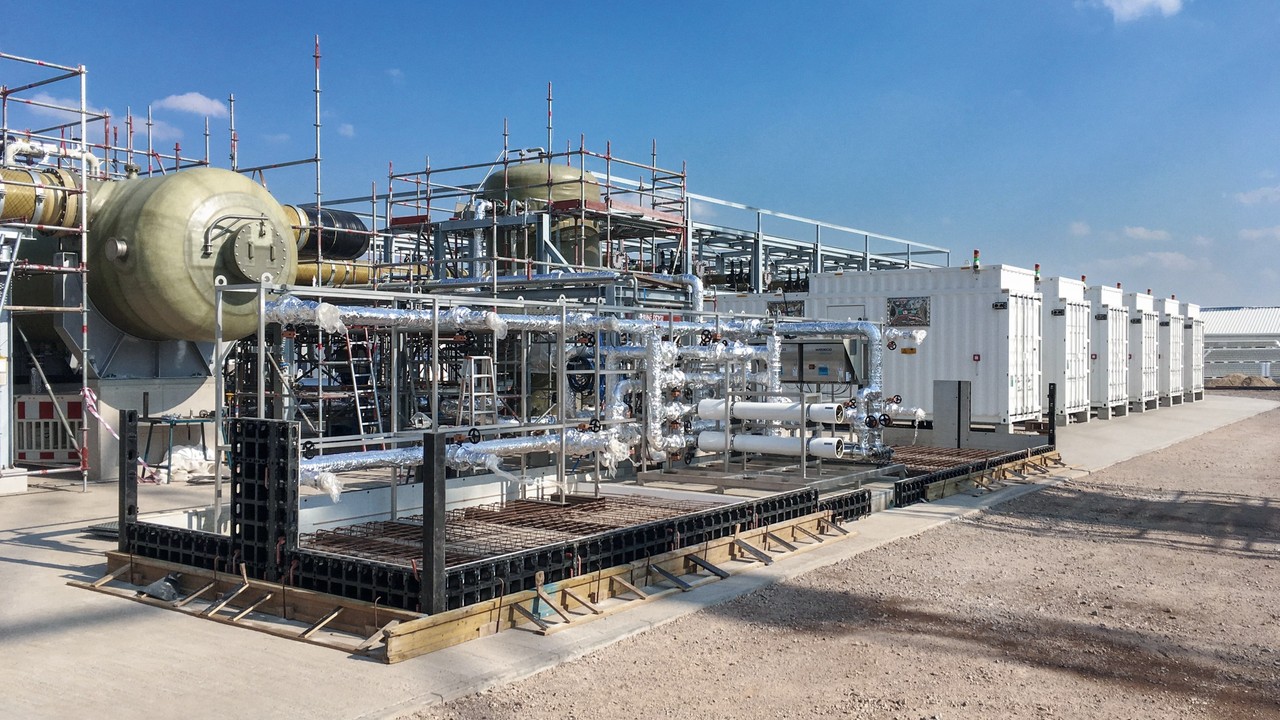
Bahia is already a stage for massive ventures in mining, civil construction, and, primarily, renewable energy, and it will now be the site of the green ammonia and hydrogen production plant to be built by the Norwegian and German multinationals Aker, Statkraft, and Sowitec. The companies announced the project last week and provided more details about how it will be carried out in the state over the next few years.
Thus, the project is scheduled to be completed by 2027 to begin operations and benefit the energy segment. The multinationals plan to replace gray ammonia with green ammonia for fertilizer production and, in addition, to carry out significant renewable energy production from green hydrogen at the plant. Furthermore, the partnership also included a new plant between Aker and Statkraft for green hydrogen projects in India, where the energy source will be directed to decarbonize steel production in the Asian country.
-
Fired during apartheid and with a little borrowed money, an electrician started with a borrowed truck and transformed electrical services into a group connected to energy, real estate, and infrastructure in South Africa.

-
Wood has ceased to be just a construction material in Yale research and has become insulation for electrical transformers that face intense heat, aging, and increasing pressure from the renewable energy-powered grid.
-
More than 1,000 residents of a remote island in Kiribati now have clean water and electricity with solar systems operated by the community itself.
-
Ceará brings together 7 giants and R$ 66 billion to transform Pecém into the largest green hydrogen hub in Brazil, with final decisions expected by the end of 2026.


Aker Clean Hydrogen is a company specialized in clean hydrogen, controlled by Aker Horizons, part of the traditional Norwegian industrial group Aker, while Statkraft is one of Europe’s leading companies in the renewable energy sector, operating in projects involving hydropower, wind, solar, and biomass. Finally, Sowitec is the last of the entrepreneurial multinationals involved in the project and focuses on the renewable energy market, possessing 8 GW of wind and solar projects in Brazil, among installed assets or under construction for the soon start of operations.
Brazil Is Still Quite Dependent on Fertilizers and the Green Hydrogen and Ammonia Production Project Could Contribute to This Sector, As Well As the Renewable Energy Market
Brazil is one of the largest agricultural producers in the world and has a high internal demand for fertilizers, being responsible for a large portion of global market imports. Thus, the country imports over 85% of what it consumes, especially regarding nitrogen-based fertilizers, such as gray ammonia, according to the National Association for the Diffusion of Fertilizers (Anda), which monitors the entry of the product into Brazil and oversees its use.
Therefore, the renewable energy and green hydrogen and ammonia production project by the multinationals aims to provide a viable alternative to make this market more flexible concerning internal supply. In this regard, Aker Clean Hydrogen’s president, Knut Nyborg, stated that “Both India and Brazil are major consumers of hydrogen, have supportive government policies, and benefit from world-class renewable energy resources, which presents significant opportunities for green hydrogen and ammonia production.”
The company believes that replacing gray ammonia with green ammonia will be essential for decarbonizing the agricultural sector in Brazil and that the project in partnership with the multinationals is the first step toward achieving this in the country.