





 Portuguese
  English
  Spanish
  4 min of reading
  1 comment


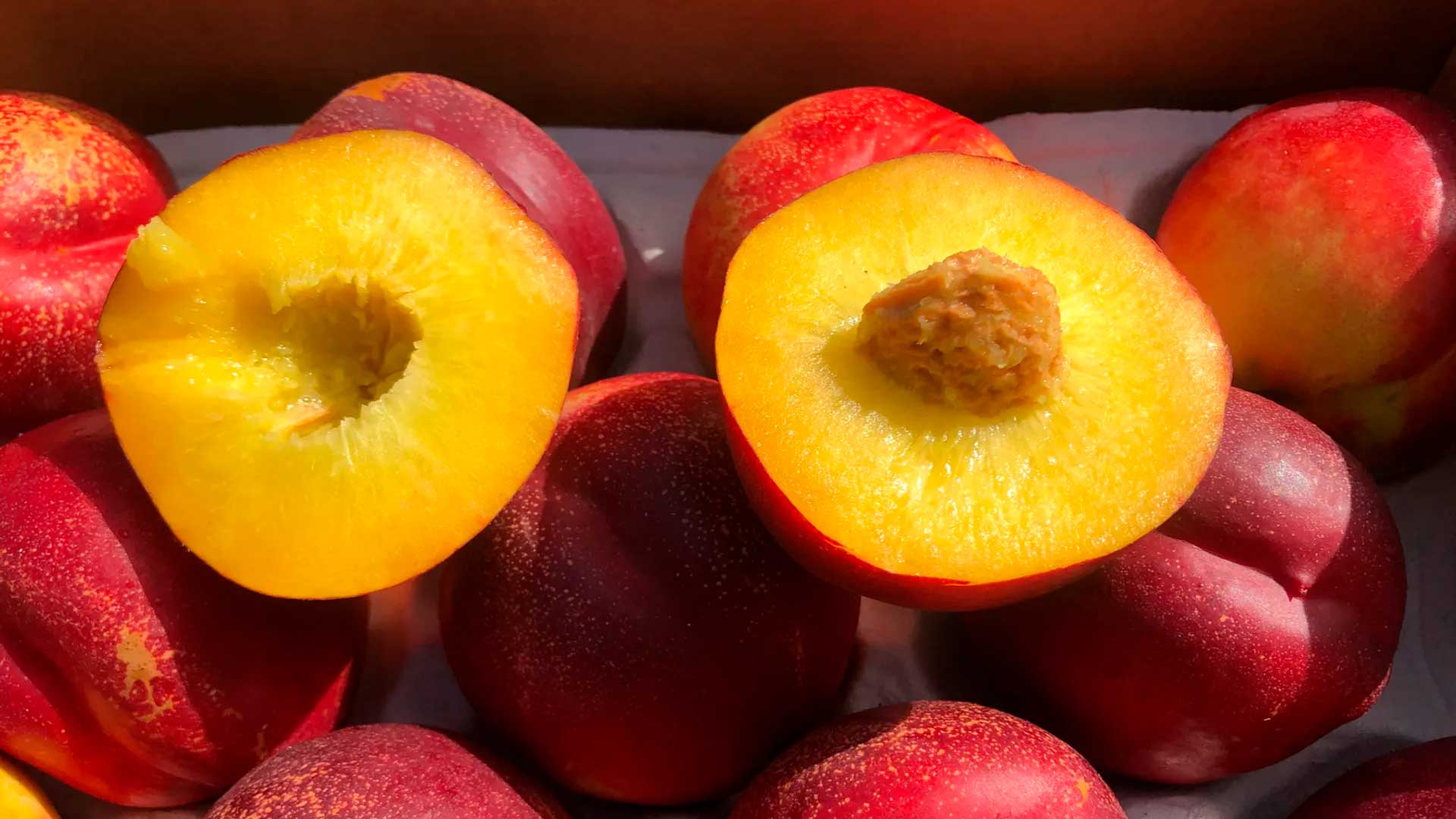


Investigation in Lérida Examines Planting and Sale of a Registered Variety Without License, with DNA Testing and a Fine Risk That Can Reach 288 Thousand Euros
A farmer from the Lérida region in Catalonia is being investigated for producing and selling a protected variety nectarine without authorization, after the Civil Guard located around 5 thousand plants linked to the case.
The suspicion involves the nectadiva variety, associated with the French company Agreo Selections Fruit, and it is believed to have been reproduced in three planting areas, without payment of the fee charged for the use of the cultivar.
According to the Spanish press, the investigation began after a report in February, and progressed with sample collection and genetic analysis to confirm the origin of the plant material.
-
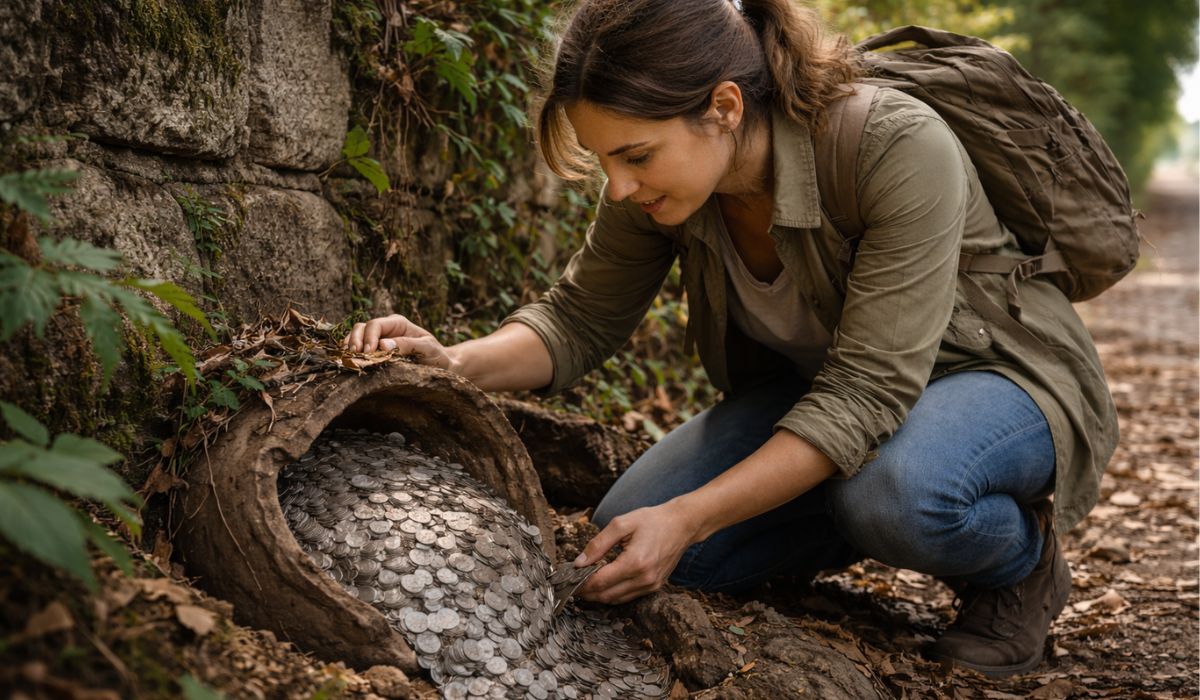
A woman went out for a regular walk and ended up finding a treasure buried for over 900 years, with more than 2,000 medieval silver coins compared by archaeologists to a lottery prize and considered one of the most significant finds in recent years in the country.
-
Scientists revealed 11 signs that very intelligent people exhibit in their daily lives, and most people have no idea that some of these common behaviors are directly linked to an above-average brain.

-
From space, Buenos Aires appears as a colossal spot of light surrounded by kilometers of darkness, revealing at a single glance the exact boundary between the metropolis and the countryside, seen from 400 km altitude.

-
NASA spent over 118 million reais to build a single bathroom that works in zero gravity, and it has just gone to space on the first crewed mission to the Moon in more than 50 years.


The infraction can result in significant financial penalties, with a cited value of up to 288 thousand euros, a figure that has been converted by Brazilian media as “almost R$ 1 million”, depending on the exchange rate used in the calculation.
Farmer Under Investigation in Lérida After 5 Thousand Trees Linked to the Nectadiva Variety
According to the newspaper Segre, the farmer was detained as a suspect of committing an industrial property crime for alleged acts of production, sale, possession, reproduction, and multiplication of a registered variety without the necessary permissions.
The Civil Guard claims that the investigation led to a plantation in the Segrià region, where about 5 thousand plants were found distributed across three plots.

The case has gained attention for involving a fruit considered to have high commercial value, and for highlighting the conflict between agricultural innovation protection and illegal multiplication practices in the field.
Operation Mochilo and the Role of DNA in Confirming the Protected Variety
The authorities report that the suspicion was not based solely on visual inspection in the orchard, as confirmation required technical evidence. Samples were collected and compared with the genetic signature of the registered cultivar.
According to El Punt Avui and FreshPlaza, the collected material was sent to the Research Center in Agrigenomics linked to the IRTA, and the results indicated a coinciding DNA profile with the nectadiva, without consent from the rights holder.
Rights on Plant Varieties and Why They Can Last Decades
Although many people refer to it as patented fruit, in the European Union the most common mechanism in such cases is plant breeder’s rights, known as Community Plant Variety Right, a specific intellectual property system for new plant varieties.
The European Commission explains that the right applies throughout the EU and is similar to a patent, granting exclusivity for a specified period. For most species, the duration can be 25 years, and for groups such as vines and trees, it can reach 30 years.
This model exists to allow companies and research centers to recover the investment made in genetic improvement, selection of traits, and stability testing of the fruit. In practice, those who plant need authorization and usually pay a fee per tree or per production, according to the contract.
The newspaper Segre also mentions that, in addition to fines, the Spanish Penal Code may foresee prison sentences in cases of industrial property infringement, depending on the classification and the evidence gathered.
The Late-Season Fruit That Is Worth More and the Cost of Creating New Varieties
The nectadiva is described in Spanish reports as a late-harvest variety with good handling resistance, which helps sell fruit over a longer window with fewer logistics losses.
This type of advantage can raise the price, especially in the European stone fruit market, where producers compete for quality, durability, and consistency in supply.
Regarding the cost of innovation, HuffPost in Spain cites Segre as stating that developing a new variety can require years of research and investments exceeding 2 million euros, which explains the pressure for royalty payments and oversight.
Nectarine and Peach and the Difference That Still Confuses Consumers
The confusion is common because the two fruits are similar in shape and pit, but the nectarine has smooth skin, while the peach usually has fuzzy skin.
In the kitchen, both can be used for juices, jams, and desserts, but the nectarine is often associated with a more concentrated flavor and firm texture, something valued in premium varieties sold in large chains.
In the end, do you think that the protection of plant varieties supports research or becomes a barrier for small producers who want to compete in the market? Is this type of control fair when it involves everyday food? Leave a comment with your opinion and state which side you would take in this dispute.








Quem investe se lasca? Então é melhor ninguém investir em nada já que pode vir um arrombad0 e levar suas pesquisas sem pagar por isso. Anos de trabalho pra quê? Pelo “bem” da humanidade? Quem investe dinheiro espera ter retorno, não que isso seja uma regra o retorno ser positivo, mas neste caso, existe uma LEI de propriedade que garante que quem tem bala na agulha para investir em tecnologia não seja garfado por uma **** de zóio junto. Faça as devidas contas de verifique se convém pagar para ter as árvores da fruta em sua propriedade. Se não convier, parte pra outra e deixe o trabalho e investimento de terceiros preservado! Isso se chama HONESTIDADE.