





 Portuguese
  English
  Spanish
  3 min of reading
  0 comments


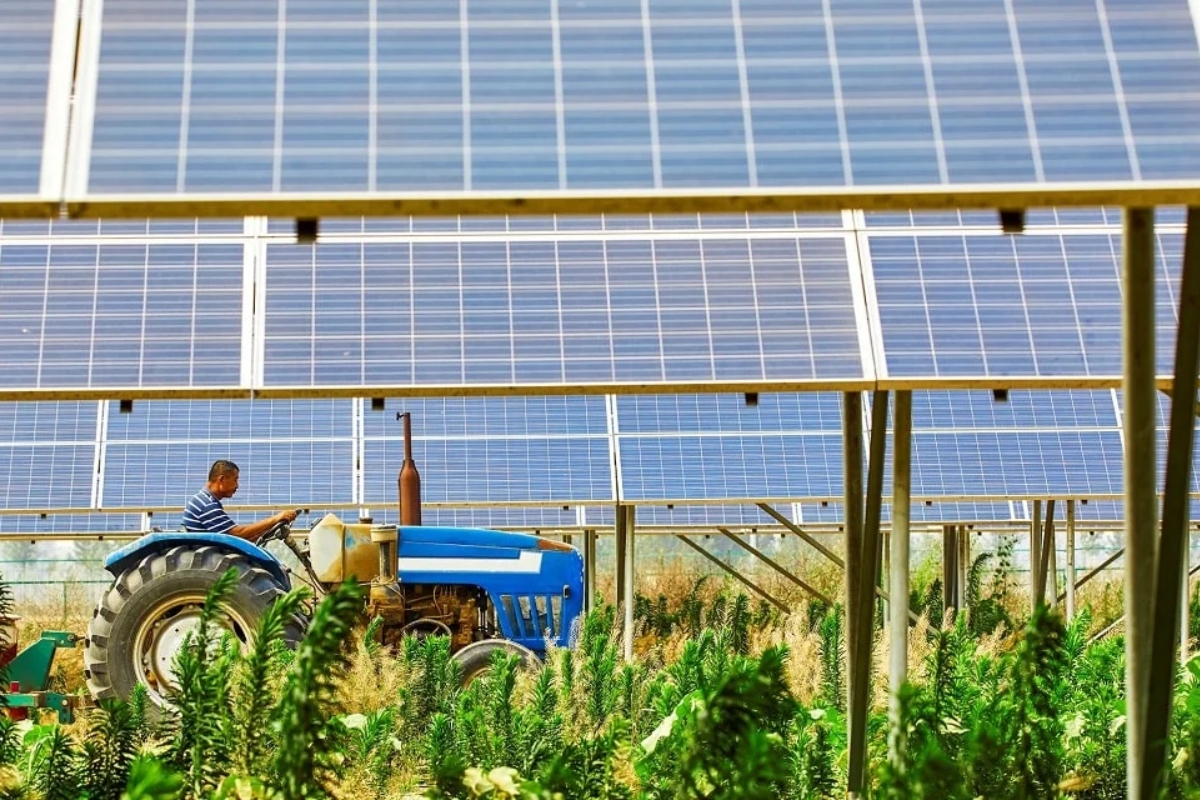
In Carmona, The Decision to Rent Land for Solar Energy Raised Annual Income to 1,900 Euros Per Hectare and Accelerated Change in the Field
The landscape of Carmona no longer looks the same. Where wheat, pipes, and sunflowers once dominated the scenery, rows of panels now shine in the sun.
The change has a direct reason: money. With energy prices high and grain paying little, producers began to seek a more predictable and lucrative alternative.
The solution gained traction with the rental of rural properties to photovoltaic energy companies. In a short time, the advance of solar panels also reached the fields and became a trend among those who do not want to be left behind.
-
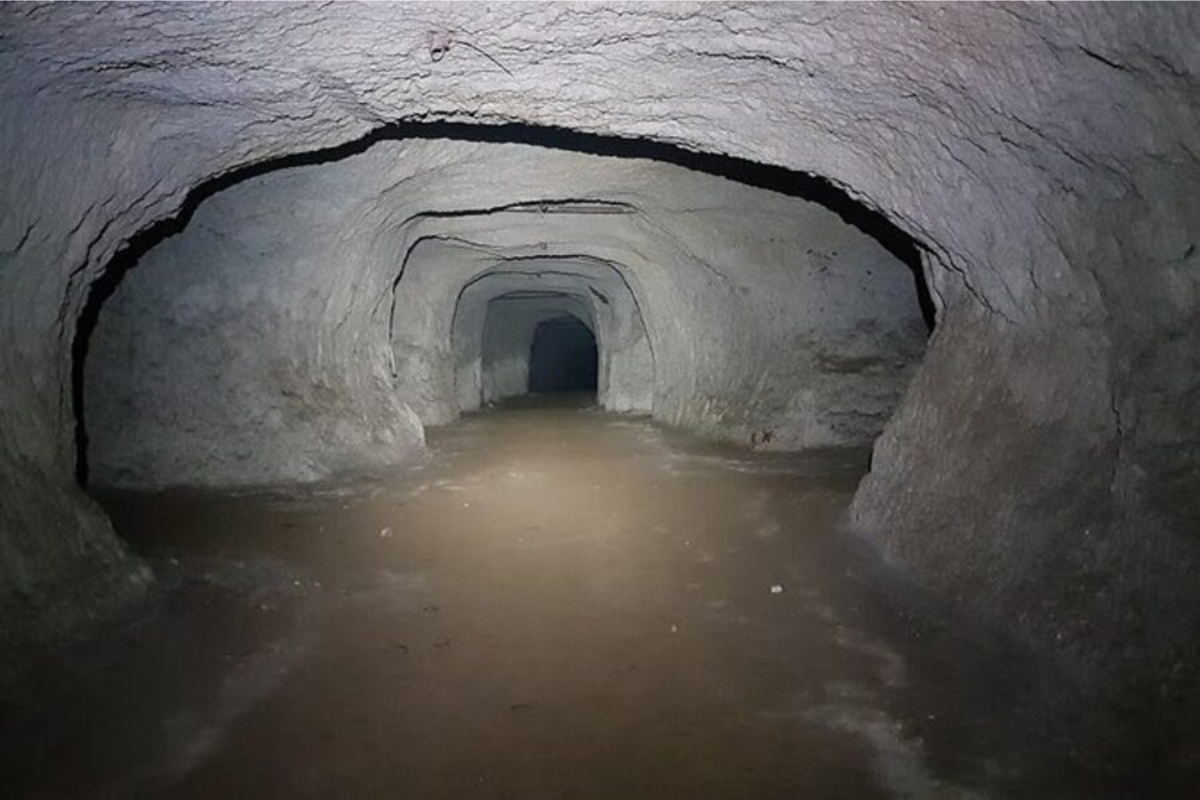
Discovery of a 15-kilometer labyrinth beneath the buildings of Rome raises alarm for collapses and reveals the largest underground network ever found in the Italian capital.
-
A rare storm phenomenon in the United States alerts meteorologists worldwide due to four different forms of water falling from the sky, which freeze immediately upon touching the ground, poles, cars, or trees.

-
He has been using a wheelchair for almost 10 years, lives alone, is independent, and decided to become a delivery driver for an app: Samuel makes up to 6 deliveries a day, covering routes of 1 km in his wheelchair and has even managed to do 2.5 km in a single run.

-
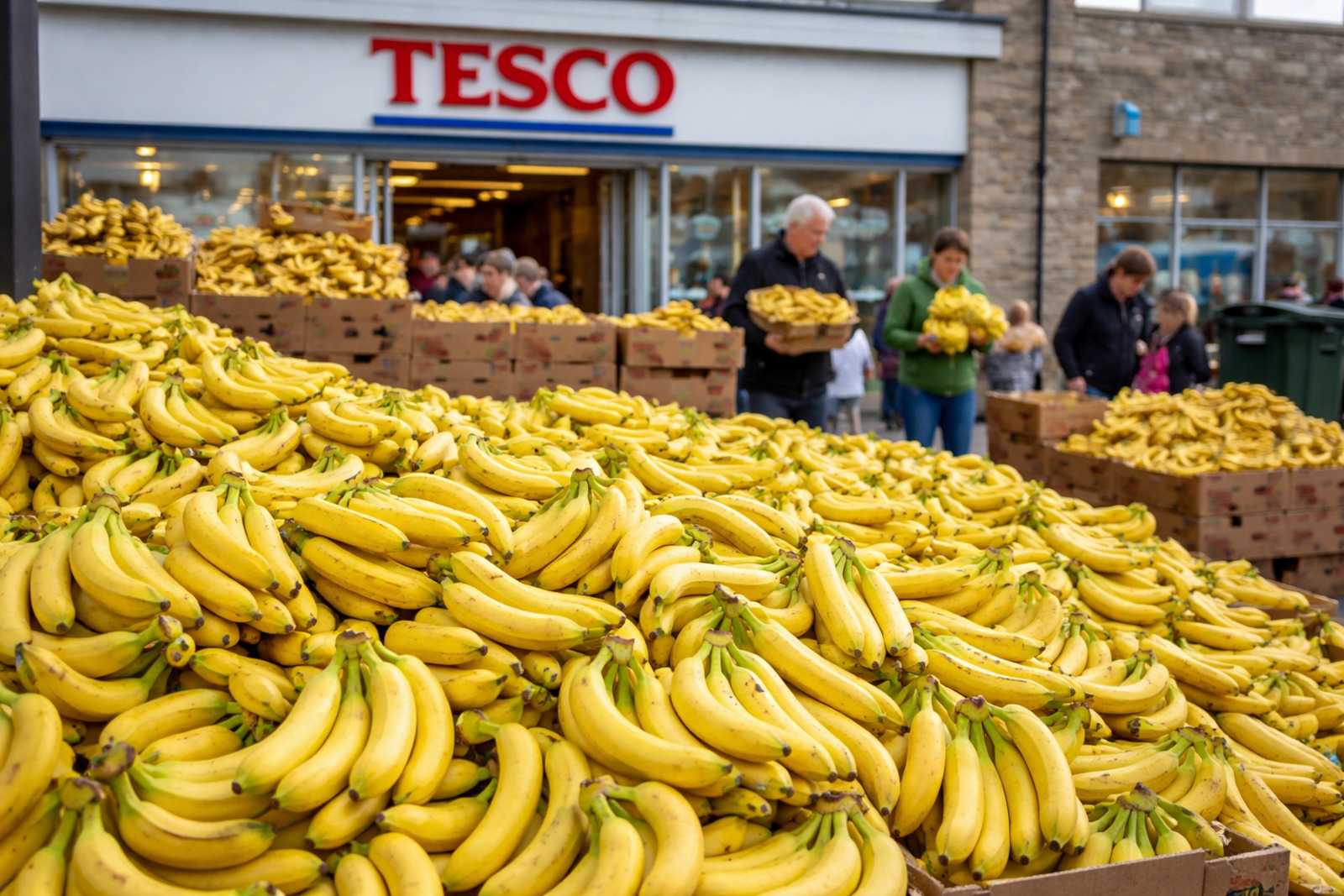
An island of 7,500 people received 38,000 bananas by mistake, was left unsure where to store everything, and turned the error into a viral case with donations, hustle, and fruit overflowing everywhere.
Carmona Exchanges Traditional Crops for Solar Energy Projects
The city is undergoing a rapid transformation linked to energy generation. Areas that once produced food are now producing electricity.
The municipality has 92,000 agricultural hectares, and part of this territory has already been allocated to solar projects. The change alters land use and the visual appearance of the countryside.
The sun, which always marked the rhythm of harvests, has now become a direct economic asset for those with available land.
Land Rental Guarantees Fixed Income Without Relying on Harvest

The model adopted is based on rental contracts with photovoltaic companies. The farmer stops planting and begins to receive a fixed amount for the use of the land.
The instability of agricultural production no longer weighs on the budget. Climate risk and low grain prices give way to predictable income.
For many producers, this predictability has become the main attraction of the change.
Farmer Goes from 100 Euros Per Hectare to 1,900 Euros with Solar Panels
The case of José Portillo summarizes the impact of the new activity. After a lifetime dedicated to planting, he decided to change the use of the land.
Previously, the income was 100 euros per hectare during the harvest. With the solar contract, the amount increased to 1,900 euros per hectare.
The difference represents a significant jump in financial standards and allows personal plans that were previously not possible.

Reduction of Cultivated Area Generates Debate Among Residents
The transformation is not unanimous. The topic appears in daily conversations and divides opinions within the rural community itself.
While some celebrate the financial improvement, others see the change as a loss of agricultural identity.
The area designated for cultivation has already decreased by 20% to 30%, reinforcing the perception that the transition is underway.
Solar Energy Advances While Agricultural Tradition Loses Ground
The main discussion involves the choice between maintaining historical practices or ensuring economic stability.
For some residents, the change represents a break with the past. For others, it is a necessary adaptation to financial reality.
The field begins to fulfill a new function, driven by the economic value of energy.
Projects in Progress Indicate That the Change Is Likely to Continue
The movement is set to remain strong. Carmona has twenty-eight projects in progress, involving significant sums.
With so many contracts underway, the occupation of agricultural land by solar panels gains strength and continuity.

For many, the path seems irreversible since the income difference outweighs tradition.
The fields of Carmona have entered a new phase. The shift from planting to solar energy has moved producers from 100 euros per hectare to 1,900 euros per hectare, changing decisions and life plans.
At the same time, the region faces declining cultivated areas and a profound debate about identity and the future. The transformation advances, driven by financial stability and the utilization of the sun.






-

-

-

-

-

10 pessoas reagiram a isso.