





 Portuguese
  English
  Spanish
  3 min of reading


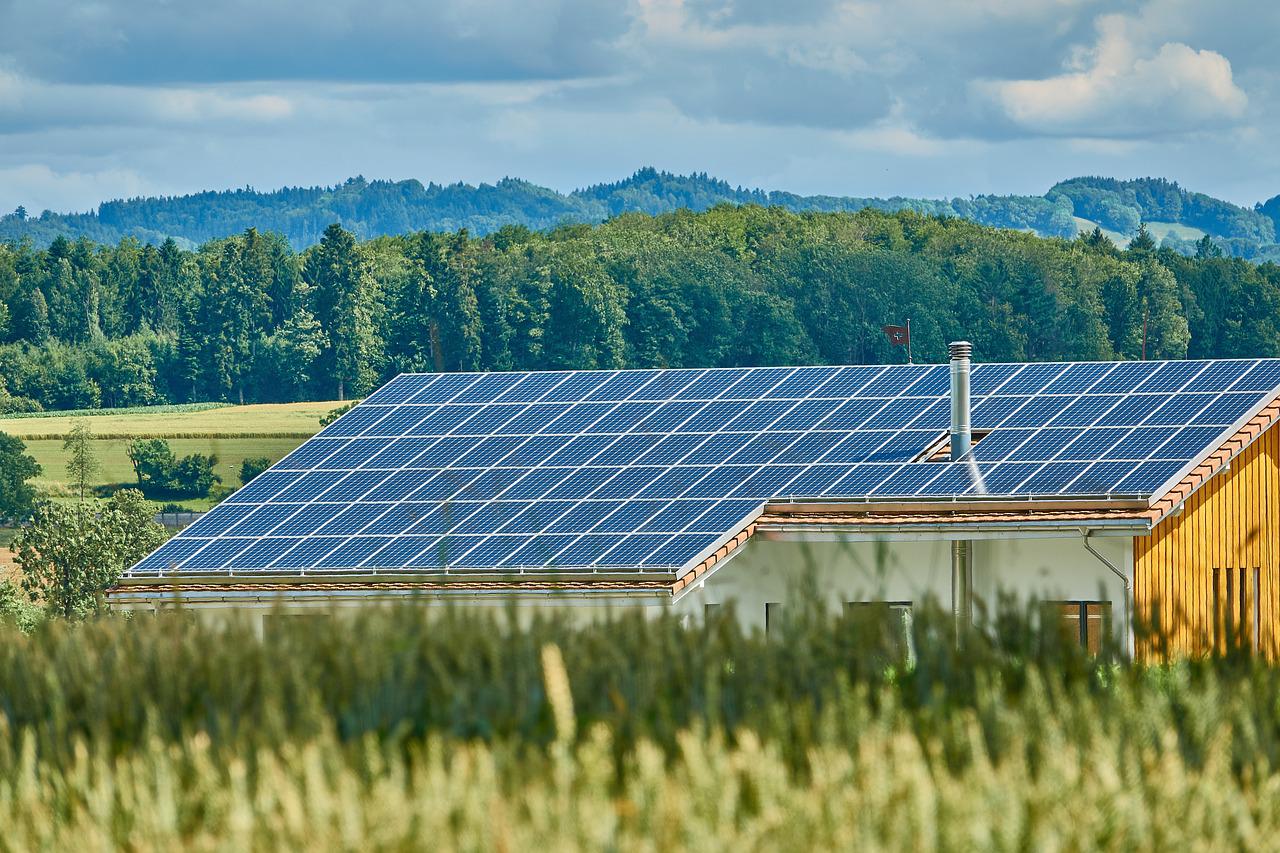
The Data From Absolar Shows Strong Growth in the Solar Energy Sector in Brazil and the Agriculture Sector Should Take Advantage of the Production of This Resource to Invest in More Sustainability Projects in the Segment Over the Next Years.
The growth of solar energy production in Brazil is increasingly beneficial to the national scenario, as the Brazilian Photovoltaic Energy Association (Absolar) recently announced that the country reached 14 gigawatts of installed capacity. Among the sectors that will benefit from this expansion, agriculture is one of the main ones, as projections indicate that the sector should invest in sustainability through the adoption of solar energy projects.
Renewable Energy Production in Brazil Grows, According to Absolar Data, and Agriculture Sees Favorable Scenario for Investment in Sustainability
The quest for sustainability and energy transition has been increasingly present in the Brazilian market in recent years, and the year 2022 was quite beneficial for this sector, as Absolar announced that Brazil hit the mark of 14 gigawatts of installed capacity, equivalent to that of the Itaipu Binational Hydroelectric Plant, and the estimate is that by 2024 Brazil will have approximately 887,000 energy systems connected to distribution networks.
This is a production increasingly utilized in the national scenario, as it is an accessible system that only depends on the installation of photovoltaic panels made of silicon, a material that allows the transformation of sunlight into energy. Thus, Absolar points out that another benefit for the country regarding this sector is the favorable geographical position, as Brazil has a strong frequency of solar irradiation throughout the year, contributing to solar energy production.
-
The Brazilian state accelerates industrial competitiveness with a focus on the extraction of strategic minerals to boost the energy transition in Goiás.
-
“No one will make us change the Pix,” says Lula after the US report.

-
Lula responds directly to Trump and says that Pix is from Brazil and will not change under pressure from anyone, after a report from the United States pointed out the Brazilian payment system as an American trade barrier.

-
Amazon has just announced a new fee on all deliveries, and your online purchases will become more expensive starting April 17, including for those buying from the United States here in Brazil.


Absolar’s projections also show that Brazil could attract R$ 140 billion in new investments to the country, achieving a reduction of R$ 150 billion in costs with thermoelectric plants by the end of the 2050 period. And, due to the close proximity of solar generation systems to rural areas in Brazil, agriculture could be one of the main sectors to invest in sustainability and energy production from this technology over the next few years, boosting the sector in the national market.
Agriculture Will Be the Main Driver in the Brazilian Solar Energy Market with the Adoption of Resource Production Projects for More Sustainability
The adoption of sustainability in agriculture is an increasingly recurring debate in the current Brazilian scenario, due to the strong environmental impacts of the sector, and investments in solar energy production could be the major solution for agriculture regarding environmental criticisms.
Additionally, since 2012, investments in the sector have reached over R$ 3 billion, which is responsible for over 13% of all installed distributed solar capacity in Brazil, thus providing a strong boost to the Brazilian solar energy market.
Thus, organizations like Absolar project strong future investment in solar energy production projects in agriculture as a way to boost sustainability in the sector. Only during the year 2020, the country recorded 29,333 installed rural solar energy systems, and by the end of 2021, the number jumped to 61,294, which produce over 1.2 gigawatts (GW) of power, making it the third largest sector in the national solar energy field.
The coming years could therefore be decisive for boosting the connection between agriculture and the solar energy sector in Brazil, with strong investments in projects to install solar systems in rural areas to take advantage of the high potential for energy production.










Seja o primeiro a reagir!