





 Portuguese
  English
  Spanish
  3 min of reading
  0 comments


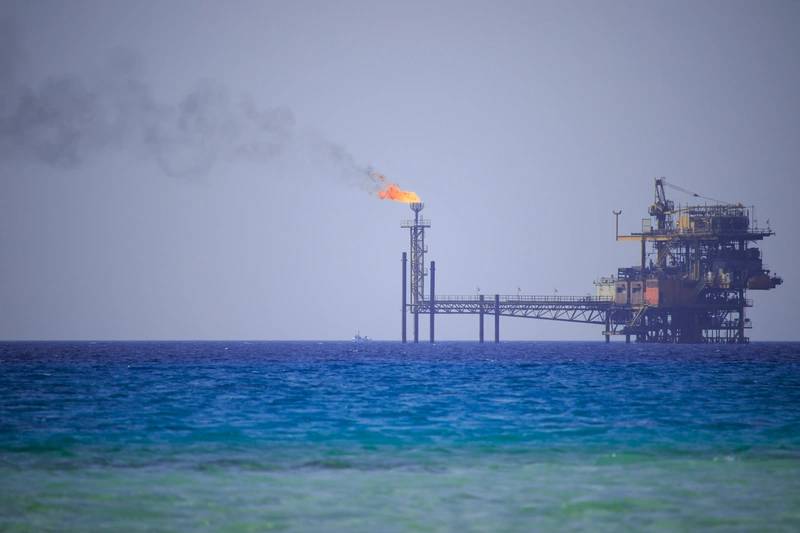
Global Oil Demand Will Increase More Rapidly Than Expected Next Year, According to IEA.
Global oil demand is expected to rise more than anticipated next year, according to the International Energy Agency (IEA). This indicates that, despite this week’s COP28 agreement for the transition from fossil fuels, the outlook for oil use in the short term remains strong.
Despite this update, there is still a significant discrepancy between IEA forecasts, representing industrialized countries, and the OPEC producers’ group regarding projected demand for 2024. This disparity has caused conflicts in recent years, particularly over issues such as long-term demand and the need for investment in new supplies of barrels per day (bpd).
Global Oil Consumption Will Increase in 2024
Global consumption will increase by 1.1 million barrels per day (bpd) in 2024, according to the Paris report – The IEA stated in a monthly report an increase of 130,000 bpd from its previous forecast, citing improved prospects for the United States and lower oil prices.
-
Offshore industrial demand in Macaé skyrockets with the recovery of oil and gas and could grow by up to 396% by 2026 in the Campos Basin.
-
Offshore industrial demand in Macaé surges with the recovery of oil and gas and could grow by up to 396% by 2026 in the Campos Basin.
-
Brazilian giant expands borders in the Southeast: Petrobras confirms new oil discovery in ultra-deep waters in the pre-salt of the Campos Basin.

-
Alert in the global energy market: Severe tropical cyclone hits the coast and disrupts gas production at major plants in Australia, threatening global supply.


The IEA, which advocates for a rapid transition away from fossil fuels, detailed the increase in its 2024 forecast only at the bottom of page 4 of its report, after discussing other findings, including a slowdown in demand in the last three months of 2023 and increased supply.
Influence of Oil Prices on IEA Forecasts
The 2024 revision reflects ‘ a slightly improved GDP outlook compared to last month’s report’, the IEA stated. ‘This is especially true for the U.S., where a soft landing is anticipated.’
‘The drop in oil prices acts as an additional boost to oil consumption’, it added.
Oil has weakened to a six-month low near US$ 72 a barrel this week, even after OPEC+, which includes oil-exporting countries from OPEC and allies like Russia, announced on November 30 a new round of production cuts for the first quarter of 2024.
Impact of Reports on Oil Market
Brent crude rose nearly 2% on Thursday after the IEA report was released, trading near US$ 76.
Demand Slowdown
In the report, the IEA also cut its forecast for oil demand growth in 2023 by 90,000 bpd to 2.3 million bpd and reduced its estimate for the fourth quarter by nearly 400,000 bpd.
A reduction is expected to half the rate of demand expansion next year, due to below-trend economic growth in major economies, efficiency improvements, and a growing fleet of electric vehicles, the IEA stated.
Challenges in Maintaining High Oil Prices
The extension of OPEC+ supply cuts into the first quarter of next year did little to boost prices, and increased production in other countries would act as a hurdle, it added.
‘The ongoing rise in production and the slowdown in demand growth will complicate the efforts of major producers to defend their market share and maintain high oil prices’, it stated.
The OPEC, in a monthly report released on Wednesday, maintained its forecast for global oil demand growth in 2023 at 2.46 million bpd. For 2024, OPEC expects demand growth of 2.25 million bpd, also unchanged from last month.
The difference between IEA and OPEC forecasts for 2024 has narrowed slightly but remains at 1.15 million bpd – equivalent to about 1% of daily oil consumption worldwide and the daily production of an OPEC member, such as Libya.
Oil demand analysts often have to make considerable revisions, given the changes in economic prospects and geopolitical uncertainties, which this year included the lifting of coronavirus restrictions in China. Blockades and rising interest rates.
(Reuters – Reporting by Alex Lawler; Editing by Jason Neely and Mark Potter)
Energy Oil Production










Seja o primeiro a reagir!