Portuguese
  Spanish


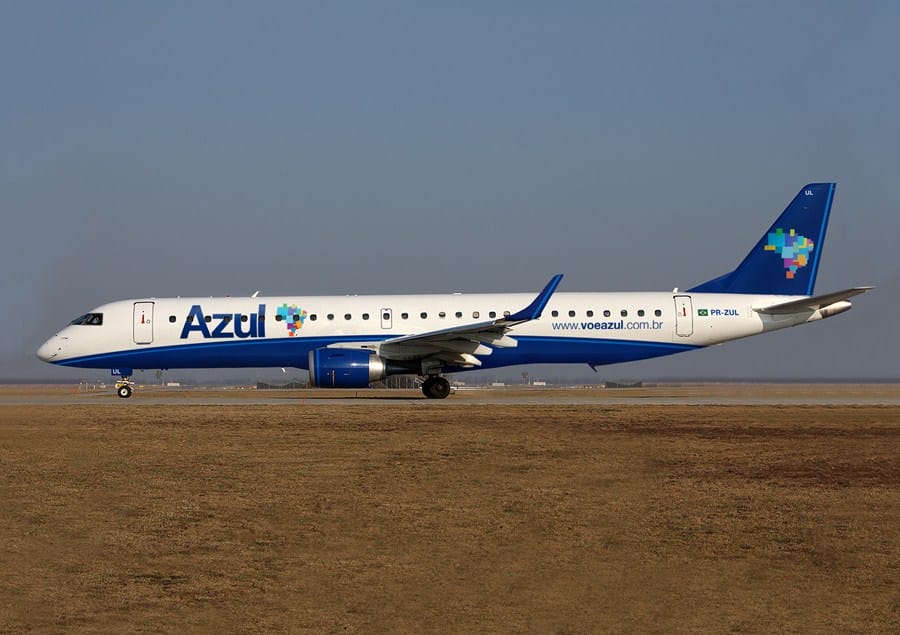

Iata Alerted to the Disparity Between Local Prices and Global Costs of Oil.
The Iata, the international airline association, is requesting measures from the federal government and Petrobras (PETR4) to adjust the way aviation fuel is priced in Brazil, due to the jet fuel prices considered ‘excessively high’ by the association.
According to the International Air Transport Association (Iata), local fuel prices do not align with the reality of a fuel-producing country, which is one of the main challenges faced by the aviation sector in Brazil. The rise in oil prices also has a direct impact on the costs for airlines.
Aviation Fuels: Petrobras Adjusts Prices Based on Global Factors
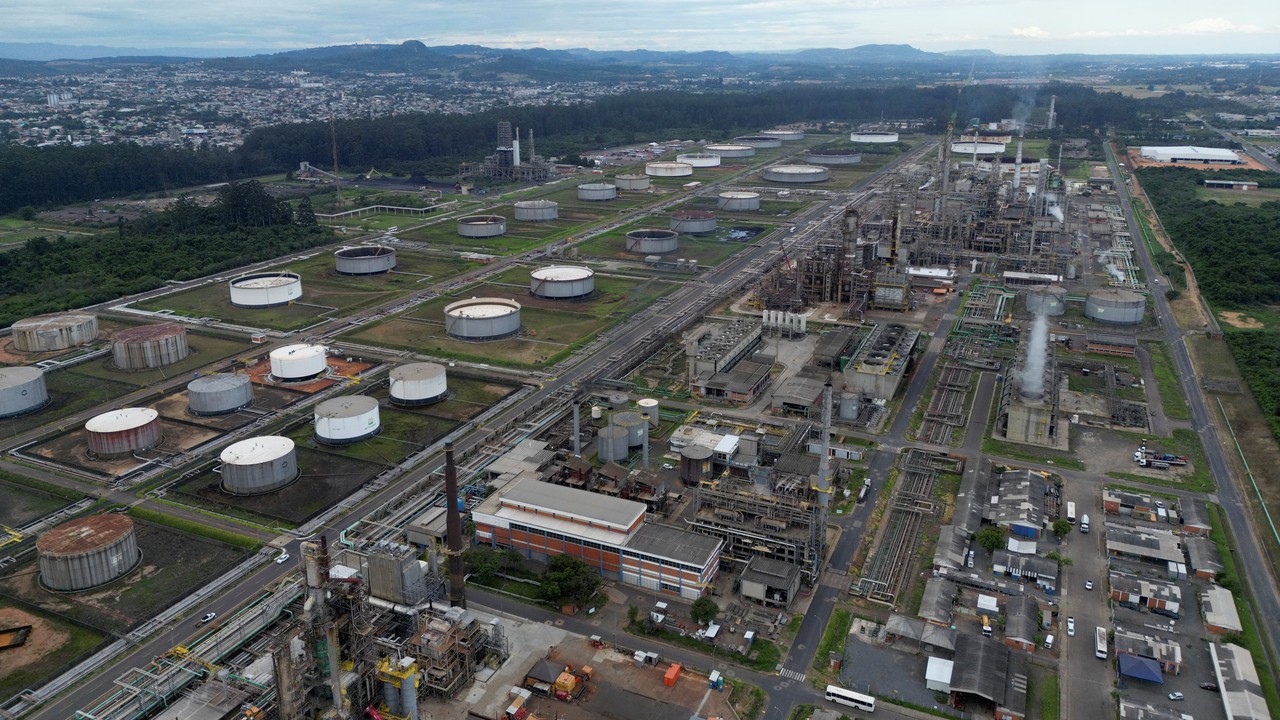
At the beginning of each month, Petrobras makes adjustments to aviation fuel prices, taking into account variables such as global oil prices and exchange rates.
-
With a record production of nearly 3 million barrels per day, Petrobras resumes importing diesel in July, highlighting the bottleneck in Brazilian refining.

-
Qantas and Airbus Invest in Company Aiming to Convert Unsorted Household Trash into Jet Fuel

-
Brazil’s ANP Opens 86 New Oil Blocks in the Equatorial Margin, Expanding the Amazon River Mouth Frontier

-
OPEC+ Boosts Oil Supply by 188,000 Barrels per Day in July 2026, Leading to Price Drop from $112 to $89 per Barrel in Under Two Months


Monopoly and Administrative Costs Impact Aviation Fuel Prices
The head of Iata in the Americas, Peter Cerda, highlighted that Petrobras’ monopoly position and the additional administrative costs charged by the supplier result in artificially inflated fuel prices for aviation.
Complaints from Airlines About Fuel Prices
Local airlines, including Azul (AZUL4), have complained about high aviation fuel prices. The CEO of Azul, John Rodgerson, stated that Brazil has ‘the most expensive fuel in the world’.
Impact of Aviation Fuel Prices on Airline Costs
Aviation fuel accounts for about 40% of an airline’s total costs in Brazil, while the global average is 30%. According to Iata, during a time of exceptionally high prices worldwide, this creates significant impacts on operational costs.
Complaints About Taxes Charged on Jet Fuel
In addition to high aviation fuel prices, airlines complain about the taxes charged on jet fuel in Brazil, stating that this negatively impacts the competitiveness of the sector.
Real Time
Ibovespa Live: Stock Exchange Fluctuates With External Factors; VALE3 and PCAR3 Drop, PETR4 Fluctuates
Global Markets Operate Mixed Ahead of Interest Rate Decisions
Source: Info Money