Portuguese
  Spanish


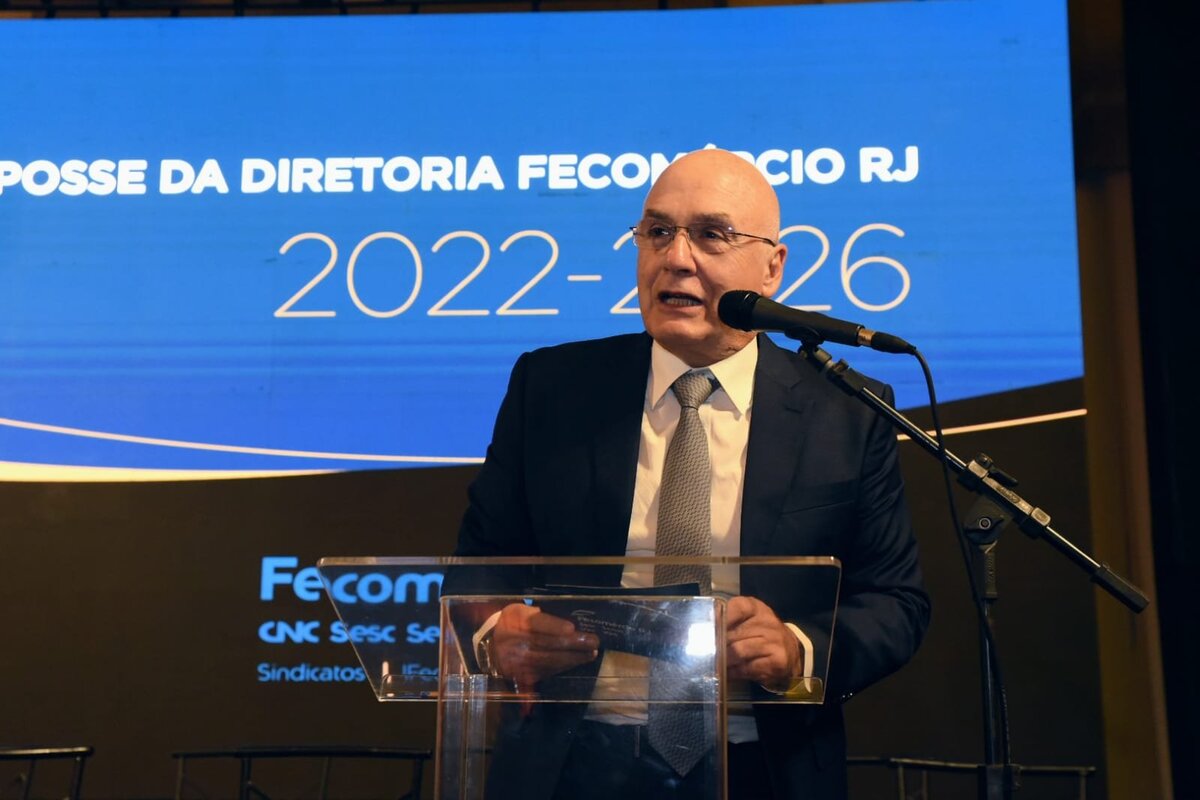

The Commerce Federation of Goods, Services and Tourism of the State of Rio de Janeiro Released a Statement Today Defending That the Central Bank Take a More Flexible Stance Regarding the Inflation Target, in Order to Allow for a Reduction in the Basic Interest Rate, the Selic.
This Statement Came Amid the Lula’s Offensive Against the Central Bank, in Which He Criticized the Current Level of Interest Rates in the Country. It Is Necessary to Discuss the Independence of the Central Bank to Review the Inflation Target and the Interest Rate, Which, Due to Numerous Existing Technical Evidence, Have Been More Detrimental to Economic Performance Than a Mechanism to Combat Inflation.
According to the Document Signed by the President of Fecomércio RJ, Antonio Florencio de Queiroz Junior, Theory Suggests That a Low Inflation Target Can Represent Institutional Advances. However, In Practice, This Target Has Not Been Consistent With the Performance of the Brazilian and World Economies. Thus, It Is Possible to State That the Current Inflation Standard Is Out of Step With the Economic Reality of the Countries.
The Central Bank Has Applied Considerably High Rates, Which Is Not Ideal to Achieve Its Objectives. Given This, It Is Important to Discuss the Flexibility of the Targets, So That It Is Possible to Reduce Rates Within the Limits of the Current Economic Reality, As Advocated by Fecomércio RJ.
-
Has the charge for sitting together ended? Anac confirms that minors under 16 have the right to a seat next to their guardians without an extra fee, and airlines may be penalized for failing to comply with the new rule.

-
After nearly two decades in operation, the Grupo Dass shoe factory ends production, confirms 150 layoffs, and shows how the drop in orders changed everything.

-
Pizza Day highlights a curious contrast in Brazil: while 13 new pizzerias open every day, the price of mozzarella skyrockets, and the country’s most beloved dish weighs increasingly on family budgets.
-
It’s official: Petrobras takes 75% of block 3 in São Tomé and Príncipe and debuts as an offshore operator outside South America.


According to an Article from Estadão, the Government Has Been Engaged in a Tug of War With the President of the Central Bank Regarding the Inflation Targets. The PT Member Has Argued That These Goals Are Too Low and That Pursuing Such Targets Limits Brazilian Economic Growth. This Situation Reinforces the Expectation That Lula Intends to Change the Existing Inflation Targets to Mitigate the Risks of Recession.
Guilherme Boulos Declared That There Is No Consensus in the Government’s Base to Revoke the Central Bank’s Autonomy (BC).


On Wednesday, July 8, Guilherme Boulos (SP) Declared That There Is No Consensus Among the Parties in the Government’s Base in the House Regarding Support for the Bill That Revokes the Autonomy of the Central Bank. However, the Deputy Stated That He Will Request That the Parties in the Base Sign a Request Proposed by the PSOL to Invite the BC President, Roberto Campos Neto, to Attend the National Congress to Explain the Conduct of Monetary Policy.
Yesterday, the Socialism and Liberty Party (PSOL) Announced a Bill to Revoke the Autonomy of the Central Bank (BC), as the President Intensified His Criticism of the Basic Interest Rate, the Selic, Maintained at 13.75% by the Monetary Policy Committee (Copom) Last Week.
Right After a Meeting of the Government’s Political Council on This Date, the Minister of the Institutional Relations Secretariat, Alexandre Padilha, Informed That There Is No Initiative on the Part of the Government to Change the Central Bank’s Autonomy Law, Although Lula Wishes to Discuss the Issue Regarding Interest Rates. For Boulos, Leader of the PSOL in the Chamber of Deputies, Roberto Campos Neto Acts with the Intention of Sabotaging the Economic Recovery of the Country.