





 Portuguese
  English
  Spanish
  2 min of reading
  0 comments


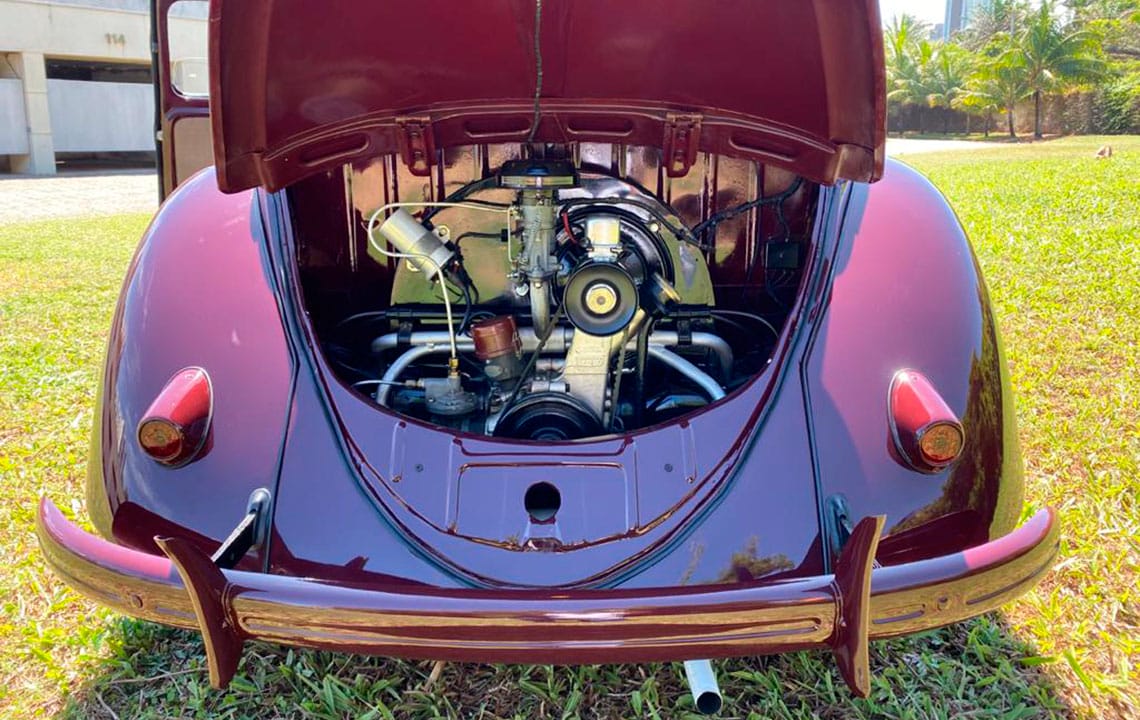
The Air-Cooled Engine: An Innovation of the 1920s by Ferdinand Porsche That Revolutionized the Automotive Industry. Used in the Iconic Beetle, It Relied on Air for Cooling. Despite Its Limitations, Such as Overheating While Stationary, It Marked an Era and Is Still Remembered by Enthusiasts.
In a dive into automotive history, we highlight an innovation that left its mark: the air-cooled engine, also known as Air Cooled. Designed by Ferdinand Porsche at the end of the 1920s at the request of the German government, this visionary system aimed at creating more accessible automobiles, like the Beetle.
The Beetle and the Air-Cooled Engine: A Duo That Changed the Course of Automotive History
In the historical context of World War II, the German government used the air-cooled engine to equip one of the most iconic and globally recognized cars, the Beetle.
The Air Cooled not only powered vehicles during critical moments in history but also stood out for its technical ingenuity.
-
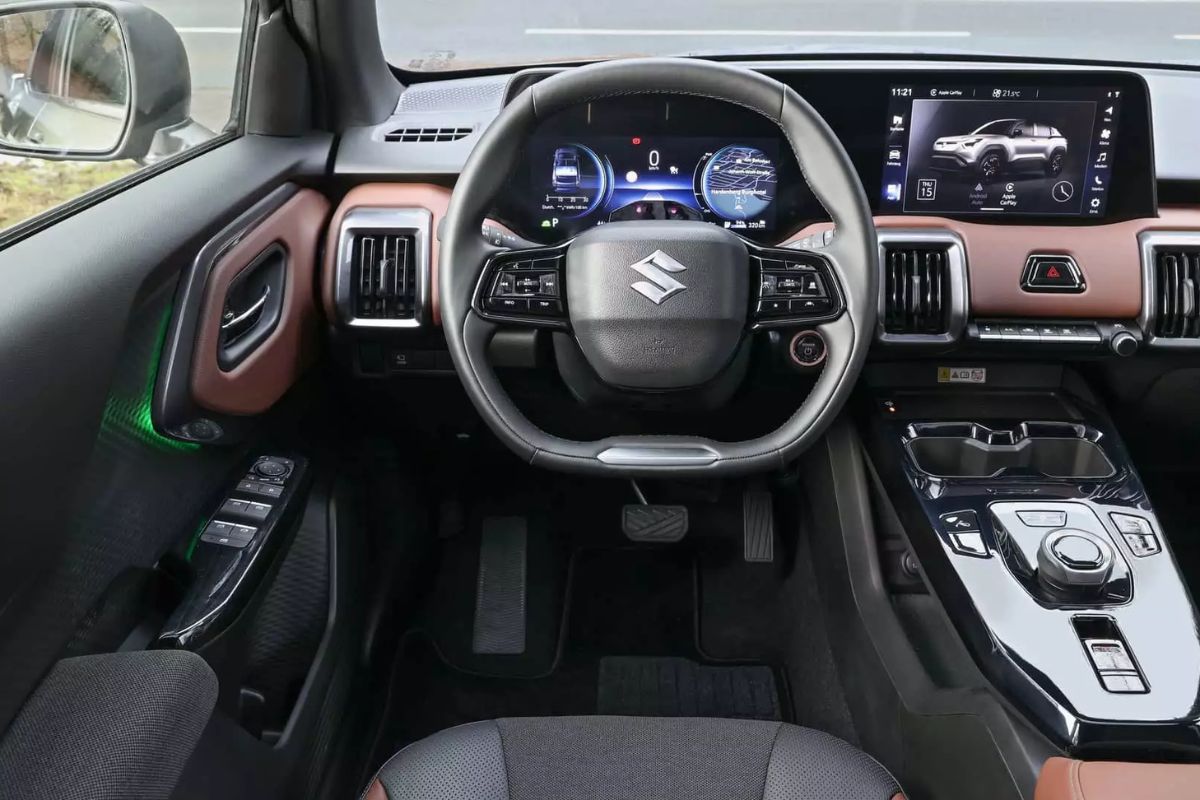
The 2026 electric Vitara arrives in Brazil and proves that Suzuki is not leaving: 4×4 traction, 184 hp, 61 kWh LFP battery, 293 km range, R$ 259,000, and a trunk capacity of 224 L.
-
Hyundai has unveiled the Boulder, a square SUV with a body-on-frame design, 37-inch mud tires, and carriage-style doors that seems to be made to take on the Ford Bronco and the Scout Traveller in the United States.

-
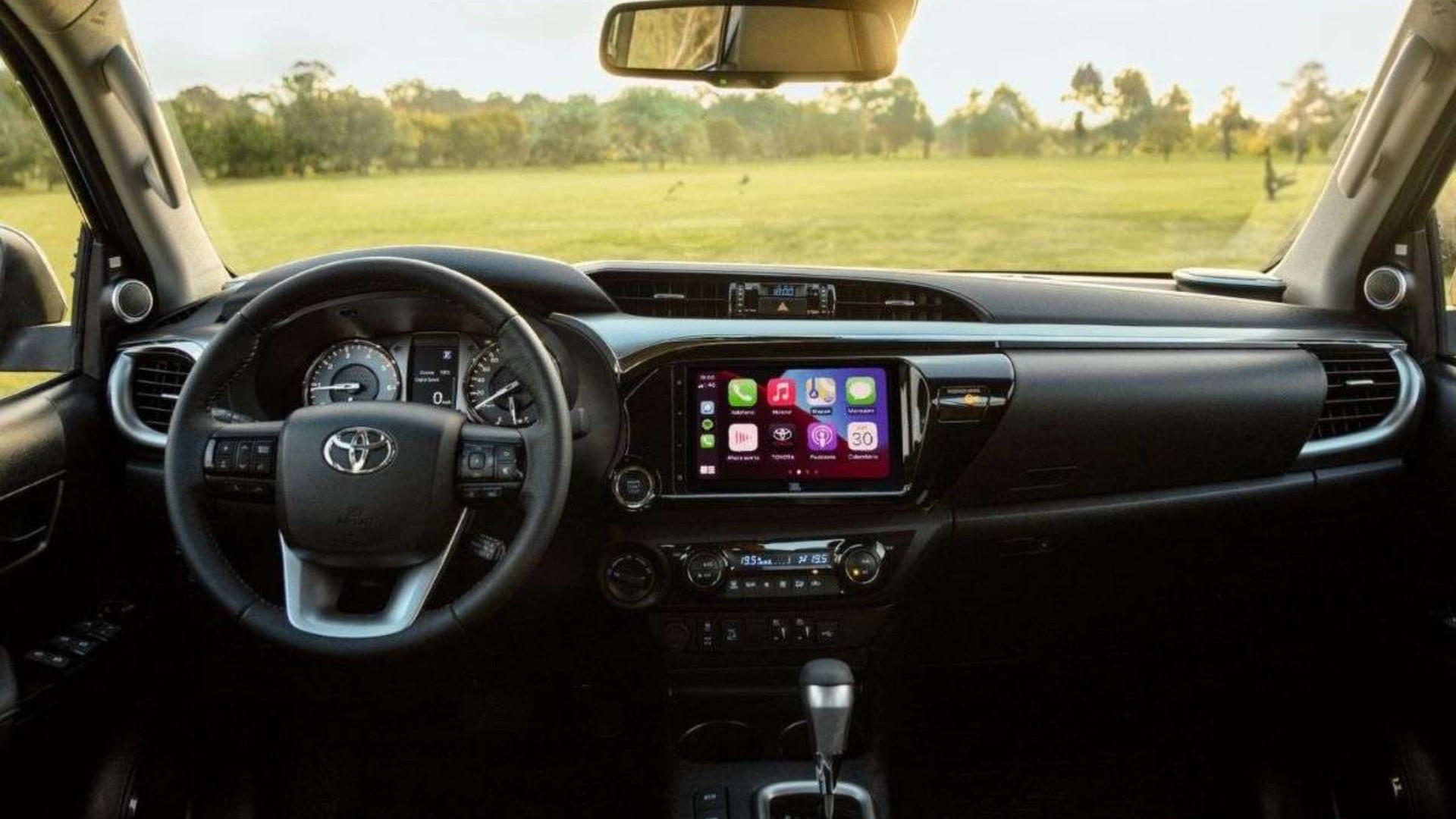
The Toyota Hilux is R$ 75.5 thousand cheaper and bets on the 2.8 turbodiesel engine with up to 204 hp and 50.9 kgfm to catch up with the VW Saveiro, which leads with 4,472 sales.
-
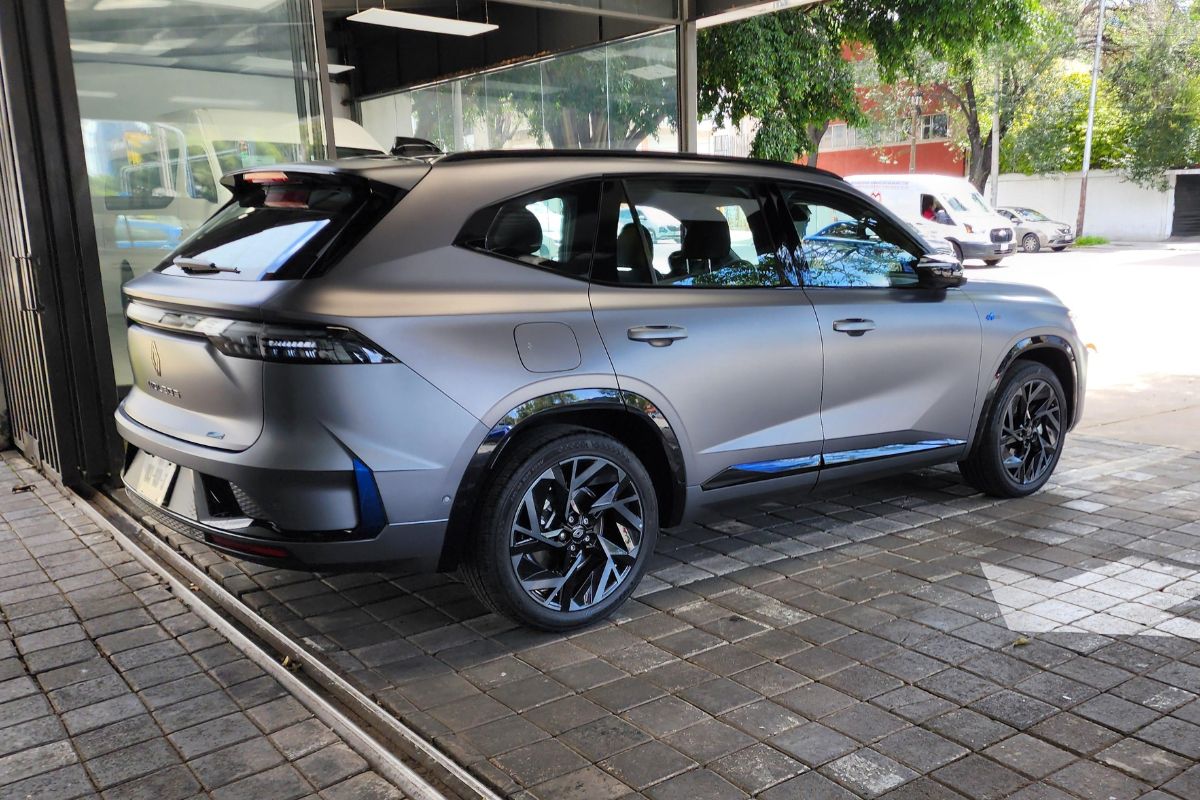
The new Renault Koleos has a screen exclusively for the passenger that is invisible to the driver, heated rear seats, and 29 assistance systems, but its Chinese competitors cost R$ 40,000 less and deliver more power.

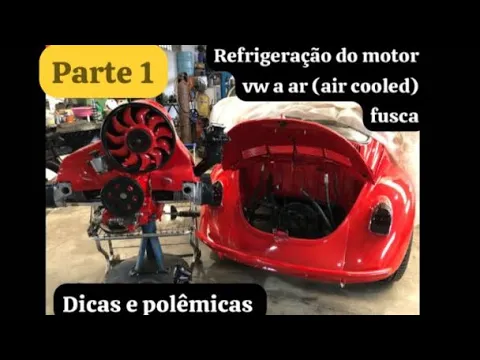
This type of engine, unlike conventional ones, relies on the flow of atmospheric air to dissipate the heat generated during its operation.
Atmospheric air is absorbed and compressed by the engine’s first piston, directing it to the spherical chamber and being injected under high pressure into the cylinders.
This process, in turn, moves the piston and releases energy to propel the vehicle.

Challenges and Limitations: Understanding the Disadvantages of Air Cooled
Although it is a cheaper and simpler solution, the air-cooled engine has its disadvantages.
Notably, it does not cool the system when the car is stationary, and its parts tend to expand more quickly under high temperatures, accelerating wear.
This characteristic is a point of concern for enthusiasts and owners of vehicles equipped with this technology.
It is interesting to note that, at its peak, the air-cooled engine captured a significant share of the automotive market.
However, with the advancement of technologies and the search for more efficient and sustainable solutions, this technology gradually ceased to be manufactured.
Yet, we can see that despite its disadvantages, the air-cooled engine played a crucial role in the evolution of automobiles.
Its legacy lives on in the classic vehicles that still roam the streets and in the memories of those who appreciate the technical ingenuity behind this innovation.
In an ever-changing automotive world, it is always fascinating to revisit past technologies that shaped the industry.
The air-cooled engine, with its peculiarities and unique contributions, remains an intriguing chapter in the history of automobiles.
Source: CanalTech










Seja o primeiro a reagir!