





 Portuguese
  English
  Spanish
  3 min of reading
  0 comments


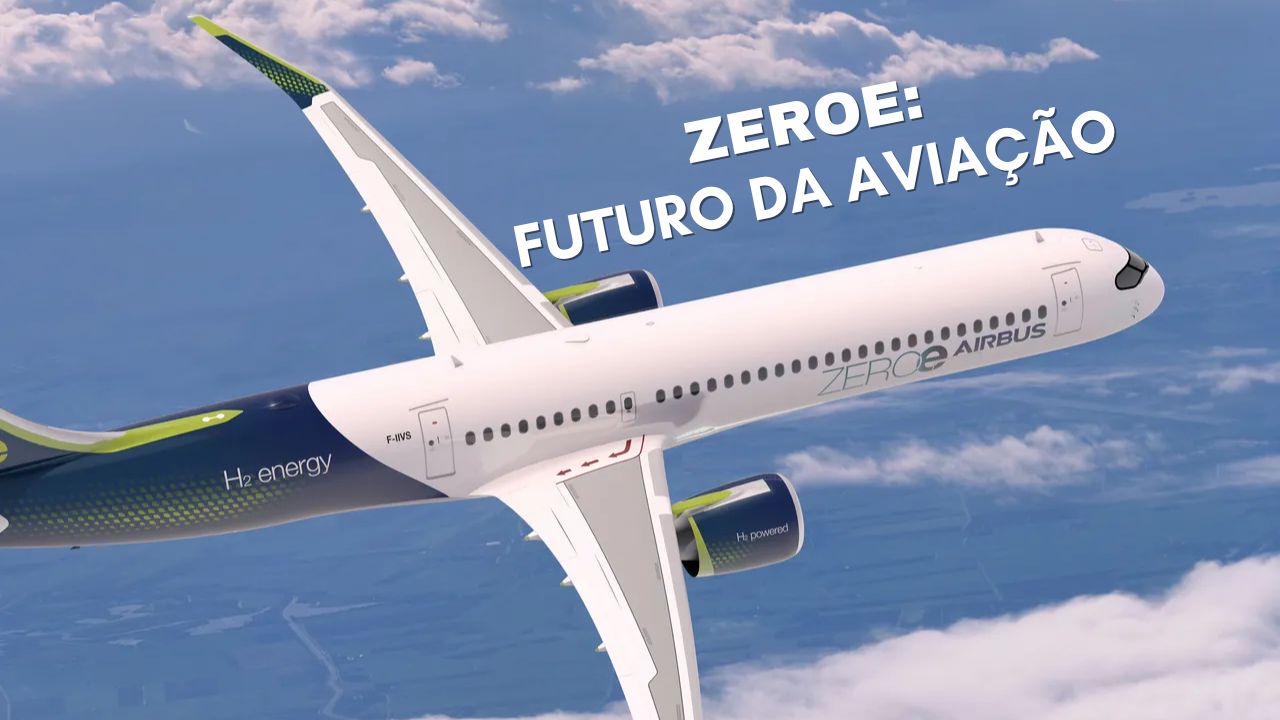
Airbus ZEROe Model Aims to Eliminate Emissions and Inaugurate a New Era for Global Aviation by 2035
Airbus has taken a bold step toward the future of aviation by revealing the ZEROe concept, a hydrogen-powered aircraft. Focusing on sustainability, the project aims to completely eliminate carbon emissions from commercial flights by 2035. The aircraft features a combination of fuel cells and electric propulsion, promising to radically transform the industry, which is currently under pressure from global climate goals. According to the portal Interesting Engineering and announcements from Airbus itself, the ZEROe represents a concrete bet on the viability of hydrogen as a clean and efficient solution.
Airbus Bets on Hydrogen as the Engine of the Future
Airbus is heavily investing in sustainable alternatives to aviation kerosene, with hydrogen emerging as the key player in this transformation. The ZEROe project, unveiled by the European manufacturer, incorporates fuel cells that convert hydrogen into electrical energy, emitting only water vapor as a byproduct. According to Airbus, each of the aircraft’s four propellers is powered by an independent system, offering redundancy, safety, and energy efficiency, crucial factors for the aviation of the future.
Technological Partnership Accelerates Development

To enable the storage and use of hydrogen in commercial flights, Airbus has formed a strategic partnership with Air Liquide Advanced Technologies. Together, the companies developed the LH2BB (Liquid Hydrogen BreadBoard), an advanced testing system located in Grenoble, France. This experimental base is considered essential for refining the technologies that will allow safer and more economically viable flights with liquid hydrogen. This information was disclosed by Airbus during its latest technical conference.
-
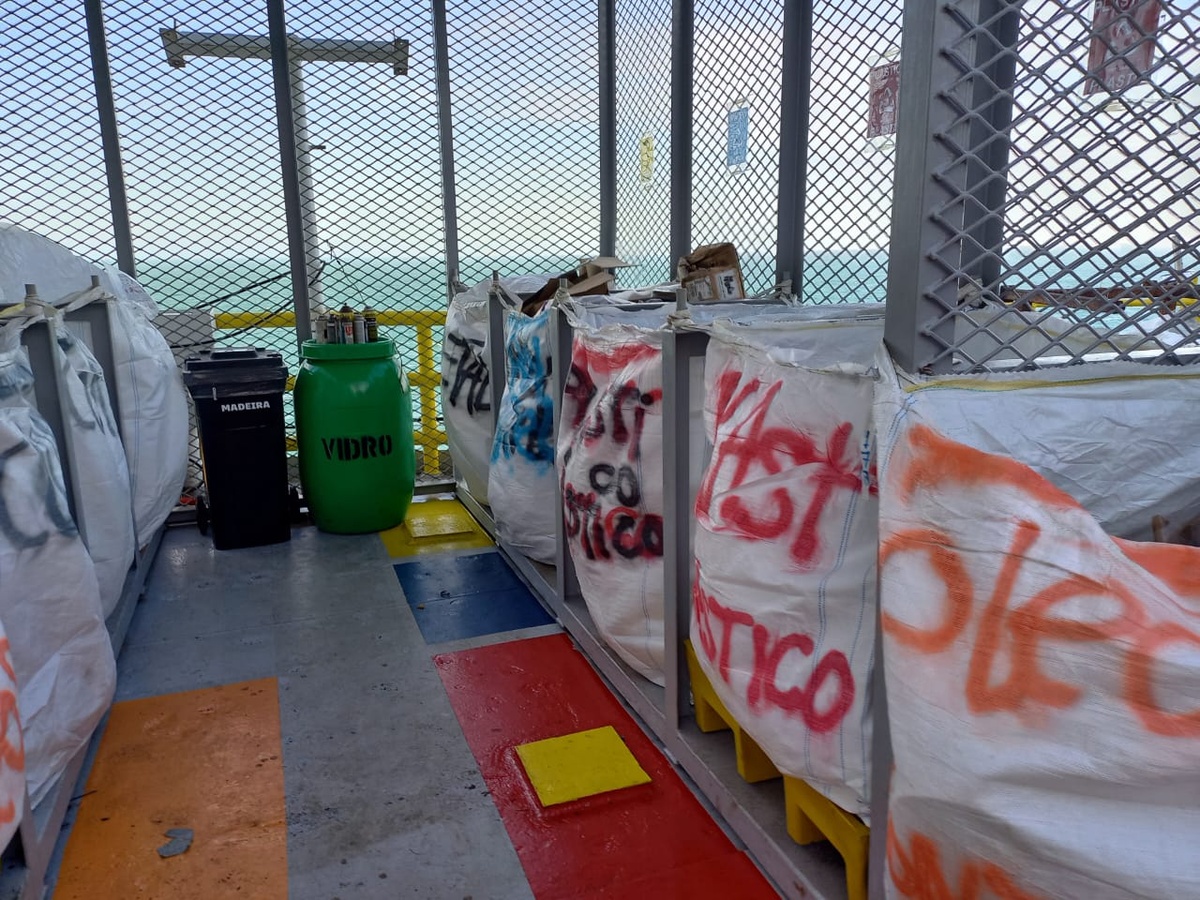
Foresea achieves 100% offshore waste reuse in 2025, eliminates landfill disposal, and consolidates sustainable strategy with 1,500 tons recycled.
-
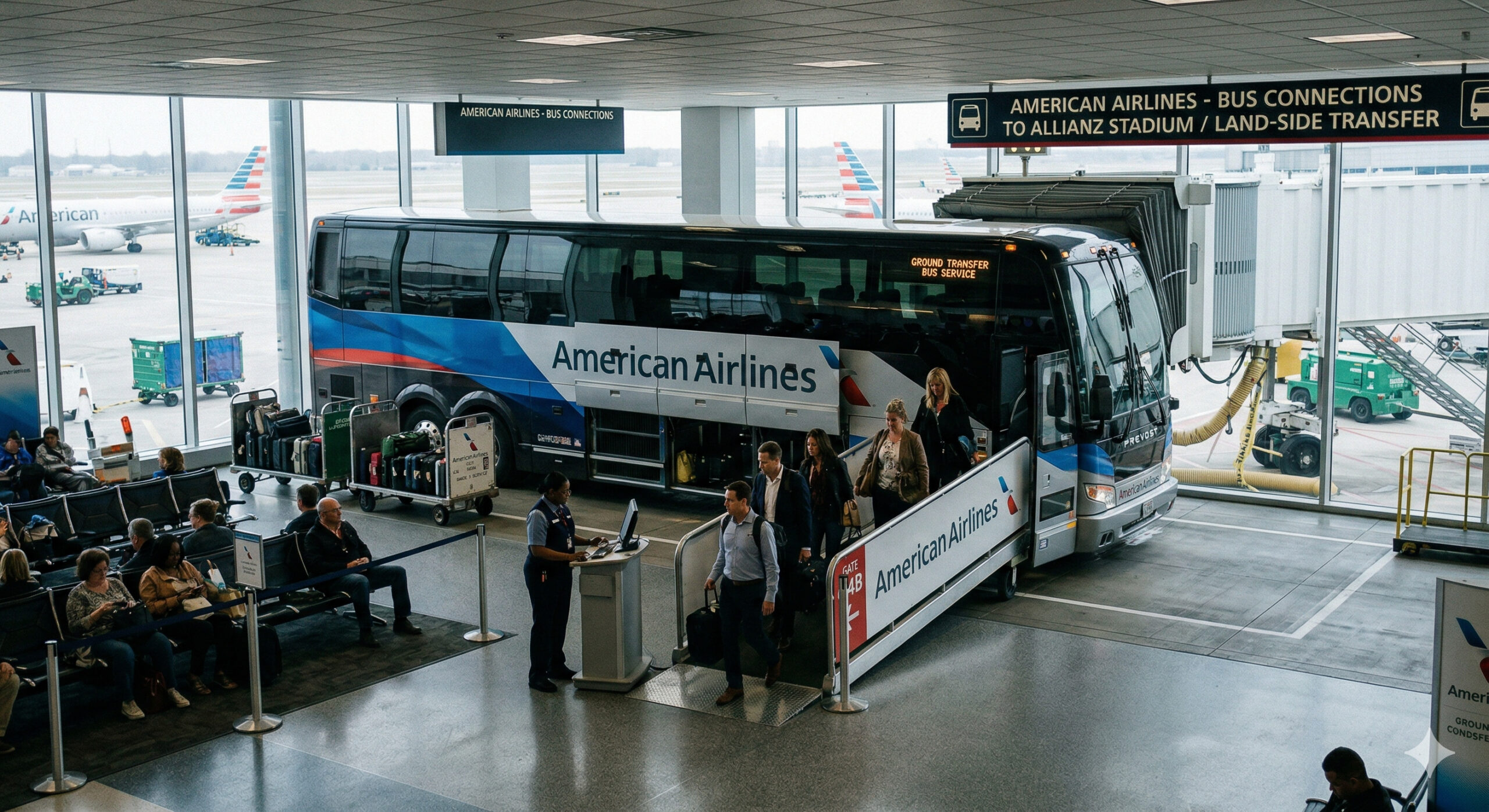
American Airlines starts selling trips as if they were flights, with check-in and baggage check at the airport, but on short routes, passengers board luxury buses connecting cities to major hubs in the U.S.
-
With earth, bamboo, straw, and lime mortar, a specialist builds a house for just over $460 and draws attention for its cost being much lower than traditional construction.

-
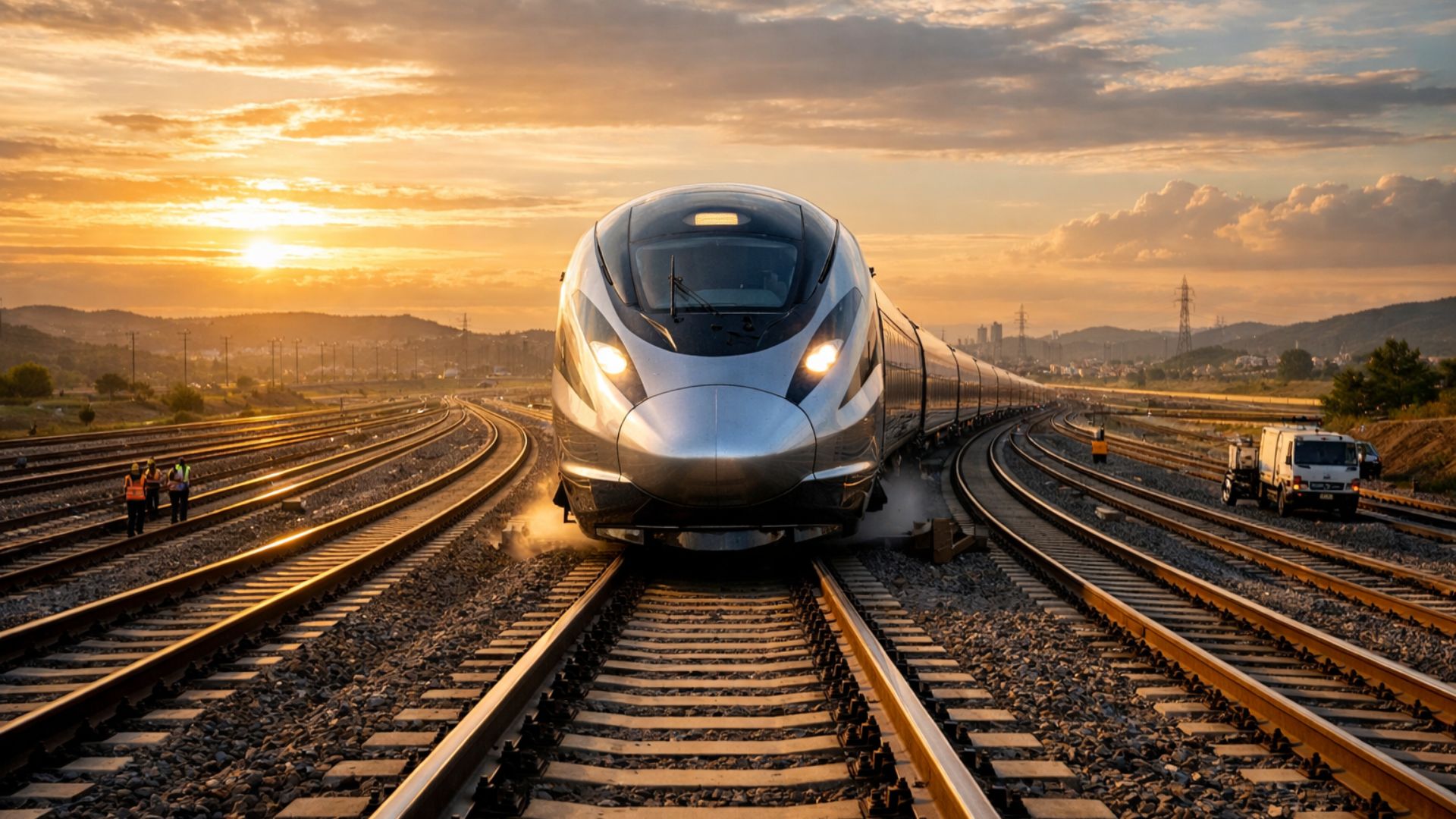
São Paulo surprises the world with a colossal railway network project that promises over 1,000 km of tracks, R$ 194 billion in investments, and 40 projects connecting the capital to the interior with fast and sustainable trains.

ZEROe as the Symbol of Decarbonization in Aviation
The ZEROe concept is not just a new aircraft but a symbol of Airbus’s commitment to carbon neutrality in the aviation sector. The company had already announced ambitious plans to reduce its environmental footprint and now presents a project that puts that discourse into practice. The portal Interesting Engineering highlighted that Airbus is also investing in complementary solutions such as sustainable aviation fuels (SAF), air traffic management intelligence, and operational efficiency technologies, all aligned with the global goal of low or zero emissions aviation by mid-century.
Technical and Structural Challenges Are Still on the Radar
Despite the optimism surrounding the ZEROe, Airbus acknowledges that significant hurdles remain. The hydrogen supply chain, airport adaptations, and international regulations for this type of fuel require global cooperation. A report by Reuters highlighted that the company may delay project stages if infrastructure advancements do not keep pace with technology. Nevertheless, Airbus remains steadfast in its belief that hydrogen is the most promising alternative to transform the sector definitively.
When Can the Airbus Aircraft Actually Take Off?
Airbus aims to get the ZEROe in the air by 2035, but more robust testing should occur in the coming years. The current prototype serves as a study base that could give rise to different variants, such as regional and medium-sized aircraft. According to Airbus, the schedule will be strict yet flexible enough to adapt to technical and commercial realities. Thus, the manufacturer reinforces its position as one of the global leaders in the transition to sustainable aviation, competing with other giants still exploring alternative paths to hydrogen.









-

Uma pessoa reagiu a isso.