





 Portuguese
  English
  Spanish
  3 min of reading
  0 comments


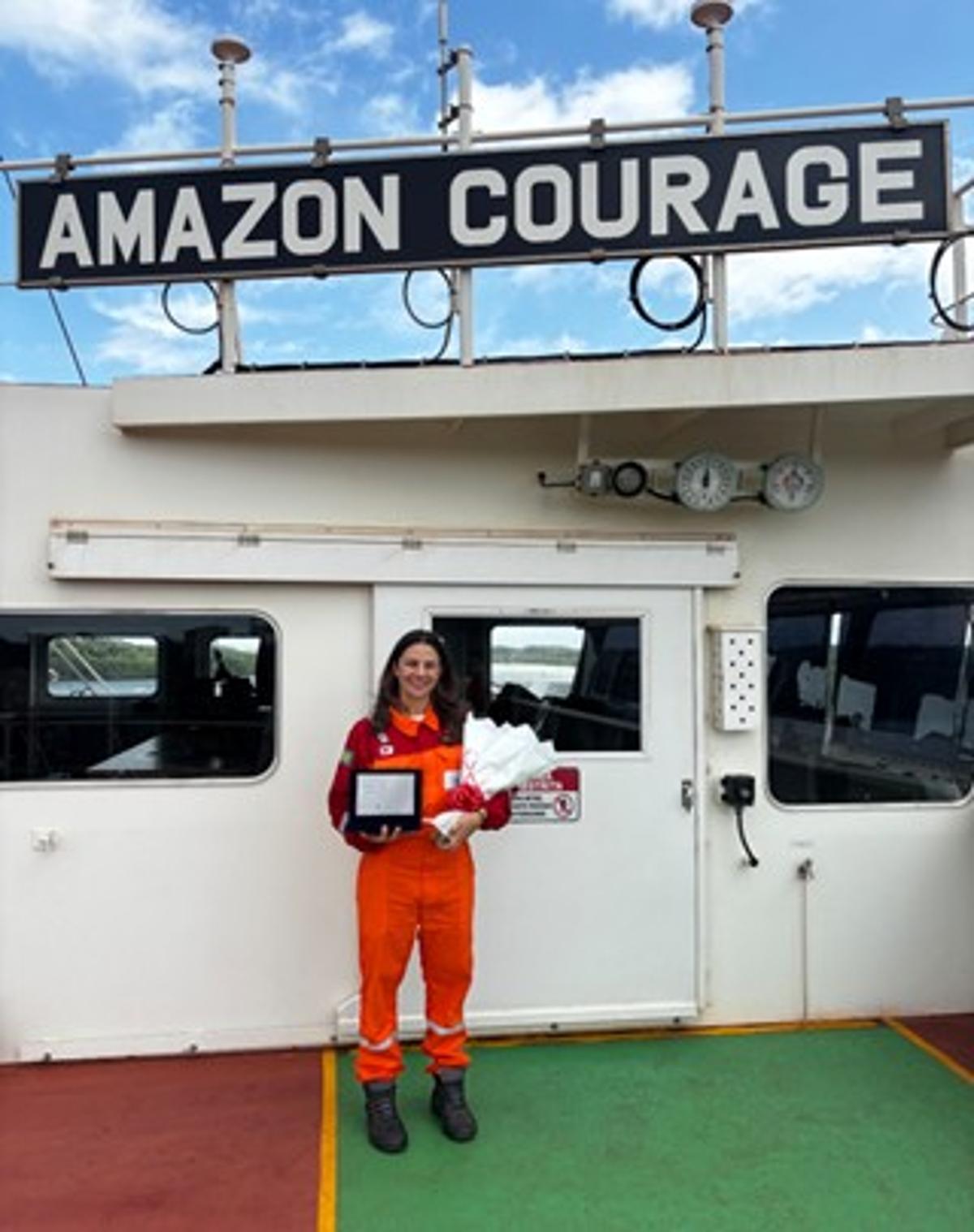
Advancement in female leadership in the maritime sector highlights representation, strategic logistics, and commitments to diversity in Brazil
Initially, Brazilian navigation records a significant advancement in gender equity, while Alcoa and Posidonia consolidate female leadership in strategic maritime operations. Thus, Jaqueline Cristina Rocha Lopes becomes the first female captain of a bulk carrier on the route between Alumar, in São Luís (MA), and Juruti, in Pará.
Furthermore, as reported by the companies themselves, the milestone occurs within an essential logistics operation, responsible for connecting strategic units in the Amazon. In this way, the initiative reinforces the female presence in command positions, especially in high-complexity activities.
Female command on Alcoa’s strategic route
In this context, Jaqueline takes command of the ship Amazon Courage, belonging to Alcoa’s cabotage fleet and operated by Posidonia Shipping. At the same time, the Alumar–Juruti route integrates a robust logistics system, moving millions of tons of supplies annually.
-
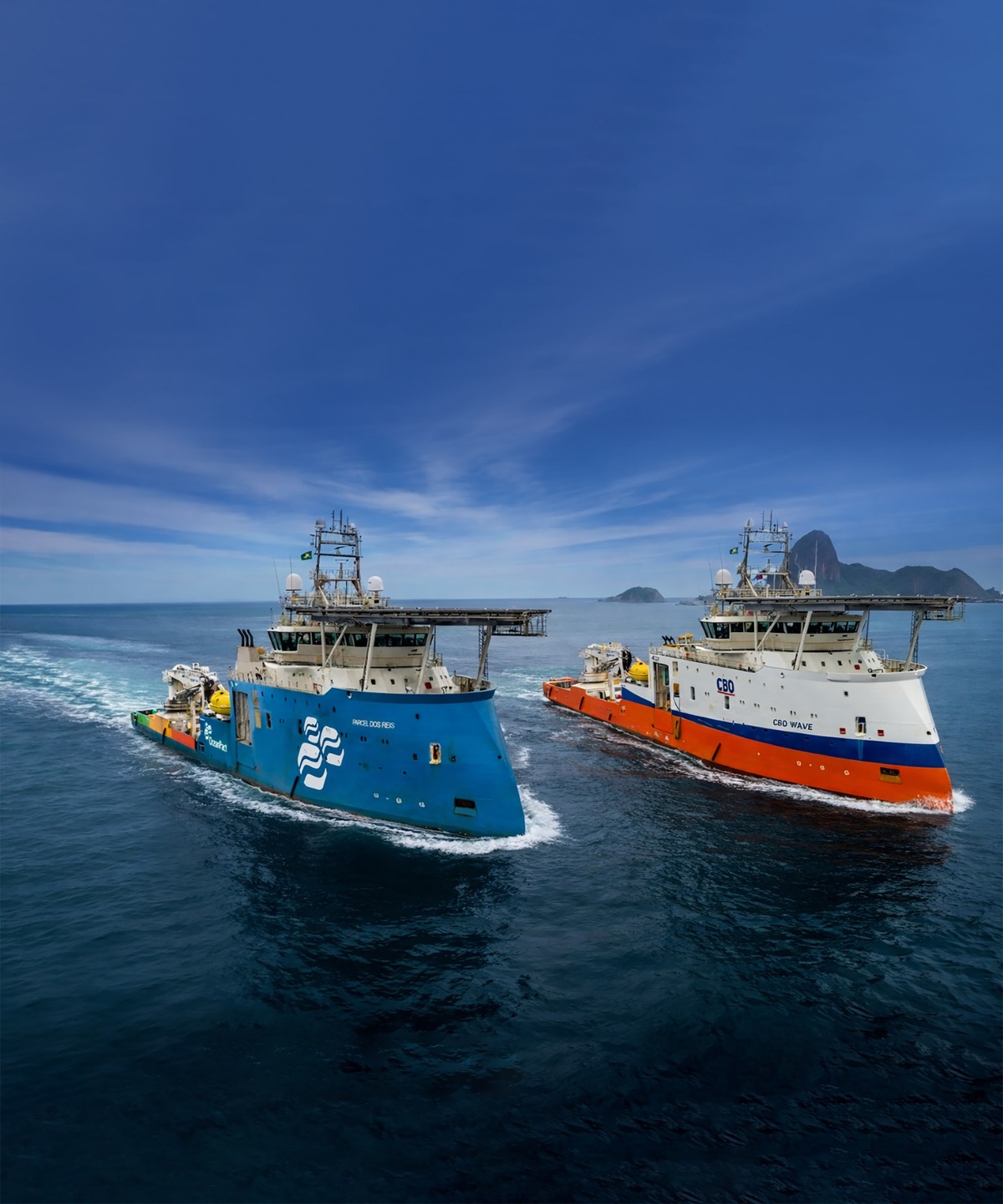
OceanPact Announces Acquisition of CBO and Creates One of Brazil’s Largest Maritime Support Structures with 73 Vessels, Annual Revenue Above R$ 4 Billion and R$ 14 Billion Backlog
-
With Extreme Winds, Giant Waves, and Unrestricted Currents, Drake Passage Is Considered the Most Violent Stretch of the Oceans

-
15th Century Merchant Ship Surprises Archaeologists

-
Odfjell Inaugurates First Operational Green Corridor Between Brazil and Europe Using Sustainable B24 on Maritime Routes and Reinforces Decarbonization Strategy
Additionally, according to Alcoa itself, this connection is considered strategic for the production chain of the mineral sector, especially in the Amazon region. Therefore, the presence of a female captain in this scenario enhances female representation in critical operations.
Female representation is still a challenge in the sector
On the other hand, Captain Jaqueline highlights the symbolism of the achievement, especially in a still unequal sector. According to her, women represent only 17% in the port sector, a figure that highlights the structural challenge.
Thus, according to an official statement, taking command goes beyond an individual achievement. Moreover, she emphasizes that the position represents a responsibility for leadership, excellence, and paving the way for other women.
Therefore, the advancement symbolizes a gradual change in the profile of the maritime workforce, focusing on inclusion and diversity.
Posidonia reinforces merit-based leadership
At the same time, Posidonia Shipping, responsible for crew management, highlights that the appointment reflects a consistent movement towards technical appreciation. According to CEO Abrahão Salomão, the female presence in command positions demonstrates the maturity of the Brazilian maritime sector.
Moreover, he states that Jaqueline is the first captain of the company in cabotage, which reinforces the pioneering nature of the initiative. In this way, merit-based leadership gains prominence, strengthening modern management practices.
Alcoa expands diversity in leadership in Brazil
Meanwhile, Alcoa reports that 34% of leadership positions in Brazil are held by women, a result of structured inclusion policies. Thus, according to Eduardo Saraiva, director of Transportation and Cabotage, Jaqueline’s presence in command reinforces the commitment to diverse and efficient environments.
Furthermore, the company highlights that diversity is present in both administrative and operational areas, which amplifies the impact of internal initiatives. Therefore, the advancement is not isolated, but part of a global strategy.
ESG agenda and impact on the maritime sector
Finally, the initiative also connects to the companies’ ESG agenda, integrating human development, logistical efficiency, and responsible action in the Amazon. Thus, Alcoa and Posidonia contribute to a more inclusive and competitive sector, aligned with the best international practices.
Moreover, as the companies highlight, strengthening the female presence in strategic operations tends to drive structural changes in the Brazilian maritime sector.
In light of this scenario, the advancement recorded in 2026 reinforces a transformation in progress, but still developing. Thus, to what extent will the female presence continue to advance in command positions in the maritime sector?







Seja o primeiro a reagir!