





 Portuguese
  English
  Spanish
 3 min of reading


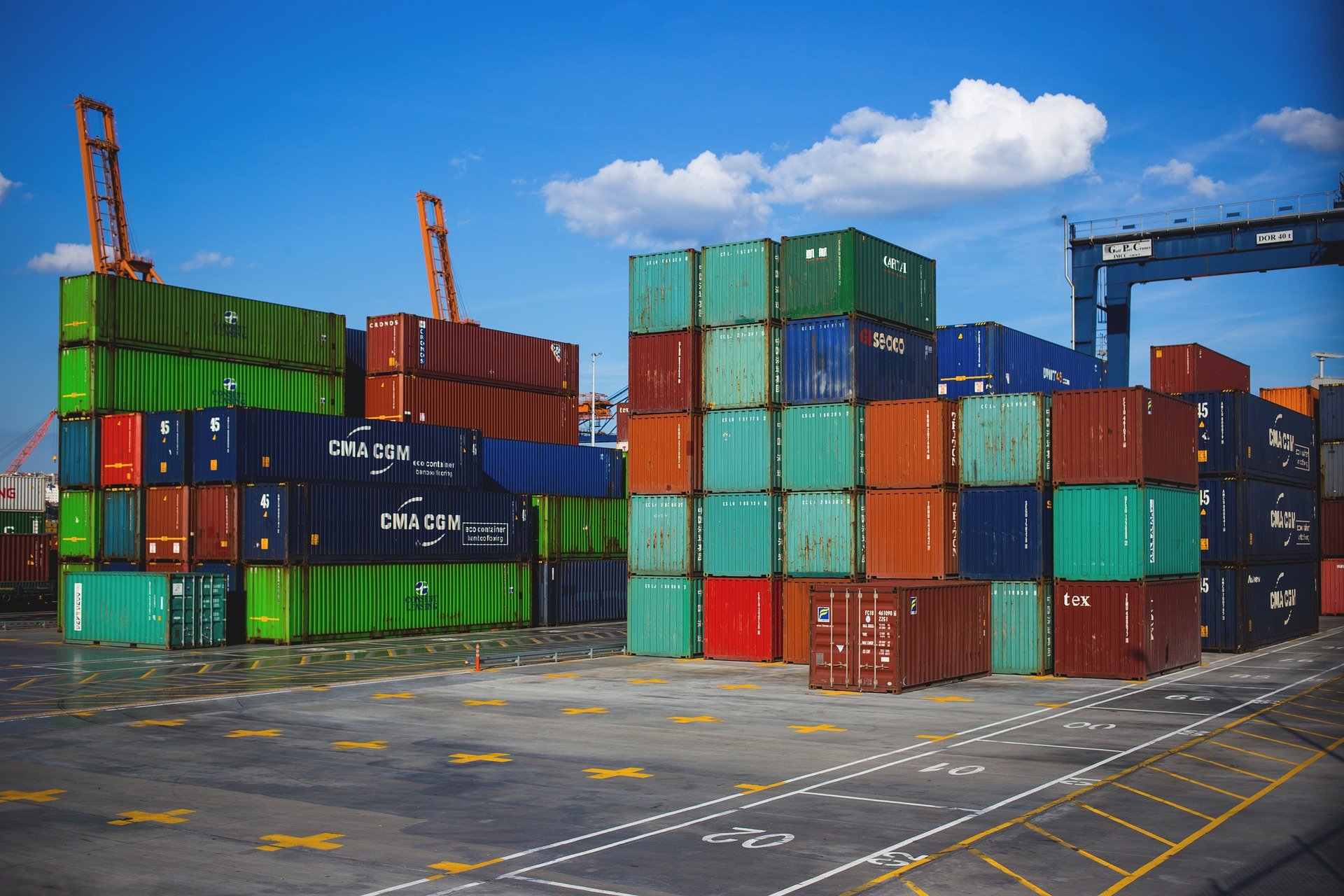
High Inflation Is One of the Factors Triggering Industrial Stagnation. Despite the Deflation Experienced in July, the Accumulated IPCA Is Still in Double Digits, Around 10.07%. The Deflation in July Was Greater Than That in 1998. This Directly Reflected on Industrial Growth.
On this Tuesday, August 9, the IBGE, Brazilian Institute of Geography and Statistics, announced a survey conducted by the Monthly Industrial Research (PIM Regional) showing that more than one-third of all states reported a decline in production and industrial growth, with some of them falling above the national average, which also decreased. Meanwhile, Pará (PA) was the leader in production, followed by Bahia (BA), Pernambuco (PE), São Paulo (SP), and finally, Santa Catarina (SC), which nearly remained stagnant with an increase of only 0.2%. The impacts of inflation have affected companies.
The national index had a decline of 0.4% in July, after four months of increases. The biggest drop occurred in the state of Mato Grosso (MT), which showed a negative variation of at least 2.8%. In second place was the state of Rio de Janeiro (RJ), which had a variation of 2.4%, and finally, Espírito Santo (ES) with a decrease of 2.3%. Other states and regions that reported results below expectations were:
- Amazonas (AM), which fell about -1.6% in its industrial productivity
- Ceará (CE), which fell about -1.4% in its industrial productivity
- Northwest Region, which fell about -0.6% in its industrial productivity
- Rio Grande do Sul (RS), which fell about -0.5% in its industrial productivity
Pará (PA) Had Growth in Industrial Productivity of at Least 9.8% After Declining Over 13%
Pará (PA) was one of the highlights of July, having shown a drop of 13% in May and managed to recover after two months, presenting an increase of 9.8%. After this state, we can mention others that also increased their productivity:
-
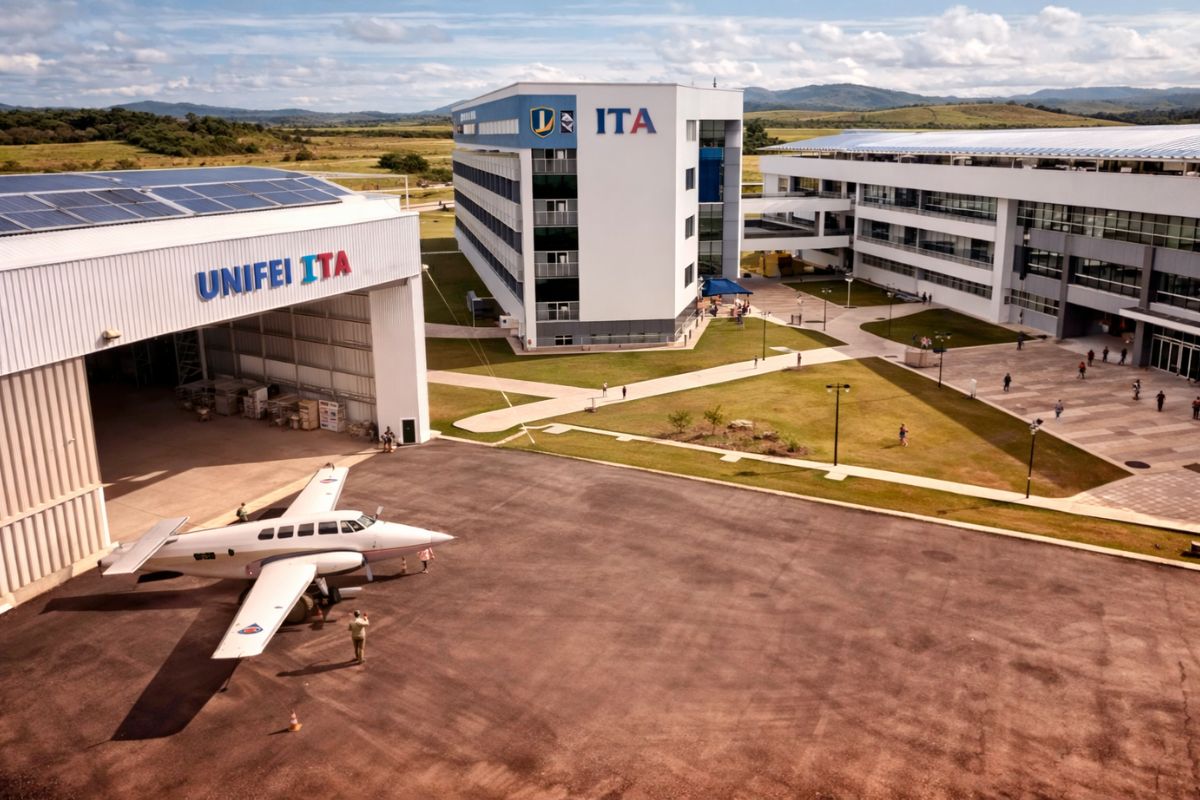
The institute that trained the greatest aerospace engineers in Brazil has just opened its first campus outside São Paulo after 75 years: ITA Ceará will have R$ 445 million, new courses in energy and systems, and classes are expected to start in 2027.
-
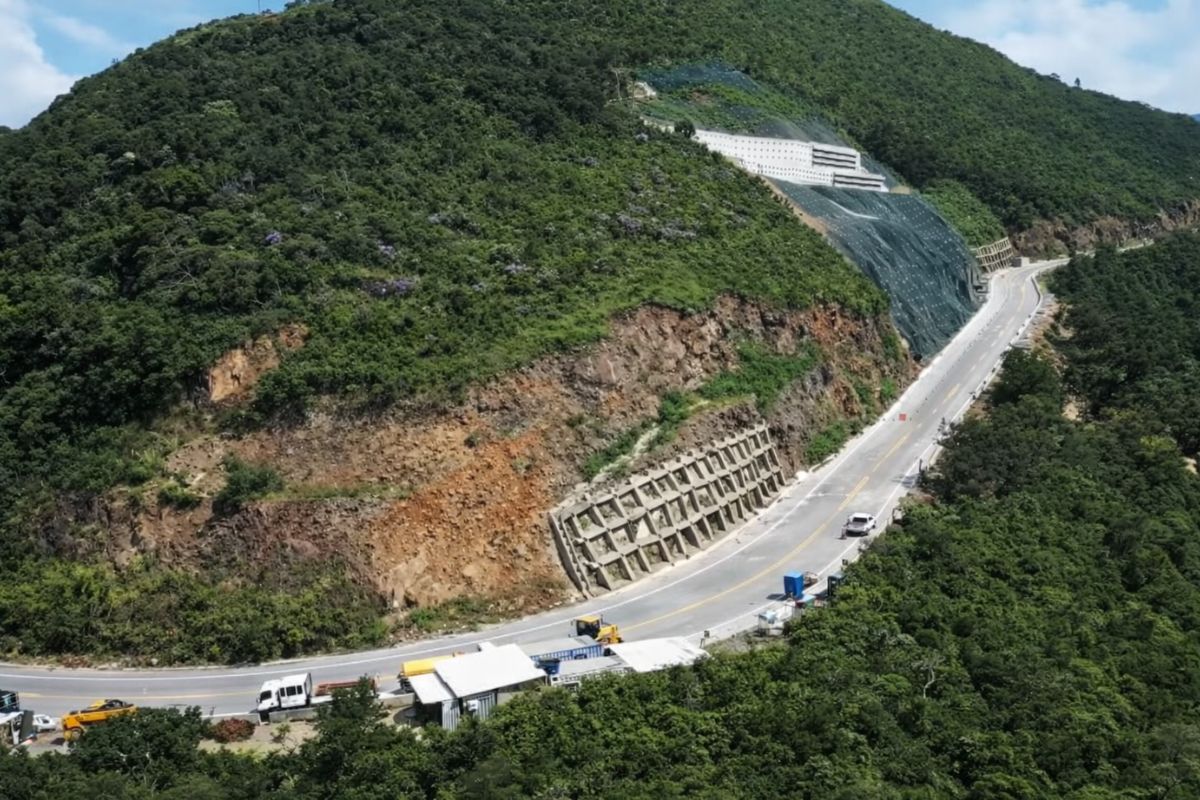
The section of Serra da Rocinha on BR-285 is now open in Timbé do Sul: 50 m tensioned curtains and top-down technique stabilize the slope, with a stairway duct controlling the water.
-
Luciano Hang, owner of Havan, goes to Juiz de Fora after the tragedy in February, brings R$ 1 million, hands out R$ 2,000 cards, and donates up to R$ 15,000 to victims in the region.

-
The Brazilian passport allows legal residence in dozens of countries without the need for a prior visa, and most Brazilians are unaware that they can apply for residency directly upon arriving in nations in South America, Africa, and even Europe.


- Bahia (BA), which increased industrial productivity by about 2.4%
- Pernambuco (PE), which increased industrial productivity by about 1%
- São Paulo (SP), which increased industrial productivity by about 0.8%
- Santa Catarina (SC), which increased industrial productivity by about 0.2%.
Rio de Janeiro (RJ) Shows Consecutive Negative Accumulation for the Second Month
While other states show alternating rates of increases and decreases, Rio de Janeiro (RJ) presents its second consecutive decline in July, accumulating a loss of 6.8% in its entire industrial productivity. Despite this, the state is currently becoming a reference in offshore hiring, that is, for acting offshore, particularly in the city of Macaé.
While Some States Remain Stagnant, Inflation Also Devours Civil Construction
The accumulated inflation for the civil construction sector from January to July reaches 9.11%. In other words, it is not only the industries that are facing problems with price increases: now, almost half of the amount spent per square meter is allocated to the labor of professionals working in the sector.
More About the PIM Regional Survey and Industrial Growth
The PIM Regional is a survey conducted since 1970 that reports on the short-term productivity of industries in Brazil and how their growth is progressing based on investments made nationally. Monthly, it provides data on various Brazilian states that account for at least 1% of the entire national industrial capacity, grouping 14 federations.









Seja o primeiro a reagir!