





 Portuguese
  English
  Spanish
  4 min of reading
  0 comments


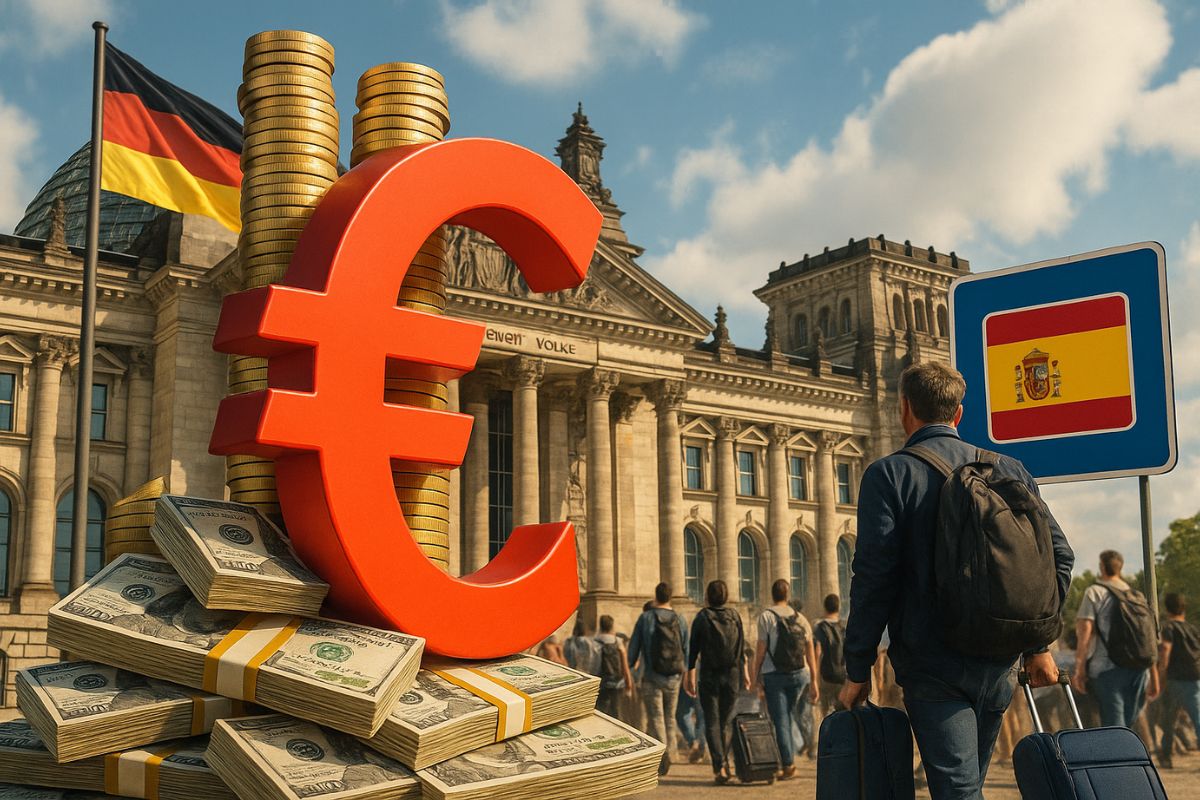
Germany In Crisis Faces Increased Taxes, Growing Bureaucracy And Loss Of Industrial Competitiveness, Prompting Citizens And Businesses To Migrate To Countries Like Spain, Where The Cost Of Living And Well-Being Are Perceived As More Balanced
According to the Olhar Internacional channel, the Germany In Crisis has been marked by a set of economic and social factors that call into question the former symbol of stability in Europe. The country faces growing fiscal pressure, expansion of the State, and declining productivity, in a scenario where taxpayers claim they are paying more and receiving less in return.
The burden of the tax load and the complexity of administrative norms cause deterred production and investment, while the efficiency of public services declines. The sum of these elements has led many citizens and qualified professionals to rethink their permanence in the country.
Increased Taxes And High Social Cost
In recent years, the German tax structure has become one of the heaviest in the European Union. Workers and businesses report that the sum of taxes on income, consumption, and social security compromises a significant part of their earnings.
-
A beach town in Santa Catarina will distribute 4 tons of sardines completely free of charge to the population next Thursday, with a limit of 2 kilograms per person, and the distribution will end when the stock runs out.

-
A YouTuber bought all the Easter eggs from the market, from the cheapest to the most expensive, weighed each one on the scale, and discovered that some brands deliver extra grams while others charge a fortune for little chocolate.

-
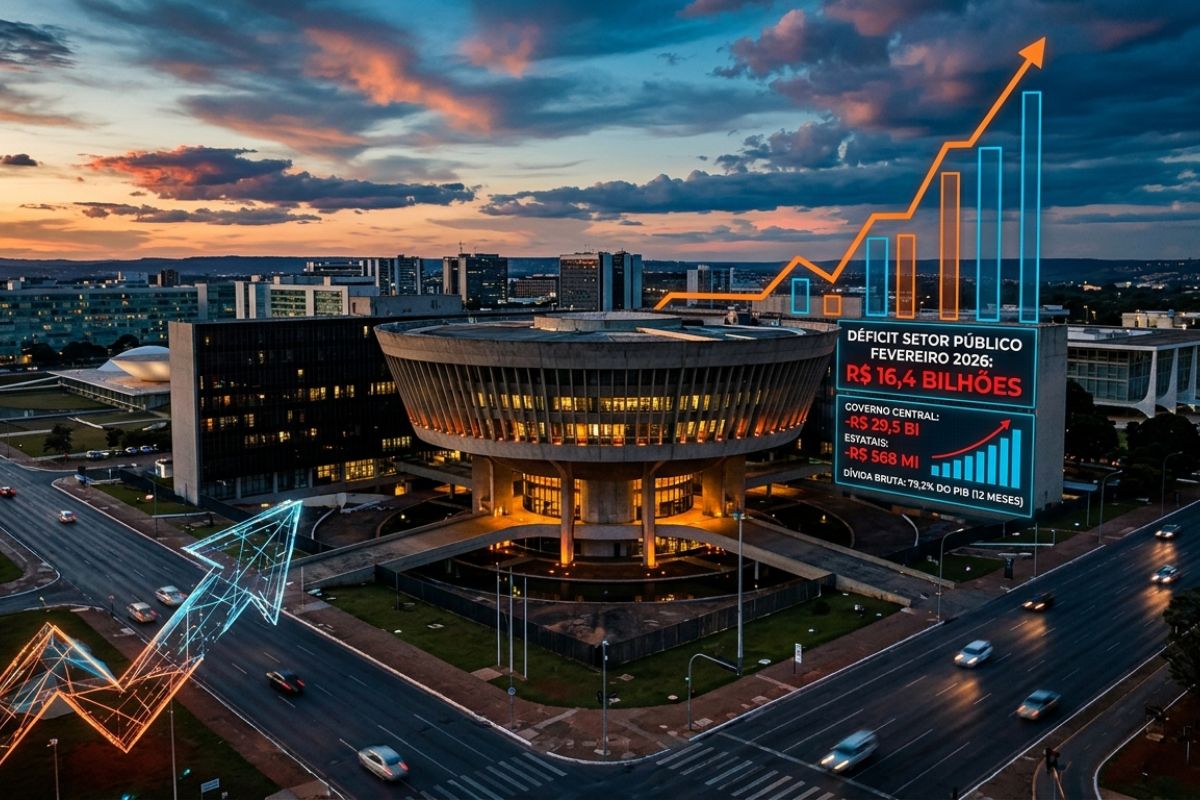
Central Bank reveals: public sector ends February 2026 with a deficit of R$ 16.4 billion; Central Government loses R$ 29.5 billion, state-owned companies R$ 568 million, gross debt rises to 79.2% of GDP in 12 months.
-
The largest executive jet in Brazil belongs to the Safra Family and is for sale: it is a 2002 Boeing BBJ, with a range of 11,500 km, 80 m² of interior space, a master suite, an office, and capacity for 18 passengers.


At the same time, the return in public services such as health and infrastructure is perceived as unsatisfactory, with long waits for medical appointments and deteriorating public transportation.
In addition to direct taxes, the German Parliament is discussing the creation of new taxes on inheritances and wealth, which raises alarms among investors.
The country, which has historically been a reference for fiscal predictability, is now dealing with increasing distrust regarding the balance between revenue and public spending.
Bloated State And Growing Bureaucracy
The recurring criticism among economists and businesspeople is that the German State has become excessively large and slow.
The number of ministries, agencies, and regulations has increased, but administrative efficiency has not kept pace.
Startups and small businesses face complex barriers, taking months to obtain licenses or access lines of credit.
This bureaucracy directly affects innovation and private investment. The result is a less competitive business environment, which, according to analysts, has contributed to the outflow of human and financial capital from the country toward more flexible economies within the European Union.
Industrial Crisis And Loss Of Competitiveness
The industrial base of Germany, responsible for a significant part of GDP, is also suffering the effects of this crisis. Industries such as automotive, chemical, and engineering are experiencing a slowdown, exacerbated by high energy costs and strict environmental policies.
Major companies like Bosch and BASF have announced significant job cuts while shifting some production abroad.
As a result, the country is facing a structural recession, marked by stagnation, moderate inflation, and low business confidence.
The former engine of Europe, supported by cheap energy and high-value exports, now finds itself dependent on more expensive sources and an internal market with reduced purchasing power.
Flight To Spain And Search For Well-Being
The social impact of this situation goes beyond the economy. The number of German citizens migrating to countries like Spain is increasing, in search of quality of life, milder climate, and more balanced everyday costs.
The cultural difference is also cited: lighter social interactions and a less competitive pace of life contribute to the perception of well-being.
Even with relatively high taxes, Spain offers better value between cost of living and personal satisfaction, as well as residence programs aimed at self-employed professionals and remote workers.
The contrast amplifies the diagnosis that the German problem is not only fiscal but structural and psychological: a society that feels the burden of lost efficiency.
A Symptom Of The West


The German crisis does not occur in isolation. Experts point out that the phenomenon reflects a broader Western trend, marked by an aging population, pressured pension systems, and governments increasingly reliant on debt.
In this context, Germany serves as a thermometer for a model that needs to be rethought.
Reforming the State, reducing the burden on labor, and restoring confidence in economic institutions are considered essential steps to avoid deepening the crisis.
Without this, the flight of talents and capital can turn a cyclical slowdown into a permanent decline.
The Germany In Crisis symbolizes the exhaustion of a paradigm that prioritized revenue and regulation at the expense of productivity and innovation.
The migration of citizens and companies to more flexible countries like Spain is both a symptom and a warning.
In your view, does Germany still have the conditions to recover its competitiveness and quality of life, or will the exodus trend tend to intensify in the coming years?








Seja o primeiro a reagir!