





 Portuguese
  English
  Spanish
  4 min of reading
  43 comments


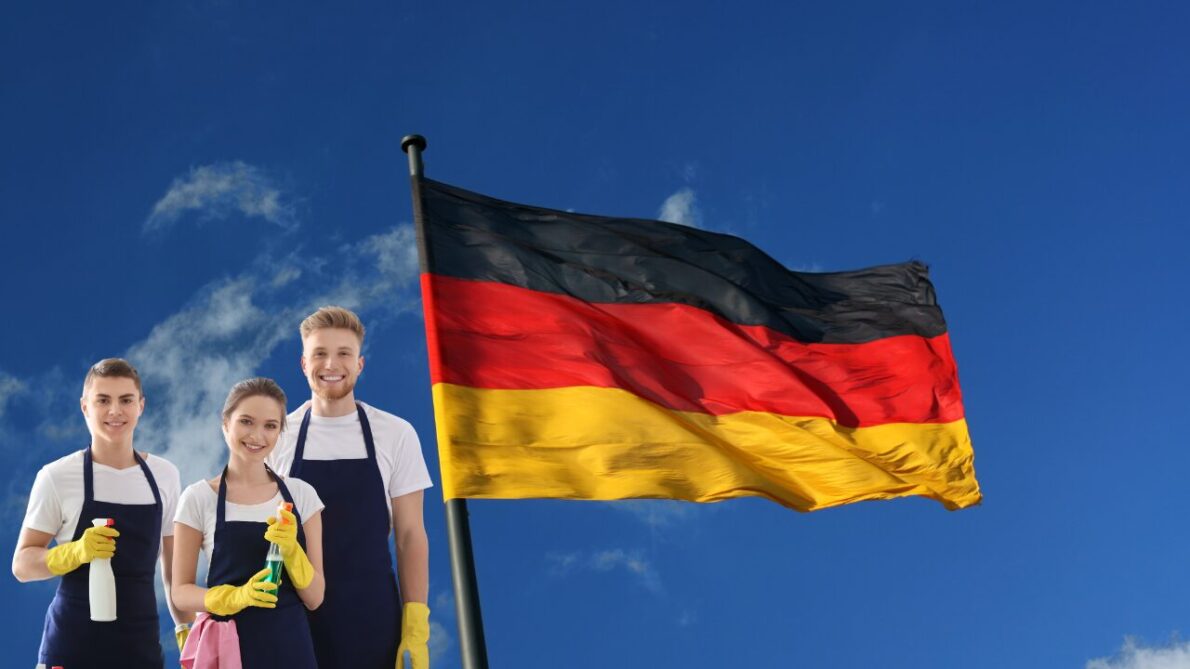

Germany Faces Significant Labor Shortage and Opens Positions for Skilled Professionals Across Various Sectors.
Germany is undergoing a critical moment regarding labor shortage. The lack of skilled workers has become a significant problem across various sectors, affecting the country’s economy and its daily operations. This challenge is not limited to a specific sector; the demand for skilled and unskilled workers is growing in areas as diverse as health, education, engineering, technology, and construction. The current scenario requires a detailed analysis to better understand the affected areas and the available positions for those wishing to relocate to the country.
Sectors Affected by Labor Shortage
The labor shortage in Germany is particularly severe in some essential sectors.
According to recent data, the lack of skilled workers is already significantly impacting several industries.
-
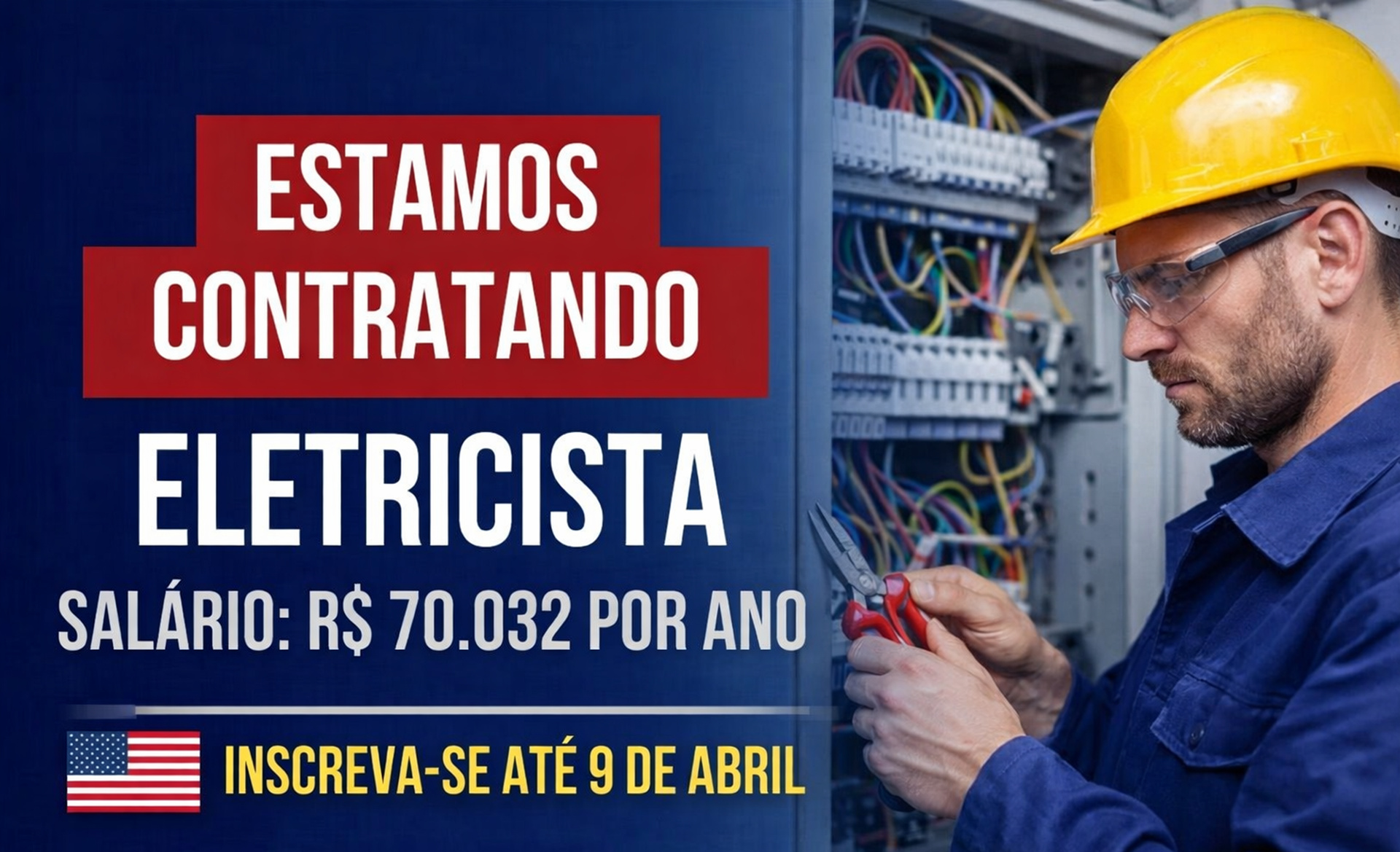
The U.S. Embassy in Rio de Janeiro opens a job vacancy for Electrician with a salary of R$ 70,032 per year; find out how to apply by April 9.
-
The Port of Santos has 120 openings for quality inspectors, and to apply, you just need to have completed high school, have basic computer skills, and go to Poupatempo to obtain the referral letter before the positions are filled.

-
Fiocruz has opened a selection process with vacancies for nurses, dentists, and psychologists, with salaries that can reach nearly R$ 8,000 including the preceptorship grant.

-
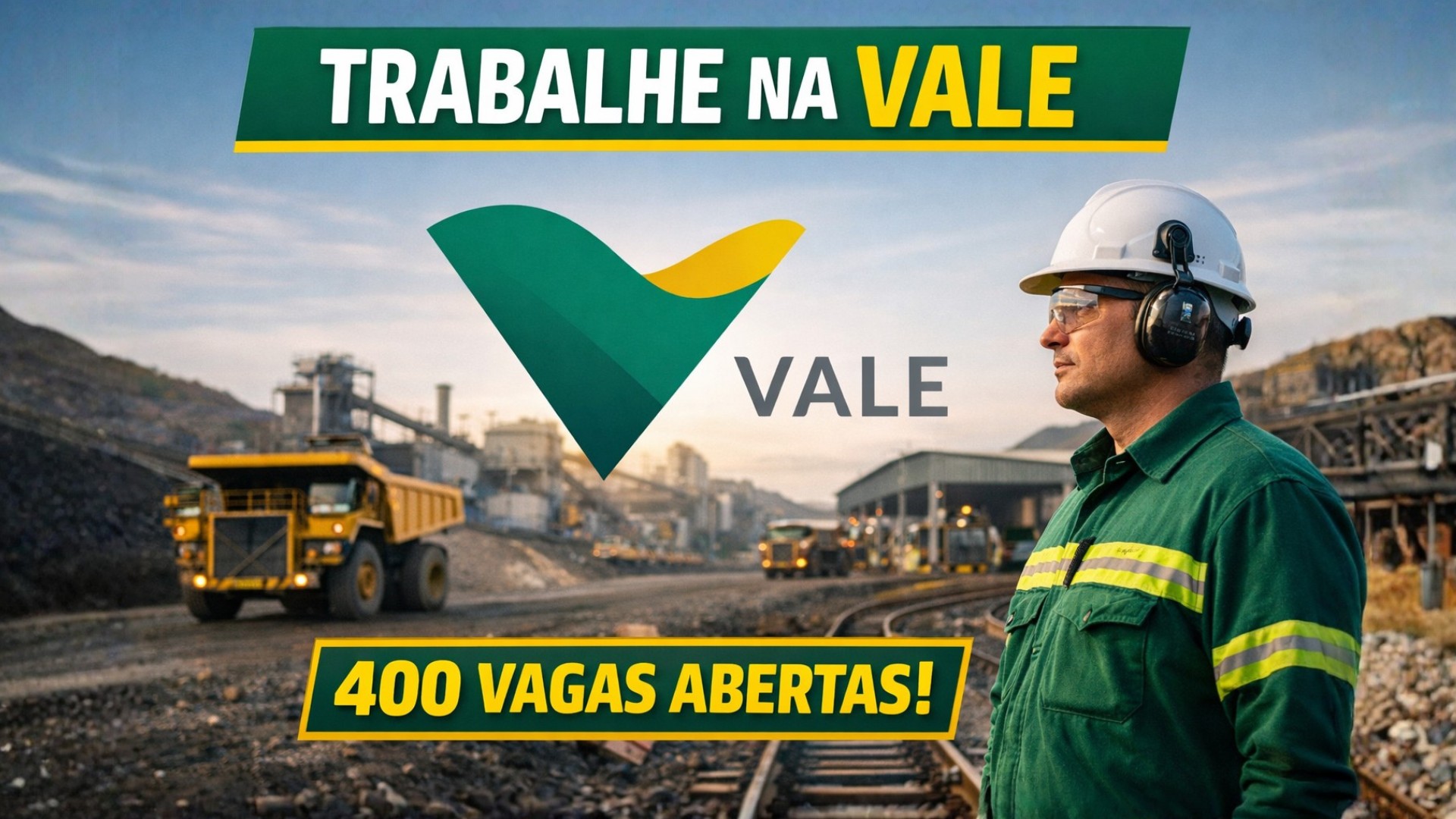
Work at Vale! The company is recruiting individuals with high school, technical, and higher education in areas such as maintenance, operations, and technology, with 400 immediate openings in 6 states, salaries of up to R$ 10,000, and 100% online applications.

The service sector is one of the most affected, with 42% of companies reporting difficulties in finding qualified staff.
The industrial sector and the construction sector are also facing similar challenges, with limitations of 34% and 30%, respectively.
Among the most critical areas are health and education. In health, there is a growing demand for nurses, elderly caregivers, doctors, veterinarians, dentists, pharmacists, and physiotherapists.
These professions are essential for the functioning of health services and the quality of life of citizens.
In the education sector, open positions are available for university professors, secondary school teachers, elementary school teachers, and early childhood educators.
The labor shortage is also reflected in technical areas such as engineering and technology.
Mechanical, electrical, civil, telecommunications, chemical, environmental, and mining engineers are in high demand.
Additionally, in the information technology (IT) sector, there is a significant need for software developers, IT consultants, network administrators, web developers, and application programmers.
Even for professionals without specific academic qualifications, such as electricians, carpenters, and plumbers, the demand is high.
The “Shortage Occupation List” and Opportunities for Immigrants
To tackle the labor shortage, Germany has created the “Shortage Occupation List,” a catalog that identifies the professions with the highest demand in the country.
This document is an important tool for both employers and potential immigrants, providing a clear view of the areas that need immediate reinforcement.
If you are considering relocating to Germany, this list can be a valuable guide to identifying the most promising job opportunities.
The listed professions are in high demand and can offer good chances for those seeking new positions in the country.
The German government is encouraging the immigration of skilled workers from outside the European Union to fill these vacancies and help alleviate the local labor shortage.
New German Law and Requirements
Recently, Germany implemented a new law that facilitates the entry of foreign skilled workers.
The Skilled Immigration Act allows immigrants to reside in the country for one year while searching for employment.
This measure aims to attract professionals from the most affected areas
by the labor shortage. To benefit from this new law, it is necessary to have basic knowledge of German (A1 GER level) or English (B2 GER level).
Additionally, IT specialists have the opportunity to obtain the EU Blue Card, which is a visa that allows them to work and live in Germany.
To obtain this card, IT professionals must meet two main conditions: have at least three years of professional experience in the field and hold a specific job offer with a minimum duration of six months.
For other sectors, it is necessary to present a university degree comparable to a German degree or prove higher education qualifications of at least three years.
The EU Blue Card facilitates immigration by eliminating the need to verify the availability of local or EU candidates for the position.
This measure aims to expedite the hiring process and meet the urgent demand for skilled workers.
Future Perspectives on Labor Shortage and International Recruitment
The labor shortage in Germany represents both a challenge and an opportunity.
With the increasing need for skilled and unskilled professionals in various areas, the country is turning to international recruitment to fill these gaps.
The rising demand for foreign workers is a direct response to the reduction of the locally available workforce, caused by an aging population and declining birth rates.
For those considering a move to Germany, the opportunities are vast, especially in the areas listed in the Shortage Occupation List.
The country is offering more flexible immigration conditions and creating clearer pathways for professionals from various fields to contribute to its economy.
Germany, with its robust economic sector and quality of life, continues to be an attractive destination for skilled workers from around the world.
The labor shortage is a challenge that is shaping the future of the labor market in the country, and immigration presents itself as a viable solution to help fill existing gaps.
How and Where to Find Available Job Openings in Germany?
With the labor shortage in Germany, there are many job openings available for foreigners, including Brazilians.
To apply, start by looking for opportunities on sites like LinkedIn and Xing, which are popular in the country.
Another option is Make it in Germany (make-it-in-germany.com), the official website of the German government aimed at foreigners wishing to work in Germany.
Additionally, prepare a CV in the European format (Europass) and highlight your qualifications and experiences.
Proficiency in German, or at least English, is essential.
After finding the desired position, check the visa and work permit requirements, and be prepared for online or face-to-face interviews. Take advantage of this opportunity, as Germany is in search of qualified professionals!









Sou mecânico industrial com 10 anos de experiência, peso essa oportunidade
Tenho 45 anos, sou brasileiro e engenheiro ambiental com experiência em consultoria em recursos hídricos e sistemas de saneamento. Tenho fluência em alemão e inglês intermediário. Tenho um irmão e uma irmã, ambos moram na Alemanha e possuem cidadania alemã. Há vagas para mim?
Sou técnica em enfermagem e gostaria da oportunidade de me incluir na vaga. Sou uma pessoa proativa, com força de vontade de sempre estar passando e buscando conhecimento.