





 Portuguese
  English
  Spanish
  7 min of reading
  0 comments


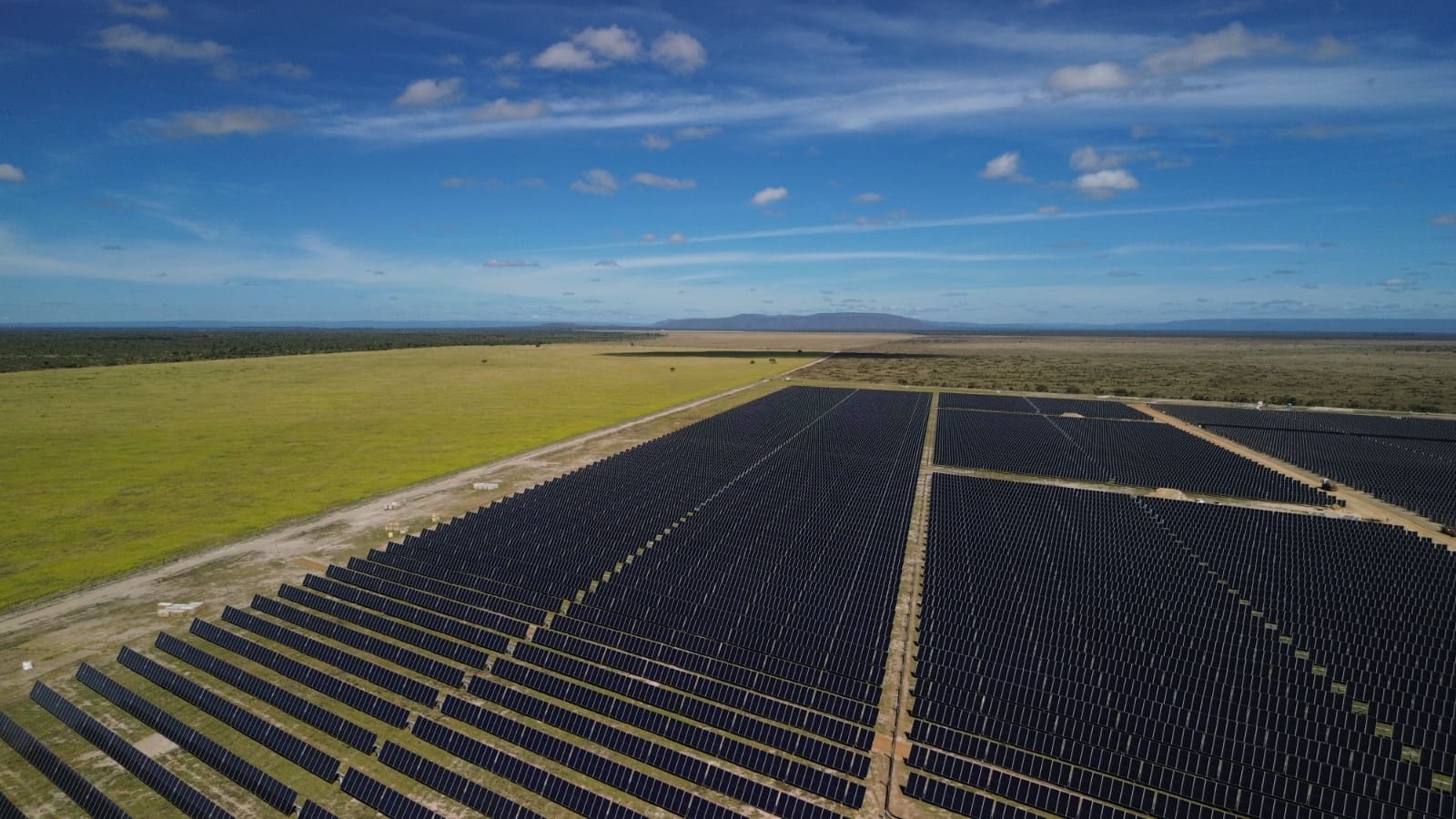
The renewable energy giant Atlas plans a new cycle of investments of US$ 2 billion, but the lack of industrial demand and bottlenecks in the electrical grid may shift this investment in Latin America to markets like Chile, Colombia, and Mexico.
Atlas Renewable Energy, one of the largest clean energy operators on the continent, is projecting a robust investment plan in Latin America amounting to US$ 2 billion over the coming years. This puts Brazil on alert due to stagnation in national demand.
Although Brazil has one of the largest solar and wind potentials in the world, the company signals that the distribution of these resources will prioritize countries that show greater predictability of consumption and legal security for new long-term contracts.
Currently, Brazil faces a scenario of energy oversupply, which drives down prices in the free market and discourages the construction of new large-scale plants. In contrast, neighboring markets like Chile and Colombia are accelerating their decarbonization goals and offering attractive conditions for global investors seeking green hydrogen and battery storage projects.
-
Billion-dollar partnership in clean energy: The advancement of decarbonization in Japan opens doors for Brazil to become the world’s largest supplier of green hydrogen and ammonia.

-
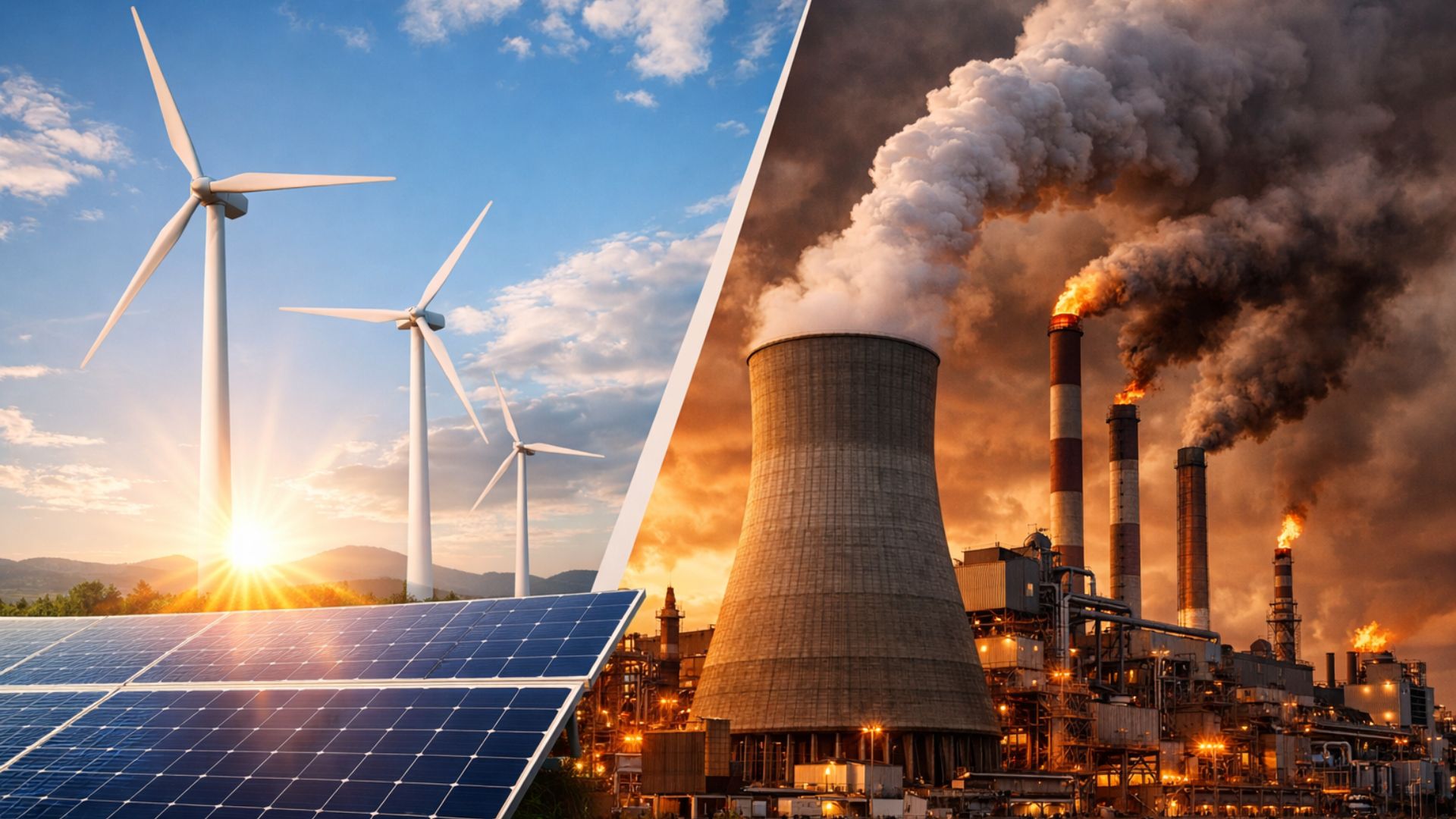
Understand how thermal security has become a key element in the energy transition by ensuring a balance between intermittent renewable energies and thermal sources capable of sustaining the electrical system during critical moments.
-
Billion-dollar investment for the forest: World Bank releases funds to expand renewable energy and create thousands of new green jobs in the Amazon region.

-
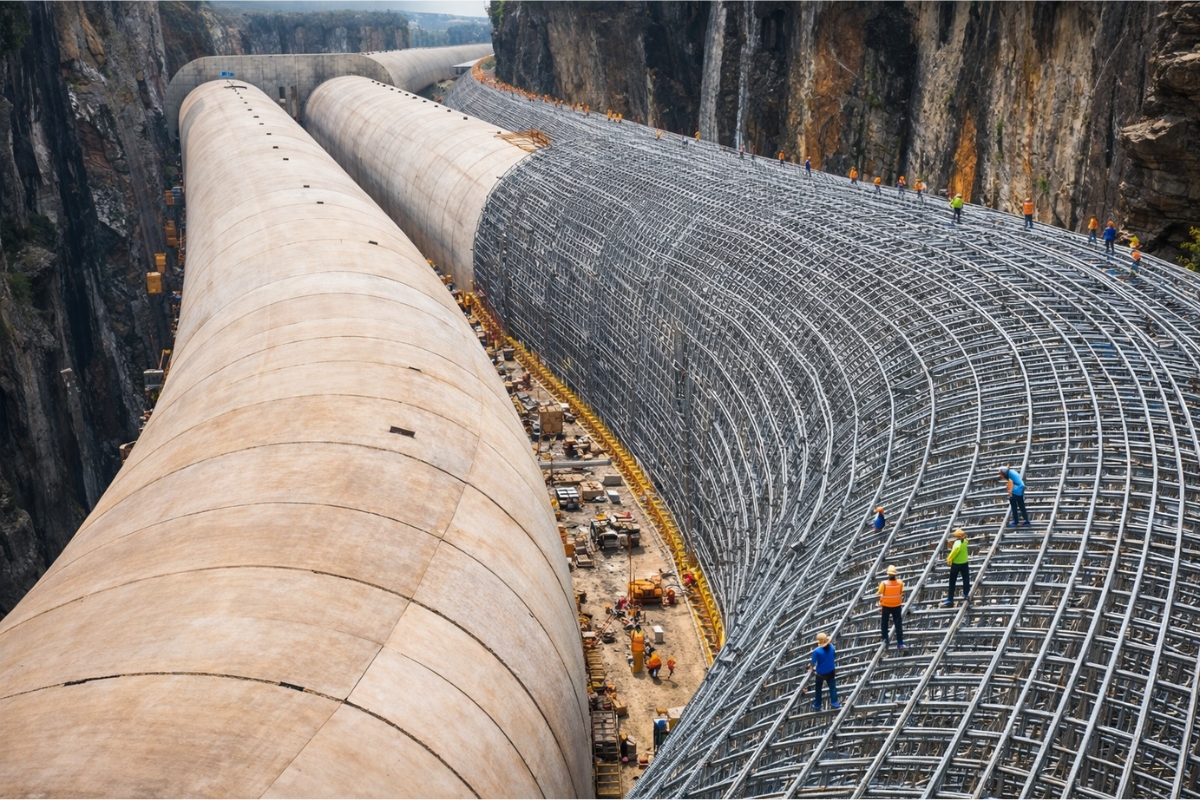
Switzerland invested over $2.3 billion and bet on water, altitude, and solid rock to create a battery in the Alps capable of powering more than 1 million homes.

This movement by Atlas raises a yellow flag for the Brazilian government and sector agents, highlighting that the abundance of natural resources alone does not guarantee the retention of foreign capital in a highly competitive regional environment.
The competitive scenario of investment in Latin America and Brazil’s position
The renewable energy market is undergoing a phase of geopolitical reconfiguration, and investment in Latin America has become the main target for private equity funds and large energy corporations.
Atlas Renewable Energy, controlled by Global Infrastructure Partners (GIP), has already invested billions in Brazil. However, the focus is now expanding to regions that can connect energy generation to green reindustrialization.
Brazil, which historically led the company’s investments, now shares attention with Mexico and Chile, where the demand for energy for mining and data centers is growing exponentially.
The great curiosity of this movement lies in the fact that Brazil is “wasting” energy. With the uncontrolled expansion of distributed generation and the entry of large solar parks, the country produces more electricity than its industry can currently consume.
Without new large industrial projects or heavy electrification of the vehicle fleet, energy prices fall to levels that make new investments unfeasible. Atlas is observing this scenario and directing its capital to locations where demand is suppressed, ensuring more profitable and secure power purchase agreements (PPAs) for its shareholders.
Why is Brazil at risk of falling behind in the renewable race?
Industry experts point out that the risk of Brazil losing part of this investment in Latin America is not due to a lack of sun or wind, but to structural and regulatory bottlenecks.
The Brazilian transmission network operates near its limit in several regions, making it difficult to transport energy produced in the Northeast to load centers in the Southeast. Additionally, uncertainty about the rules of the free market and cross-subsidies in electricity bills create a cautious environment for investors planning billion-dollar investments with returns in 20 or 30 years.
While Brazil discusses maintaining subsidies for sources that are already competitive, Chile is advancing in the regulation of large-scale battery systems. This technology allows solar energy to be stored during the day for nighttime use, solving the intermittency problem.
Atlas sees these storage technologies as a golden opportunity. If Brazil does not modernize its laws to encourage storage and grid stability, the company’s billion-dollar capital will cross the border in search of more innovative and receptive environments.
The practical impact of the lack of industrial demand in the energy sector
The real economy feels the effects when a large investment in Latin America ignores national territory. The construction of solar parks generates thousands of direct jobs in arid and underdeveloped regions.

When Atlas decides to build a plant in Mexico instead of Minas Gerais or Bahia, Brazil misses out on tax revenue and loses the opportunity to qualify local technical labor. The impact is real and measurable: each US$ 1 billion invested in renewables stimulates a massive supply chain of steel, cables, inverters, and engineering services.
The “wasted energy” mentioned by analysts refers to the untapped potential of transforming cheap electricity into high-value-added products. Brazil could attract green steel or nitrogen fertilizer factories, which consume a lot of energy.
However, the slow pace of creating incentive policies for the industrial use of renewable energy means that the country only exports raw materials. While neighbors prepare to export finished products with a zero-carbon label, funded by capital from Atlas and other industry giants.
The prominence of Chile and Colombia on Atlas’s radar
Chile has established itself as one of the favorite destinations for investment in Latin America due to its aggressive decarbonization policy in copper mining. Chilean miners require 100% clean energy in their processes to meet European and American standards. Atlas takes advantage of this specific demand to build customized projects.
Brazil, having a very clean energy matrix, does not feel the same dramatic urgency for replacement as its neighbors. However, this “comfort zone” can be dangerous. Atlas seeks markets where growth is accelerated by structural needs.
If the Brazilian government does not stimulate the creation of new consumption hubs, such as green hydrogen hubs in Ceará or Pernambuco, the US$ 2 billion announced by the company will find fertile ground in the Chilean deserts or Colombian plains, where the thirst for new energy is greater and contracts are more straightforward.
Battery storage: The new frontier that Brazil ignores
A considerable portion of the investment in Latin America planned by Atlas focuses on energy storage systems (BESS – Battery Energy Storage Systems). This technology represents the future of the global electricity sector. Chile is already holding specific auctions for batteries, recognizing that solar energy is only fully utilized if it can be used at night.
Brazil, unfortunately, is still crawling in this regulatory discussion, treating batteries as an extra cost rather than a stability solution for the grid.

Atlas has global expertise in integrating batteries into renewable parks. If Brazil maintains the stance of merely “producing and throwing into the grid,” it will lose the technology that truly adds value to the sector. The billion-dollar investment seeks projects that solve problems, and the biggest current problem in Latin America is the stability of electrical frequency with so many intermittent sources.
Countries that adequately compensate for the storage service will fare better in the competition for Atlas’s resources, leaving Brazil with only the potential “on paper.”
The role of green hydrogen in Atlas Renewable Energy’s strategy
Green hydrogen (H2V) acts as a liquid battery and is one of the engines behind the new investment in Latin America. Atlas is studying projects where solar energy powers electrolyzers to produce H2V, which will serve as fuel for ships or raw material for heavy industry.
Brazil has advanced green hydrogen projects, but the lack of clear federal regulation and initial subsidies (like those offered by the US and Europe) delays companies’ final investment decisions.
Companies like Atlas compare return rates between different countries daily. If Mexico offers logistics closer to the United States and tax incentives for hydrogen, capital migrates north. Brazil needs to understand that the competition for energy transition funding is global and fierce.

Cheap energy is just the first step; the second step is creating a consumer market for that hydrogen, ensuring that the billion-dollar investment finds local buyers or efficient and streamlined export routes.
Sustainability and the social label as a competitive differential
Atlas Renewable Energy does not focus solely on numbers; the company uses its investment in Latin America to promote robust social programs. Such as “We Are Part of the Same Energy,” which empowers women to work in the assembly of solar plants.
This focus on ESG increases project acceptance in local communities and attracts institutional investors who prioritize social impact. Brazil, with its vast diversity and social needs, would be the ideal testing ground for these programs. But bureaucracy in environmental and land licensing hinders the rapid execution of these initiatives.
The company seeks locations where it can implement its parks in record time. In the energy sector, “time is money.” If licensing in Brazil takes three years and in Chile takes a year and a half, the profitability of the Brazilian project drops drastically.
To avoid falling behind, Brazil needs to modernize its processes without compromising environmental rigor, allowing Atlas’s social and financial capital to flow without the hindrances of a slow public machine disconnected from the urgencies of the global climate crisis.
Brazil needs to act to avoid missing the billion-dollar investment train in Latin America
The announcement of US$ 2 billion in investment in Latin America by Atlas Renewable Energy sends a clear message: the money exists, and it seeks efficiency. Brazil holds all the cards to win this round, but it needs to get its house in order.
It is essential to stimulate industrial demand, unlock transmission bottlenecks, and create a modern legal framework for energy storage and green hydrogen. The country cannot afford to waste its renewable energy while global capital seeks new safe havens.
Atlas reaffirms its commitment to the region, but the market is sovereign. If conditions in Brazil remain unfavorable for new long-term contracts, next-generation solar parks and massive batteries will cross the Andes and the Caribbean.
The moment requires coordinated action between government and private initiative to ensure that Brazil is not just a spectator but the main protagonist of this new investment cycle that promises to reshape the energy map of the Americas in the coming years.





Seja o primeiro a reagir!