





 Portuguese
  English
  Spanish
  7 min of reading
  0 comments


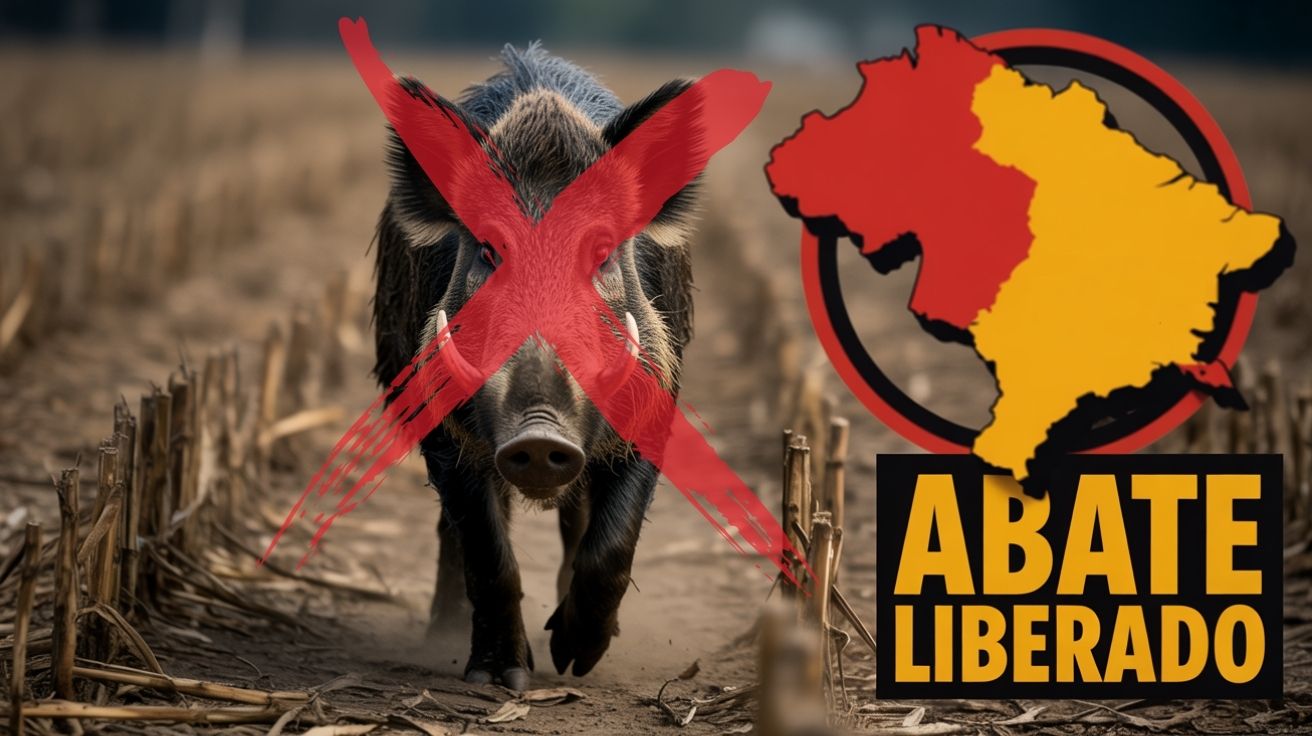
São Paulo Decree Authorizes Controlled Culling of Wild Boars and Hybrids to Curb Species Expansion, Protect Environment, Agriculture, and Public Health in Critical Areas of the State.
The Government of the State of São Paulo published on Tuesday (24) a new decree that authorizes the culling of wild boars and their hybrids in the wild as a measure of population, environmental, and health control.
The decision, signed by Governor Tarcísio de Freitas, establishes a regulatory framework to address the expansion of these animals, officially recognized as a pest of particular interest to the State.
The regulation defines that the wild boar (Sus scrofa) and its hybrids, living freely in São Paulo territory, will be classified as harmful animals to the environment, public health, agriculture, and farming.
-
New Zealand builds a shimmering building that vibrates, featuring a 62-seat cinema, moving sculptures, and an environment where sound, light, and energy are felt in the body.

-
Two colored cubes of 2.5 m transform a public bathroom into a selfie spot in Western Australia, costing up to 75% less than traditional construction and helping to reduce vandalism in public spaces.

-
Santa Catarina produces up to 7 times more than it consumes in some sectors, and its century-old industries founded by grandparents and great-grandparents now compete on equal footing with Germany and the United States in the international market.

-
U.S. war giant weighing 9,600 tons and equipped with long-range missiles is sent to the Atlantic to protect global internet and hunt submarines.


The decree asserts that the presence and proliferation of these animals have caused economic, environmental, and health damage, particularly in areas considered priorities for the conservation and sustainable use of natural resources.
According to the decree, the declaration of harm aims to support effective actions for prevention, monitoring, control, and eradication of the wild boar population in the State.
The main objective is to curb the territorial and demographic expansion of the species, minimizing impacts on environmental, social, health, and economic sectors, addressing the demands of society and rural producers.
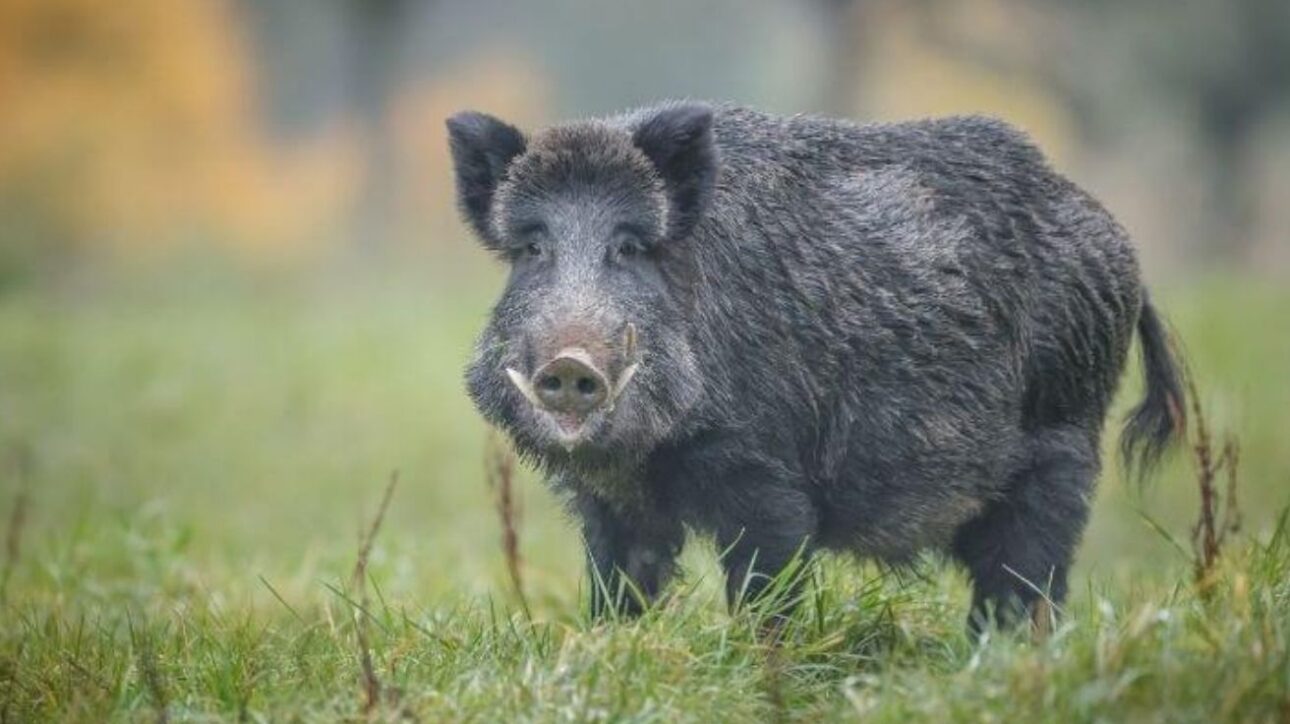
Expansion of the Wild Boar in Brazil and Environmental Impacts
In recent years, the wild boar and its hybrids have spread rapidly across Brazilian territory.
Originally introduced for commercial and hunting purposes, many of these animals ended up escaping or being released from farms, facilitating their adaptation to different biomes in the country.
The species found ideal conditions for survival in Brazil, with food availability, absence of natural predators, and favorable climate.
According to surveys by environmental agencies and research institutions, the wild boar is already present in nearly all regions of Brazil, with main concentrations in the Southern, Southeastern, and Central-Western states.
The advance is so significant that, in 2013, the Ministry of the Environment had already included the wild boar among the main invasive exotic species in the country, due to its high potential for harm.
The rapid dispersion is due, among other factors, to the species’ high reproductive capacity and gregarious behavior.
A single pair of wild boars can produce dozens of offspring in a short time, making control difficult and increasing pressure on native ecosystems.
Why the Wild Boar Is Considered Dangerous
The control of wild boars has become a priority because these animals cause various environmental, economic, and public health damages.
They destroy crops, attack small livestock, degrade springs and riparian forests, and cause soil erosion.
In protected areas, the presence of wild boars threatens native fauna and flora species, putting local biodiversity at risk.
In addition to environmental impacts, the wild boar is a vector for diseases that can affect domestic livestock, such as classical swine fever, foot-and-mouth disease, and leptospirosis.
Due to their aggressive and adaptable nature, they also pose a risk of accidents in rural areas and even in urbanized zones near forests and pastures.
Contact with wild boars and their hybrids can increase the risk of transmission of pathogens of agricultural and zoonotic importance, that is, diseases that affect both animals and humans.
Therefore, the São Paulo decree emphasizes the One Health approach, recognizing the need for integration between actions focused on human, animal, and environmental health.
Who Is Authorized to Cull Wild Boars in São Paulo
According to the decree, only individuals or legal entities properly registered and authorized by the relevant authorities can carry out the culling of wild boars and their hybrids.
The execution of these control actions is conditioned on authorization and registration in the computerized system of the Secretary of Agriculture and Supply.
Among the authorized agents are rural producers affected by the predatory action of wild boars, previously authorized individual controllers, companies licensed for management, export agro-industries, and meat consumers — all required to strictly follow the rules established by the Javali São Paulo Action Plan and participate in training programs to ensure operational safety.
These controllers must adopt responsible safety practices, comply with sanitary protocols, collaborate with the epidemiological surveillance system, and meet the criteria set for transporting and disposing of carcasses.
All culling must be registered, and inspection is the responsibility of the Environmental Military Police, which acts both in prevention and in repression of environmental infractions.
Definition of Wild Boar and Exotic Fauna
The text establishes that all forms, lineages, breeds, and different degrees of crossing of the wild boar, as well as its hybrids, shall be subject to control actions.
The decree details that wild boars and their hybrids are part of the category of exotic fauna to the national territory, i.e., non-native animal species introduced into Brazilian ecosystems, either intentionally or accidentally.
According to the new regulatory framework, these animals are classified as pests because they cause economic, environmental, or public health damage.
Efforts to combat wild boars should particularly focus on regions identified as priority areas of interest, taking into account environmental, social, sanitary, and economic criteria.
Guidelines for Sustainable Control and Management of Wild Boars
The regulation establishes sustainable practices for prevention, responsible management, and safety practices for all activities related to wild boars, from capture to culling.
The decree mandates that population control and monitoring will be conducted based on the Management and Monitoring Plan, to be developed jointly by the state secretaries of Agriculture and Supply, Environment, Infrastructure and Logistics, Health, and Public Security.
The plan should be guided by the One Health approach, a concept that integrates dimensions of human, animal, and environmental health, promoting coordinated and intersectoral actions to minimize biodiversity risks and prevent disease spread.
Among the obligations is the definition of control and research programs, identification of priority areas for implementing measures, and ensuring the training of involved controllers, aiming for both the safety of these agents and that of rural property owners and employees.
Permissions and Obligations of Rural Property Owners
The decree imposes that consent for control activities on private properties be formalized through the electronic system of the Secretary of Agriculture and Supply.
Additionally, holders and owners of use rights of the properties are required to execute the actions outlined by the Javali São Paulo Action Plan, as well as to allow access to public agents and partners for inspection, research, and control.
In case of non-compliance, property owners and occupants are subject to administrative, civil, and criminal sanctions according to current legislation.


Rules for Transporting and Breeding Wild Boars
The transport of live wild boars captured during control actions is prohibited.
The animals must be culled at the capture location, and release without specific technical authorization is forbidden.
Transport is only allowed to research institutions, provided it is authorized and accompanied by official documentation.
Additionally, breeding of wild boars and their hybrids in the State of São Paulo is prohibited.
Commercial breeding under judicial protection must be registered in the state system and can only transport live animals to authorized slaughterhouses.
Any illegal breeding will be dismantled, with the culling of the animals at the expense of the responsible party.
The decree also regulates the transport of carcasses of culled wild boars, requiring authorization and tracking seals and obligates controllers to cooperate with epidemiological surveillance.
Responsibilities of the Secretaries and Oversight of Wild Boar Control
The text details responsibilities for the state secretaries of Agriculture and Supply, Environment, Health, and Public Security, including defining incentives, coordinating actions, oversight, developing plans, and supporting controller training.
It is the responsibility of the Environmental Military Police to inspect controllers regarding documentation, firearm use, protection of animals used, and prevention of environmental infractions during management.
The decree also provides for coordination between state agencies, municipalities, and private entities for the implementation of actions for wild boar population control.
Finally, the creation of an Intersecretarial Group is provided for, made up of representatives from various secretaries, responsible for preparing studies and presenting the Wild Boar Management and Monitoring Plan, with input from specialists and public or private entities.
The decree comes into effect on the date of its publication, establishing a new legal basis for the control and eradication of wild boar in the State of São Paulo.
In light of the rapid advance of the wild boar across Brazil and the risks that the species poses, do you believe that the measure adopted in São Paulo will be sufficient to curb this problem and protect agricultural production and the environment?






-

-

-

4 pessoas reagiram a isso.