





 English
  Francês
  Alemão
  Italiano
  Japonês
  Norueguês
  Portuguese
  Spanish
  3 min of reading



The Despair Of Some Brazilian Consumers To Refuel Their Vehicles Has Led Them To Swap Gasoline For Cooking Gas. The Practice Has Become Increasingly Frequent Even With Cases Of Explosions
The new ‘trend’ among consumers is to clandestinely convert gasoline vehicles to be fueled with LPG, commonly known as cooking gas. The practice has become frequent and already has some cases of serious explosions. On e-commerce websites, such as Mercado Livre, the so-called “kit for converting cars to LPG” is being sold for prices ranging from R$ 500 to R$ 1,000. Sellers promise an 80% savings when in fact they are selling a risk to the life of those who acquire this kit.
Read Also
Risks Of Using LPG Range From Refueling To Vehicle Travel
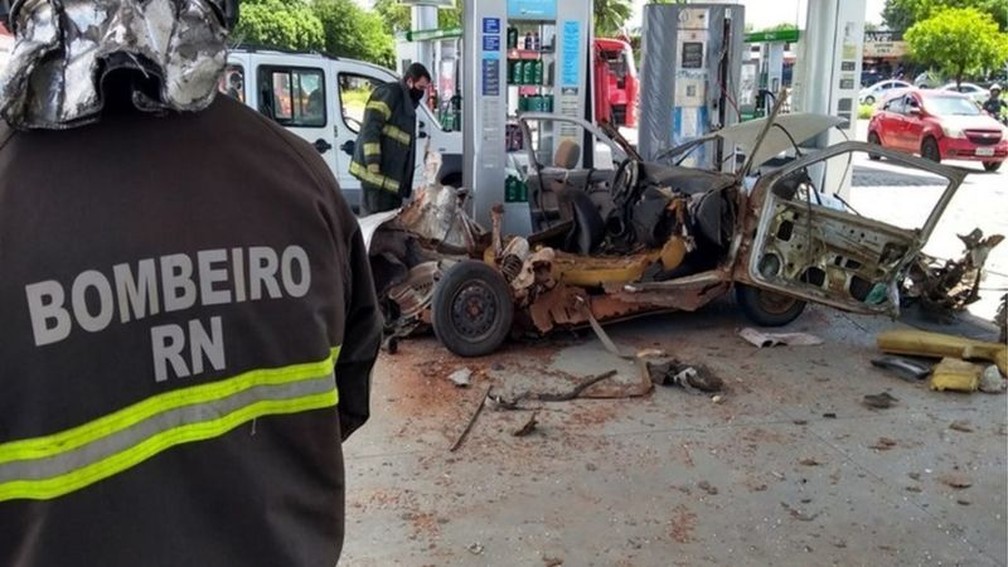
In addition to being an illegal practice, refueling and driving a vehicle fueled with cooking gas exposes all people inside the car and nearby to a high risk of explosion.
In the Chamber of Deputies, a bill (PL 4217/19) was approved by the Committee on Constitution and Justice (CCJ) in August and is now ready to be voted in the Plenary. This project has divided many opinions in the gas sector.
-
Unemployment rises again to 5.8% at the beginning of 2026, raising alarms about the end of temporary positions and its impact on the Brazilian job market.

-
Document organization can cut invisible costs in small businesses, a simple step that prevents waste, rework, and losses in daily operations.

-
Chinese giant worth nearly R$ 4 billion that manufactures cables for electric cars, solar energy, and robotics wants to open a factory in SC.

-
Many employers do not know, but the law guarantees domestic workers a 25% increase in salary during trips, 50% for overtime, 20% for night shifts, and 17 additional benefits that can lead to labor lawsuits if not paid.


Representatives of the Compressed Natural Gas (CNG) sector are opposed to the approval of the law, arguing that it could increasingly promote clandestine conversions and that with the increased demand, it could make cooking gas more expensive for families, considering that currently about 30% of the LPG consumed in Brazil is imported.
Mercado Livre Speaks Out About The Sale Of LPG Conversion Kits
The Mercado Livre marketplace has spoken out on the subject and said that the sale of LPG kits on its platform is prohibited, ensuring that, as soon as sellers are identified, in addition to a notification, their listings will be removed.
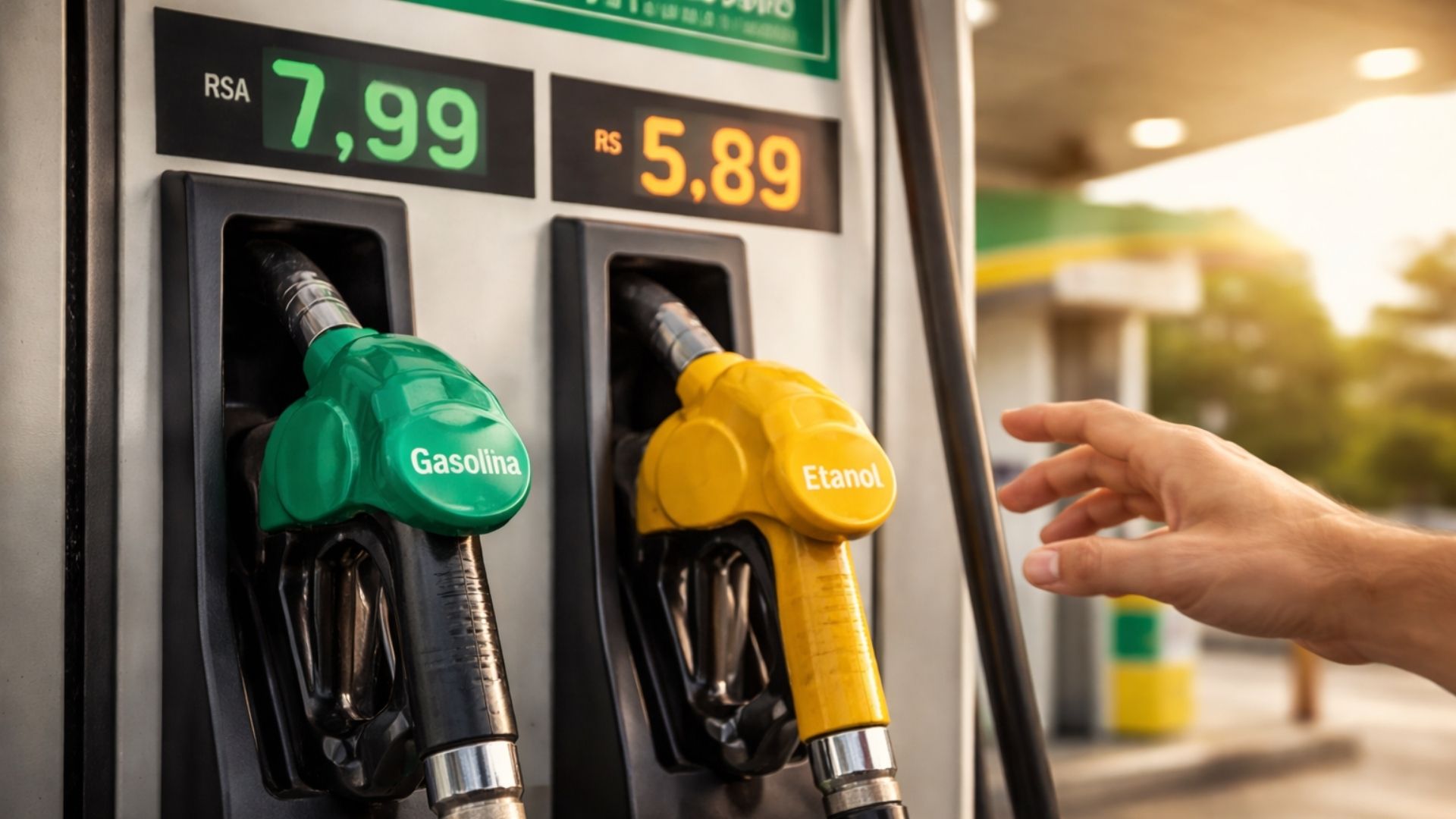
The despair of Brazilians to refuel their vehicles has generated a search for fuel savings, which can be justified according to IBGE (Brazilian Institute of Geography and Statistics): gasoline has accumulated a 31% increase during the year up to August and around 39% over the last 12 months.
Ethanol has risen by 41% between January and August, in addition to 62% in the total over the past 12 months. However, it is worth noting that conversion to LPG is illegal. And this is determined by Law 8.176 of 1991, which defines the use of liquefied petroleum gas (LPG) in vehicles of any kind, saunas, boilers, and pool heating, or for general automotive purposes as a ‘crime against the economic order’.
Deadlock Between CNG And LPG Representatives
For their part, LPG distributor representatives have accused the CNG sector of plotting a strategy to maintain market reserves and fully defend the freedom and autonomy of consumer choice, as the fuel is widely used in vehicles in Europe.
The quest to save on fuel has its justifications: the price of gasoline has already accumulated a 31% increase this year, with the number reaching 39% over the last 12 months. Another product that has also increased significantly is ethanol, which has risen by 42%.







Seja o primeiro a reagir!