





 Portuguese
  English
  Spanish
  3 min of reading


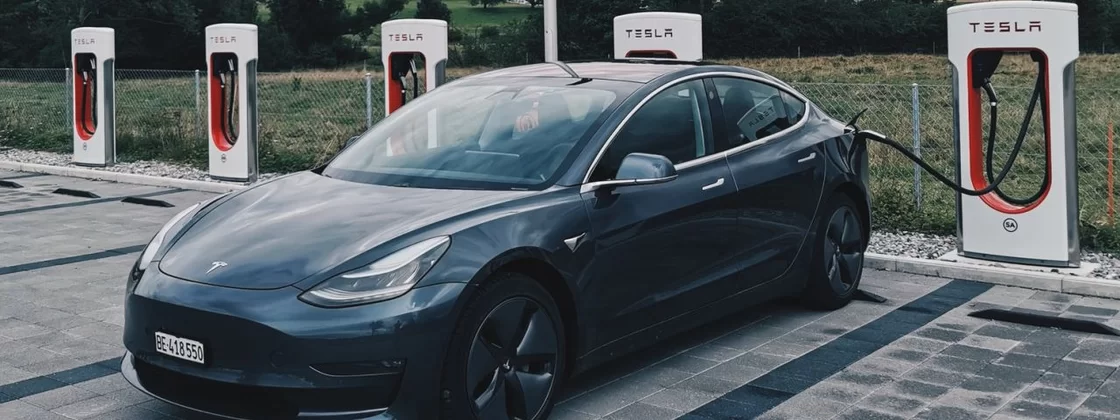
With The Increase In Demand For Electric Cars, The Price Of Nickel, Copper, And Cobalt, Minerals Used In The Manufacturing Of Batteries Has Risen
Recently, Tesla owner Elon Musk showed interest in entering the mining sector, particularly for lithium extraction, in order to maintain the flow of the mineral needed in the manufacturing of electric car batteries. According to the businessman, the price of the mineral is out of control, and thus, the company would have to enter into mining and refining of this metal. He added that lithium is found almost everywhere on the planet, therefore, the problem lies in the pace of extraction and refining of the mineral, which is very slow. Other minerals used in battery manufacturing are nickel, cobalt, and copper.
Growth Of The Electric Car Market
The businessman’s concern involves one of the essential minerals for the production of electric cars. The same applies to nickel, copper, and cobalt, which are also fundamental minerals in the production of electric cars. Elon Musk bets that the purchase of electric cars will expand exponentially in the coming years. Because of this, the businessman has opened two new Tesla factories, one in Berlin to serve the European market and one in Austin, Texas, to supply the United States. The factories, which the owner calls “gigafactories,” are the size of 100 football fields and have the capacity to double the company’s production.
Tesla is not alone in exploring this new market: Volkswagen announced that several of the company’s electric cars are sold out until next year. In 2021, sales of electric vehicles by Volkswagen doubled. In addition, U.S. President Joe Biden aims for half of the country’s vehicle fleet to be composed of electric cars by 2030.
-
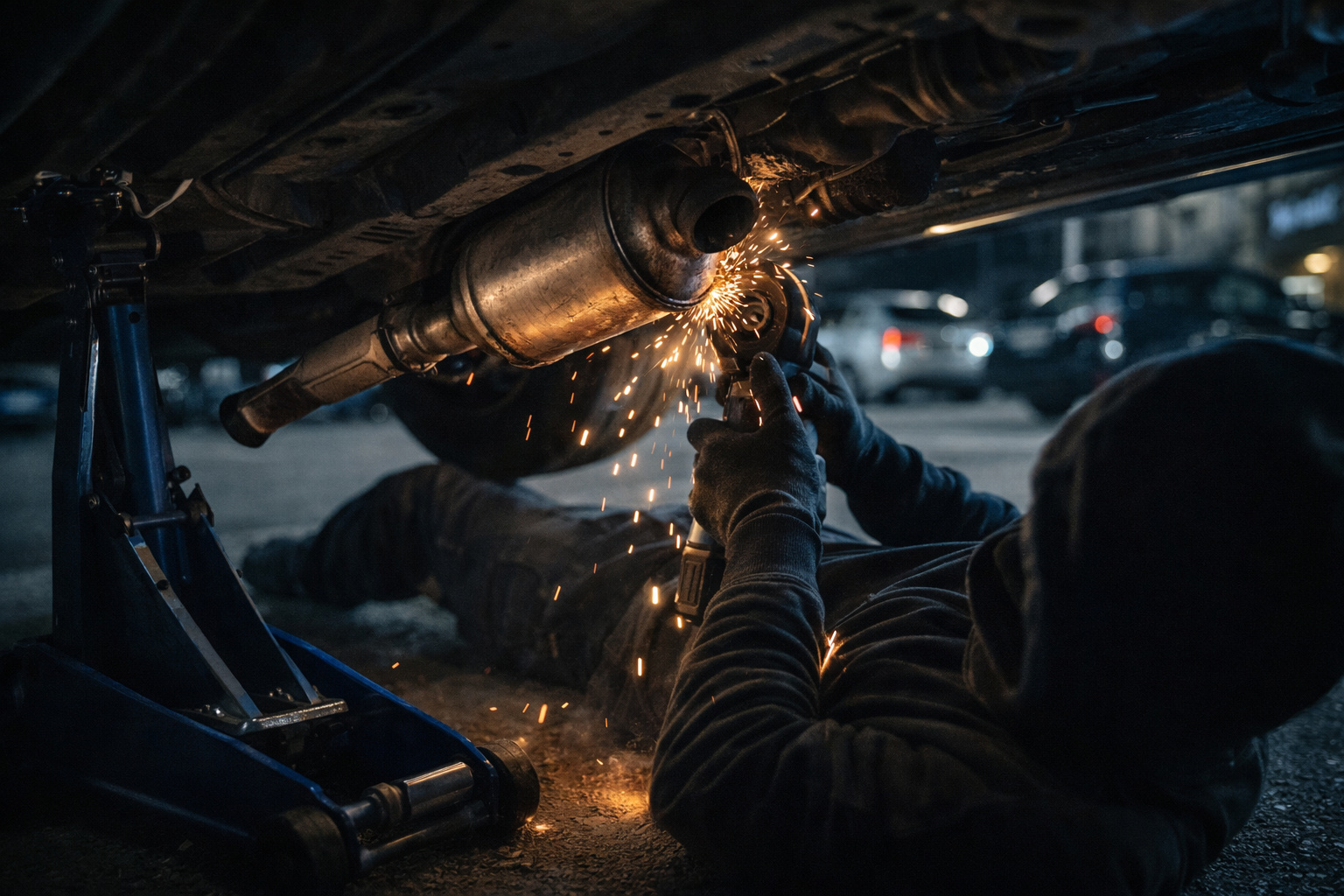
Thefts of catalytic converters are increasing in Brazil, a component that contains platinum, palladium, and rhodium, metals that can be worth more than gold, and can be removed from under a car in less than 2 minutes, causing losses of up to R$ 8,000 and only being noticed when the driver starts the vehicle and hears an extreme noise from the exhaust.
-
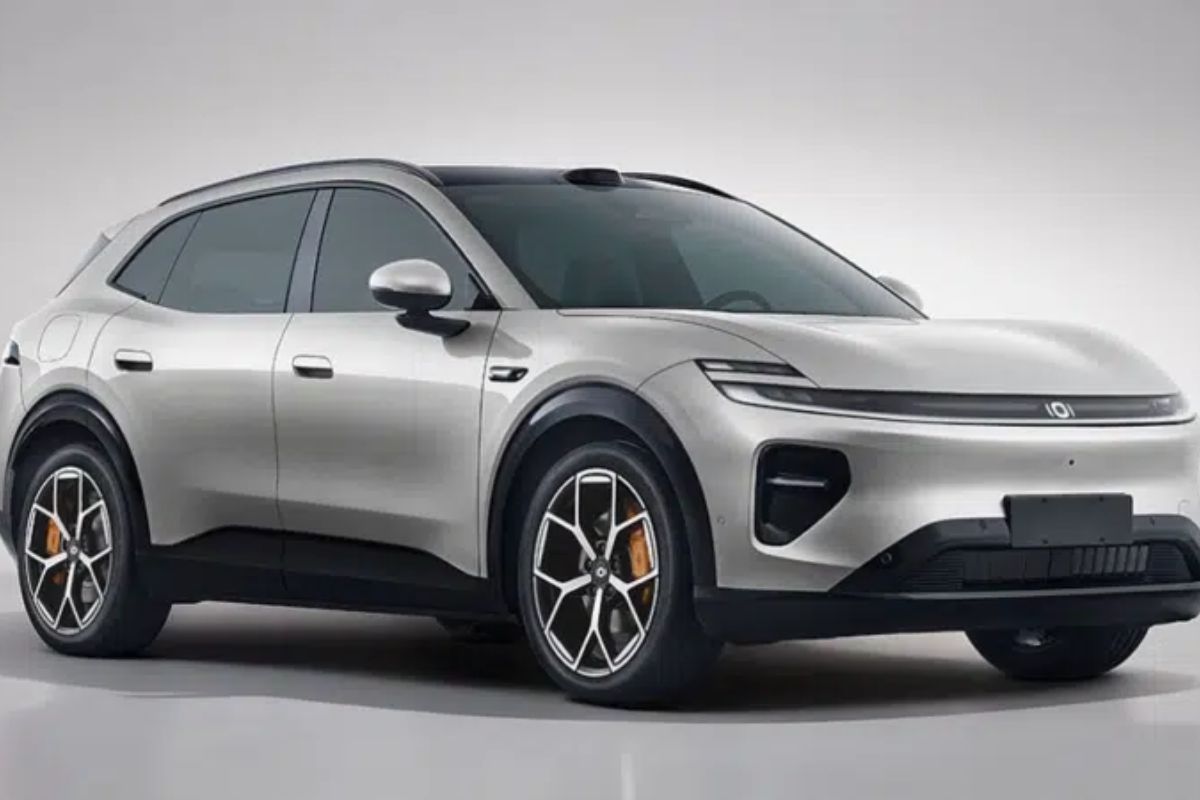
Changan launches Nevo Q06 with 800V architecture and 6C ultra-fast charging, AWD option with two rear motors, EV and EREV versions, LiDAR on the roof, and up to 14 different wheels now.
-
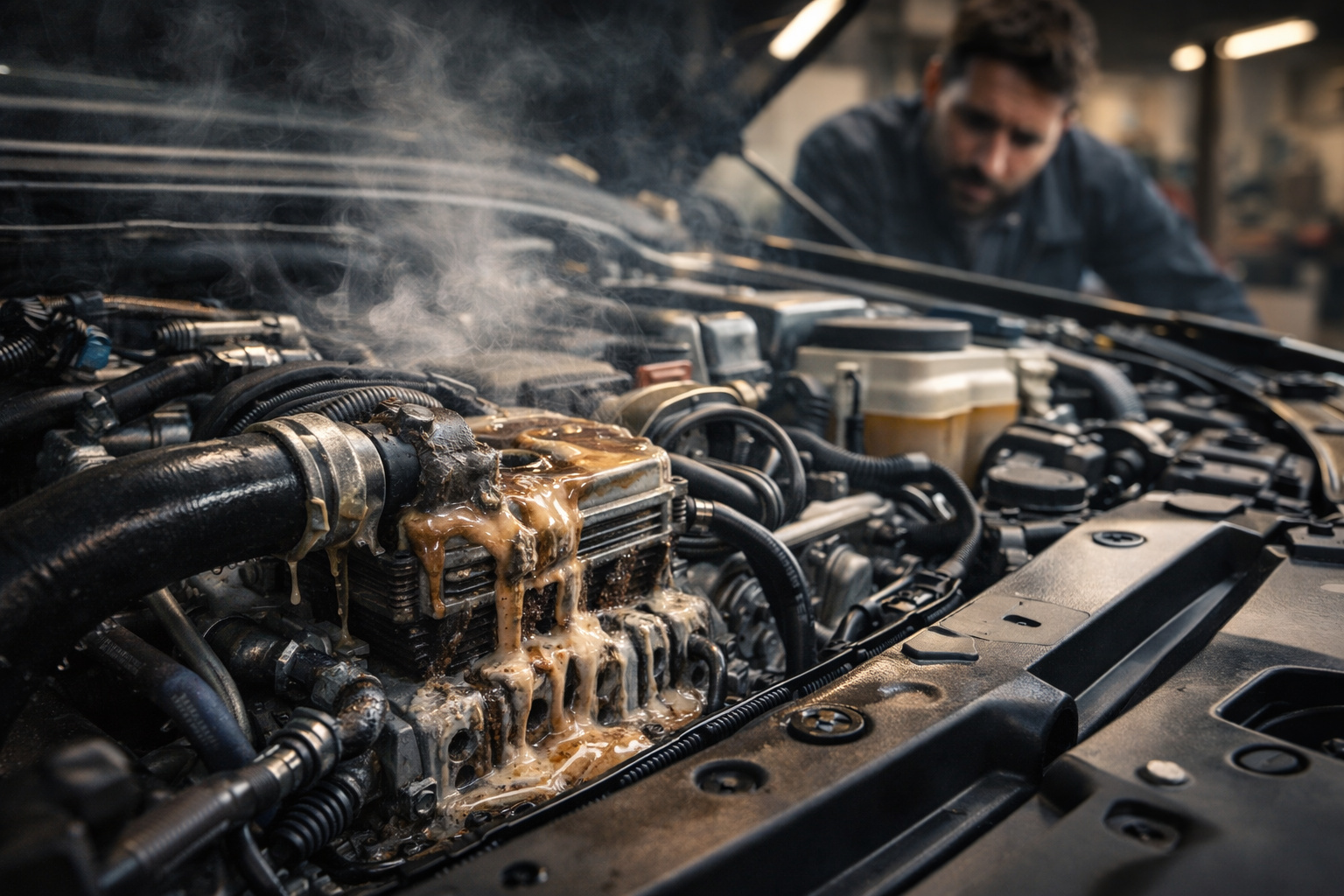
Losses that can exceed R$ 15,000 affect owners of Jeep Renegade and Compass after a failure in the heat exchanger mixes oil with coolant, generating emulsion in the system and causing overheating that can destroy the transmission.
-
Car starting from R$ 29 thousand with Fiat’s unbreakable engine: 4 used options with up to 167 hp, 23 kgfm, and 0 to 100 km/h in 7.4 s; turbo with overboost and surprising performance.
These plans justify the concern regarding the minerals used in the manufacturing of electric car batteries. Lithium, a metal that has more than 80% of its use for battery manufacturing, is currently priced at around US$ 80,000 per ton, which means an increase of over 400% in price in one year. Nickel, copper, and cobalt are also on the rise, which has been exacerbated by the increase in oil prices and the conflict between Russia and Ukraine.
Opportunities For Brazil
This rise presents opportunities for Brazil, as the country has reserves and has explored these minerals at some point. Brazil has the third largest nickel reserve in the world, trailing only Indonesia and Australia. Currently, the country has modest extraction rates, and much of the mineral extraction today occurs in a municipality in Goiás called Niquelândia, which also has cobalt deposits.
Vale, the largest mining company in the country, is also a producer of nickel and cobalt in mines owned by its subsidiary in Canada, as well as copper in Pará. Currently, about 5% of the high-purity nickel produced by the mining company is used in the manufacturing of electric car batteries, but the goal is to increase this share to 30% to 40%. Tesla has entered into a secret clauses agreement with Vale.
According to Itaú BBA mining analyst Daniel Sasson, “The agreement between Tesla and Vale is much more strategic than strictly commercial. It makes sense for companies that will be large consumers of nickel in the future to make agreements to secure this supply.”
In 2022, the price of nickel exceeded the US$ 100,000 per ton mark, almost double the historical high in 15 years, which forced the London Metal Exchange to suspend trading. After that, the price stabilized and nickel is currently being traded for around US$ 32,500.
Vale, which was among the top three nickel producers in the world until 2020, is now the largest in the market. According to Veja magazine, in 2021 the company produced 168,000 tons of nickel and the estimate for 2022 is up to 190,000 tons of nickel and 355,000 tons of copper.





Seja o primeiro a reagir!