





 Portuguese
  English
  Spanish
  3 min of reading


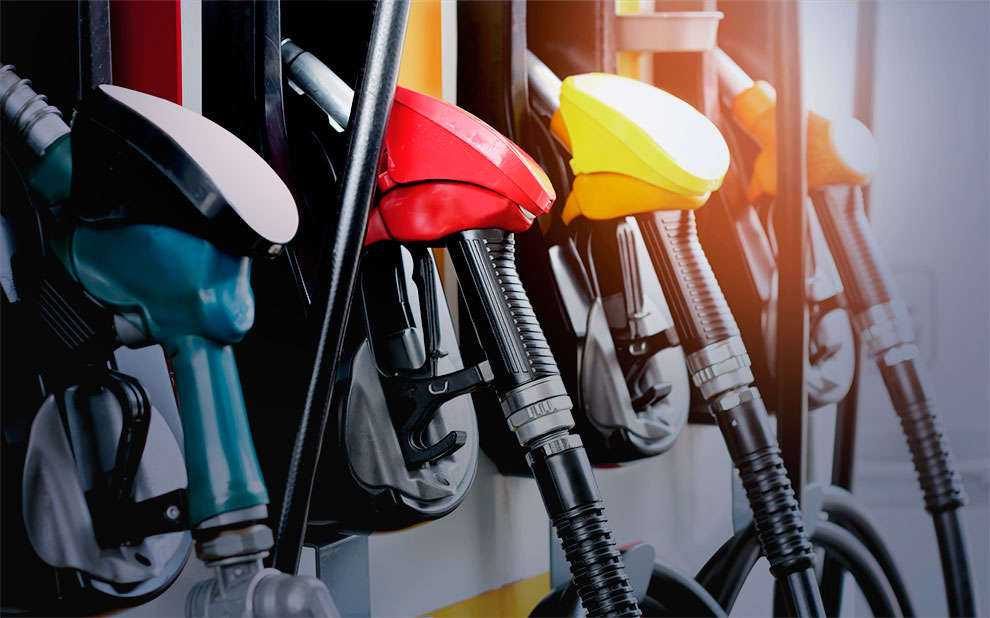
Beyond Ethanol and Gasoline, Diesel and Cooking Gas Continue to Suffer Revisions. According to Petrobras, the Revisions Follow Competitive Pricing Practices, in Balance with the Market
Since 2016, Brazilian oil pricing policy has been following international prices, causing a series of factors to enter the composition of fuel prices, especially gasoline and diesel. After the shock caused by the Coronavirus pandemic, the global economy experienced robust growth this year, which increased the demand for commodity and, consequently, helped pull prices up.
See Also:
- Sustainability on the Agenda, Challenges and Investments in Infrastructure are Discussed at the XII Brazilian Regulation Congress: Expanding Gas Market May Be an Alternative to Elevate Brazil’s Energy Matrix.
- 132 Job Vacancies Will Be Created and R$ 165 Million Will Be Invested in the Construction of a New Eternit Tile Factory
- 4 Online Courses on Entrepreneurship, Offered by FGV, Senai, and Sebrae, That Will Help You When Setting Up Your Business
In a survey conducted in six states, the average gasoline price increased by 0.64% between November 7 and 13. According to the National Index of Broad Consumer Prices, gasoline is the product that suffered the most price adjustments in 2021. According to Petrobras, the adjustments adhere to the commitment to practice competitive prices, in balance with the market.
The consumption of ethanol continues to be disadvantageous in all states of the country, experiencing increases once again (reaching R$ 5.394/L) and completing its 15th consecutive week on the rise. On the other hand, gasoline, which went from 6.710% to 6.753%, accounts for the sixth consecutive month of price increases.
-
The Ministry of Defense installs a giant photovoltaic plant and ensures a stable supply of clean energy in Maturacá, in the Amazon.

-
New escalation of tensions and oil crisis in the Middle East forces world powers to accelerate energy transition plans.
-
Itaipu receives proposals in the renewable energy tender and reinforces the role of public universities in the energy transition with projects that can reduce costs, increase academic investments, and accelerate sustainable innovation in the country.

-
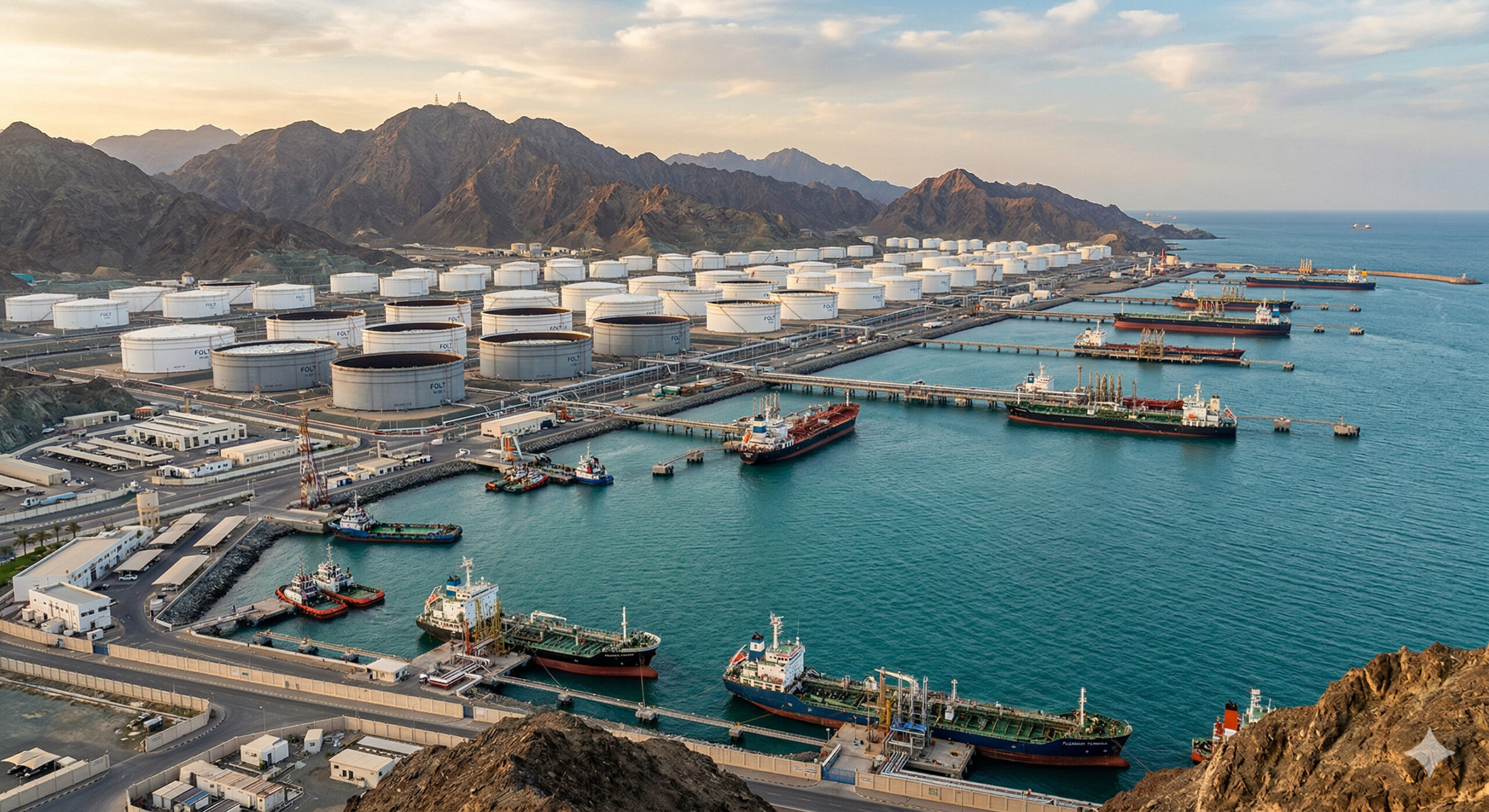
Giant reservoirs with a capacity of 18 million cubic meters have turned Fujairah into one of the largest energy vaults on the planet. This facility, located outside the Strait of Hormuz, stores oil on a colossal scale and has become a silent piece that supports the global flow of fuels.
Adverse Scenario and Low Competitiveness
The relationship between the prices of biofuel and fossil fuel rose from 78.9% to 79.9% within a week, a scenario not seen since the period of April 17 to 23, 2011, when it was 80.9%. As a result, the use of ethanol continues to be commercially uncompetitive and is even further away from the threshold set – 70% of the price of gasoline – a range in which it is considered advantageous for consumers.
According to the National Agency of Petroleum, Natural Gas and Biofuels (ANP), the price of ethanol rose in 21 states and the Federal District, between October 7 and November 3.
The state of Minas Gerais registered an increase of 1.73% in the average price of ethanol, which was sold at R$ 5.538/L, making it the highest price among producing states. Gasoline also experienced an increase of 0.8% and was traded at an average of R$ 7.024/L.
The rise in prices also affected diesel and cooking gas. The average price per liter of diesel increased by 2.45%. Meanwhile, the value of cooking gas increased by 7.2%, approaching R$ 100.00 for the gas cylinder.
In the government sector, the price of fuels is the main topic. According to Petrobras President Joaquim Silvério Luna, the fuel pricing policy is not discussed with President Jair Bolsonaro. Federal Deputy José Ricardo emphasized that the price of fuel will increase again in the coming days due to international prices.








Seja o primeiro a reagir!