





 English
  Francês
  Alemão
  Italiano
  Japonês
  Norueguês
  Portuguese
  Spanish
 3 min of reading
  0 comments


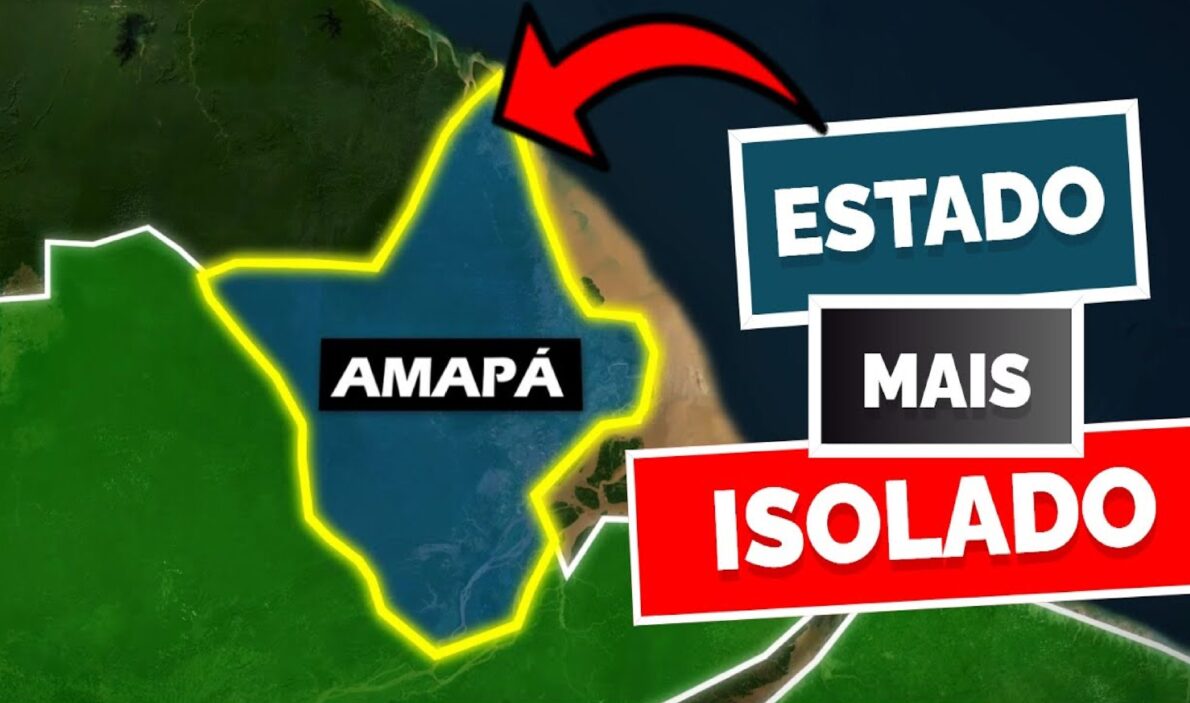
Geographical, Economic, and Political Challenges Keep Amapá as the Only Brazilian State Without a Direct Highway Connection to the Rest of the Country
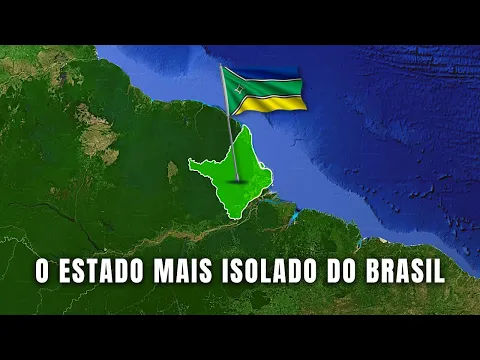
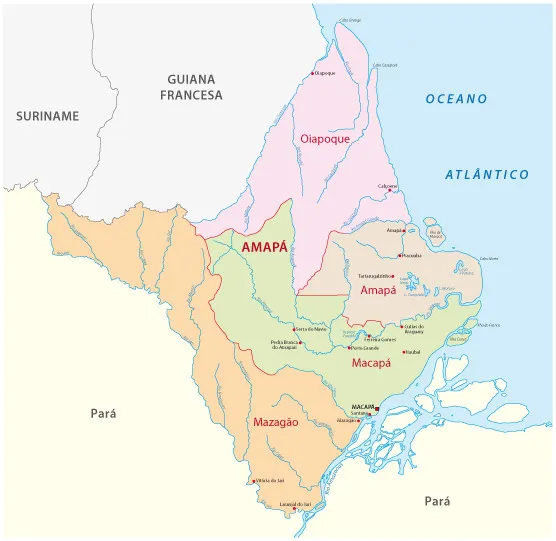
Amapá, located in the far north of Brazil, stands out for a unique and challenging characteristic: it is the only state in the country that does not have a direct highway connection to the rest of the national territory. To travel to Amapá, it is necessary to take a ferry, on a trip that can last up to 26 hours, or opt for a flight, alternatives that highlight the state’s isolation.
The Natural Barrier
Amapá is surrounded by several natural barriers that complicate the construction of a bridge or highways. To the east, the Amazon River imposes a significant obstacle, while the Jari River to the south, and the Oiapoque River to the west, increase the difficulty of integration. To the north, the state is bounded by the Atlantic Ocean, completing the natural encirclement that isolates Amapá from the rest of Brazil.

The only significant bridge in the state, the Brazil-France Binational Bridge, connects Amapá to French Guiana. However, this link does not facilitate access to the rest of South America, as there is no road connection between French Guiana and Suriname, preventing any continuous land travel.
-
If the USA were to go to war with Brazil, Washington’s greatest fear would not be the attack itself, but facing a vast territory, prolonged resistance, and a costly, chaotic, and unpredictable occupation.
-
In 2013, Nicaragua sold the concession for a canal to rival Panama to a Chinese billionaire who lost 85% of his fortune, disappeared, and was declared bankrupt. Now the project resurfaces with a new route, a new Chinese partner, and a cost of $64.5 billion.
-
The USA announces a mysterious billion-dollar vault project to store critical minerals, but what intrigues experts is not just the plan itself, but why Latin America, including Brazil, has entered the center of this global dispute against China.

-
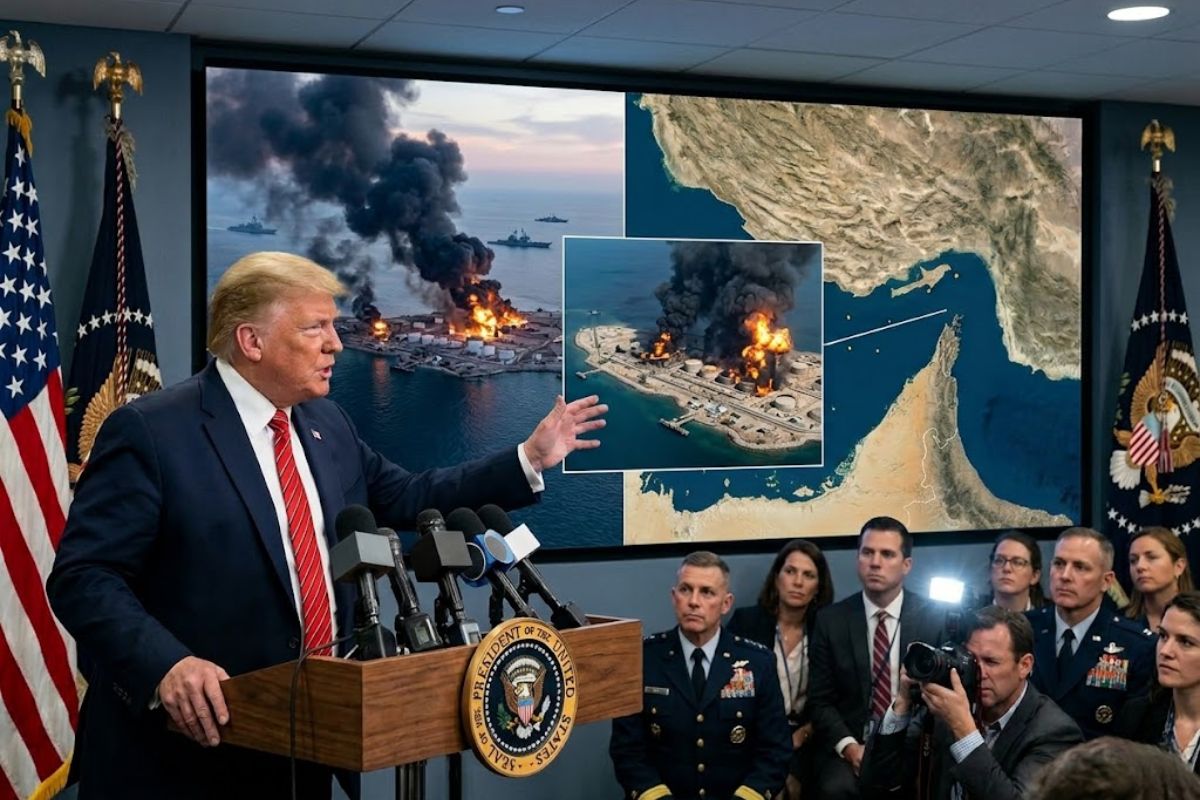
Trump Announces Bombing of U.S. Military Targets on Iranian Island Responsible for About 90% of Iran’s Oil Exports, Warns of Further Attacks if Navigation in Strategic Strait of Hormuz Is Threatened

Frustrated Connection Attempts
In 2002, the construction of a bridge over the Jari River began, which promised to be the first direct highway link of Amapá with Pará, and consequently with the rest of Brazil. However, this project, which was supposed to be completed in a few years, has been halted for more than a decade. Currently, only 39% of the bridge is constructed, with some pillars damaged by vessels. The project, which has already consumed millions in funding, is a portrait of inefficiency and the challenges faced in attempting to connect Amapá to the rest of Brazil.
Economic and Social Impact
The absence of a direct highway connection significantly limits the economic development of Amapá. The state primarily depends on the primary sector, with an emphasis on the extraction of natural resources, such as gold, manganese, and Brazil nuts. The lack of infrastructure hinders economic diversification, pushing away industrial investments and limiting growth in the secondary sector.
Furthermore, geographical isolation makes access to services and products difficult for the population, increasing transportation costs and making the cost of living in the state higher compared to other regions of Brazil.
Environmental and Bureaucratic Obstacles
The dense Amazon rainforest, which covers approximately 72% of Amapá’s territory, presents an additional challenge for infrastructure construction. Environmental issues are a crucial point in the discussion about building highways and bridges in the region, with environmental permits being hard to obtain due to the potential impact on the local biome.

Moreover, corruption and mismanagement of public resources have been a constant hindrance. The Federal Public Ministry has accused local managers of diverting funds that should have been applied to infrastructure construction, such as the bridge over the Jari River, which further aggravates the situation.
Uncertain Future
Although the federal government announced in 2017 the intention to resume the construction of the bridge over the Jari River and improve the road infrastructure in the state through the Growth Acceleration Program (PAC), the works have not yet resumed. BR-156, the main highway in the state, which extends from the Jari River to Oiapoque, is a clear example of the challenges faced. Initiated in 1932, the highway has still not been completely paved, with over 100 km of dirt road, making travel dangerous, especially during the rainy season.




-

-

-

-

5 pessoas reagiram a isso.