





 Portuguese
  English
  Spanish
  4 min of reading
  0 comments



Amazon announced on Thursday (2) a new temporary fee of 3.5% on fuel and logistics costs that will be applied to third-party sellers in the United States, Canada, Mexico, and Brazil. The new fee takes effect on April 17 and follows similar decisions by UPS and FedEx amid high energy costs during the war in the Middle East.
Your online purchases on Amazon will become more expensive. The e-commerce giant announced a new fee of 3.5% on fuel and logistics costs that will be applied to third-party sellers using Amazon’s fulfillment service. The new fee takes effect on April 17 and affects not only the United States and Canada but also shipments to Mexico and Brazil, meaning that those buying American products through Amazon and receiving them here in Brazil will also be impacted by the increase.
According to the portal ndmais, the decision was announced on Thursday (2) and follows similar moves by other major American carriers. UPS and FedEx have already implemented surcharges related to fuel, and the U.S. Postal Service is expected to temporarily raise shipping prices by 8% starting April 26. Amazon’s new fee adds to this scenario of rising logistics costs driven by high energy prices during the war in the Middle East.
What is Amazon’s new 3.5% fee and who does it apply to
The new fee is a temporary surcharge of 3.5% that Amazon will apply to fulfillment fees, the service the company offers to third-party sellers to store, pack, and ship products on their behalf. In practice, the new fee applies to the logistics cost that the seller pays to Amazon for handling the delivery, and this additional cost tends to be passed on to the end consumer in the price of the products.
-
He sold his share for R$ 4 thousand, saw the company become a giant worth R$ 19 trillion, and missed the opportunity of a lifetime.

-
Elon Musk’s Starship megafrocket puts $8 billion at risk, raises alarms in the market, and could affect technology, mining, and space internet startups in the coming years.

-
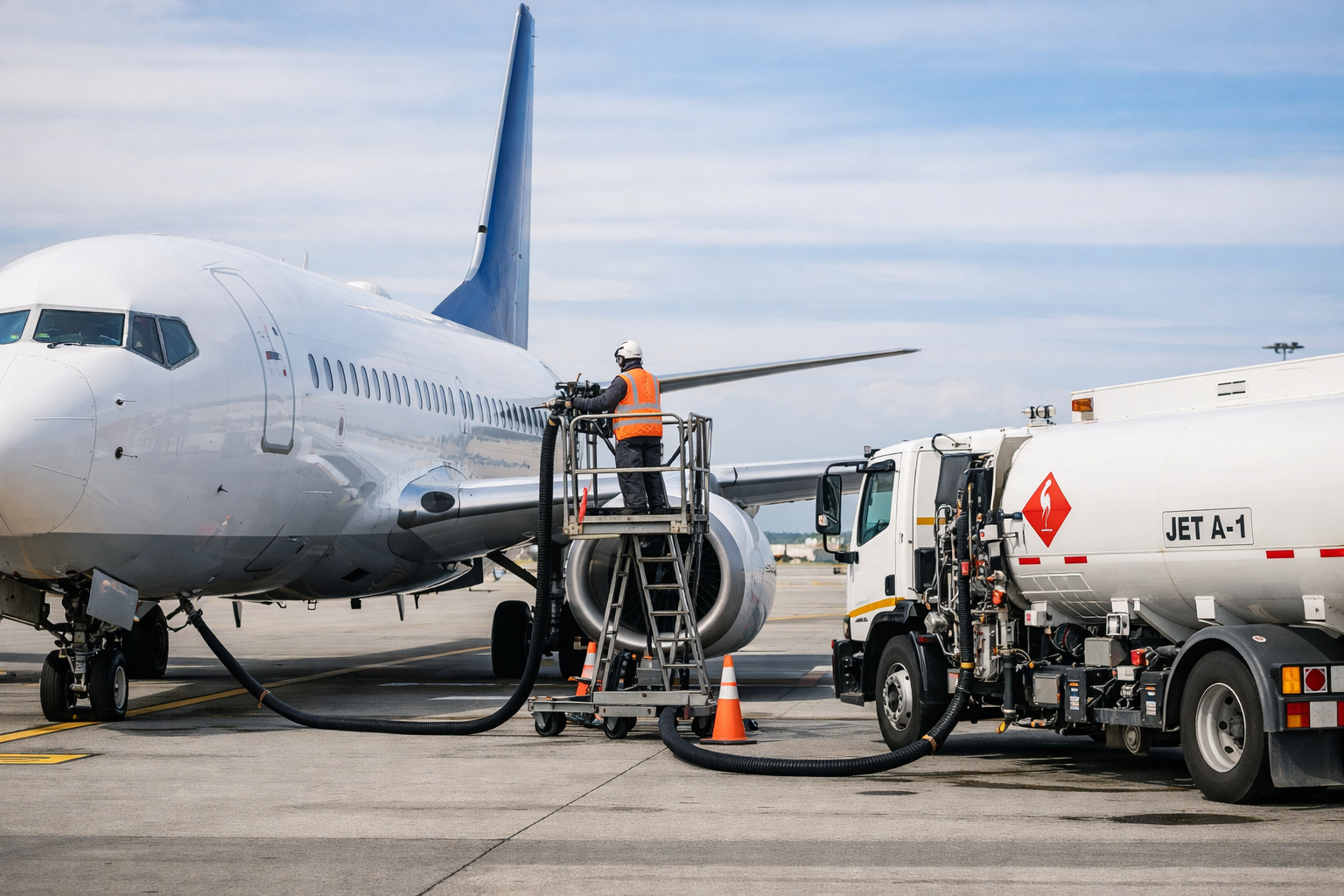
Airfare prices may rise with increasing fuel costs, and the government is considering urgent measures to avoid a direct impact on the wallets of Brazilians.
-
Chocolate prices soar nearly 15% and become a luxury item for Easter 2026, with increases surpassing inflation and changes in Brazilian consumption habits.


The new fee will be applied to Amazon’s fulfillment service in the United States and Canada, as well as international shipments from the U.S. to Canada, Mexico, and Brazil.
This means that products purchased from American sellers and shipped to Brazil through Amazon’s fulfillment will have this new fee included in the shipping costs, which may increase the purchases of Brazilians seeking imported products through the platform.
When does Amazon’s new fee take effect and why now
The new fee takes effect on April 17, 2026. Amazon justified the decision by citing the high and persistent costs of fuel and logistics.
“When costs remain high, we implement temporary surcharges on our fulfillment fees to recover a portion of the actual cost increases we are experiencing,” the company said in a statement.
The context is clear: the war in the Middle East has raised global energy prices, making the transportation of goods more expensive throughout the logistics chain.
Amazon’s new fee is not an isolated case; UPS and FedEx have already adopted similar surcharges, and the U.S. Postal Service plans an 8% increase in shipping prices starting April 26. The entire e-commerce sector is passing the costs of the energy crisis onto the consumer.
How Amazon’s new fee affects those buying from the U.S. here in Brazil
For Brazilians buying products from American sellers through Amazon, the new 3.5% fee will be felt in shipping costs and potentially in the final price of the products.
Remote fulfillment shipments from the United States to Brazil are among the services covered by the new fee, meaning that any product shipped by sellers using Amazon’s logistics will incur an additional cost.
The exact impact of the new fee depends on the product’s value and the shipping cost, but for higher-value purchases, the additional 3.5% can be significant.
Combined with import taxes, exchange rates, and international shipping, Amazon’s new fee makes purchases from the U.S. even more expensive for Brazilian consumers, especially at a time when the dollar is already pushing up the prices of imported products.
The new fee is temporary, but no one knows for how long
Amazon classified the new fee as “temporary,” but did not set an end date. The company conditioned the removal of the new fee on the normalization of fuel and logistics costs, which, in the current context of conflict in the Middle East and instability in energy prices, may take months or even years.
Precedents show that “temporary” surcharges in the logistics sector often last longer than expected.
FedEx, for example, has already implemented and maintained fuel surcharges that have become a permanent part of its pricing structure over time. Amazon’s new fee may follow the same path if global energy costs do not decrease.
Your online purchases will become more expensive: what to do about Amazon’s new fee
Amazon’s new 3.5% fee is yet another cost added to an already unfavorable scenario for consumers: high energy costs, expensive logistics, unfavorable exchange rates, and inflation in transportation costs.
For those who frequently shop on Amazon, especially for products coming from the United States, the impact will be felt directly in their wallets starting April 17.
The new fee is temporary, according to Amazon. But for as long as it lasts, the cost will fall on the consumer. And given the pace at which logistics costs are rising worldwide, “temporary” can be a very elastic concept.
Do you shop on Amazon and have you noticed an increase in prices or shipping? What do you think of the new 3.5% fee? Will it change your shopping habits? Let us know in the comments.








Seja o primeiro a reagir!