





 Portuguese
  English
  Spanish
  3 min of reading
  0 comments


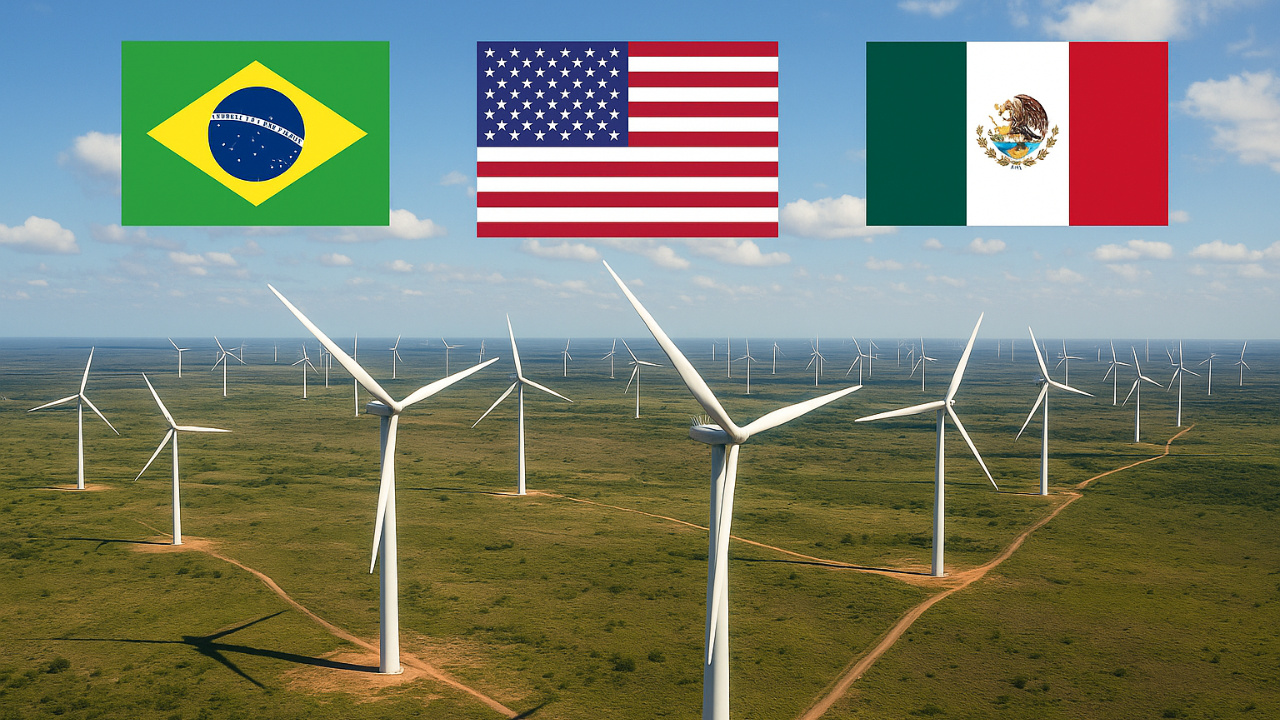
Brazil, United States and Mexico Consolidate Leadership Position in Wind Energy Production in the Americas, with 12% Expansion in Installed Capacity and Continuous Growth Projection Until 2023, According to the Global Wind Energy Council (GWEC).
The wind energy sector continues to expand strongly in the Americas, as reported this Tuesday, 07. Recent data from the Global Wind Energy Council (GWEC) indicates that Brazil, the United States, and Mexico remain the main producers in the continent, together accounting for 25% of the global installed capacity of this renewable source.
The total installed capacity in the Americas reached 135 gigawatts (GW), a significant increase of 12% compared to 2017. The trend is one of continuous growth. Between 2019 and 2023, an addition of more than 60 GW to the regional energy matrix is expected, driven by public policies and competitive auctions.
Brazil Emerges as Leader in Wind Energy in South America
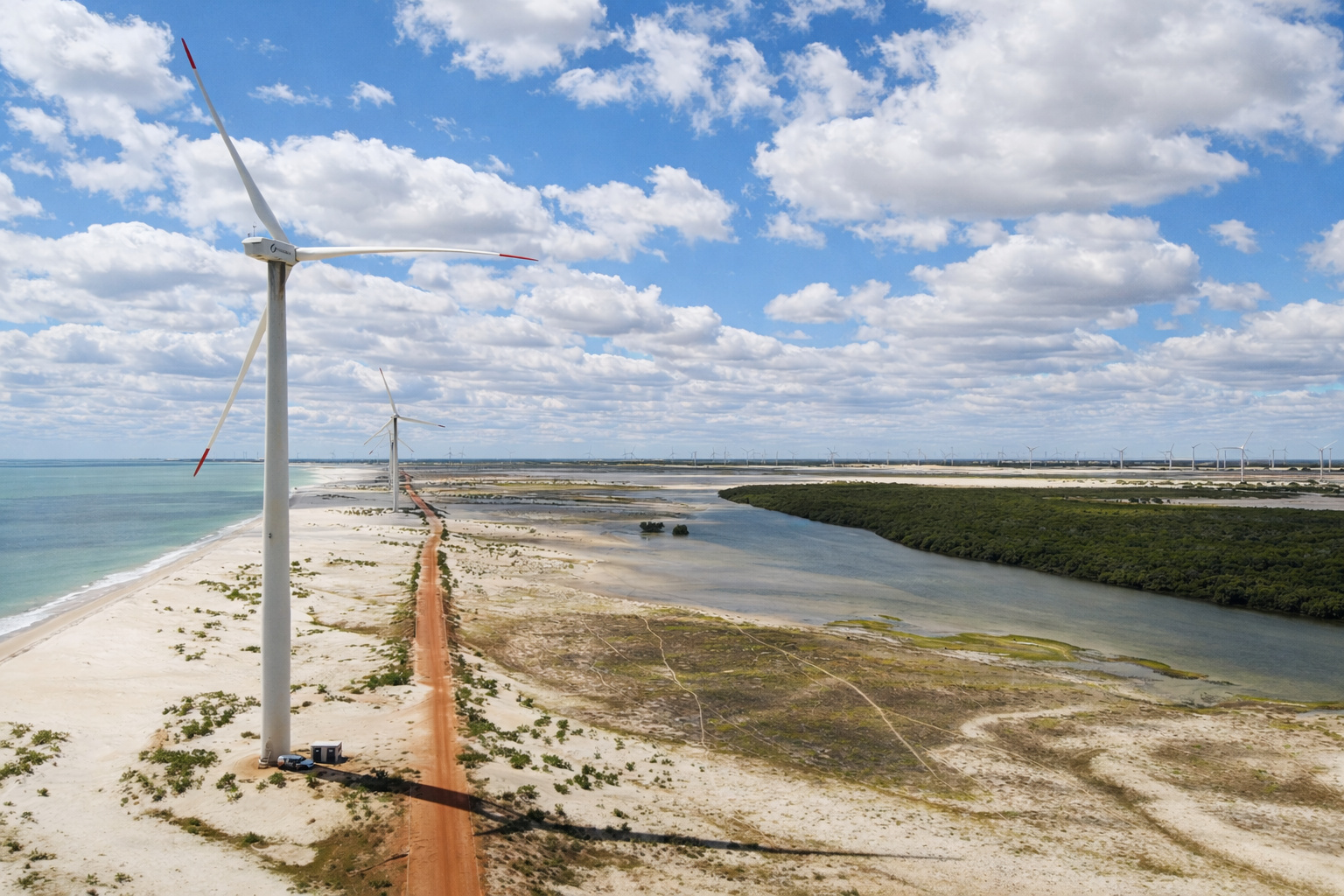
In the Latin American scenario, Brazil stands out as the largest producer of wind energy. Only in 2018, the country added 2 GW of capacity to its power system and established itself as a global reference in competitive pricing auctions, reaching values close to US$ 20 per MWh, according to GWEC.
-
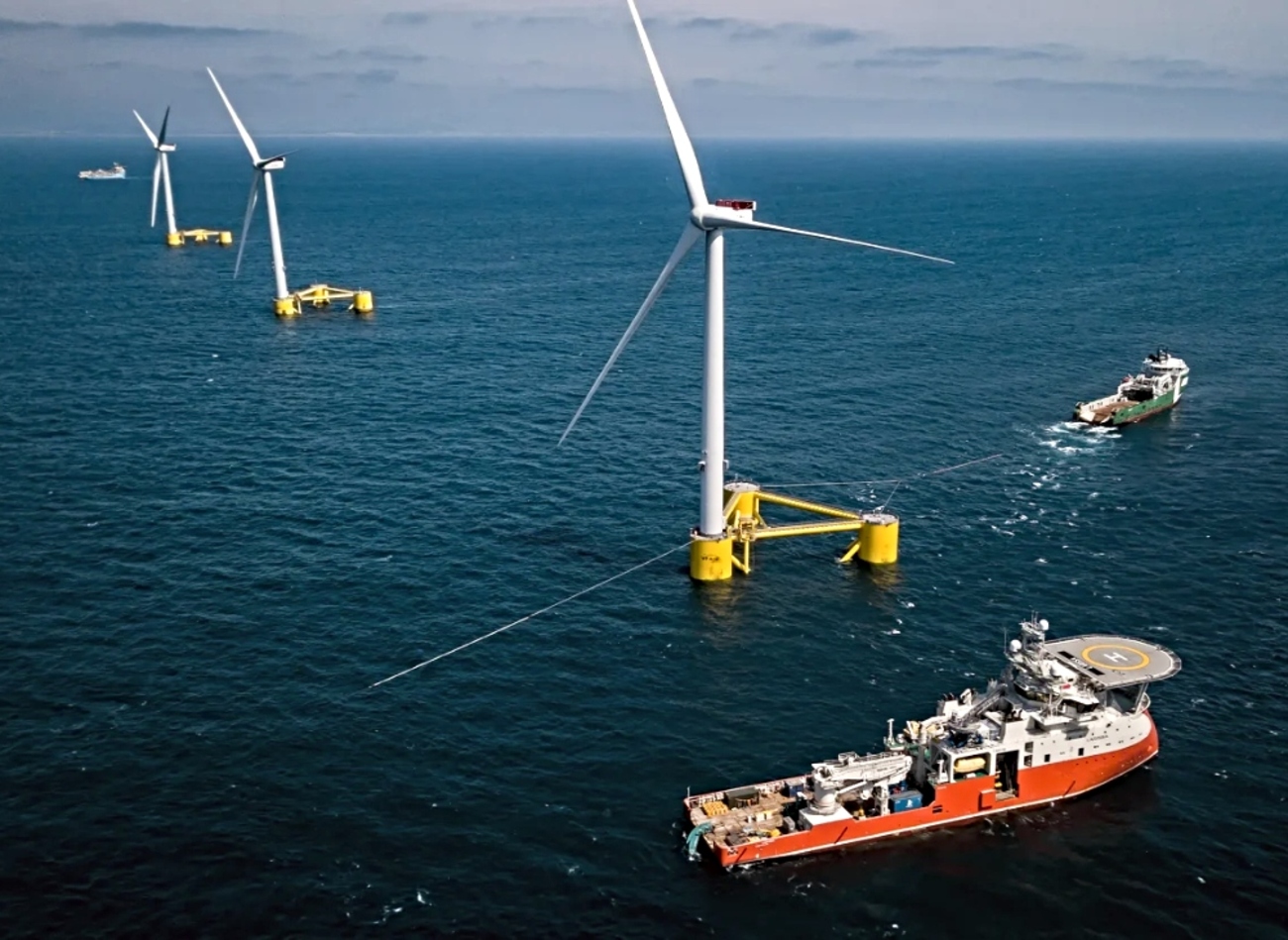
Investment in offshore wind energy could reach R$ 900 billion and promises to transform Brazil’s energy matrix in the next decade.
-
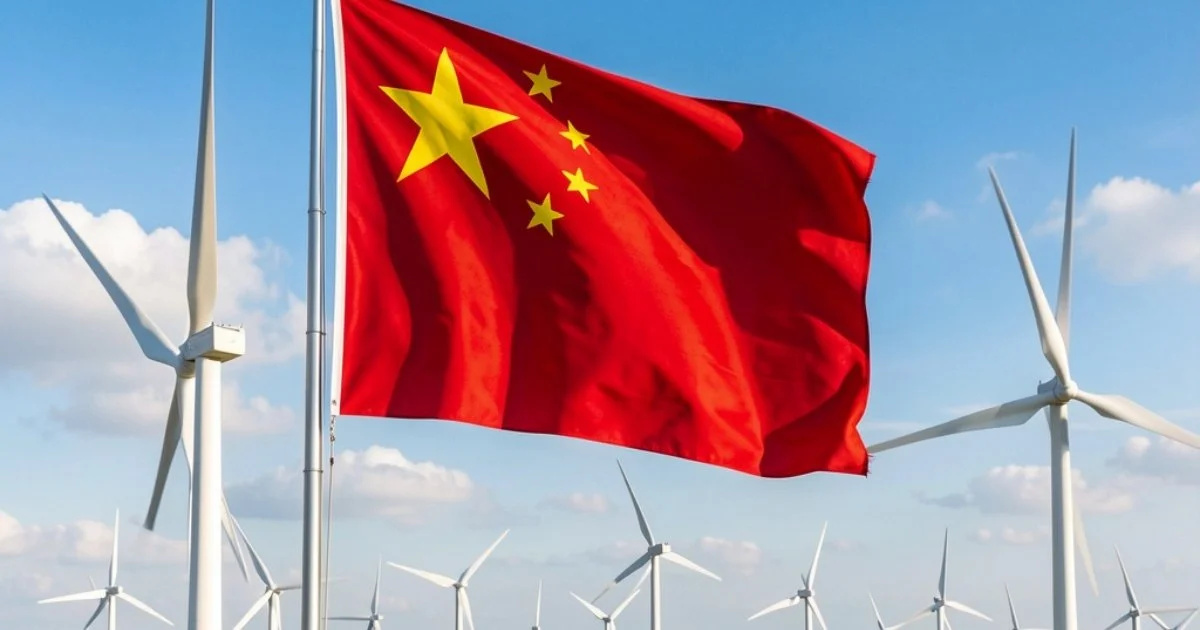
China accelerates offshore wind energy and sets new installed capacity records to lead global decarbonization.
-
Giant of the winds in Rio Grande do Norte: Serra do Tigre Wind Complex receives new investments and accelerates the expansion of clean energy generation to supply millions of Brazilian homes.
-
Urgent energy transition: Greenpeace advocates for massive investments and points to Brazil as a global leader in wind energy production in the coming years.
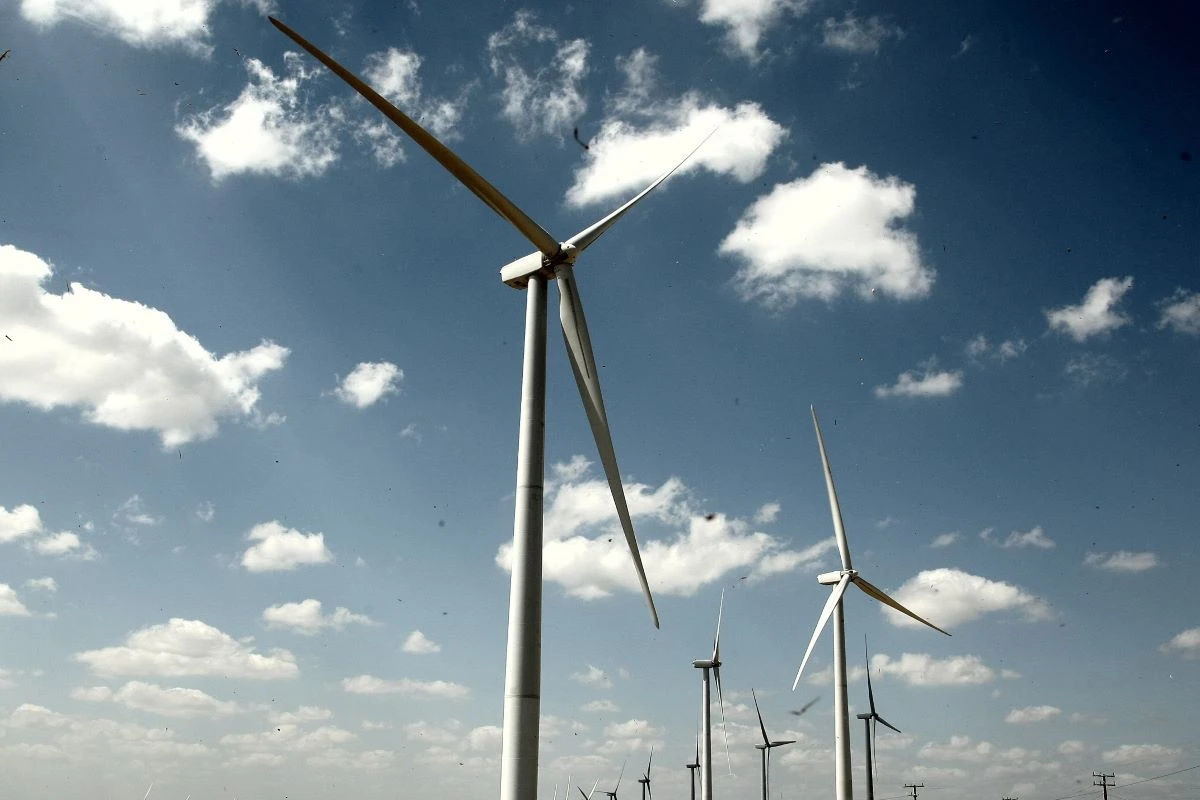
The Secretary of Planning and Energy Development of the Ministry of Mines and Energy, Reive Barros, emphasizes the progress of the Brazilian wind matrix. “Brazil currently has an installed wind energy production capacity of 14.7 GW. This represents about 8% of the total in the Brazilian energy matrix. The goal is for this percentage to rise to 13% in the next 10 years.”
The Brazilian Northeast accounts for 85% of national production, highlighting Piauí, Rio Grande do Norte, and Bahia. According to Barros, Bahia is expected to take the lead in the medium term, thanks to its territorial extension and wind potential. To sustain the pace of expansion, two new auctions are planned for 2025, focusing on the deployment of wind farms within four to six years.
Growth of Wind Energy is Driven by Auctions and New Investments
Latin America has been strengthening its presence in the sector with the support of energy auctions and incentive policies. GWEC emphasizes that this model has been crucial in attracting investors and developing the production chain.
According to Ben Backwell, the executive director of the council, “the development of the wind energy market in Latin America appears to be quite positive. Brazil has once again conducted large-scale auctions and we expect the first auction in Colombia to occur this February.” He adds that the investment from manufacturers in Argentina demonstrates the long-term potential of the regional market.
In 2018, the Americas recorded 11.9 GW in new installed wind capacity, an average increase of 12% over the previous year. In North America, the growth was 10.8%, while in Latin America, the jump reached 18.7%, driven mainly by Brazilian and Mexican projects.
Wind Energy Sector Continues to Rise with Global Support from GWEC
Based in Brussels, Belgium, GWEC is one of the leading entities in the wind energy sector worldwide. It brings together more than 1,500 companies and organizations from over 80 countries, including manufacturers, research institutes, banks, and insurance companies.
The institution has been active in advocating for sustainable energy policies and promoting investments that accelerate the transition to clean sources. With technological advancements and reduced production costs, wind energy remains one of the most promising pillars of the global energy matrix — and the Americas have played a decisive role in this transformation.







Seja o primeiro a reagir!