





 Portuguese
  English
  Spanish
  5 min of reading
  0 comments


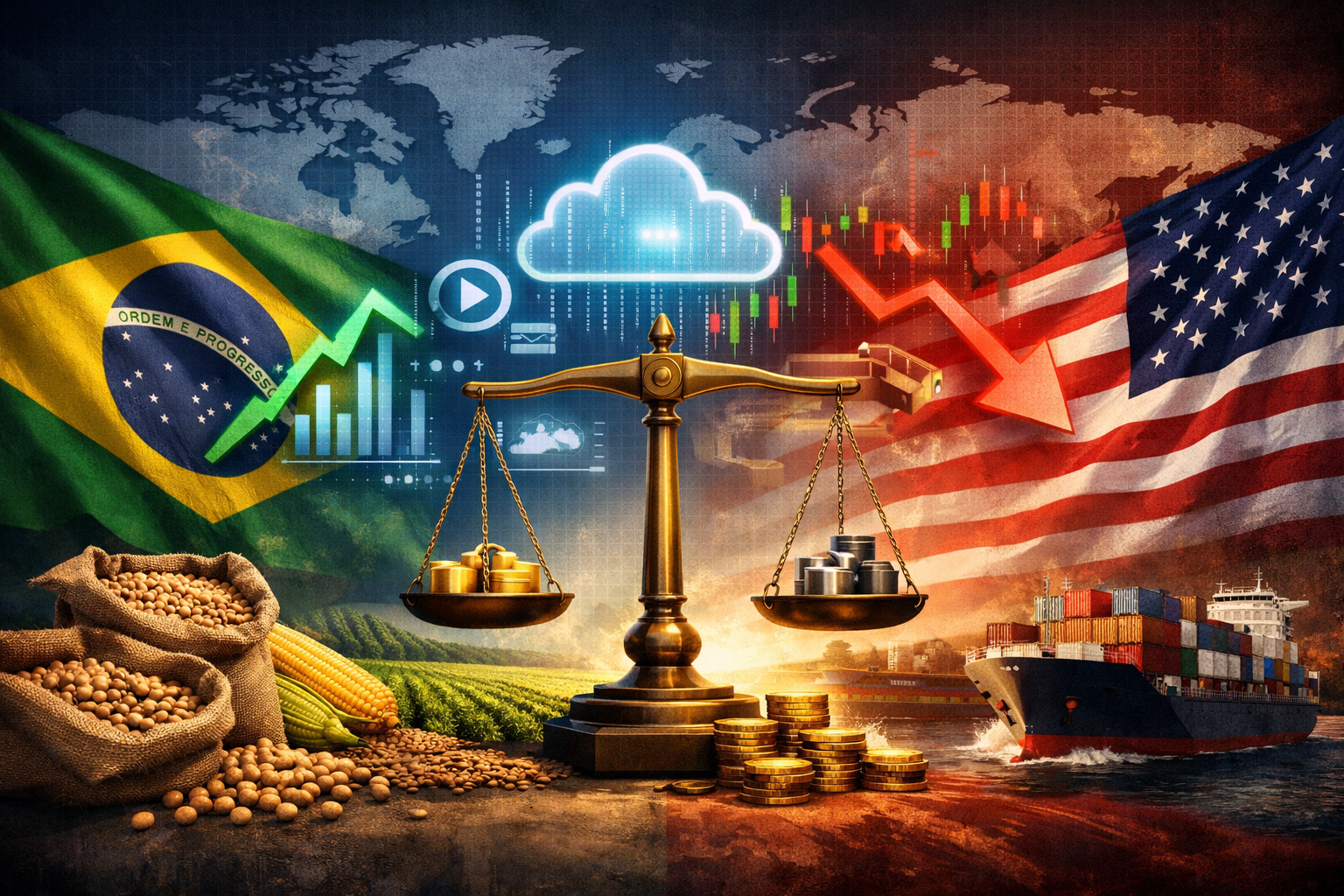
Brazilian decision at the WTO exposes global dispute for economic power and intensifies tension between developed and emerging countries
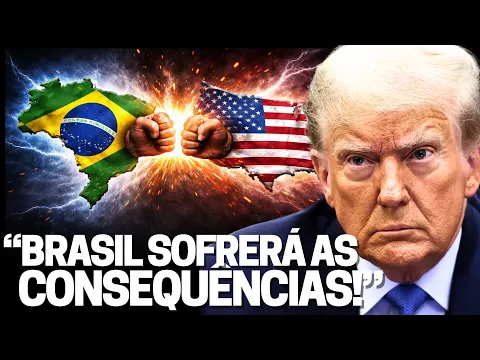
The recent decision by the Brazil to block a proposal from the United States at the World Trade Organization (WTO) triggered a new international diplomatic crisis, reigniting debates on digital trade, agricultural protectionism, and the balance of power between developed and developing countries.
This information was released by the channel Professor Ricardo Marcílio, based on analyses from experts in geopolitics and international trade, as well as recent discussions at the WTO summit held in Cameroon, with negotiations continuing in Geneva.
In this context, Brazil’s positioning not only surprised part of the international community but also highlighted a historical clash: on one side, major economic powers advocating for the liberalization of digital trade; on the other, emerging countries demanding reciprocity and fairness in global trade rules.
-
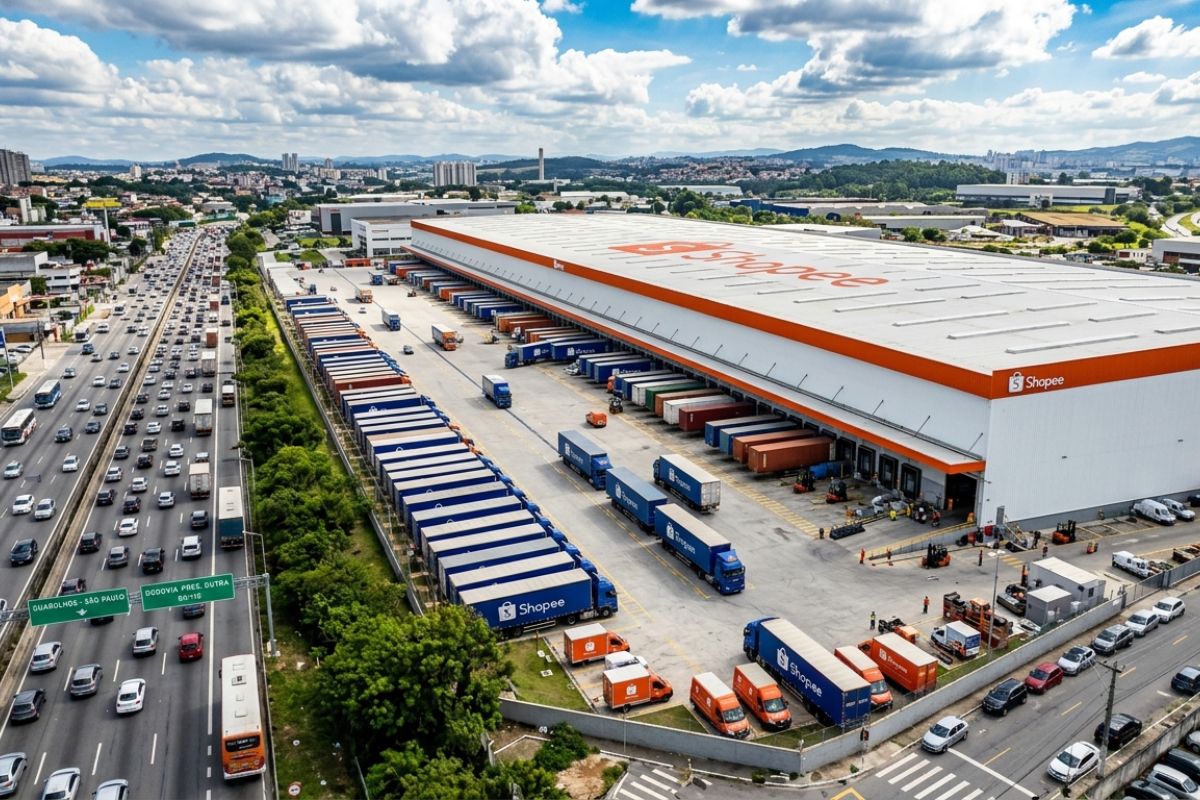
Shopee opens the largest logistics warehouse in Brazil in Guarulhos: 220,000 m² on Dutra, contract signed before construction, pays R$ 45/m² and accelerates deliveries at scale, putting pressure on Mercado Livre and Amazon.
-
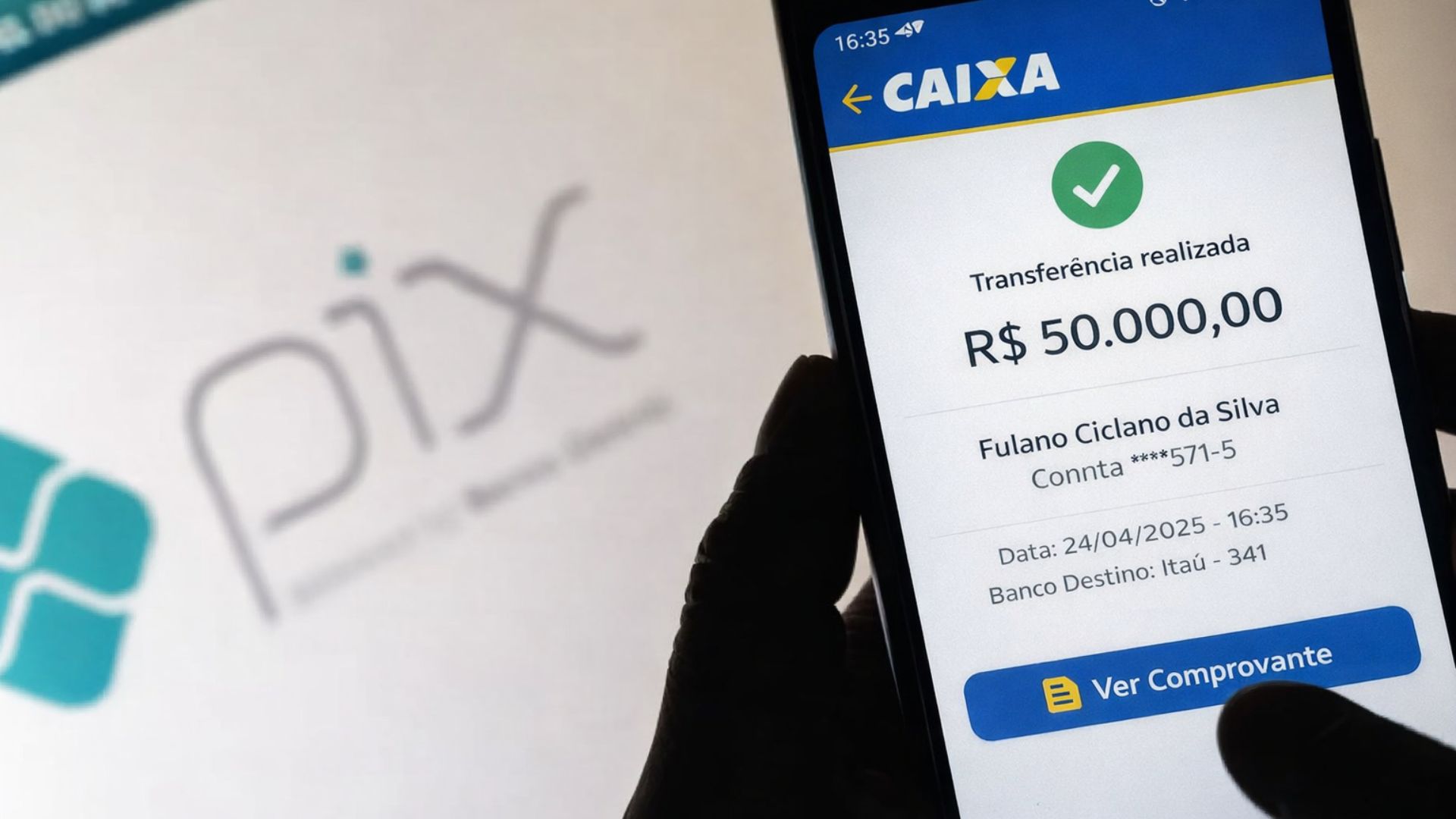
After mistakenly transferring R$ 50,000 via Pix, a man will receive the amount back along with R$ 10,000 for moral damages from the recipient.
-
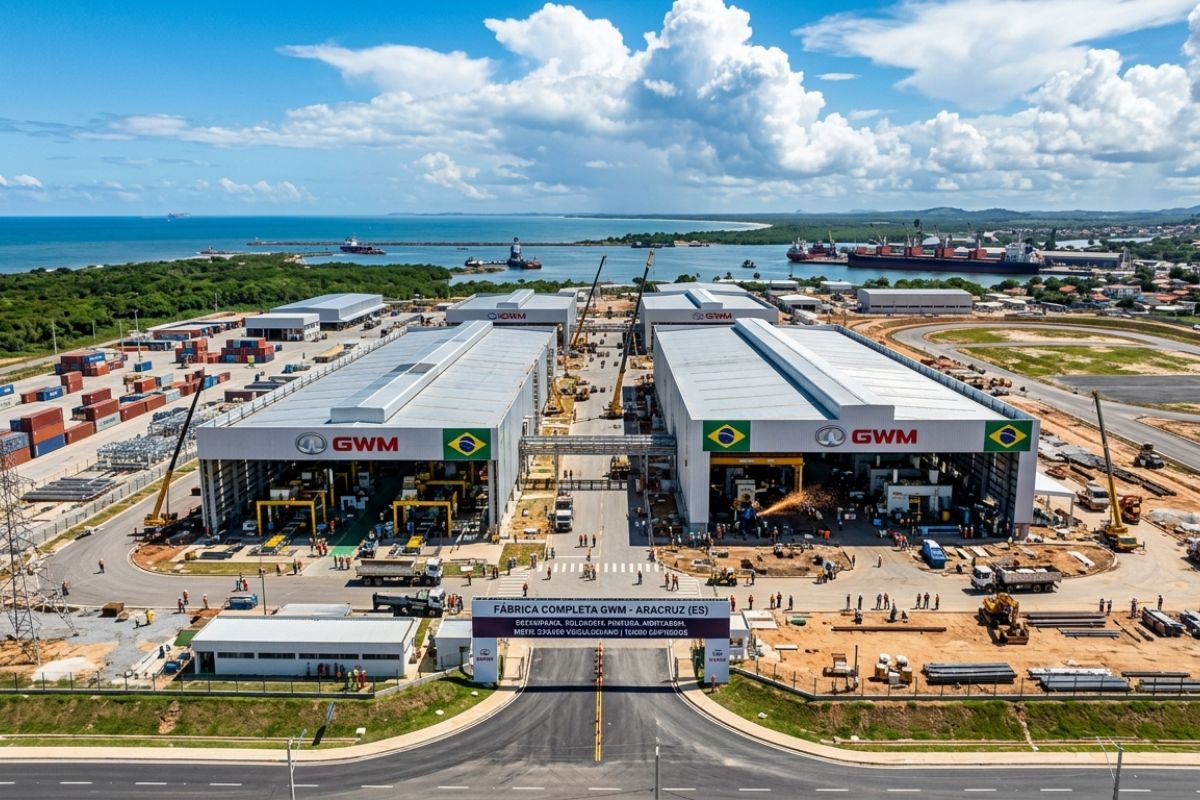
GWM chooses Aracruz and puts Espírito Santo on the automotive map: a complete factory in the Americas, with stamping, welding, painting, and assembly, aiming for 200,000 vehicles per year and up to 10,000 jobs.
-
Labor shortages are prompting Portugal, Spain, Germany, and Canada to open up opportunities for foreigners in 2026, with salaries ranging from 920 euros in Portugal to 50,700 euros per year in Germany.


Furthermore, Brazil’s decision comes at a delicate moment, marked by rising global tensions and disputes for economic influence, especially in strategic regions like Latin America.
Understand the role of the WTO and the origin of the conflict between Brazil and the United States
To understand the magnitude of this trade crisis, it is essential to look back in time and understand the role of the World Trade Organization. Established in the 1990s, the WTO emerged as an evolution of the GATT (General Agreement on Tariffs and Trade), established in the post-World War II era, based on the guidelines of the Bretton Woods Agreement of 1944.
The main objective has always been to reduce tariffs, stimulate free trade, and avoid economic conflicts that historically contributed to wars and global crises. After all, disputes over markets, raw materials, and territories were determining factors for conflicts such as the two world wars.
However, despite the proposal to promote a more balanced trade, the practice has proven to be much more complex. This is because each country seeks to protect its own strategic interests, which generates constant deadlocks within the organization.
A clear example of this occurred in 2001, during the Doha Round in Qatar. At that time, developing countries, led by Brazil and the G20, demanded the end of agricultural subsidies granted by wealthy countries.
On the other hand, developed nations argued that such subsidies are essential to ensure food security, emphasizing that sectors like food, energy, and defense cannot rely solely on imports.
Thus, a deadlock was created that remains to this day: while emerging countries call for equal conditions, wealthy countries maintain protectionist practices to preserve their internal economies.

Digital trade, tariffs, and the current crisis that could impact the world
More recently, the focus of discussions has shifted to digital trade — a sector that has grown exponentially since the late 1990s.
Since 1998, there has been a sort of moratorium within the WTO that prevents the imposition of tariffs on digital services, such as downloads, streaming platforms, and other virtual products. Traditionally, this rule was renewed every 2 years.
However, the United States proposed a significant change: to extend this exemption for a period of 4 years, with the possibility of extending it to up to 5 years.
Initially, Brazil suggested maintaining the 2-year timeframe. Later, it showed willingness to accept 4 years, provided there was a review midway through the period. Still, the final proposal was categorically rejected by the country.
And why?
The Brazilian government argues that waiving taxation on digital services means losing an important source of fiscal revenue — resources that could be reinvested in the country itself.
Moreover, Brazil emphasizes that the rapid growth of digital trade requires frequent revisions of the rules, as the sector evolves quickly.
On the other hand, the United States argues that the exemption strengthens the global digital economy and directly benefits big tech companies, which have enormous economic and political influence, especially with support from Silicon Valley.
Consequently, the deadlock has escalated. According to the Americans, this is not an isolated veto from Brazil, but a blockade led by Brazil and Turkey against a group of 164 countries in favor of the proposal.
Agriculture, protectionism, and Brazil’s demand for reciprocity
Another central point raised by Brazil concerns agriculture — a sector considered essential and which, according to the country itself, has made the least progress in WTO negotiations over the past 30 years.
The Brazilian government, through statements from Minister Mauro Vieira, reinforced that it is not coherent to demand exemption for digital services while developed countries maintain high tariffs and agricultural subsidies.
In other words, Brazil advocates the principle of reciprocity: if there is liberalization in one sector, it should also occur in others.
This argument gains even more strength when considering that food is a strategic product, fundamental for the survival of populations.
Therefore, Brazil’s position is not only economic but also political and strategic, seeking greater balance in the rules of international trade.
Geopolitical impacts and the risk of retaliation from the United States
In light of this scenario, experts point out that Brazil’s decision could generate significant consequences in the geopolitical arena.
In a context of an election year and competition for influence in Latin America, the United States has an interest in strengthening its presence in the region. Countries like Brazil and Colombia, which are undergoing electoral processes, become even more strategic.
Furthermore, recent history shows divergences between the two countries on issues such as military agreements, trade tariffs, and the exploitation of natural resources, such as rare earths.
As a result, the risk of economic retaliation or indirect pressure measures from the United States increases.
At the same time, the episode reignites a broader debate about the very structure of the WTO, including questions such as:
- Who defines the rules of global trade?
- Should developing countries receive differentiated treatment?
- How to deal with powers like China and India, which present hybrid characteristics?
These questions show that the conflict goes far beyond digital tariffs — it is a struggle for power and influence on the global stage.
In light of this scenario, did Brazil make the right choice by demanding reciprocity in global trade, or does it risk facing retaliations that could impact its economy in the coming years?





Seja o primeiro a reagir!