





 Portuguese
  English
  Spanish
  3 min of reading


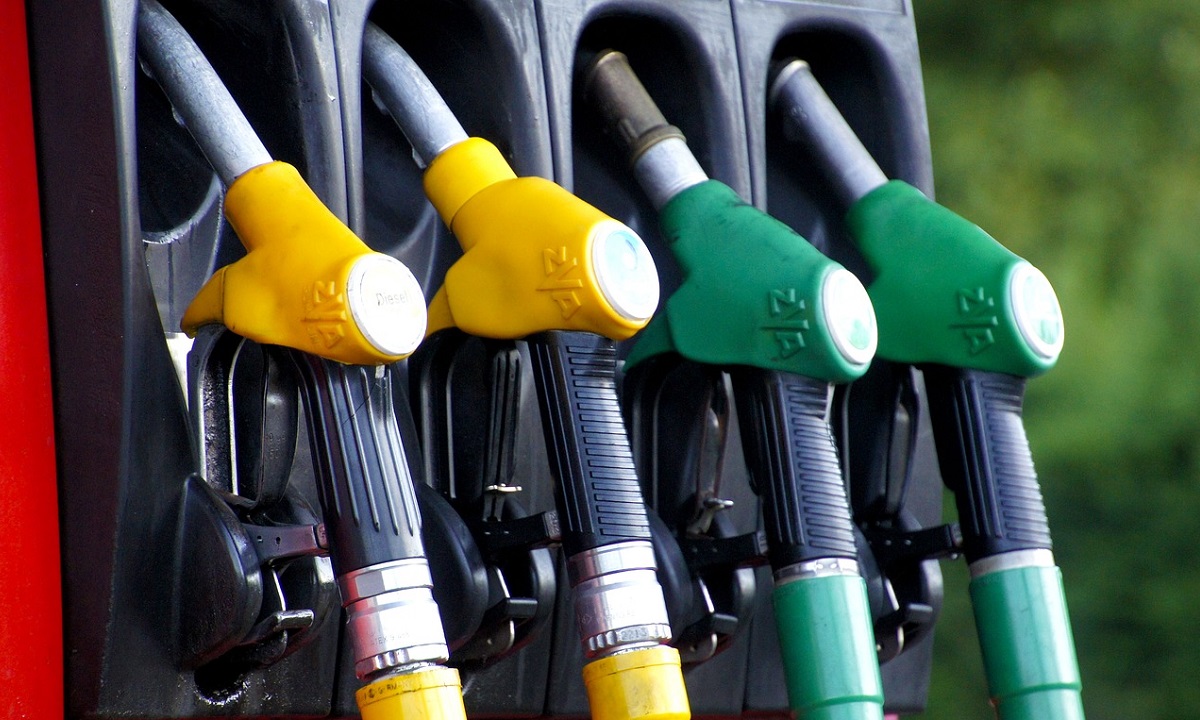
The New Bill Created By The Government Foresees An Improvement In National Energy Policy, Increasing Competition In The Fuels And Energy Sector
In yet another activity focused on alleviating the nightmare of high fuel and energy prices, the government has instituted a new Bill aimed at modifying the rules of the National Energy Policy to allow third-party access to transportation pipelines and waterways terminals.
The message sending the text was published in the Official Gazette of the Union (DOU) on Friday, the 19th. According to government information, the proposal aims to maximize the use of pipelines and terminals, “with the objective of increasing competition in the fuels and energy market, encouraging investments, and thus providing for the reduction of fuel and energy prices for consumers.”
“The government proposal, which was developed by the Ministries of Mines and Energy (MME) and Economy (ME), aims to strengthen the performance of the ANP (National Agency for Petroleum, Natural Gas and Biofuels) in ensuring third-party access to the transportation infrastructures of the oil and biofuel industries. The measure is based on the pillars of transparency, respect for contracts, and the action of the regulatory agency in cases of conflict,” the MME note informs.
-
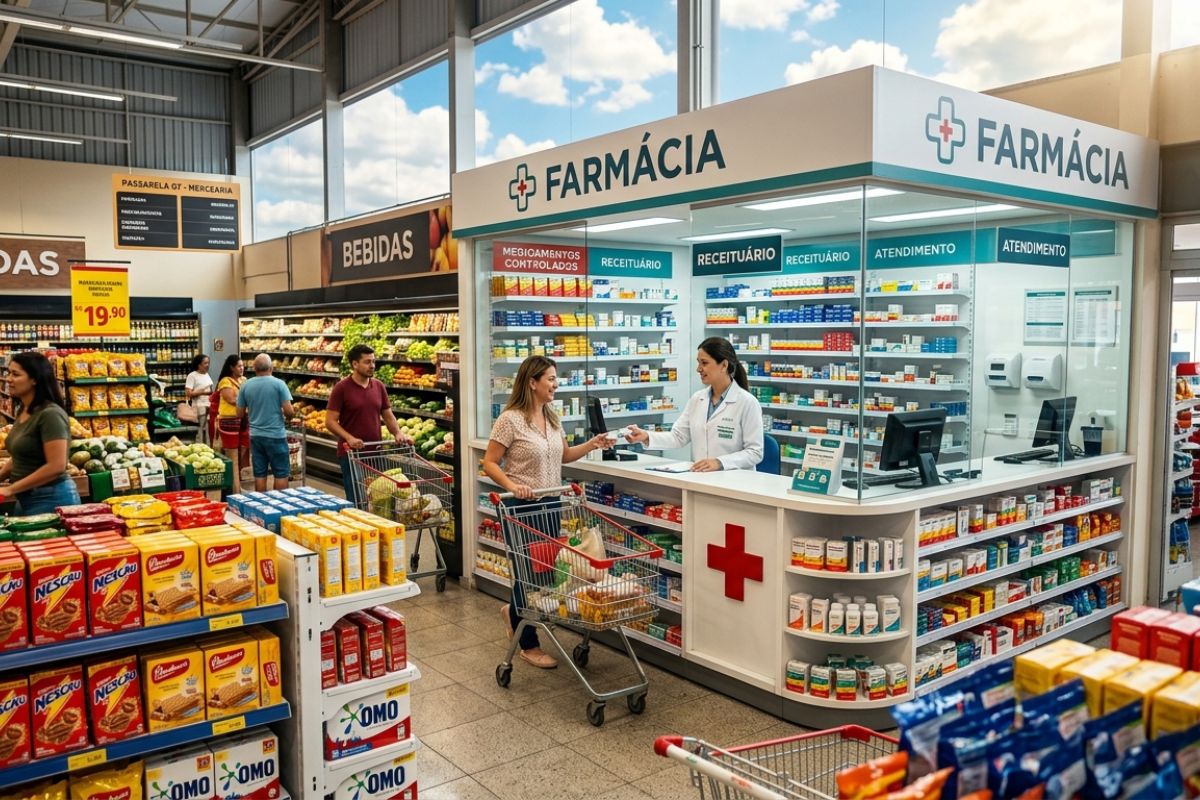
Pharmacy inside the supermarket: what changes now in your purchase, why medicines won’t go on the shelves, which rules remain strict, mandatory pharmacist, separate space, controlled storage, more convenience and competition in the country.
-
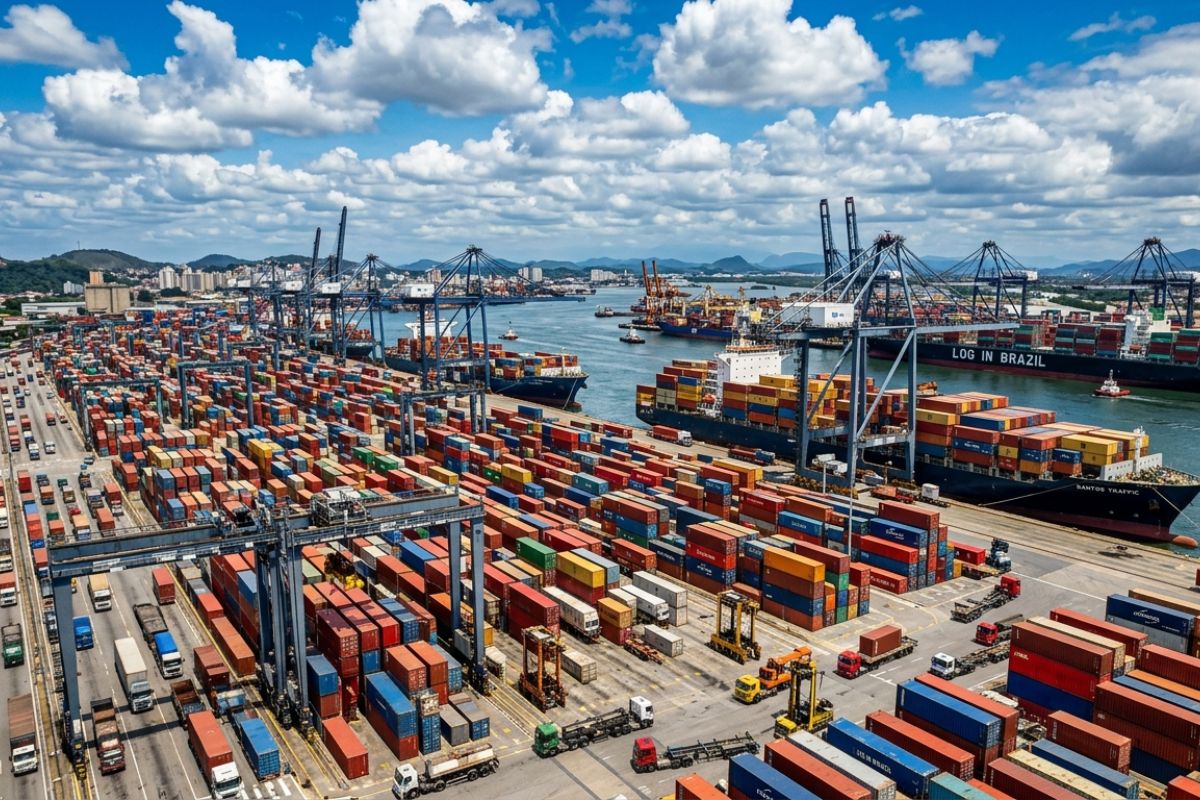
Ports like Santos and Paranaguá are operating at their limits and may block containers as early as 2030, warns a study by Macroinfra; bottlenecks increase costs and delays and push cargo to Rio, Salvador, Pecém, and Suape across Brazil.
-
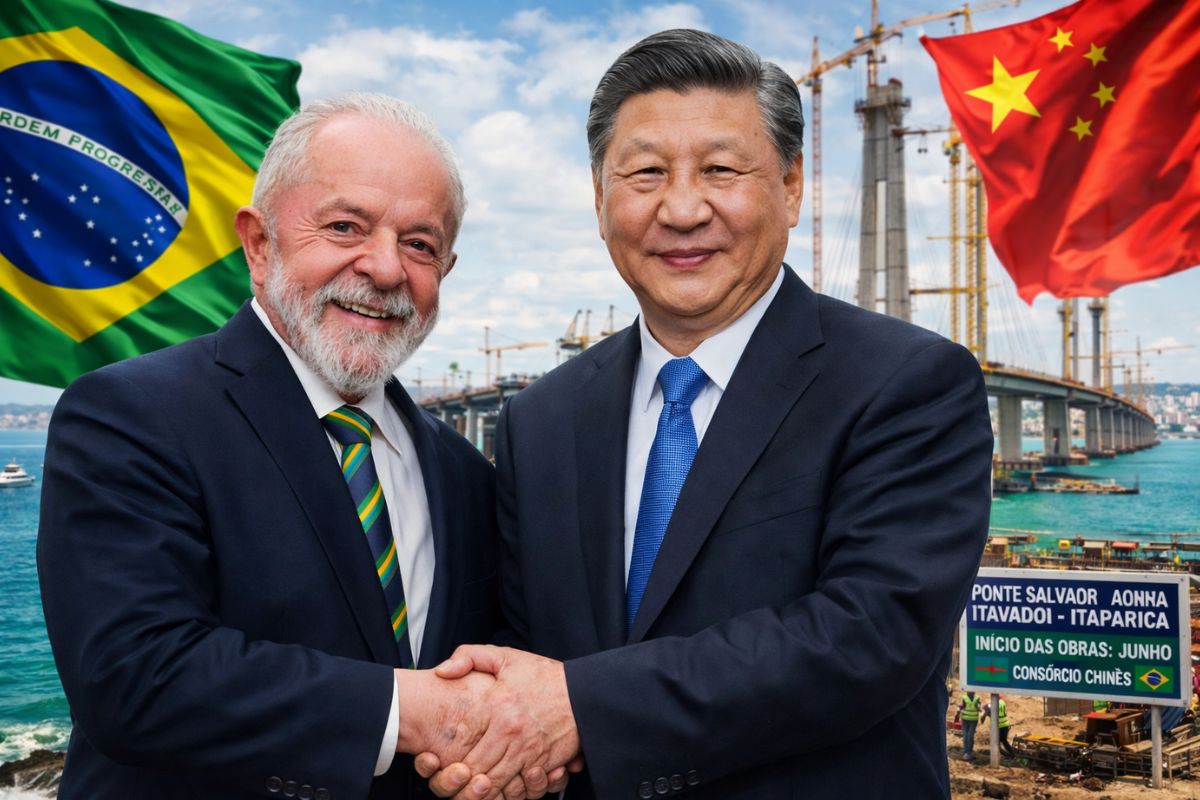
Lula reveals in an interview that he asked President Xi Jinping three times to invest in a major project in Brazil, the Salvador-Itaparica bridge, which is set to begin in June with the participation of a Chinese consortium and is expected to be extraordinary, according to the president.
-
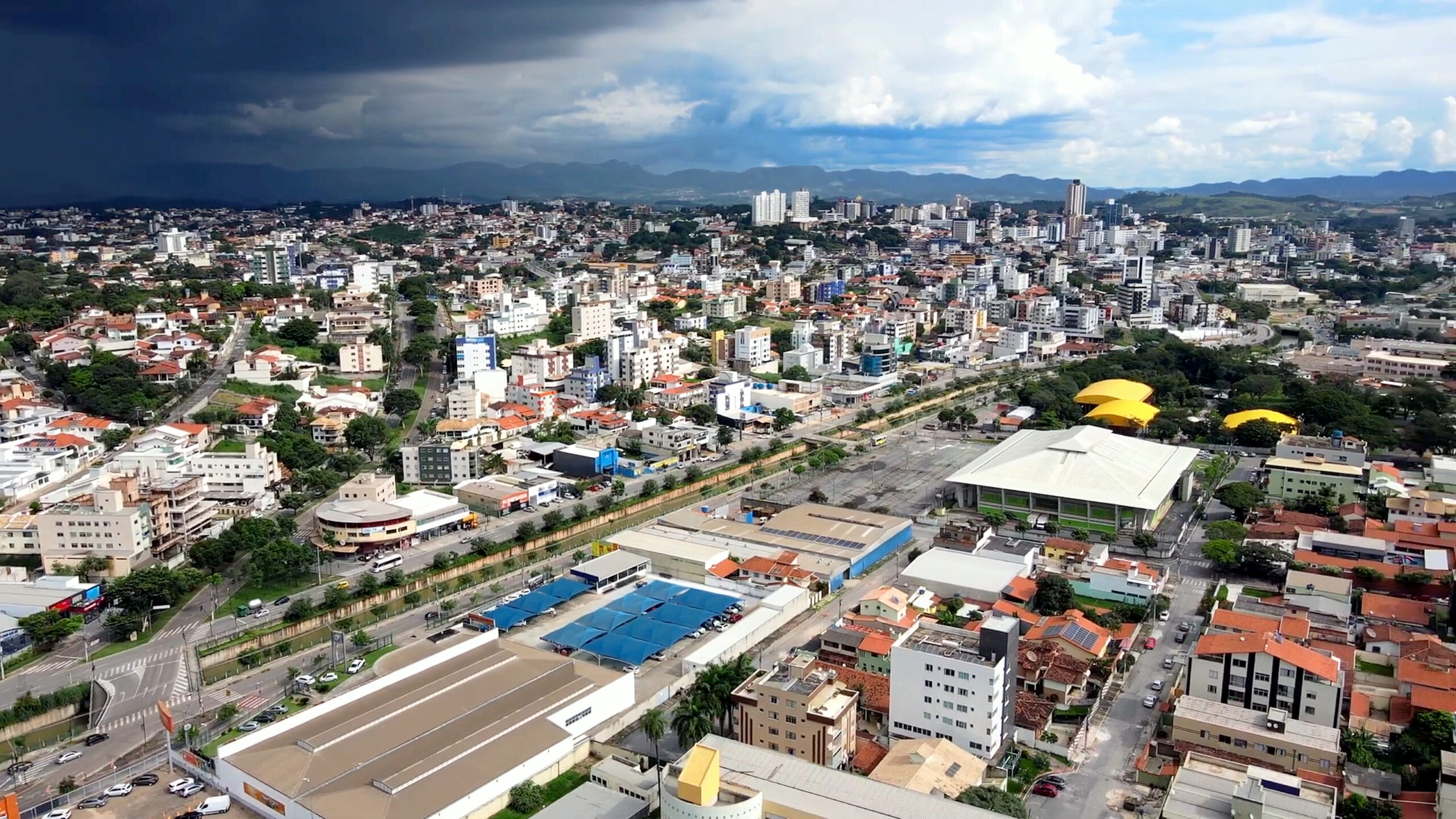
Neighboring city of Belo Horizonte has properties starting at R$ 139,000 with 90 m² and a price per square meter much lower than the capital, even concentrating automotive, petrochemical, and logistics hubs.

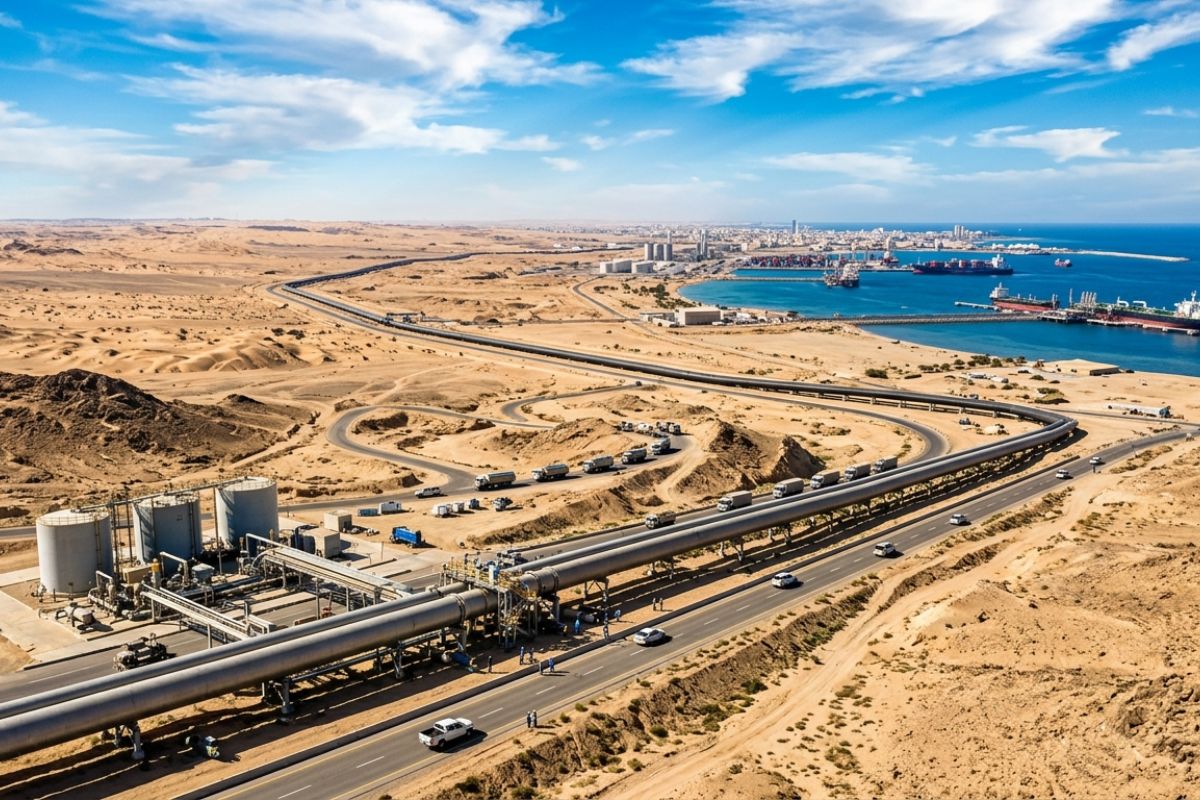
According to the document, the bill aimed at greater competition in the government fuels and energy sector provides that unused capacity of transportation pipelines and waterways terminals will be available for contracting by any interested party, as stipulated in the regulation.
MME Also Highlights That ANP Will Have New Instruments for Analysis With The New Government Bill
The MME further explains that if the new government bill is approved, the ANP will have new instruments to curb misconduct by regulated agents that are contrary to the access rules.
“This initiative should promote the maximization of the use of transportation pipelines and waterways terminals and, consequently, lower logistical costs and contribute to ensuring national supply, with the potential for reducing fuel and energy prices.”
The government also states that the measure is structural and essential in the context of opening up the fuels and energy market, especially with the process of selling Petrobras’ refining and logistics assets.
Gasoline Will Have a New Reduction Before The New Bill Comes Into Effect
The president of Sindicombustíveis-DF (Union of Retail Fuel and Lubricant Commerce of the Federal District), Paulo Tavares, declared that gas stations should pass on to customers the new reduction in gasoline prices announced on Monday, the 15th, by Petrobras. For example, yesterday in the Federal District, the price of a liter of gasoline was around R$ 5.20, with the Petrolino Station in Taguatinga selling fuel at R$ 4.99 per liter.
Petrobras reduced the price of a liter of gasoline by 4.8% for distributors in the Federal District, which represented a cut from R$ 3.71 to R$ 3.53. According to the company, the decrease in fuel price could mean an average reduction of R$ 0.13 in prices at gas stations, considering the product composition that is sold, 73% gasoline and 27% ethanol.
“There is nothing in the law that obliges gas stations to immediately lower prices or to transfer reductions from refineries to the final price sold at stations. However, in practice, it always reaches the final consumer, who is always benefited,” Tavares said.





Seja o primeiro a reagir!