





 Portuguese
  English
  Spanish
  4 min of reading
  0 comments



Farmer’s decision in the United States draws attention to prioritize environmental preservation over million-dollar proposal and exposes growing pressure from large enterprises on productive rural lands, amid the advancement of data centers and urban expansion in traditional agricultural areas.
The refusal of an 86-year-old farmer to a proposal exceeding $15 million to sell his land in Pennsylvania, United States, gained attention after he opted for a much smaller agreement to prevent the area from being transformed into a data center and keep the property protected for rural use.
The farmer is Mervin Raudabaugh, not Marvin, as versions of the story have started to record.
Owner of two contiguous properties in Silver Spring Township, Cumberland County, he rejected the offer from developers who would pay about $60,000 per acre, a value that would lead the negotiation to over $15 million.
-
You have probably crossed paths with it and didn’t even notice: the Brazilian tapiti rabbit lives hidden in the forests and may be disappearing without anyone noticing.

-
Explorers investigate one of the most secret locations in the United States.

-
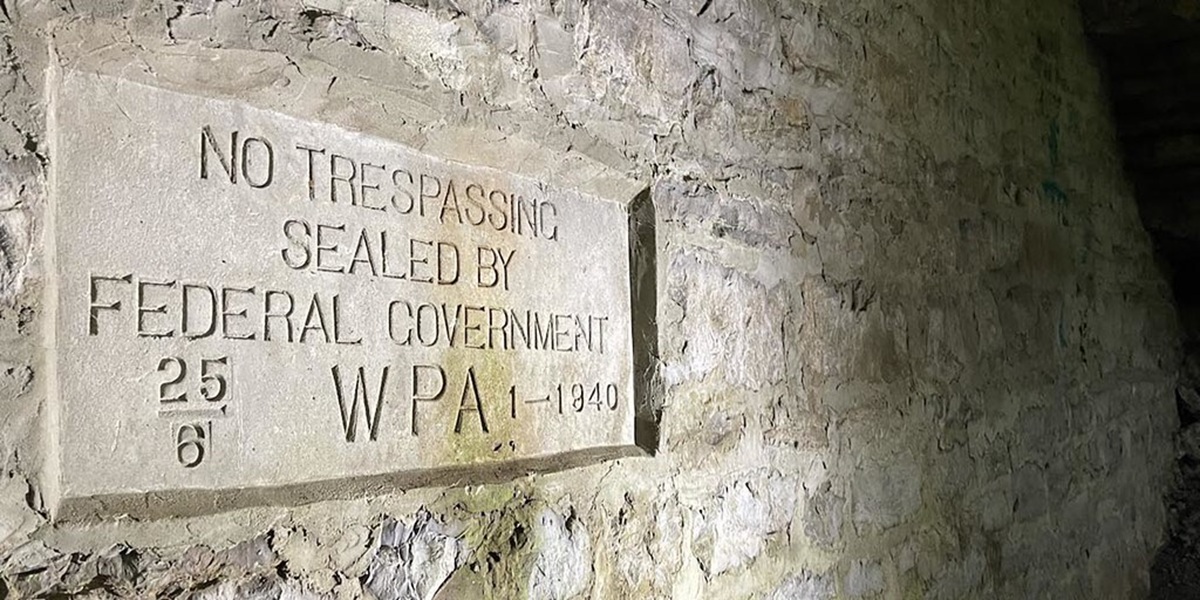
This cave is so enigmatic that the U.S. Government has prohibited anyone from entering it since January 1940.
-
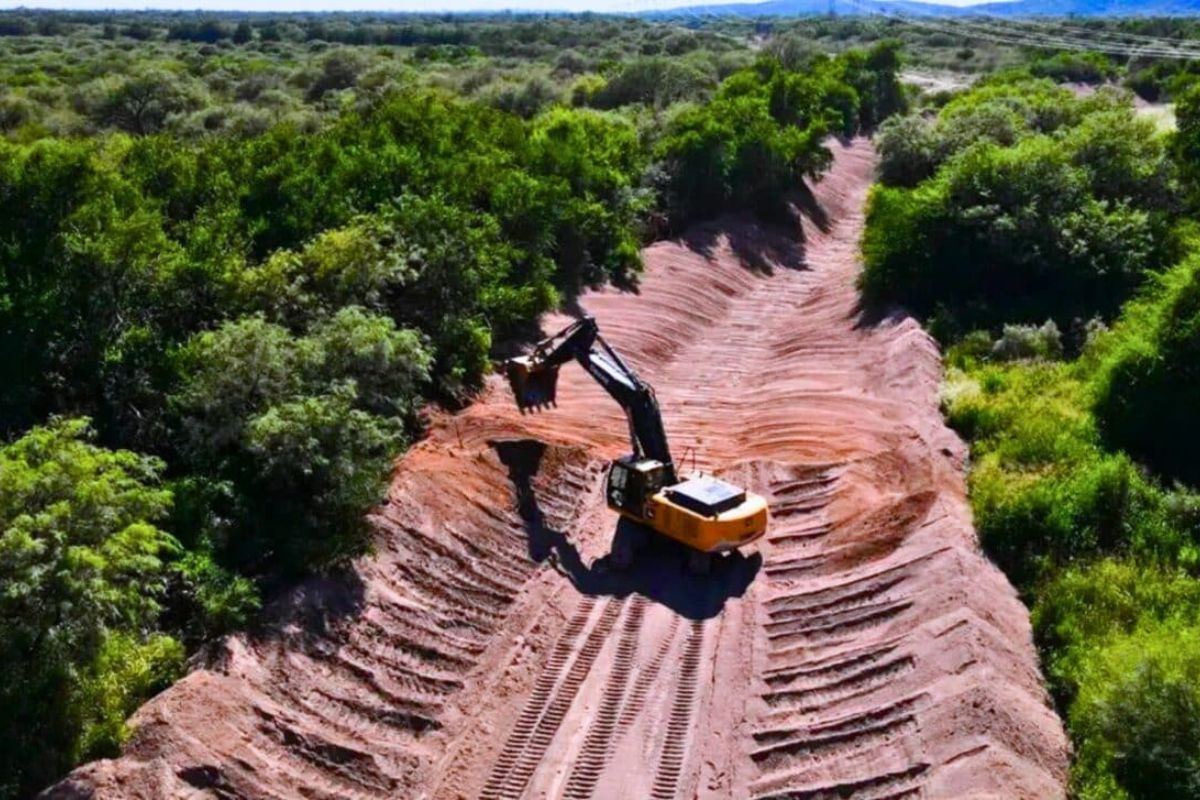
The Argentine province is reconstructing the course of its rivers with 18,000 meters of refurbished channels, using local mining companies that are doing the work for free, and the first real test with heavy rain in March 2026 showed that the water stayed within the banks where it used to flood everything.
Refusal of million-dollar proposal for data center
Instead, Raudabaugh agreed to sell the development rights of the area for approximately $1.9 million within a local land preservation program.

In practice, the decision prevents the space from being converted for real estate or industrial purposes and maintains the agricultural vocation of the farm in the long term.
The area involved in the negotiation totals 261 acres, equivalent to about 105.6 hectares.
The preservation agreement was formalized on December 30, 2025, according to the municipal administration, which also reported that the two preserved lots were the fifth and sixth properties protected that year by the local fund.
Connection to the land influenced decision
Explaining his choice, Raudabaugh told Fox43 that he had no interest in destroying his farms.
At another moment, he reported that the economic aspect was not the central factor of the decision and that the main concern was to prevent two rural properties from being eliminated by the expansion of large enterprises.
His connection to the land helps explain the weight of this refusal. Raudabaugh spent decades working on the property, milked cows for 51 years, raised beef cattle until 2022, and continued to grow corn and soybeans, in addition to associating the farm with family memories.
This emotional component appears repeatedly in the producer’s statements. To People magazine, he summarized his relationship with the property by saying that he loved that land and that it had been his life.
Real estate pressure on rural areas

Still, the choice was not limited to personal attachment.
In interviews reported by the press, the farmer expressed concern about the advancement of urbanization over productive areas and the growing difficulty of family farms surviving in the United States.
According to him, the trend is that only what is formally protected will remain preserved. The statement was made in the context of a region that has already seen warehouses and storage facilities replace rural areas.
Preservation program secured agreement
The mechanism that allowed for the preservation of the area also helps explain why the alternative agreement became viable.
Silver Spring Township has maintained a conservation program since 2014, funded by revenue linked to the protection of farms, forests, and open spaces.
With this fund, the municipality was able to pay the appraised value for the preservation easement and still add an incentive per acre.
The Lancaster Farmland Trust was responsible for the administrative part and for maintaining the agreement.
Local authorities highlighted that the preservation of these two farms had strategic weight within the program.
Preserved area has environmental importance


One of the preserved properties is next to an area of the Appalachian Trail controlled by the U.S. Department of the Interior.
This fact reinforced the argument that the protection of the land involved not only the continuity of agricultural activity.
It also contributes to the maintenance of habitats used by different wildlife species. Raudabaugh reported that the pressure from interested parties was persistent even after the formalization of the preservation.
He stated that he had been intensely sought after by people trying to mediate a profitable sale.
Case gains public repercussion
The public repercussion of the case broadened the reach of the story, especially because it contrasts with the race for suitable land for the installation of data structures.
The decision began to be presented as an example of resistance to economic pressure on rural landowners.
The episode also gave visibility to the model adopted in Silver Spring Township. In the end, the negotiation did not mean the full sale of the farm, but the transfer of development rights for a value much lower than the market.
This choice ensured that the lands remained linked to rural production.






Seja o primeiro a reagir!