





 Portuguese
  English
  Spanish
  5 min of reading
  0 comments


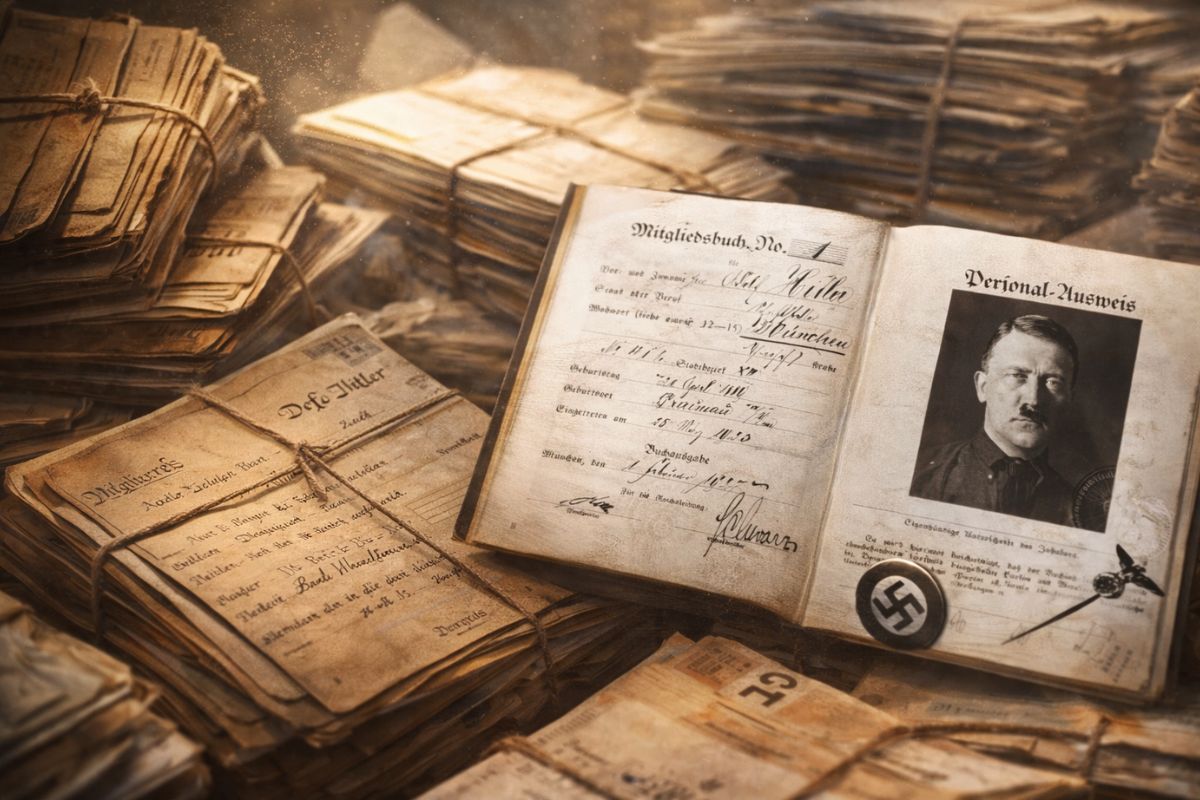
The archives contain data on 6.6 million members of the Nazi Party and were saved from destruction by Hanns Huber in Munich at the end of the war and are now being made available online by the National Archives of the United States while in Germany data protection periods do not expire until 2028
At the end of World War II, the Nazis ordered the destruction of all documents that could incriminate them before the Allies. Membership records, documents with names, dates of birth, addresses, and photographs of millions of Nazi Party members were destined to turn to ashes. But one man disobeyed. Hanns Huber, a manager of a paper factory in Munich, received the order to destroy the files and instead hid millions of records under a pile of used paper. This solitary decision saved the largest documentary collection on Nazi party membership that exists in the world.
Today, more than 80 years later, these documents are finally being made available to the public. The National Archives of the United States has digitized over 5,000 rolls of microfilm containing data on 6.6 million Germans who were members of the Nazi party until 1945 and anyone can consult the collection online. For millions of descendants who grew up hearing that their grandparents and great-grandparents “had nothing to do with that,” the archives offer answers that families have avoided for generations.
How the Nazi archives survived destruction
According to information posted by the G1 portal, the story of the survival of these documents is, in itself, extraordinary. In the chaos of the last months of the war, the Nazis knew that the Allies would use any membership record as evidence in war crime trials.
-
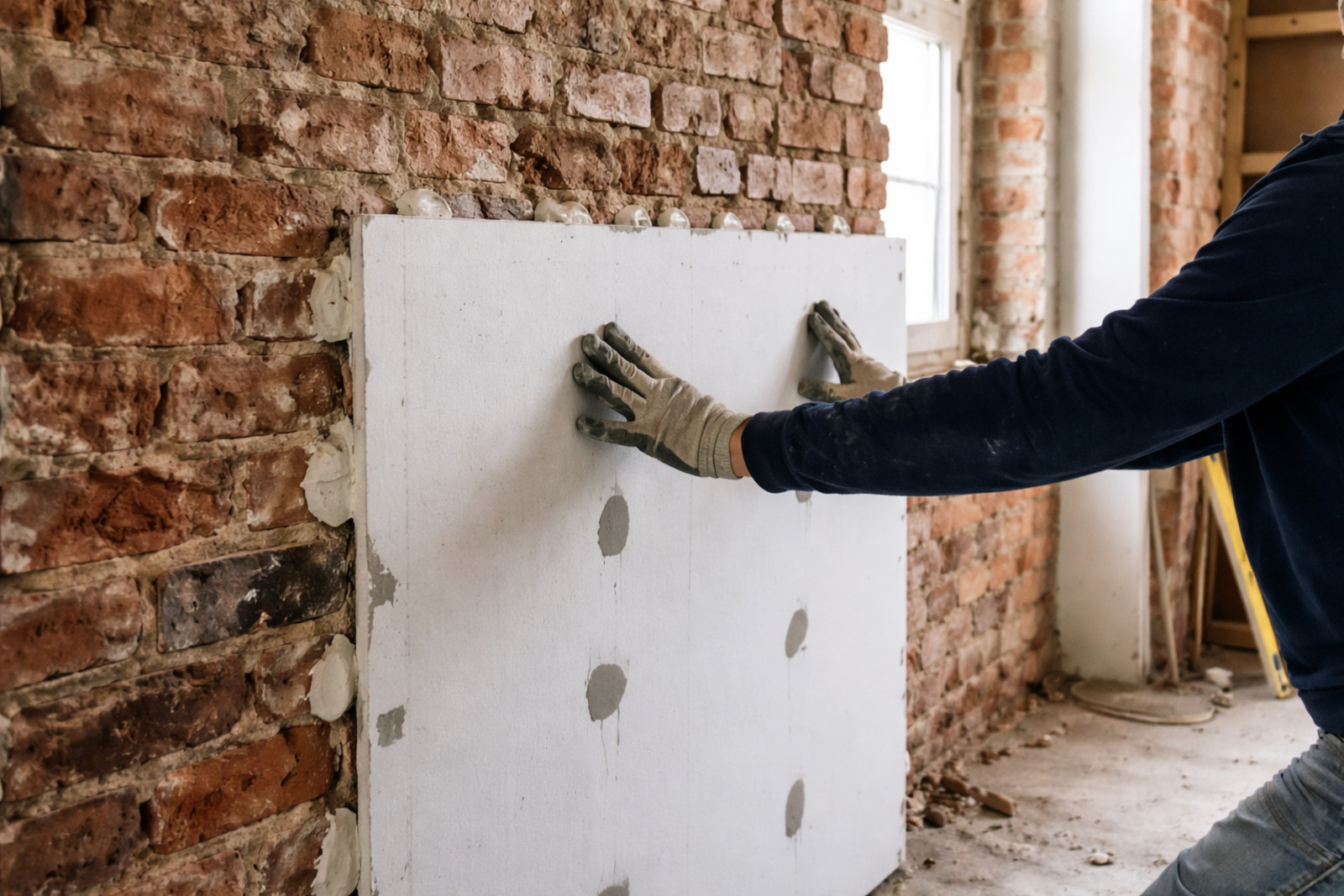
No more expensive plaster: a technique that adheres panels directly to masonry speeds up renovations, cuts costs, and gets everything ready for painting.
-
Abrolhos shows that preservation also brings returns: a study indicates R$ 1.9 billion generated, 100,000 jobs supported, and tourism, fishing, and conservation units transforming biodiversity into an economic engine in southern Bahia and northern Espírito Santo.
-
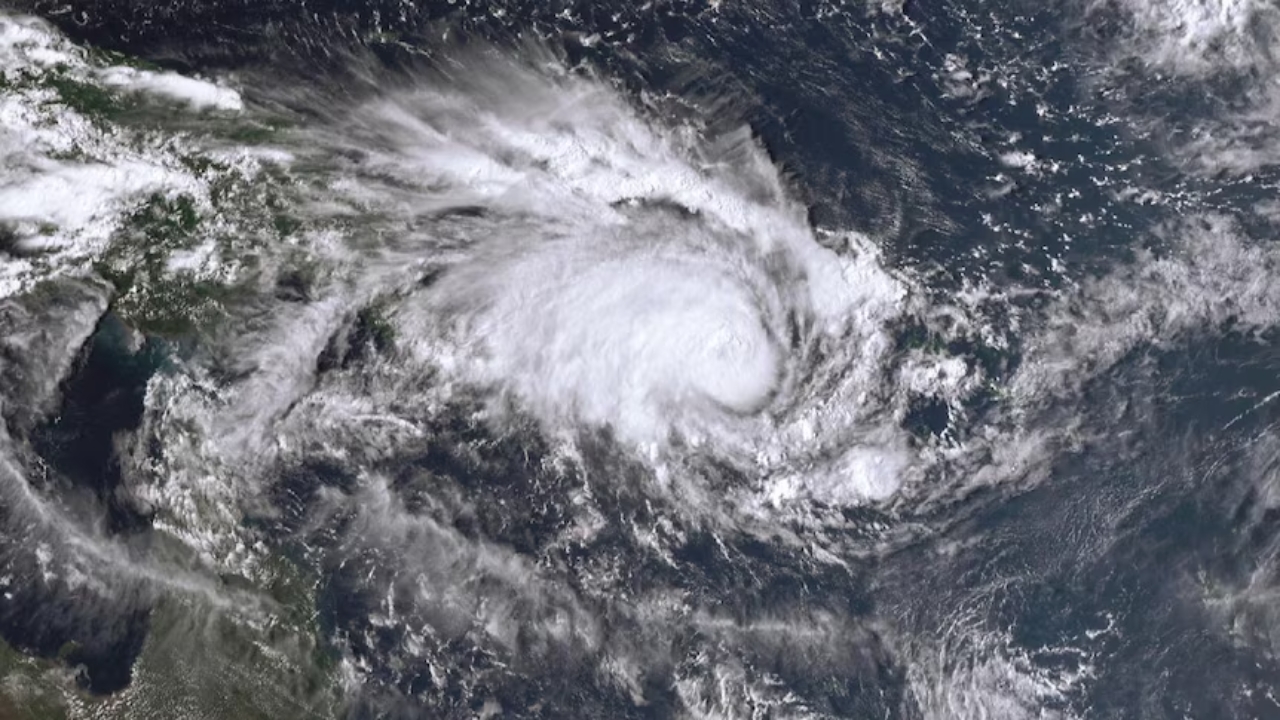
A category 3 tropical cyclone is advancing over Oceania, and it may gain extreme strength in the coming days, increasing the risk of heavy rain, destructive winds, and rough seas that are affecting the region.
-
Neither Coca-Cola nor Pepsi wins the dispute for the healthiest zero-calorie soda in Brazil, according to experts who analyzed the sodium and sweeteners of each brand.

The order was clear: destroy everything. But Hanns Huber, tasked with incinerating the files in his paper factory, made the decision to disobey by hiding the records under tons of used paper, where no one would think to look.
In the fall of 1945, the American Armed Forces found the archives and transferred them to the Berlin Document Center in West Berlin.
The Nazi documents were crucial in preparing the Nuremberg trials against war criminals, providing evidence that millions of Germans had formally joined the party. Without Huber’s disobedience, this documentary base simply would not exist and history would have much less clarity about the extent of popular support for the regime.
What the Nazi archives reveal and what they do not say

The documents contain objective information: names, date and place of birth, date of party membership, membership number, and in some cases, addresses and photographs.
It is possible to verify, for example, if someone joined the Nazi party before 1933 which would indicate a deeper ideological commitment, as membership occurred before the regime came to power.
But the archives have limits. They do not reveal whether a person was fanatical, opportunistic, or simply someone who joined due to social or professional pressure. Moreover, only about 80% of the Nazi records were preserved which means that the absence of a name in the archive does not guarantee that the person was not a member.
As historian Johannes Spohr notes, “there are members of the Nazi Party who, outside the scope of membership, did not commit major offenses, and there are also non-members who participated in cruel acts.” The record is the starting point, not the conclusion.
Why Germany took decades to accept the Nazi archives

One of the most revealing aspects of this story is the German resistance to dealing with the collection. The Americans tried to return the Nazi archives to Germany as early as 1967, but German authorities refused. The documents were only accepted in 1994 nearly three decades after the first offer.
Historian Spohr interprets this refusal as a sign that, for Germany, making these documents accessible would be compromising.
Many of the people listed in the Nazi archives were still active in the labor market or held influential positions in politics when the Americans offered to return them.
Opening these records would mean confronting an elite that had reinvented itself in the post-war period without ever being held accountable for their affiliation with the regime. In Germany, personal data protection periods do not fully expire until 2028 and the German Federal Archive is only expected to make the material available online from that date.
What German families are discovering about their Nazi ancestors
Historian Johannes Spohr has been helping families investigate the past for over a decade through his research service “Present Past.”
The people who seek him out are between 20 and 90 years old all generations are represented. Today, it is not just grandchildren researching: the fourth generation is already seeking information about great-grandparents they often never got to know.
The results often contradict family narratives. According to a study, more than two-thirds of Germans believe their ancestors were not perpetrators of the Nazi regime, nearly 36% consider their relatives as victims, and more than 30% believe their ancestors helped the persecuted.
“These responses stem, in part, more from feelings than from concrete knowledge”, says Spohr. After the war, almost no German family maintained the habit of discussing the regime’s crimes much less the role that their own members played.
Why interest in the Nazi archives is growing now
Spohr attributes the increase in inquiries in recent years to two factors. First, the war in Ukraine has awakened dormant questions.
People want to know if their grandfather, as a soldier in the Wehrmacht in Crimea, only got a truck driver’s license as he used to tell the family or if he committed atrocities. The geographical and thematic proximity of the conflict has reactivated memories that had been dormant.
Second, the rise of the far-right in Germany, especially the AfD party, worries many families.
“They want to check if there might be a connection between this rise and the past of the Nazis that has not been properly addressed the silence about ideologies that may still resonate today”, says Spohr. The online availability of the archives by the National Archives of the U.S. has made this process more accessible than ever.
But as the historian himself warns, research can reveal gaps that leave room for imagination or terrible facts that contradict everything the family believed.
Would you research your family’s past if you had access to archives like these? Do you think Brazil should have similar processes regarding difficult periods in our history? Share in the comments.







Seja o primeiro a reagir!