






 Portuguese
  Spanish


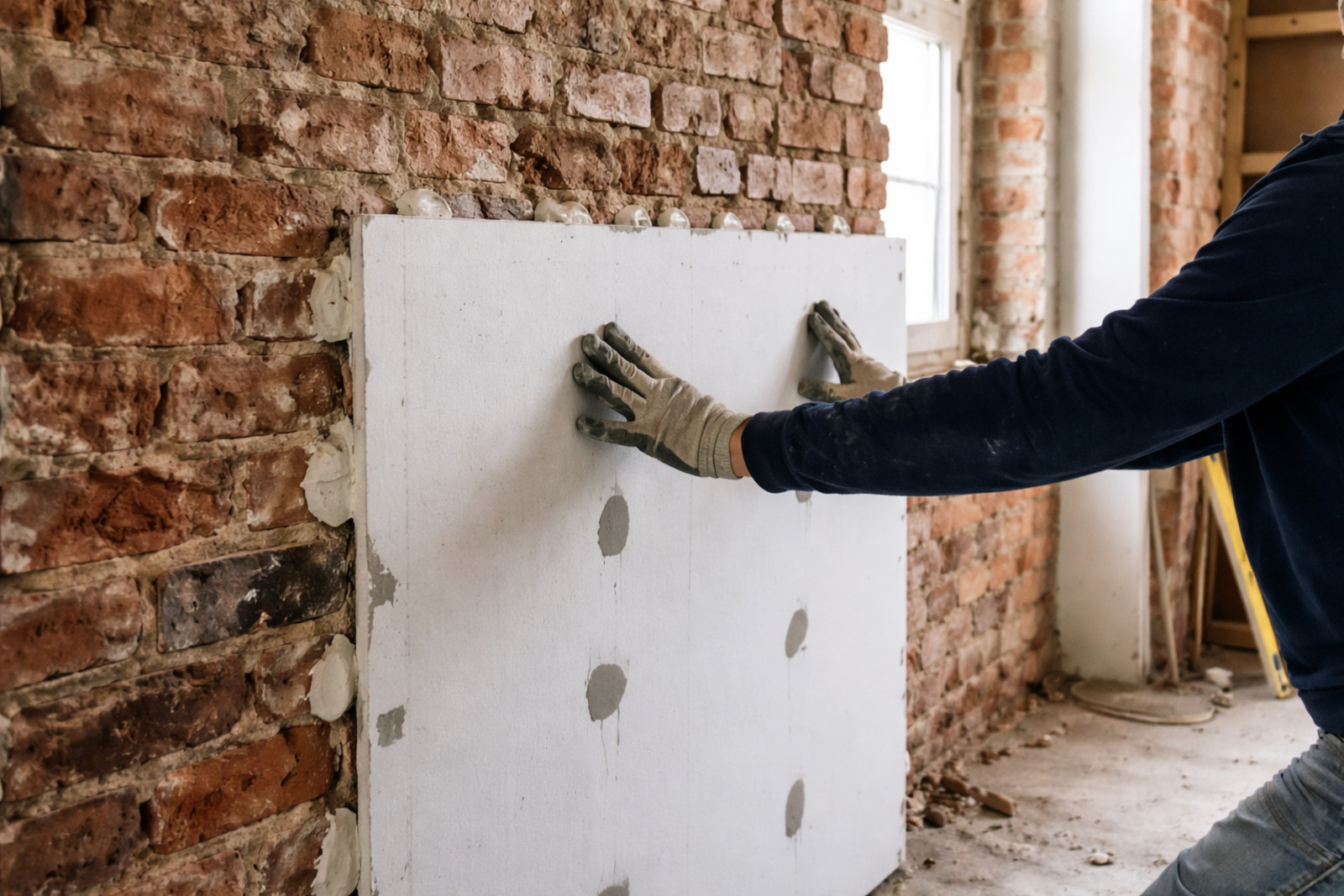

Technique of gluing gypsum boards directly to masonry reduces costs, accelerates renovation, eliminates plastering stages, and delivers walls ready for painting
Gluing gypsum boards to masonry has been gaining traction in renovations for speeding up the finishing process, reducing costs, and delivering smooth, leveled walls ready for painting in just a few hours, without the waiting time of traditional plastering.
Direct method shortens renovation
The system called “Dot and Dab” fixes gypsum boards to masonry with adhesive mass points applied to the back.
Then, the board is pressed against the wall until it achieves a firm and uniform alignment.
-
Brazilian Sisters, Aged 103, 104, and 109, Set Guinness World Record as Oldest Sibling Trio, Totaling 316 Years; Attract Scientific Interest for Longevity DNA Study

-
14-Year-Old Australian Entrepreneur Goes Viral After Y Combinator Rejection, Runs Two Startups Including an AI Company After Sock Business Failure

-
100-Year-Old Brazilian Sets World Record by Swimming 50 Meters in 1 Minute and 9 Seconds, Inspired by Tarzan Films
-
Brazil Introduces New Digital ID with Home Delivery, Linked to Unique Tax Number, Amidst Nationwide Notification Campaign.


In practice, glued drywall eliminates the drying time of wet cement and shortens the path between base preparation and finishing. The result is flat surfaces ready for the next stages.
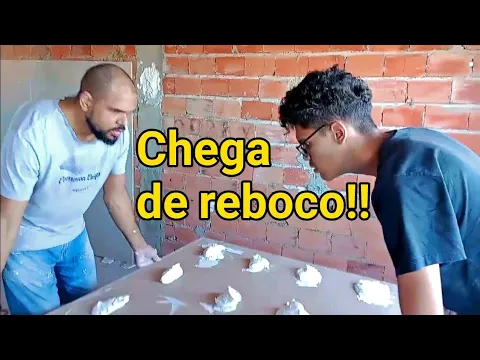

Savings appear in execution
The financial advantage lies in the reduction of labor. While conventional plastering requires multiple coats and lengthy leveling, the direct gluing of boards cuts the project timeline in half.
The replacement of plastering also reduces the consumption of materials used in rendering. With glued drywall, the purchase of large volumes of sand, cement, and lime is no longer necessary.
Logistics become simpler, impacting transportation and freight. In tall buildings, the method facilitates the vertical movement of materials and reduces supply difficulties on the job site.
Another effect is seen in cleanliness. Since it generates almost no debris, the technique simplifies disposal and reduces waste of materials in renovations.
Smooth surface accelerates painting
The paper face of the board comes from the factory with a smooth texture, ready to receive fine joint compound. This reduces the painter’s effort, who would spend days sanding the surface in rough plaster.
The mortar used for fixation cures in just a few hours. Therefore, the team can start treating the joints on the same day as the installation, speeding up the service and allowing for earlier access to the area.
In traditional wet plaster, water retention can last for weeks. This delay hinders the work of painters, pushes back the completion of the renovation, and postpones the family’s move.
This quick drying also helps prevent bubbles, premature peeling, and yellow stains on painted walls, a common problem when moisture remains trapped in the base.
Technique with boards corrects old defects
In old houses, walls often show lack of plumb, pronounced undulations, and marks left by previously treated moisture.
The thick layer of glue acts as an adjustable regulator to level each board with precision.
As a result, drywall can hide imperfections without requiring heavy metal profiles next to the existing masonry. The solution preserves inches of the room and avoids loss of internal space.
Dry base guarantees durability
The gluing should only begin after the complete repair of leaks or active infiltrations. The board’s paper does not withstand constant water, and the base needs to be dry to ensure secure and firm fixation.
When installed over firm masonry and without leaks, the application has a long lifespan, equivalent to the building itself.
The boards withstand normal impacts and allow for the fastening of heavy frames with expansion anchors.
With information from Correio Braziliense.


