





 Portuguese
  English
  Spanish
  3 min of reading
  0 comments


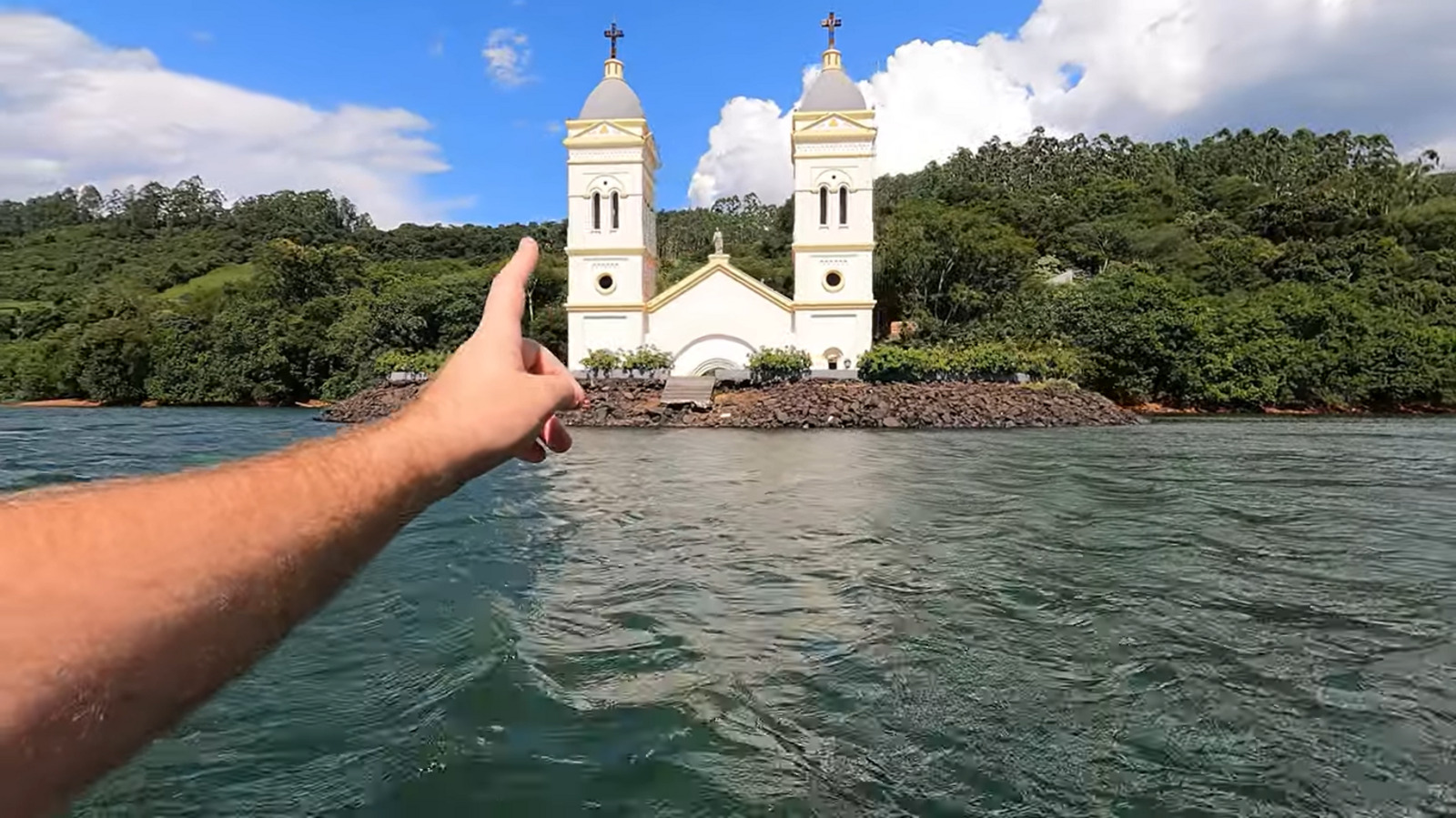
Submerged in 2000 for the construction of the UHE Itá, the ancient city preserved two historical towers and transformed loss into tourism in western Santa Catarina
Two concrete towers emerge from the Uruguay River and summarize the history of Itá, in western Santa Catarina, submerged in 2000 by the reservoir of the UHE Itá, which displaced about 15,000 residents and transformed the ancient city into a striking scene of the Brazilian Atlantis today.
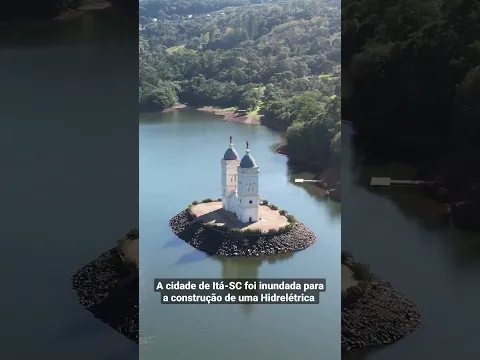

What remains of Itá
The ancient Itá disappeared under the water when the reservoir of the Itá Hydroelectric Plant began to fill.
The lake covered approximately 103 km² and flooded lands from 11 municipalities, seven in Santa Catarina and four in Rio Grande do Sul.
-
China launches the Y-30, an aircraft with four turboprop engines, a spacious cabin, and a capacity of 30 tons, while local analyses suggest that it surpasses the famous C-130J and could change military transport in remote islands and mountains.
-
Mothers stop paying taxes forever, government creates a package with 7 measures, expands benefits, releases credit, and tries to reverse the population decline that threatens the future of Europe.

-
Sahara dust crosses the Atlantic as a band of 37 million tons of algae spreads from Africa to the Caribbean: what is happening in the ocean and in the air can be seen from space and affects the health of millions of people.

-
A study revealed nine careers that pay over $100,000 a year with below-average stress levels, and most recent graduates are unaware that these professions exist.

The change altered the landscape and local routine. Houses, streets, and memories were left behind, while the new Itá began to occupy higher ground, next to the old core, now submerged in the river.
The new city was built from scratch and inaugurated in 1996. The project anticipated the definitive transfer of residents and marked the restart of an entire community, which saw its old urban space disappear afterward.
The preserved towers in the lake
The São Pedro Apostle Matriz Church, built in 1956, had its two towers intentionally preserved. They stand tall over the lake and have become the main visual symbol of the ancient Itá and the Brazilian Atlantis.
The structures serve as a monument to the memory of the residents who had to start over. The ensemble has transformed into a postcard of western Santa Catarina and concentrates part of the identity built after the city’s flooding.
At night, the illuminated towers produce one of the most photographed images in the region. Access to the surrounding island occurs through boat tours that leave from Prainha, while schooners circle the monument.
Tourism grew over the waters
The sinking of the ancient city opened a new vocation for Itá. The drilling of an artesian well revealed thermomineral water, and the lake began to host tourist activities related to leisure, water sports, and adventure.

The Aqua Parque Itá Thermas features 12 thermomineral water pools, in addition to a wet bar and restaurant. The Belvedere Dona Roma offers a panoramic view of the lake and the new city, especially at sunset.
Itá Eco Tourism hosts a 1,780-meter zip line, considered one of the largest in South America, as well as treetop climbing and sky biking. The Prainha de Itá has a sandy area of 2,000 square meters and schooner tours.
The memory of the old city is also preserved in the Museu Casa Camarolli. The mansion, built in 1945, was relocated from old Itá in 1997 and keeps alive the history of Italian immigration that marked the local formation.
Name, climate, and access
Itá means “stone” in Tupi-Guarani. The city also carries the nickname Capital of Paradise. The cornerstone of the new city was laid in 1981, decades after the emancipation that occurred in 1956.
In summer, the warm climate favors the water park and swimming in the lake. In winter, the movement is quieter, with mild temperatures and tourism focused on gastronomy and enjoying the landscape.
Itá is about 90 km from Chapecó, via SC-283 and SC-155, taking about 1h30 by car. From Florianópolis, the journey is approximately 500 km via BR-282.
The city that relearned to exist
Few destinations combine loss, memory, and rebirth in such a direct image. The towers that resist above the water synthesize the transformation of Itá and help explain why the Brazilian Atlantis continues to attract visitors.
Those who arrive in the city find more than a tourist spot. They find a place rebuilt on memories, marked by a landscape that makes the old Itá remain visible, even submerged.
With information from Correio Braziliense.





Seja o primeiro a reagir!