





 Portuguese
  English
  Spanish
  3 min of reading
  0 comments


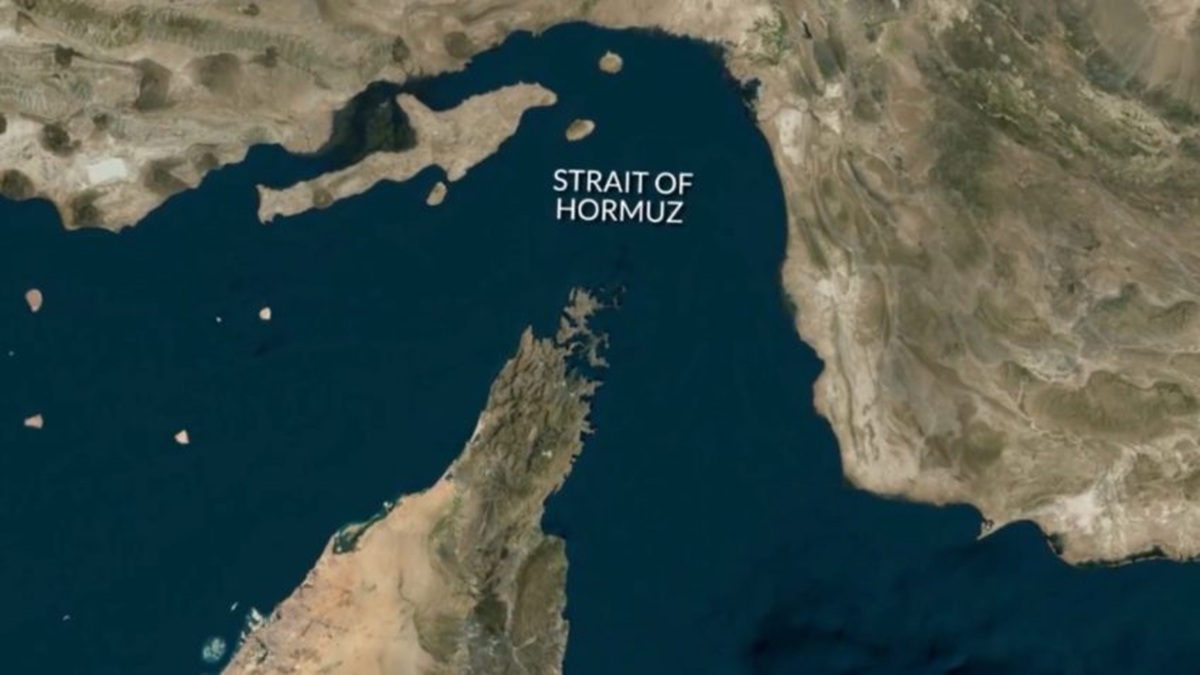
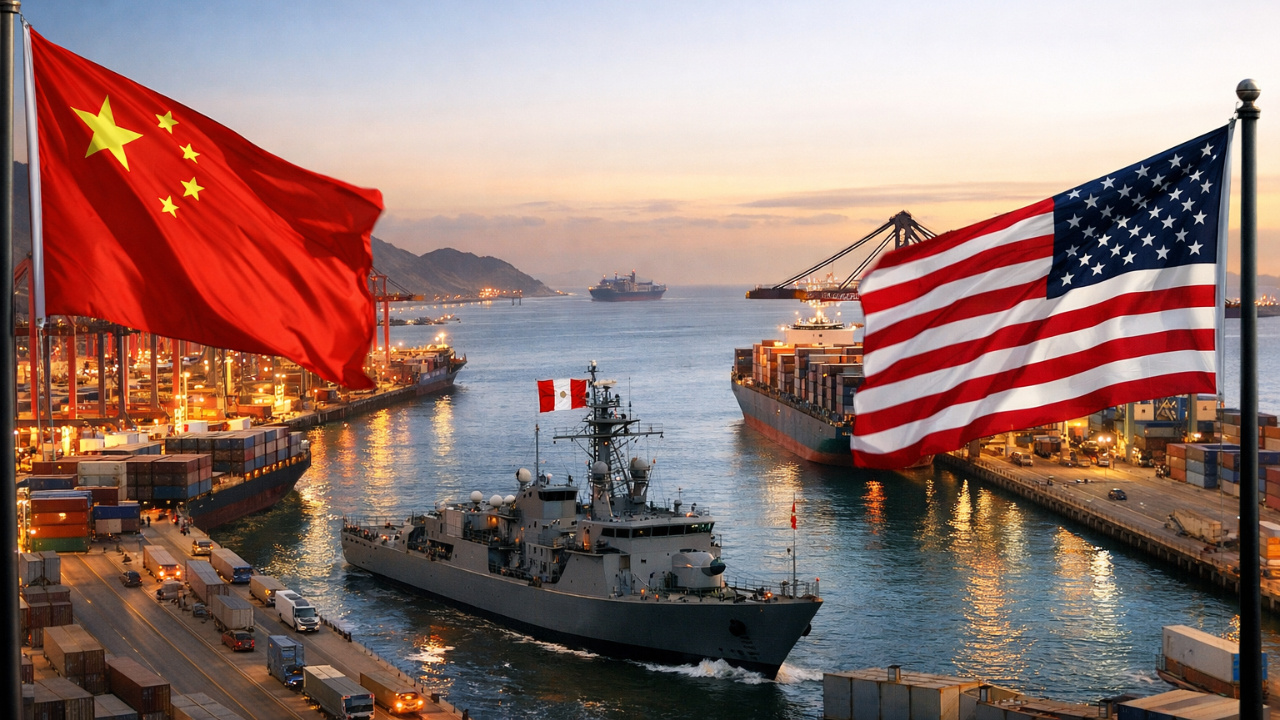
The visit of an analyst from an independent Wall Street firm to the Strait of Hormuz, amid tensions between Iran and the United States, revealed partial passage of ships, use of tankers without AIS, and an estimated flow of about 15 vessels per day
An independent Wall Street research firm stated that it sent an analyst to the Strait of Hormuz to closely observe navigation in the region amid rising tensions between Iran and the United States. The investigation conducted by Citrini Research indicates that the route remains operational, albeit with reduced flow and under a selective control scheme over the passage of vessels.
While oil market operators monitored satellite images and official communications to gauge the risk in the main artery of global oil trade, the firm claimed to have adopted a different method. The analyst was reportedly sent to the Musandam Peninsula in Oman, from where he traveled by boat to observe maritime activity in the conflict area.
Field visit to the Strait of Hormuz
Citrini Research reported that the analyst found the continuation of ship passage through the Strait of Hormuz, contradicting the prevailing perception that the route was effectively blocked. The name of the professional was not disclosed, citing the sensitivity of the activity conducted in the region.
-
China signs unprecedented trade agreement with Kenya, paving the way for 98% of the country’s exports to enter tariff-free, a move that could reshape the economic axis of the largest economy in East Africa.
-
What is behind China’s silence on Iran? An expert shows how chaos in the Middle East could raise oil prices, benefit Putin, and give Beijing the perfect opportunity to grow without direct confrontation.
-
Iran authorizes the passage of ships with essential goods in the Strait of Hormuz, requires coordination and protocols; UN postpones resolution to reopen the oil route, while China, France, and Russia reject the use of force.
-
The Ukraine war exposes the strength of the M113 armored vehicle amid modern warfare with military drones.

According to the account published by the company on Substack, traffic had increased in recent days to about 15 ships per day.
Even below normal levels, this volume was regarded as a sign of a partial interruption still in evolution, rather than a definitive closure of the route.
The publication also reported that four or five tankers were passing daily without emitting a signal on the AIS. The assessment presented is that the actual volume of vessels in transit would be greater than the official data shows, with an increase recorded in the two previous days in the Qeshm channel.
Traffic without AIS and selective control
AIS is the system used to transmit the location, speed, identity, and route of a vessel. Citrini maintained that many ships turn off their transponders, which removes them from official tracking systems and complicates the complete reading of maritime movement.
The company also stated that interviews conducted by the analyst with fishermen, smugglers, and regional authorities pointed to an arrangement in which Iran selectively allows the passage of ships. In this model, tankers would need approval before crossing areas close to Iranian territory, forming what was described as a “functional checkpoint,” rather than a total blockade.
The reading presented by Citrini was of a more complex scenario than the extreme interpretations that have been influencing the markets. The company stated that the situation does not simply fit into the thesis of an open strait with falling oil prices or a closed strait with a parabolic spike in prices.
Oil market and projection for the Strait of Hormuz
However, the conclusions were accompanied by an important caveat. The company itself acknowledged that the material relies on a single field visit and on anecdotal reports that are difficult to verify independently, especially due to the low transparency in the region.
Nonetheless, Citrini stated it expects a longer interruption, capable of consolidating a lasting risk premium in the oil market.
Based on this assessment, the company declared a preference for exposure to crude oil with longer maturities, favoring WTI contracts for December 2026 over contracts for the following month.
In the projection presented, the new normal for the Strait of Hormuz would include a permanent risk premium, although with a partial recovery of flow. The expectation indicated by the company is that traffic will reach up to 50% of the pre-conflict level in the next four to six weeks.






Seja o primeiro a reagir!