





 English
  Francês
  Alemão
  Italiano
  Japonês
  Norueguês
  Portuguese
  Spanish
  2 min of reading


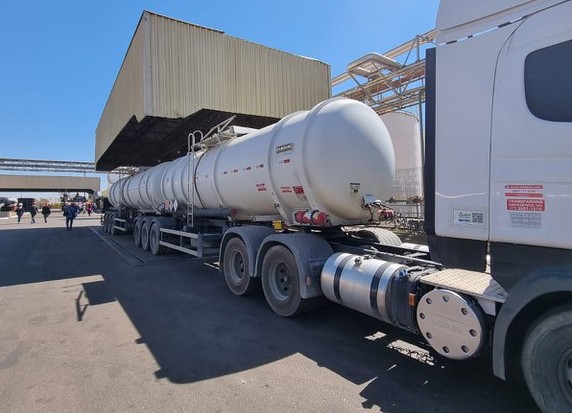
ANAC Visits Biodiesel Plant That Will Produce Aviation Biofuel in National Territory
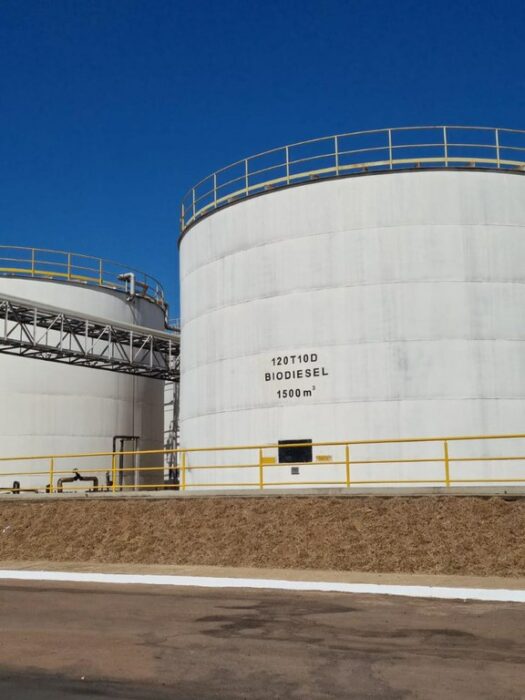
The Ministry of Infrastructure and the National Civil Aviation Agency (ANAC) visited the Biodiesel plant of Granol in the city of Anápolis, Goiás. The visit aimed to understand the potential for producing aviation biofuel (BioQAV) in Brazilian territory.
In the midst of a global race to reduce greenhouse gas emissions, aviation biofuel BioQAV is seen as a more environmentally friendly fuel alternative.
The visit included important figures from ANAC and the Ministry of Infrastructure, as well as researchers from the Ministry of Mines and Energy. The visit is part of ANAC’s sustainability and environmental agenda, which aims to contribute to the energy transition, where aviation biofuel is included.
-
Ocyan opens registrations for startups focused on innovation in the oil and gas sector and will select projects for Innovation Day with the support of Nexio.

-
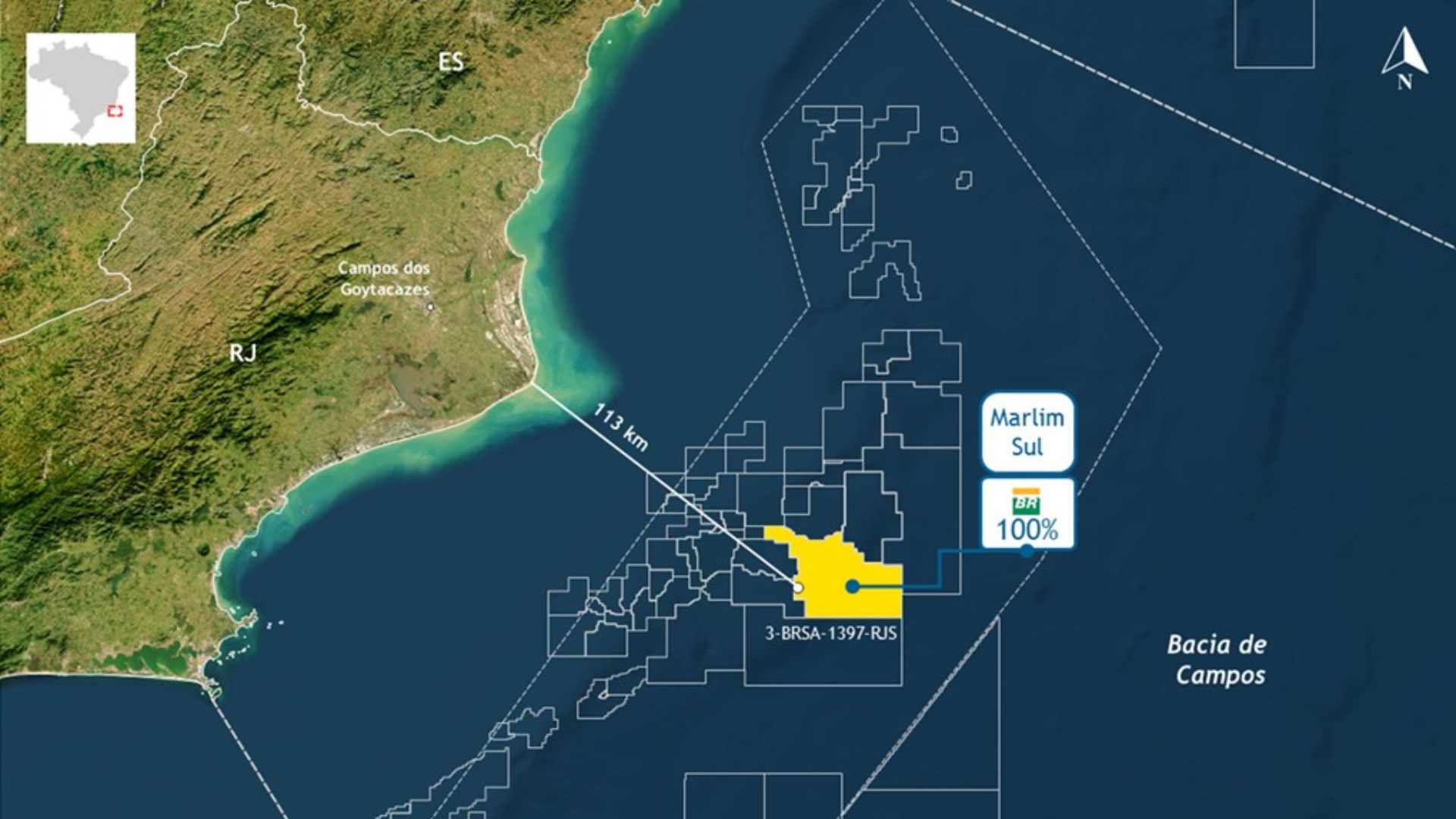
Petrobras announces new oil discovery in the pre-salt of the Campos Basin and reinforces Brazil’s prominence with high-quality reserves that can increase production and energy revenues.
-
Alert in the fuel market: Analysts and a former director of ANP warn that oil prices may worsen in the coming months due to global instability.

-
Ocyan brings executives and digital solutions to Macaé Energy 2026 and highlights offshore expansion with Nexio and a new base in Macaé.


Rogério Benevides, director of ANAC, commented on the visit: “We have a responsibility as a society to act responsibly on environmental issues. We have mastered large-scale biofuel production technology and possess available biomass. There is great potential for a sectoral policy in the country that enables the production of aviation biofuel (BioQAV) in Brazil, generating new jobs and bringing economic, environmental, and social benefits.”
The visit was fruitful for discussing important topics in the country’s fuel sector, such as policies, infrastructure, and raw materials for biofuels in Brazil.
“SAF are a solution to accelerate decarbonization efficiently, as they have the potential to reduce pollutant gas emissions from a fully fueled aircraft by up to 80%,” highlighted José Ricardo Botelho, CEO of Alta, Security, and Operations of the Latin American and Caribbean Air Transport Association.








Seja o primeiro a reagir!