Portuguese
  Spanish


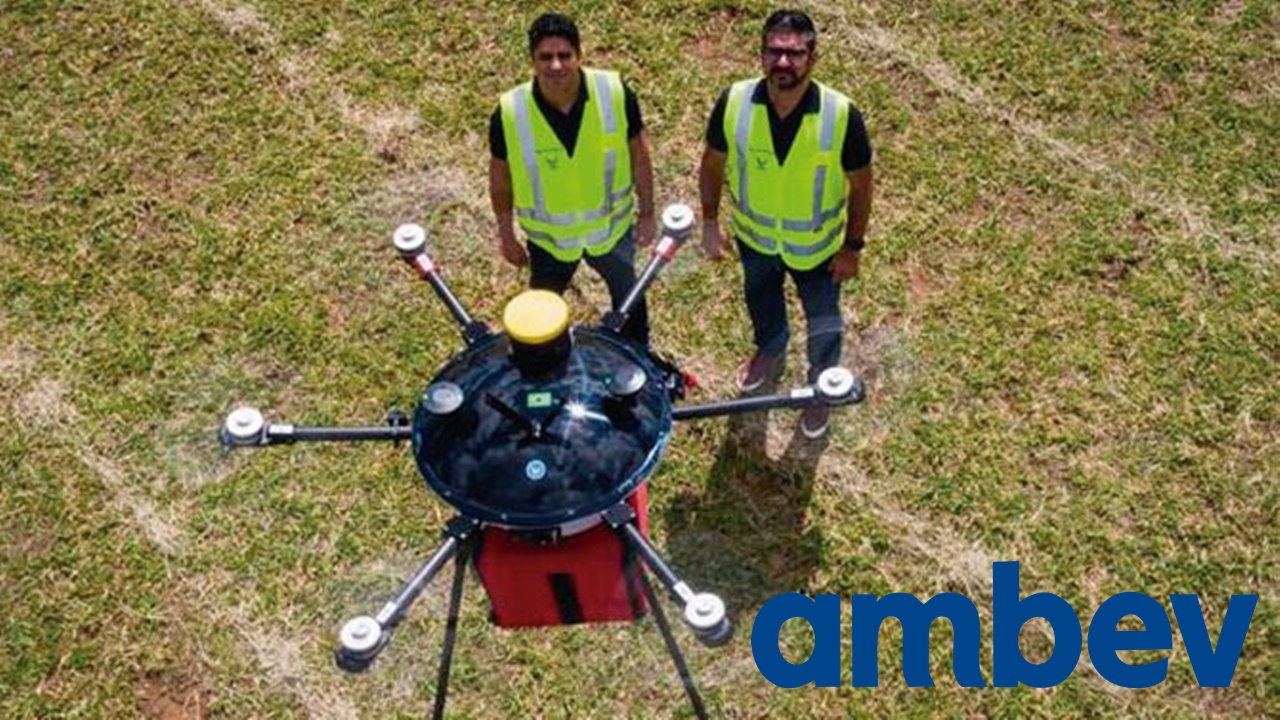

The Largest Beverage Company in the World – Ambev – Anticipates 5G Technology to Start Delivery via Drones in Brazil. The Partnership is with Speedbird Aero
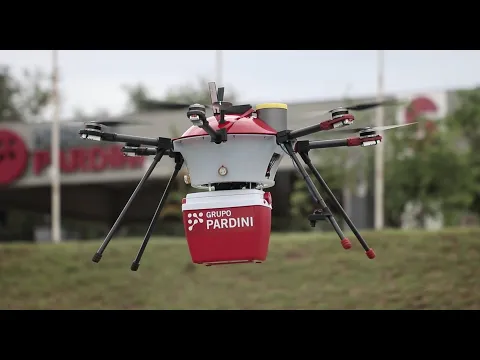
With an eye on the future, the largest beverage company in the world, Ambev, anticipates the implementation of 5G in Brazil and has partnered with Speedbird Aero for beverage delivery via drones. The first deliveries will be made with the DLV2 drone, which supports up to 8kg of payload.
Read Also
- Ambev Will Open 300 Job Positions at Its New Logistics Center Being Built in Osasco – SP
- 517 Job Positions, Internships, and Apprenticeships Available at Multinational Ambev
- Ambev Calls for Women for 160 Positions in Free and Online Courses at the Beer Academy
- Coca-Cola and Heineken Make Deal and the Dispute with Ambev is Expected to Intensify Between the Giant Alcoholic Beverage Suppliers
- A Drone for Surveillance and Security of the Amazon, Oil Platforms, and Brazilian Borders Has Just Been Built
The project still needs approval from the National Civil Aviation Agency (ANAC), and will operate on predefined routes. The location for the test flights has not been selected yet.
Ambev’s partner, Speedbird Aero, is headquartered in Franca, São Paulo, and was founded by administrator Manoel Coelho and engineer Samuel Salomão.
-
Giant 3,600-ton Crane Breaks Two World Records by Installing World’s Largest Single-Piece Forged and Welded Hydrogenation Reactor, Weighing 3,037 Tons, in Chinese Petrochemical Plant in Just Six Days

-
$80 Million Bridge in Brazil Cuts Travel Time from 30 Minutes to 1 Minute, but Audit Reveals Major Flaws
-
Man Builds Stone Bed with Granite Rocks and Hand-Sawn Cedar Beams, Home Extension Garners Over 437,000 Views on Bonus Bolts Channel

-
British Factory Transitions from Mechanical Parts to Producing 420,000 Electric Power Units Annually, Supplying 70% of Ford’s Electric Cars Sold in Europe




The partners created Speedbird Aero after seeing the potential of the delivery business with Unmanned Aerial Vehicles (UAVs) in Brazil. The company has an experimental certification from ANAC but hopes to achieve full certification for flight in August, which will also allow for the signing of commercial contracts.

The Dispute Between Beverage Giants Coca-Cola and Heineken with Ambev in the Brazilian Market Starts
Coca-Cola announced an agreement with Heineken to reshape its distribution network in Brazil, putting multinational Ambev, the largest beverage company in the world, in a tight spot.
The agreement between the Heineken Group and the Coca-Cola distribution system in Brazil, announced on Wednesday, 24, ends a deadlock that has persisted since the Dutch brewery’s acquisition of Brasil Kirin in 2017.
The partnership between the giants Heineken and Coca-Cola will take effect in mid-this year and will be valid until 2026, but there is a possibility of extending it for another five years.
Regarding the increased competition, Ambev believes it is too early to comment. “From our perspective, the Brazilian market has always been competitive. This was announced yesterday, and it is still early to say the impacts. We prefer to focus on what we control. Our distribution network has been operating very well. It is a well-oiled machine built over decades,” said Lucas Lira, the company’s financial director, to Estadão/Broadcast.
The Era of Drone Deliveries Has Arrived in Brazil: IFood Receives Approval from ANAC to Start Operations
IFood has received approval from the National Civil Aviation Agency (ANAC) to conduct experimental test flights using drones. The tests aim to reduce the delivery time of meals.
The first flights will take place in October in the interior of São Paulo, in the city of Campinas. However, the drones will not deliver to customers’ homes. First, the new technology will cover the initial part of the routes, and a delivery person will finish it. The test will involve a route of 400 meters in a food court and a structure of the IFood app itself, which will manage the order routes.
According to the company, the delivery from the drone to the delivery person will take 2 minutes (while the same distance on foot takes 12 minutes). After the orders arrive via drones, the last part will be performed by the delivery people.
Roberto Gandolfo, the Vice President of Logistics at IFood, told Reuters: “Our primary goal is to use the drone to bring more efficiency to our logistics operation.”