





 Portuguese
  English
  Spanish
  3 min of reading


Energy Sector Is Opposed To The Congress Measure Since It Does Not Support Interventions In The Decisions Of Aneel Regarding Tariffs
The National Electric Energy Agency (Aneel) is considering, under pressure from Congress, the extension of the adjustments imposed on Cemig’s tariffs, a company operating in Minas Gerais – a state where a majority of the voters of the Senate President, Rodrigo Pacheco (PSD-MG), reside. According to the initial plan, the adjustments were supposed to take effect from May 28, but Aneel’s board ruled, on Tuesday (24), the extension of the validity period of the currently charged amounts.
According to a report by the Broadcast news system, the current tariffs are expected to remain in effect for at least two weeks. During this period, Congress is assessing measures capable of mitigating the effects of the adjustments.
The main among these measures is a complementary law project, drafted by Deputy Danilo Forte (União Brasil-CE), which establishes a maximum rate of 17% for the collection of ICMS – state tax – on energy and fuels and transportation and telecommunications.
-
Larger than entire cities in Brazil: BYD is building a 4.6 km² complex in Bahia with a capacity for 600,000 vehicles per year, but the discovery of 163 workers in conditions analogous to slavery has shaken the entire project.

-
With an investment of R$ 612 million, a capacity to process 1.2 million liters of milk per day, Piracanjuba inaugurates a mega cheese factory that increases national production, reduces dependence on imports, and repositions Brazil on the global dairy map.
-
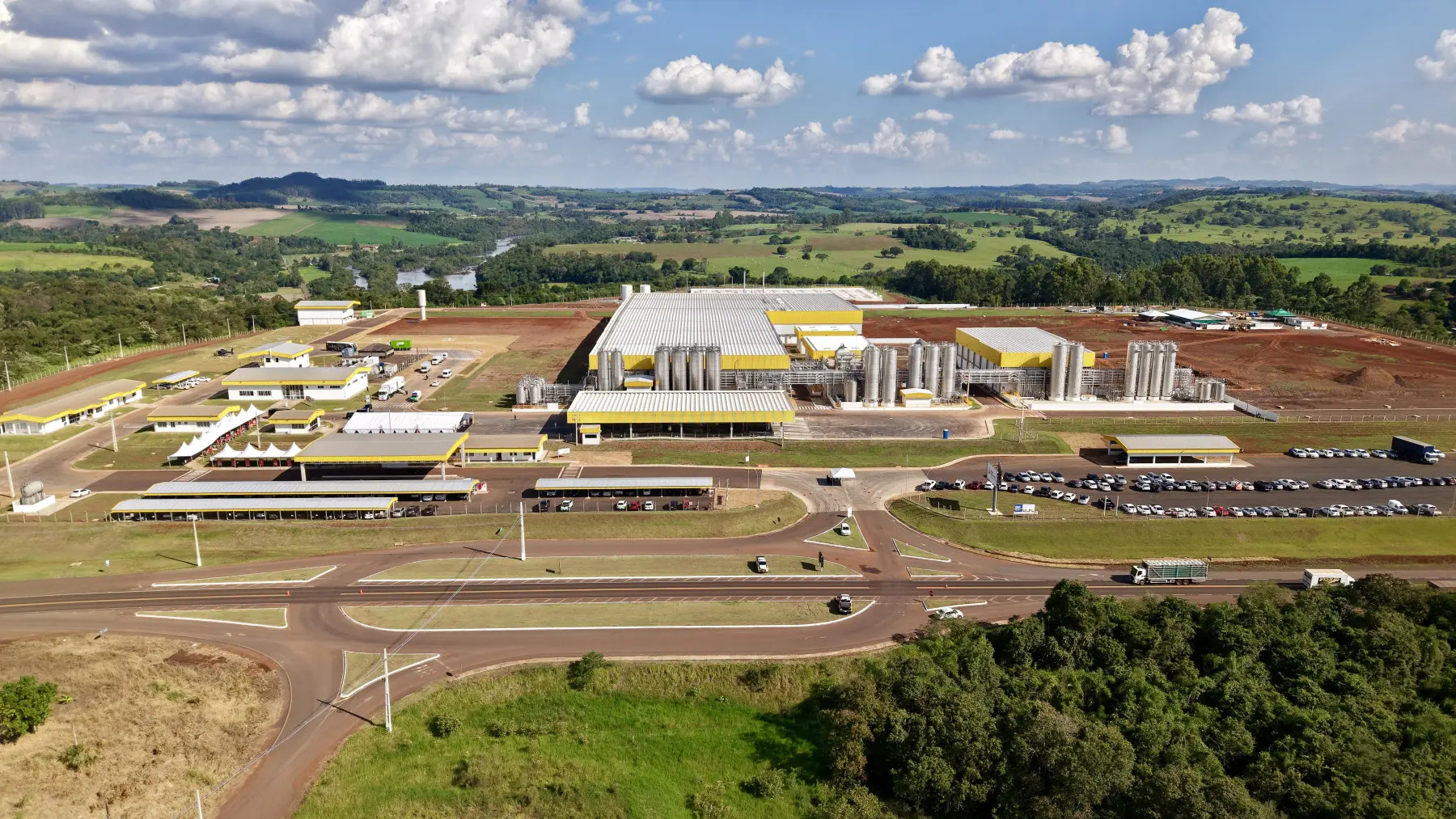
Brazilian city gains industrial hub for 85 companies that is equivalent to 55 football fields.

-
Peugeot and Citroën factory in Argentina cuts production by half and opens a layoff program for more than 2,000 employees after Brazil drastically reduced purchases of Argentine vehicles.


The project, in addition to considering electric energy as an essential product, effectively anticipates a resolution from the plenary of the Supreme Federal Court (STF), which prohibited charging a higher ICMS rate on the provision of telecommunications and electric energy services. The measure is set to come into effect from 2024, and the proposal is being voted on this Tuesday by the deputies.
This proposal has the support of energy companies, as it constitutes an old demand from the sector.
Establishing The ICMS Rate Is Capable Of Reducing Inflation
Moreover, limiting a rate to 17% could decrease inflation by 1.39 percentage points, according to assessments by BTG analysts. Of the total amount expected for the reduction, a decrease of 0.42 percentage points would be related to the reduction of ICMS applied to energy tariffs.
The energy sector is making efforts to halt the postponement of adjustments already permitted by Aneel and prevent changes in the methodology that defines the adjustments, as they would represent a breach of contracts. The companies, although not supporting the suspension of the analysis deadline for Cemig’s adjustment, also do not view it with much concern. They oppose the congressional decree, which is being processed urgently, to suppress increases in Bahia, Ceará, and Rio Grande do Norte. This is because, according to their assessment, any intervention action in the decisions of Aneel will not succeed, as they would bring legal insecurity to investors.
Arthur Lira (PP-AL) – President of the Chamber – met last Friday with Rodrigo Pacheco to discuss the postponement measure. Lira had previously called for a joint solution among Congress, the government, and the Executive for increases in energy and fuels.
Pacheco also met with the Minister of Economy, Paulo Guedes, who expressed support for the approval of the project that establishes a maximum rate of 17% for the collection of ICMS.
The minister reiterated in the meeting that the states did not follow the agreement on reducing the ICMS on fuels. Guedes also argued that reducing taxes is the best solution compared to granting subsidies that force price mitigation.
Parliamentarians Have Been Working For Two Years To Mitigate The Effects Of The Adjustments On The Electricity Bills Of Those Served By Cemig
Thanks to the efforts between the management of the national regulatory agency and some parliamentarians in Congress, such as the Senate President, Rodrigo Pacheco, there has been no increase in the electricity bills of residential customers served by Cemig over the past two years. Just like in 2020, Pacheco asked Aneel last year to consider tax credits of PIS/Cofins paid too much by consumers to alleviate the results of the adjustments.
The adjustments imposed on the distributors’ tariffs are evaluated and applied year by year by the regulatory agency, but on different dates, due to the different anniversaries of each company’s contracts.
According to Aneel’s information, tariffs for residential consumers increased by about 17.92% this year, although not all companies have gone through the process yet. The largest increase corresponds to those served by Enel Ceará, at 24.23%.






Seja o primeiro a reagir!