






 Portuguese
  Spanish
  3 min of reading


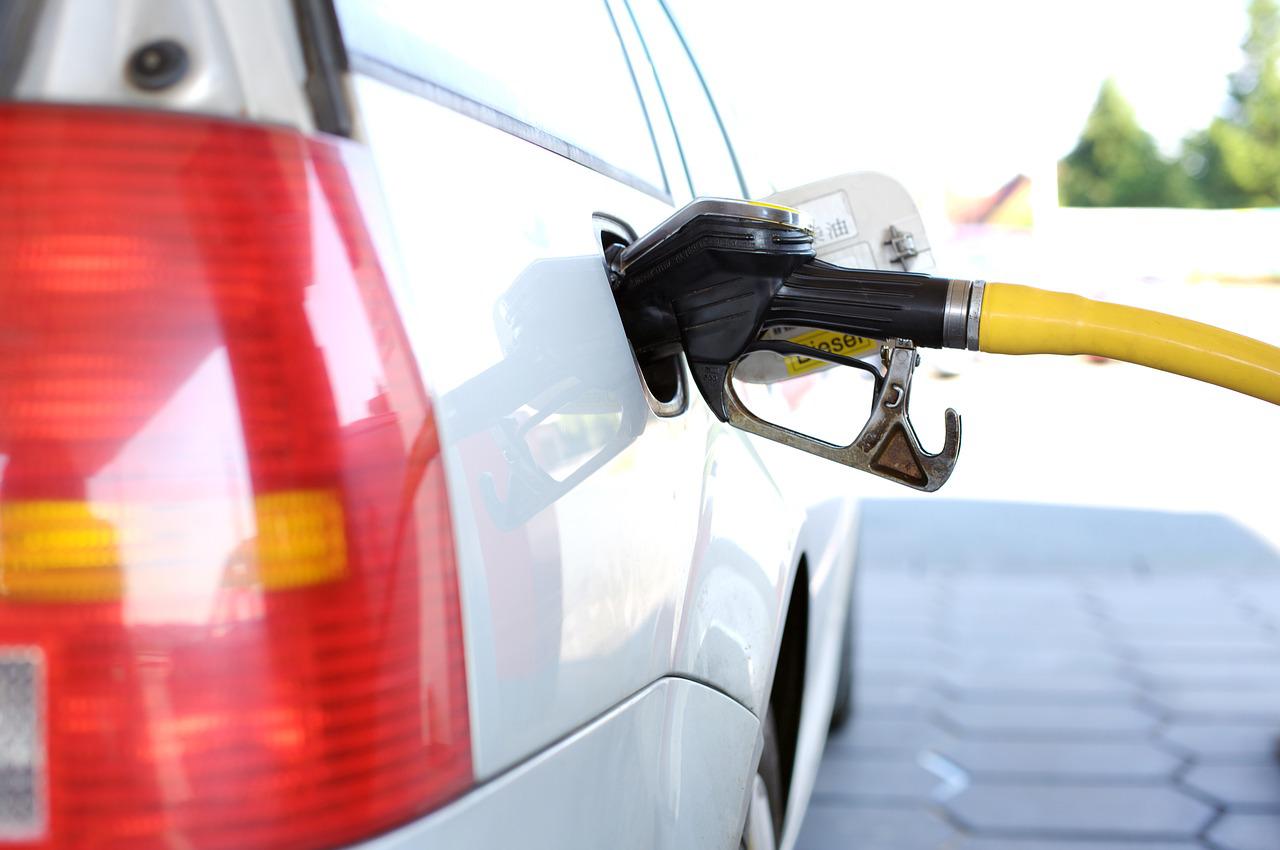
Energy And Fuel Sectors, According To Confaz Analysis, Generated Revenues Above Inflation
States’ profits from ICMS (Tax on Circulation of Goods and Services) on fuels increased by 36% in the first months of 2022 compared to the same period in 2021, according to data from Confaz (National Council for Fiscal Policy).
The data indicates that from January to April 2022, states collected R$ 41.5 billion with the tax, which corresponds to an average of 18% of the total revenue from ICMS. The variation in profits is well above inflation, even with the stability of ICMS rates on fuels since November 2021.
According to CNN Brasil, regarding the tax charged on electricity, profits have reached R$ 23.9 billion so far, showing an increase of 12.92% compared to the same period in 2021. Total profits, combined with fuel profits, reach R$ 65.4 billion based on Confaz data. However, the profit could be higher, considering that some states, like Rio de Janeiro, have not yet submitted their fuel and energy sector profit data for April to Confaz.
The ICMS on fuels and electricity is the focus of the Speaker of the House, Arthur Lira, who plans to put to vote next week a proposal that sets a limit of 17% on rates. In some states, the percentage exceeds 30%, according to Confaz.
Losses May Reach R$ 70 Billion in 2022
The plan is not agreed upon by experts, as they foresee significant losses from one of the main sources of revenue for states and municipalities.
In 2021, the ICMS on fuel and electricity accounted for R$ 178.9 billion of the R$ 652.4 billion collected.
According to calculations by Sérgio Gonetti, an economist specializing in public finance, the measure could result in states and municipalities losing up to R$ 70 billion.
As the economist explains, “There is no doubt that the ICMS on fuels and electricity is high, but the fiscal impact on states and municipalities from such a sudden reduction is very significant, and therefore caution is needed. In the short term, there is no way to compensate states for such a significant loss. The path would be, in the medium term, to validate a reform that makes the tax burden more homogeneous.”
For Murilo Viana, a public finance expert, the wealthier states are likely to be most affected by the proposed cap. “Regions with poor socioeconomic conditions are those that depend most on transfers from the Union, such as FPE (Participatory Fund of States) and, in the case of ICMS, on the revenue from fuels and electricity.
Take Tocantins, for example, the ICMS on fuel represents approximately 30% of the state’s taxes, while in São Paulo it accounts for only 10%. Despite São Paulo having a massive nominal revenue of R$ 21 billion in 2021, the state is uniformly less dependent on this source of profit,” says Murilo.
Lira’s plan comes in the wake of a government push to contain price increases in an election year. This Thursday (20), representatives from states met at Confaz to decide on changes to ICMS regarding diesel.
A resolution from André Mendonça, a Supreme Court minister, gave the government a win over the states in the discussion regarding a single rate for fuel.
Governors agree to request more time to present a defense to the minister.
-
Oil production grows in Rio, but reserve replacement raises a warning sign

-
Petrobras is expected to complete the drilling of the Morpho well in the Foz do Amazonas in August 2026, the first well in the Equatorial Margin, an oil frontier that the ANP estimates at more than 30 billion barrels and could redraw the map of Brazil.

-
Oil returns to the center of concerns with tension between the US and Iran

-
Brazilian scientists are simultaneously advancing two research projects on clean hydrogen and driving solutions that could transform the energy matrix, enhance industrial competitiveness, and accelerate large-scale emission reduction targets.







Be the first to react!