





 Portuguese
  English
  Spanish
  2 min of reading



The Energy Bill Is Set To Increase By Almost 9% If The Drought Continues And Aneel Applies The Red Flag
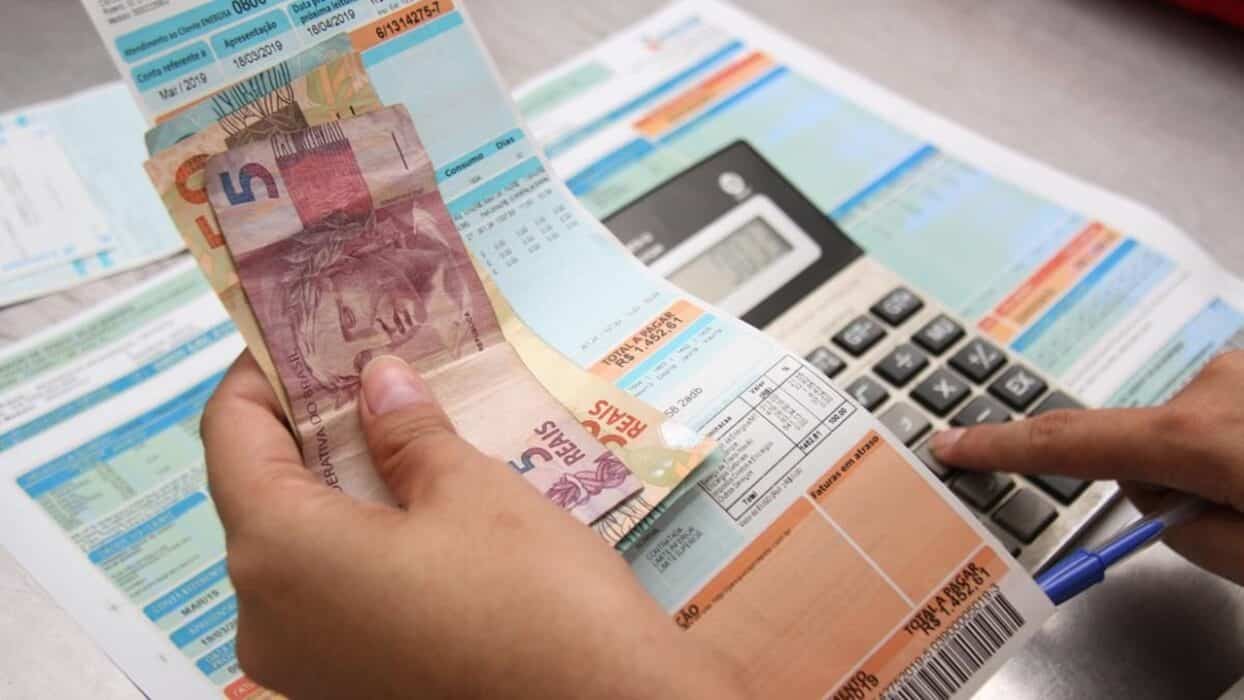
It is no surprise that Brazilians have been struggling with rising fuel prices, but now they may also suffer from an increase in the electricity bill. A study by Trinity Energia warned that soon, the electricity bill for Brazilians may rise by up to 8.5%, according to a study conducted by the National Electric Energy Agency (ANEEL).
Trinity Energia noted that due to the lack of rainfall, starting in May 2021, the National Electric Energy Agency may end up activating the red tariff, raising the electricity bill even further.
More Expensive Electricity Bill for Brazilians Due to the Drought
When this happens, Trinity projects that the tariff paid by Brazilians will increase by R$ 0.04169 for each kWh consumed, or R$ 4.169 for every 100 kWh. A study by the Energy Research Company (EPE) showed that, on average, Brazilians consume 162 kWh/month. As a result, each family is expected to see an increase of up to R$ 6.75 on their electricity bill, on average.
-
“No one will make us change the Pix,” says Lula after the US report.

-
Lula responds directly to Trump and says that Pix is from Brazil and will not change under pressure from anyone, after a report from the United States pointed out the Brazilian payment system as an American trade barrier.

-
Amazon has just announced a new fee on all deliveries, and your online purchases will become more expensive starting April 17, including for those buying from the United States here in Brazil.

-
He sold his share for R$ 4 thousand, saw the company become a giant worth R$ 19 trillion, and missed the opportunity of a lifetime.


The ANEEL tariff flag system is a way to indicate to consumers the real cost of electricity. When the flag is green, it indicates that there are no major restrictions on consumption, making the bill cheaper. When it turns yellow, it is a sign of concern. The red flag level 1 is a warning for consumers. The red flag level 2 significantly raises the electricity bill, indicating that without conscious consumption, there may be a collapse of the system.
This may happen due to a period of little rainfall, which generally occurs between December and March. Prolonged drought can cause reservoir levels to drop, resulting in high prices on the bills, causing further financial strain on Brazilians.
“For now, we believe that water rationing is off the table. However, with the announcement of the red flag level 2, and even at level 1, it is important for consumers to seek to avoid wasting water and energy“, highlighted João Sanches, CEO of Trinity Energia.









Seja o primeiro a reagir!