Portuguese
  Spanish


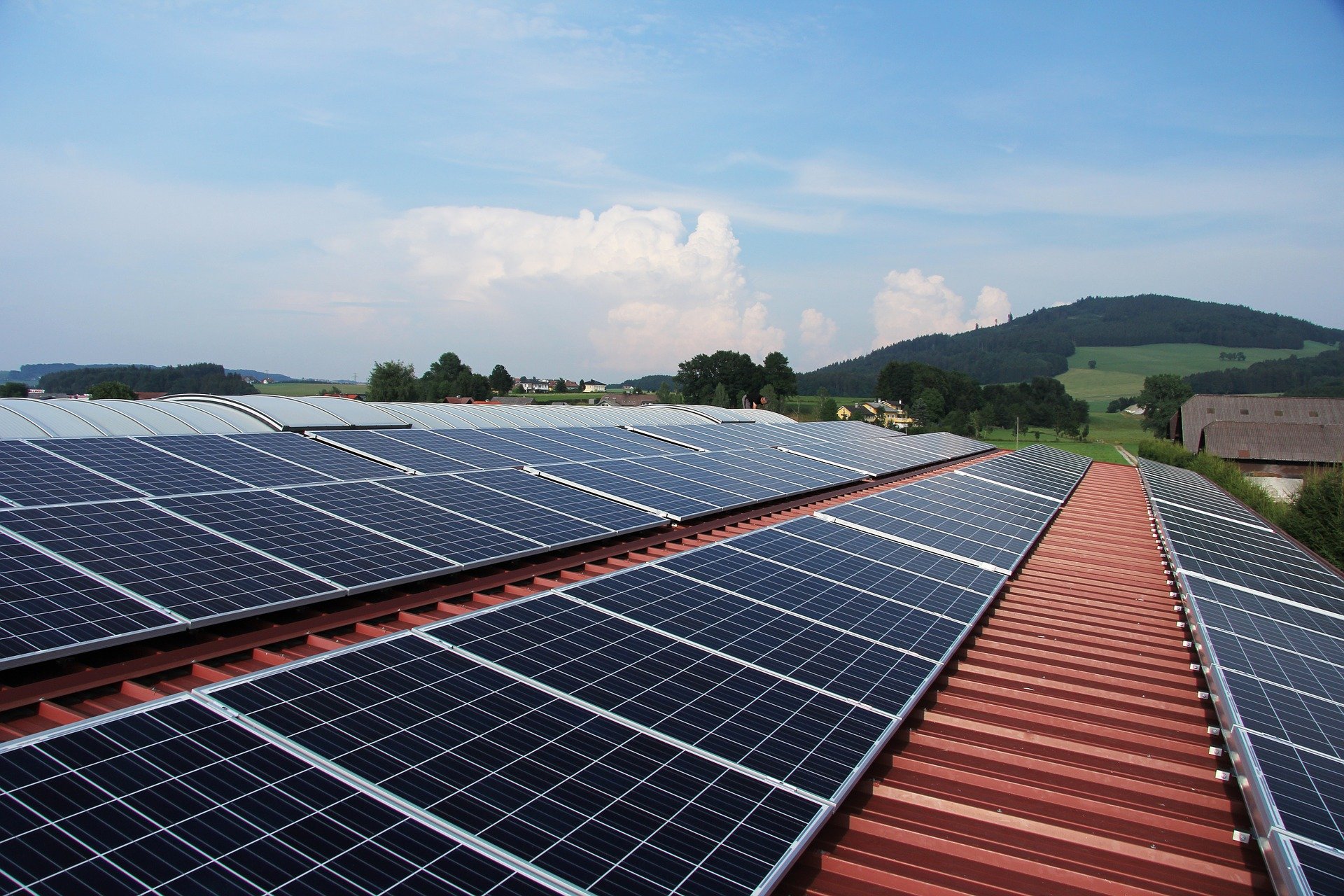

Aneel’s Proposal Changes the Rules of Distributed Solar Energy Generation in Brazil. Association Strongly Criticized This Possibility of Change
According to information from the Brazilian Association of Photovoltaic Solar Energy (ABSOLAR), only 0.6% of the Brazilian population uses solar energy in their daily lives. This number is very low for a tropical country, where the figures could be even higher. However, if the numbers are already low, the new proposal from Aneel may halt the growth of clean energy use in the country.
The idea behind Aneel’s new proposal is about distributed generation. Aneel’s proposal was seen as yet another factor that could hinder the growth of clean energy in the country. Rodrigo Sauiaa, CEO of ABSOLAR, stated that Aneel’s proposal contradicts the association’s previous statements that they would wait for the approval of the legal framework currently under discussion in Congress before making any changes to the rules.
”The producer supplies energy to their neighbors and doesn’t receive cash, but rather credits for electricity consumption. Today this exchange is one-to-one. However, according to the agency’s new proposal, they would only receive back 43% of what they lent. It’s a disincentive”, said Rodrigo in a piece in Miriam Leitão’s column in O Globo.
-
Ceará brings together 7 giants and R$ 66 billion to transform Pecém into the largest green hydrogen hub in Brazil, with final decisions expected by the end of 2026.

-
Scientists Convert Factory Waste Heat into Hydrogen Using Perovskite Catalyst at Significantly Lower Temperatures

-
Airbus and MTU Launch Joint Venture to Advance Hydrogen-Powered Electric Aircraft Engines, Paving the Way for a New Era of Low-Emission Commercial Aviation
-
In a Place Many Doubt Solar Power Works, 360 Panels Operate in the Arctic, Harnessing Reflected Snowlight to Reduce Diesel Use at an Isolated Station



Investments in Solar Energy Generate Billions for the Economy
Rodrigo also stated that due to the legal uncertainty caused by Aneel’s proposal, this case will certainly affect investments in solar energy. He highlighted that in the past year, the distributed solar energy generation segment was responsible for injecting R$ 11 billion into the country’s economy, in addition to generating 75 thousand jobs in the field.
ABSOLAR’s Thoughts on the Subject
ABSOLAR advocates for the establishment of a legal framework for the generation of distributed solar energy in Brazil. This is reflected in bill 5829/2019, with the report by Congressman Lafayette Andada. The association understands that the terms of the project are the best way to maintain legal certainty and not discourage energy in the country.