





 Portuguese
  English
  Spanish
  3 min of reading


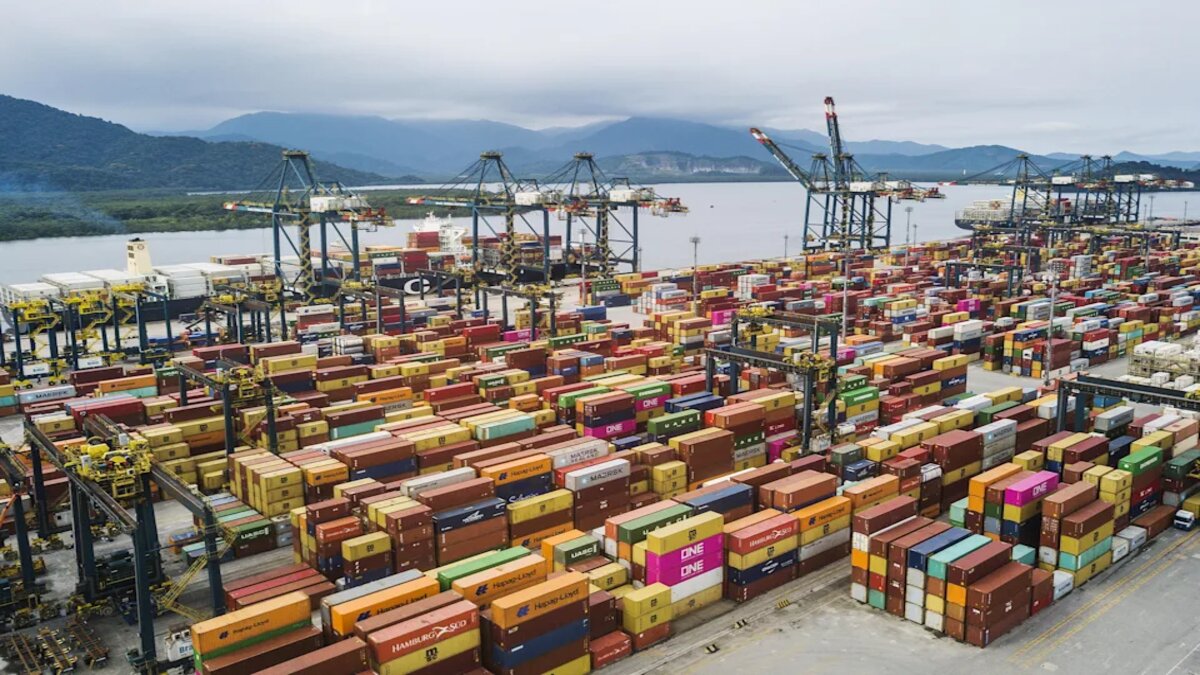
Although Brazilian Ports Have a Large Container Deficit, the Main Problem Surrounding Cargo Movement Operations in Brazil Right Now Is the High Costs of International Freight and the Lack of Market Predictability, According to Antaq
The National Agency of Waterway Transportation, also known as Antaq, commented last Tuesday (04/26) on issues that hinder cargo logistics in Brazil and stated that the high costs of international freight and the lack of market predictability are the main problems facing Brazilian ports. Contrary to the lack of containers in the country, as many port complexes tend to think.
Lack of Containers in Brazil Is Not the Main Problem for Brazilian Ports, and Antaq Highlights the High Costs Present in the International Freight Chain
One of the most discussed issues in the Brazilian port sector in recent months is the lack of containers in the country and how this problem has been affecting the logistics chain of cargo movement in the domestic market. However, Antaq opened a discussion on other more important issues in the current port segment and stated that this is not the main reason that Brazilian exports have been declining in recent months.
Thus, Antaq emphasizes the increase in international freight and the lack of predictability for loading and unloading cargo in some regions as the main challenges faced by the national market. The agency also highlighted in an official statement that “In exports, cargoes have been accumulating at ports waiting to be loaded. In imports, the national production chain has been suffering from the absence of raw materials that fail to arrive in the country on time.”
-
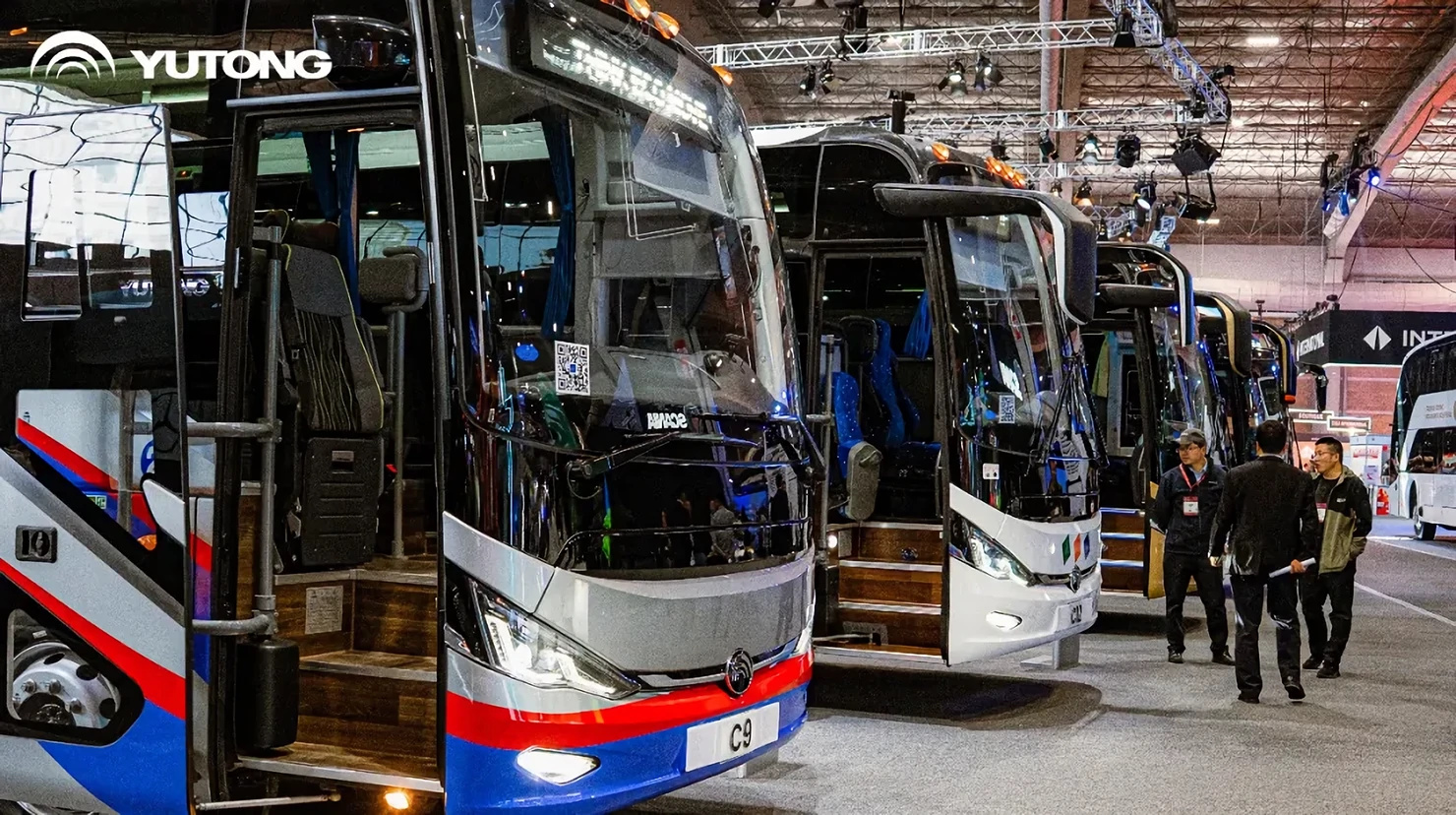
China advances into Mexico’s transportation with an electric bus that has a range of up to 530 km, bringing a complete line to the country in 2026 and transforming its partnership with Yutong into one of the most strategic in Latin American mobility.
-
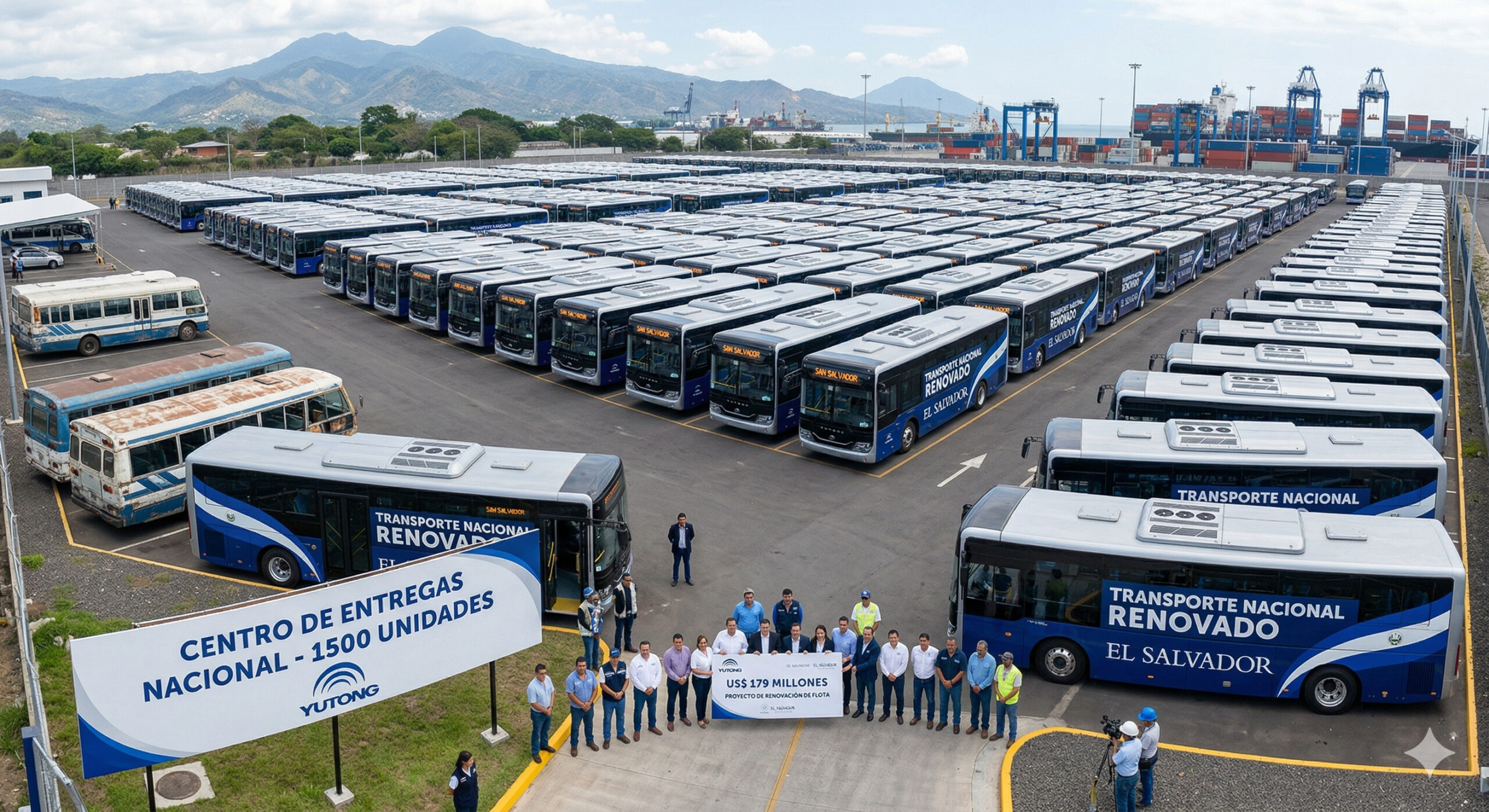
With 1,500 new buses financed by an international agreement, El Salvador is preparing the largest renewal in the history of its public transportation, a plan of $179 million with vehicles from the Chinese company Yutong that could replace practically the entire fleet of the country.
-
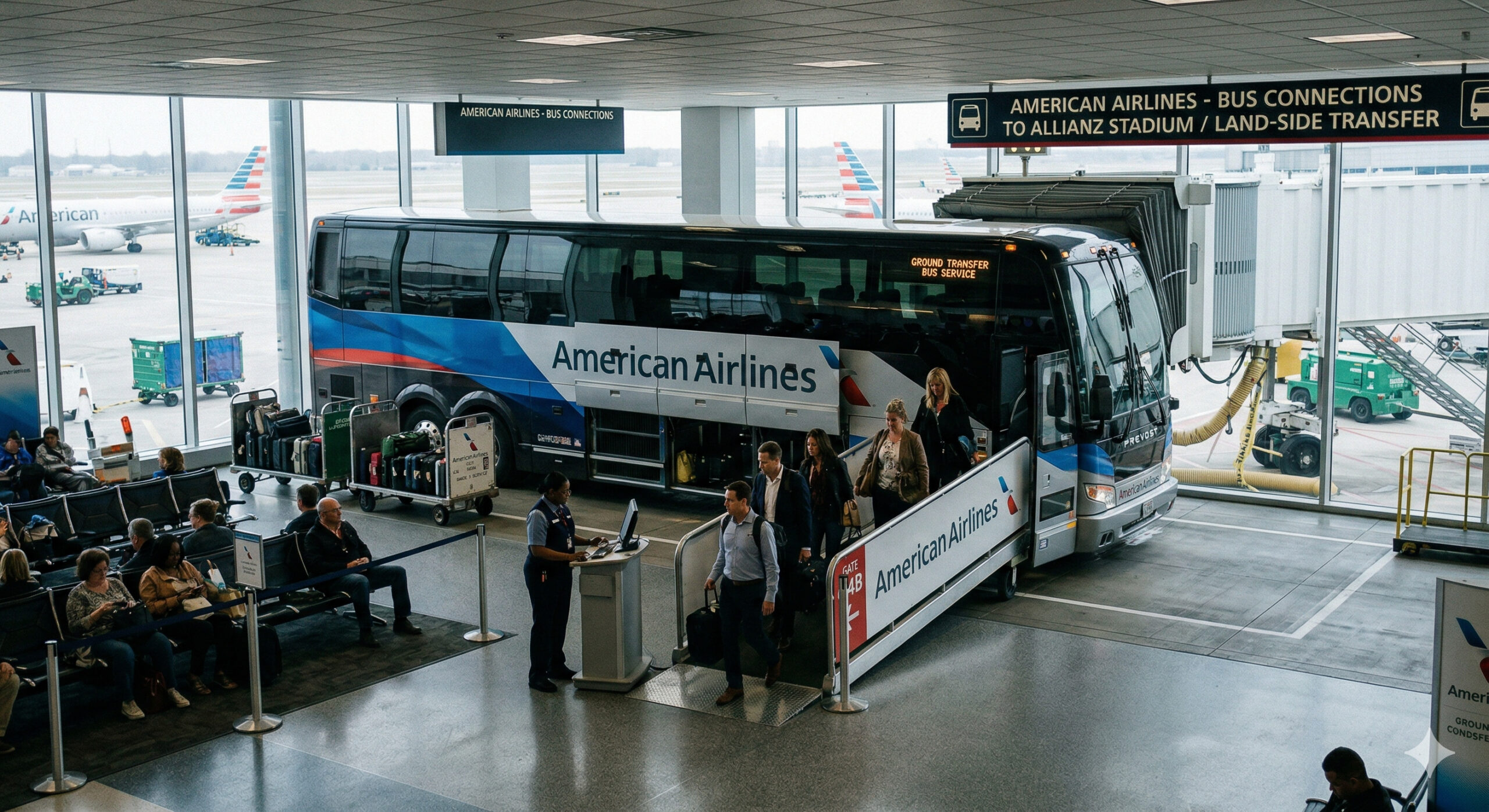
American Airlines starts selling trips as if they were flights, with check-in and baggage check at the airport, but on short routes, passengers board luxury buses connecting cities to major hubs in the U.S.
-
São Paulo surprises the world with a colossal railway network project that promises over 1,000 km of tracks, R$ 194 billion in investments, and 40 projects connecting the capital to the interior with fast and sustainable trains.
Additionally, another prominent issue in recent months contributing to these results in cargo movement logistics at Brazilian ports is the closure of ports due to the COVID-19 pandemic and the congestion of ships abroad directly affecting Brazilian ports because shipping routes are highly interconnected. However, this is an issue that has been resolved over the last year and does not impact the country as strongly as the high costs of international freight, for example, and the lack of containers in Brazil.
Container Crisis Affecting Brazil Is Driven by the International Market and Cannot Be Classified as a Mere Domestic Logistics Issue, According to Antaq
Still discussing the main issue of the ports sector in Brazil today, the high cost of international freight, Antaq commented that a large part of this problem is being caused by the container crisis, but this is an issue of the international market. Thus, this lack of equipment has been driven by high demand in major exporting ports, such as Asia, the United States, and Europe, which are more profitable compared to other countries like Brazil.
Additionally, these countries are also facing a serious logistical issue regarding the lack of drivers for cargo transport operations within their own nations, which also impacts the final logistics of cargo movement between international ports. As a result, exporters are penalized with delays in product delivery, increased freight prices, and charges for the time cargo remains at ports, causing a chain problem in ports worldwide.
Therefore, Antaq reassures the Brazilian port sector regarding the container issues and is committed to continuing efforts to reduce high international freight costs over the coming months in the country.








Seja o primeiro a reagir!