





 Portuguese
  English
  Spanish
  2 min of reading
  0 comments


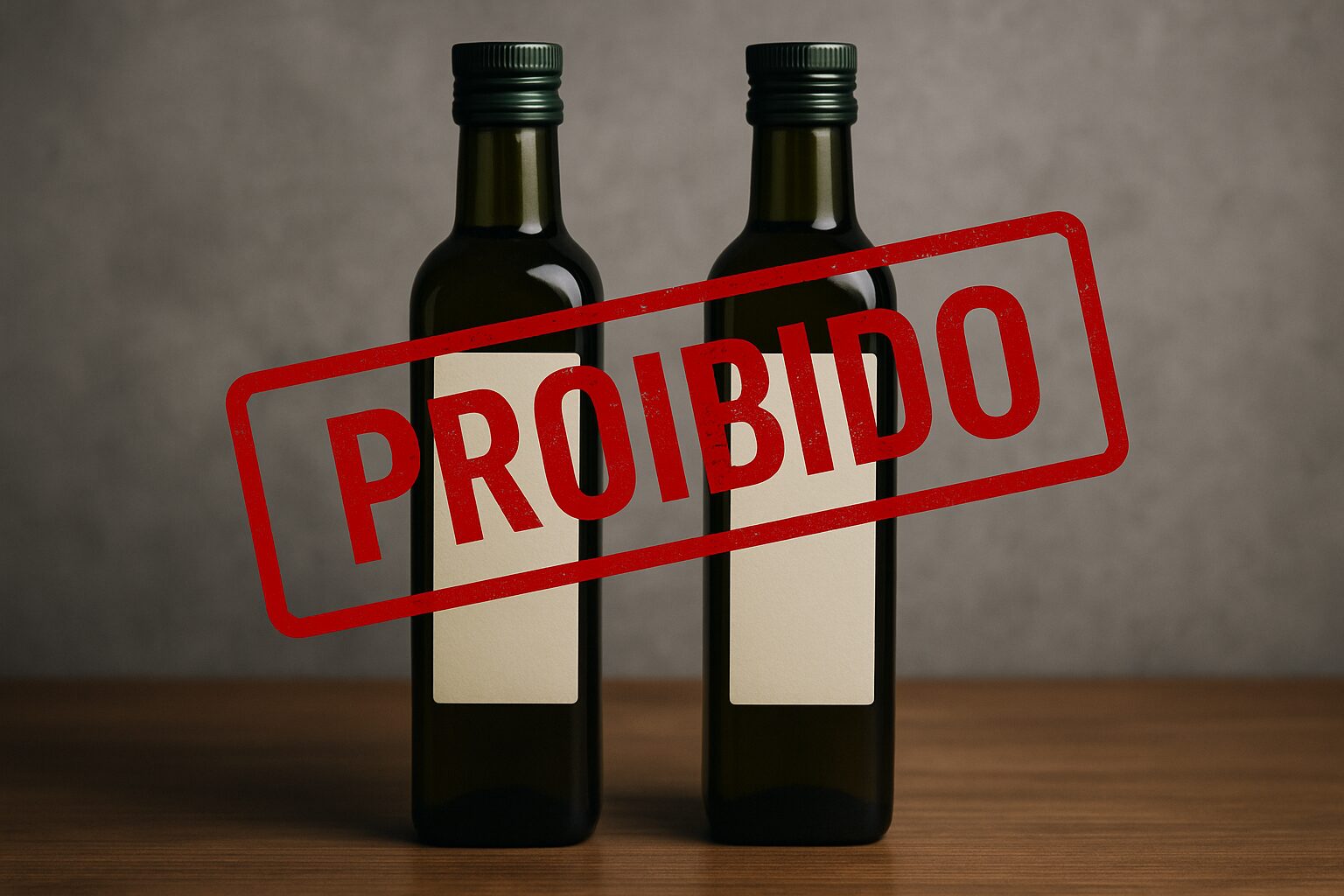
Olive Oils From The Brands Alonso And Quintas D’Oliveira Are Banned In Brazil After Investigations Indicate Unknown Origin, Lack Of Sanitary Licensing And Risks To Consumer Health
The Brazilian government has prohibited the marketing, distribution, manufacture, advertising, and use of olive oils from the brands Alonso and Quintas D’Oliveira. The decision was published in the Official Gazette on Tuesday (20).
The measure was taken by the National Health Surveillance Agency (Anvisa), based on investigations conducted by the Ministry of Agriculture and Livestock (Mapa). Technicians identified several irregularities in the products.
According to Mapa, the olive oils from the two brands have unknown origin and do not comply with important legal standards. Among the issues are the absence of licensing with the health authority and failures in the product labels.
-
The institute that trained the greatest aerospace engineers in Brazil has just opened its first campus outside São Paulo after 75 years: ITA Ceará will have R$ 445 million, new courses in energy and systems, and classes are expected to start in 2027.

-
Luciano Hang, owner of Havan, goes to Juiz de Fora after the tragedy in February, brings R$ 1 million, hands out R$ 2,000 cards, and donates up to R$ 15,000 to victims in the region.

-
The Brazilian passport allows legal residence in dozens of countries without the need for a prior visa, and most Brazilians are unaware that they can apply for residency directly upon arriving in nations in South America, Africa, and even Europe.

-
Petrobras sends a message to Brazilian truck drivers after fuel collapse and reveals plan to have 100% domestic diesel.


The investigations also indicated that the companies’ facilities do not meet the sanitary standards required for the production and storage of olive oil in Brazil.
In October 2024, Mapa had already seized lots of these brands. At that time, the ministry warned about the risks to consumer health due to uncertainties regarding the origin and composition of the oils.
Anvisa emphasized that the decision aims to protect the health of the population. The agency reinforced that products marketed in the country must be properly labeled and licensed, ensuring food safety.
So far, the involved brands have not commented on the ban. The report will be updated if there is an official statement from the companies.
With information from Info Money.









Seja o primeiro a reagir!