Portuguese
  Spanish


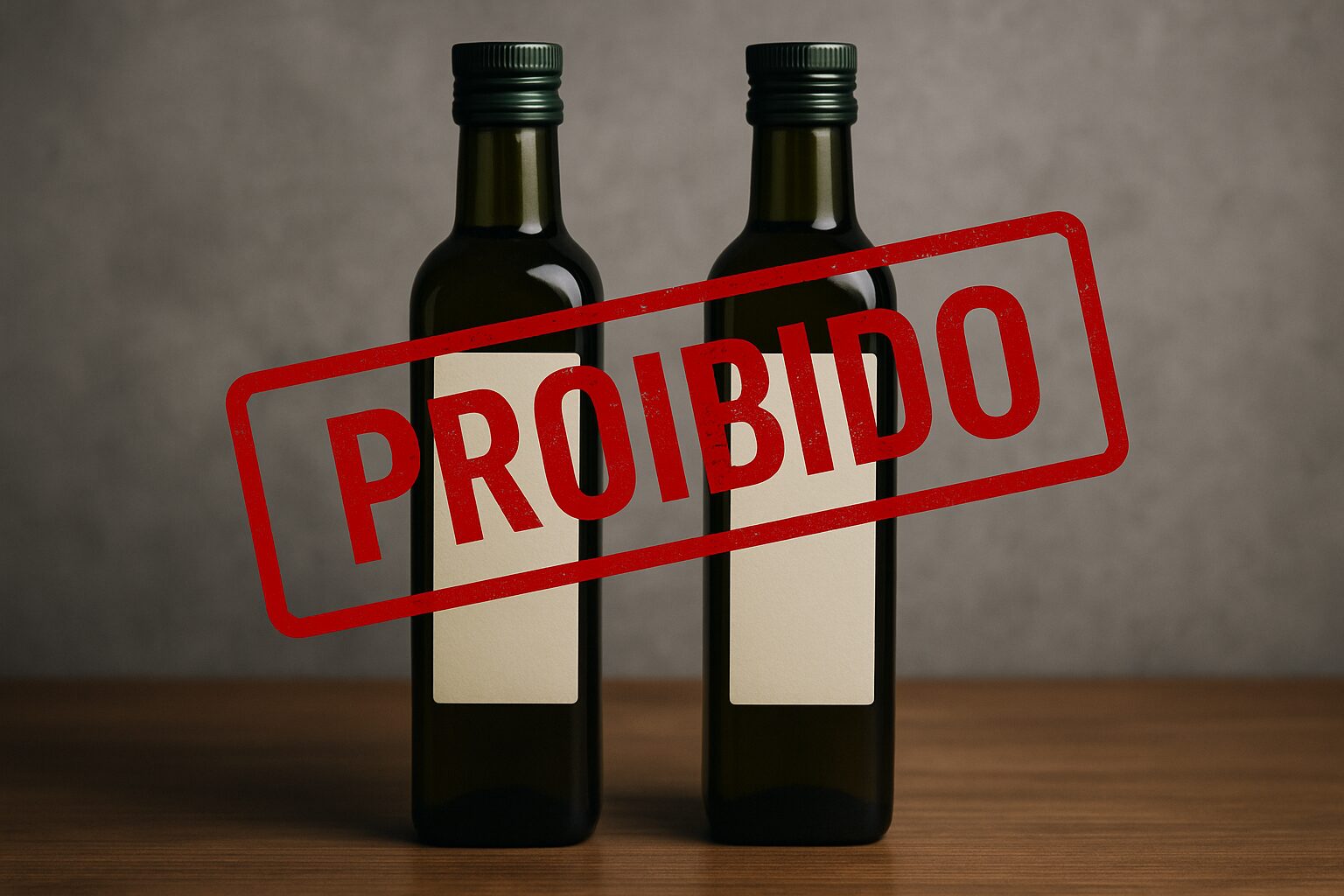

Olive Oils From The Brands Alonso And Quintas D’Oliveira Are Banned In Brazil After Investigations Indicate Unknown Origin, Lack Of Sanitary Licensing And Risks To Consumer Health
The Brazilian government has prohibited the marketing, distribution, manufacture, advertising, and use of olive oils from the brands Alonso and Quintas D’Oliveira. The decision was published in the Official Gazette on Tuesday (20).
The measure was taken by the National Health Surveillance Agency (Anvisa), based on investigations conducted by the Ministry of Agriculture and Livestock (Mapa). Technicians identified several irregularities in the products.
According to Mapa, the olive oils from the two brands have unknown origin and do not comply with important legal standards. Among the issues are the absence of licensing with the health authority and failures in the product labels.
-
Family Quietly Transforms Old Sawmill into $700 Million Business, Opens 25 Stores in Two Years Across 22 Brazilian States

-
Couple Sold Their Home to Save Business, Now Run Platform Handling $180 Million Monthly and Managing Over 51 Million Listings
-
Brazil’s 2026 Tax Refund: Record 9.58 Million Filers in Largest Payout Ever, But a Key Detail on Priority Recipients Draws Nationwide Attention

-
Itaú Alters Hybrid Work Model, Increasing Office Days from 2028, Prompting Employees to Adjust to New Routine



The investigations also indicated that the companies’ facilities do not meet the sanitary standards required for the production and storage of olive oil in Brazil.
In October 2024, Mapa had already seized lots of these brands. At that time, the ministry warned about the risks to consumer health due to uncertainties regarding the origin and composition of the oils.
Anvisa emphasized that the decision aims to protect the health of the population. The agency reinforced that products marketed in the country must be properly labeled and licensed, ensuring food safety.
So far, the involved brands have not commented on the ban. The report will be updated if there is an official statement from the companies.
With information from Info Money.