





 Portuguese
  English
  Spanish
  5 min of reading
  0 comments



Childhood Stories, First Earnings, and Business Trajectories Help Explain Why Elon Musk and Luciano Hang Are Associated with the Idea of Early Entrepreneurship in Public Profiles, Biographies, and Institutional Materials.
Elon Musk and Luciano Hang, a businessman known as Véio da Havan, have distinct paths, but they share one common point at the beginning of their professional lives: both started making money at the 12 years old.
In Musk’s case, the first widely cited record is the sale of the code for a game called Blastar for about US$ 500.
Hang reports that he began his entrepreneurial journey at school, selling cookies to classmates during recess.
-
The Brazilian city has 319 crooked buildings built on sandy soil without proper deep foundations, houses the largest beach garden in the world, with over 5 km, and is still considered the birthplace of surfing — meet Santos, in São Paulo.

-
New Zealand builds a shimmering building that vibrates, featuring a 62-seat cinema, moving sculptures, and an environment where sound, light, and energy are felt in the body.

-
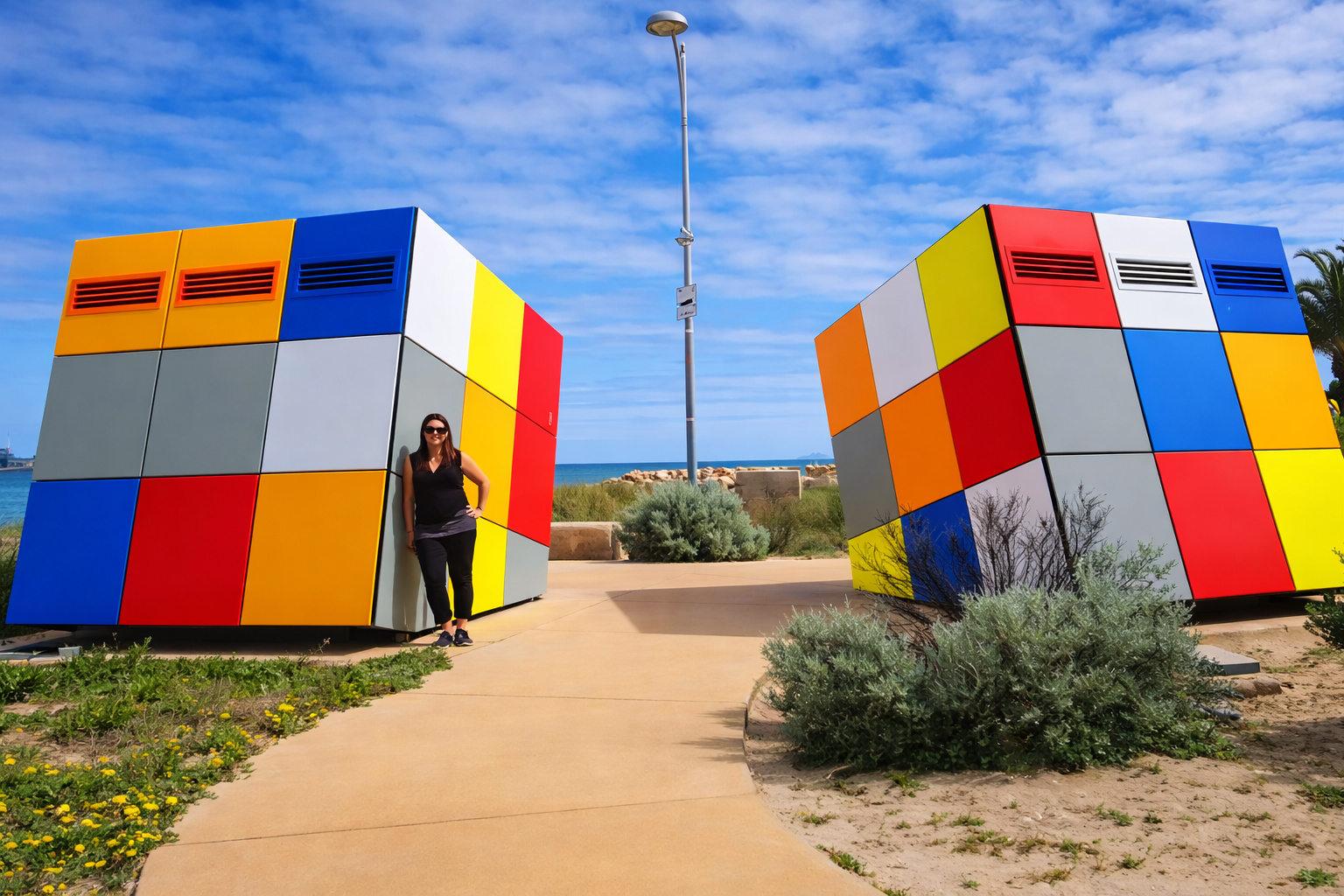
Two colored cubes of 2.5 m transform a public bathroom into a selfie spot in Western Australia, costing up to 75% less than traditional construction and helping to reduce vandalism in public spaces.
-
Santa Catarina produces up to 7 times more than it consumes in some sectors, and its century-old industries founded by grandparents and great-grandparents now compete on equal footing with Germany and the United States in the international market.


Both episodes are frequently mentioned in biographical profiles and institutional materials because they help contextualize how contact with commercial activities occurred in childhood.
This does not necessarily imply a direct relationship with later success, but it shows that both were already seeking ways to earn income long before they created the businesses that would make them renowned.
Elon Musk and the First Money from Programming
Born in South Africa, Elon Musk learned programming when he was still a child.
At the age of 12, he developed Blastar, a video game whose code was sold to a computer magazine for approximately US$ 500.
This episode is often regarded as the first documented financial gain of Musk related to technology.

Years later, he would participate in the creation of X.com, a company that would later relate to the origins of PayPal, found SpaceX, and solidify his status as one of the most recognized figures in Tesla.
The amount received at the time was modest compared to the wealth he would accumulate in the future.
Still, the episode is often cited by international outlets and biographical profiles as it records an early movement of creating and marketing a product.
Moreover, this case is remembered for occurring in a period when access to programming was more restricted than it is today.
For this reason, the sale of Blastar frequently appears as an initial landmark in his business trajectory, even though his international projection would not occur until many years later.
Luciano Hang and the Beginning of Sales at School
In the case of Luciano Hang, the most well-known account of the beginning of his entrepreneurial activity also dates back to when he was 12 years old.
According to Havan itself, he realized that his school did not have a cafeteria and, alongside a friend, started selling cookies to classmates during breaks.
According to the version shared by the company, demand increased, and the business began receiving supplies through deliveries made by a Kombi.
This episode is presented as Hang’s first commercial experience.
Later, the businessman would operate in different areas before establishing Havan as a retail chain.
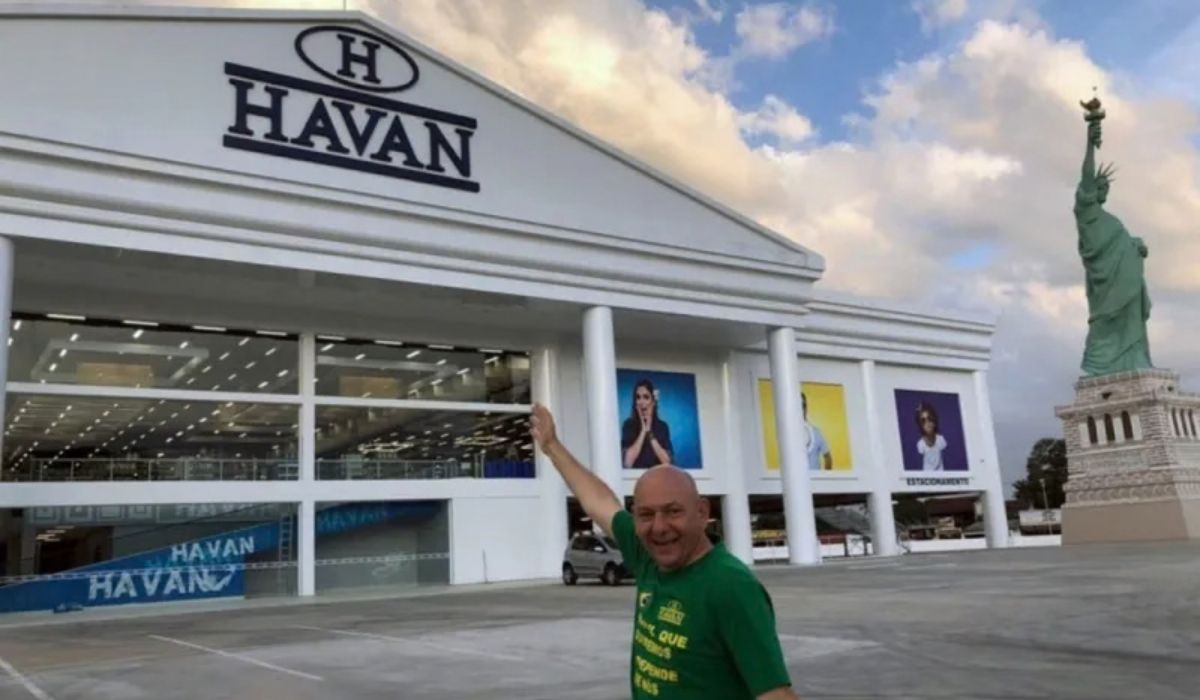
The company’s institutional records mention experiences such as knitting, dyeing, fabric shop, factoring, and small hydroelectric power stations.
This information helps situate the creation of Havan within a broader business trajectory.
Instead of appearing directly at the forefront of a large chain, Hang accumulated experiences in different areas before concentrating his investments in retail.
Havan, Brazilian Retail, and Trajectories That Followed Different Paths
Havan was founded on June 26, 1986, in Brusque, Santa Catarina, in a commercial space of 45 m² and with one employee, according to the company’s institutional history.
Initially focused on the textile sector, the company expanded its operations over the years and transformed into a department store chain.
In more recent institutional material, the company states that it operates almost 200 mega stores in the country and has about 23,000 employees.
This figure shows an expansion compared to the numbers disclosed by the company itself in 2022, when the chain reported having 174 units in 23 states and the Federal District.
The comparison between Musk and Hang often arises because both started earning money early, despite being in very different contexts.
Musk received his first financial return from a digital product.
Hang, on the other hand, started with in-person sales in a school environment.
The subsequent trajectories took different paths.
Musk built his image primarily in the fields of technology, electric mobility, and space exploration.
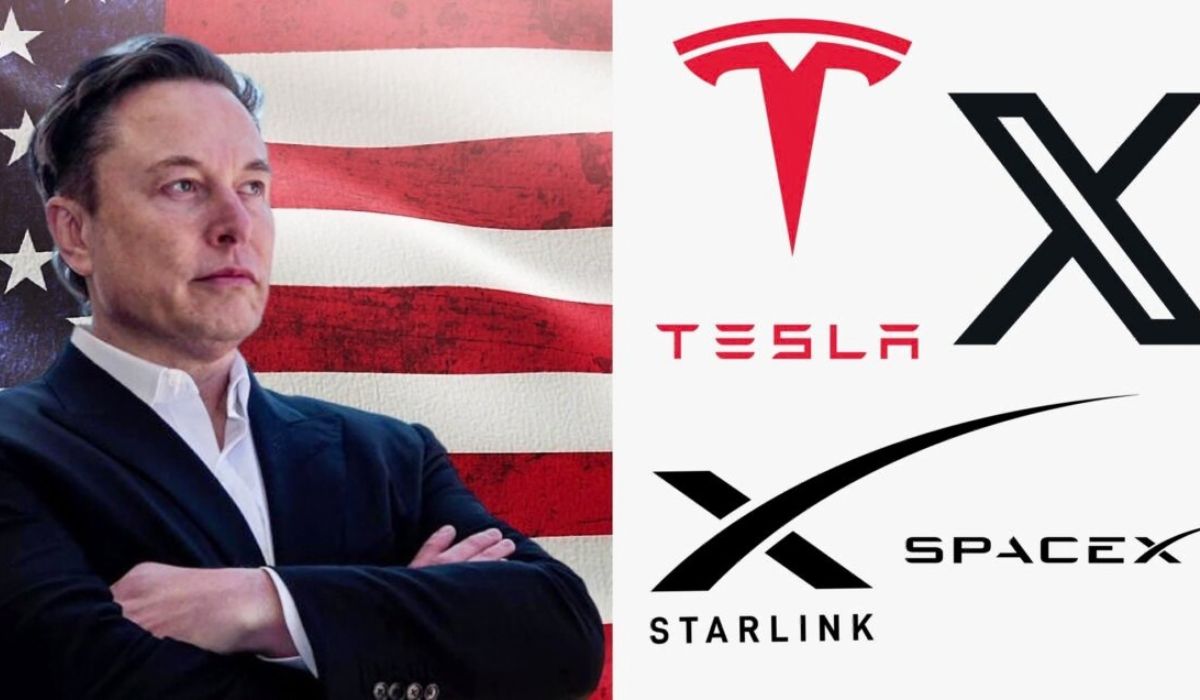
Hang, meanwhile, became a well-known name in Brazilian retail, with a strong presence of physical stores in different regions of the country.
In common, both cases show that their first paid experiences occurred in childhood and are now used as references in public profiles and biographical materials.
In Musk’s case, the sale of the game appears in reports and biographies.
In Hang’s case, the sale of cookies at school is cited by Havan as the first record of the businessman’s entrepreneurial activity.
These episodes remain associated with the image of both because they help build the origin narrative of each.





-

-

-

-

12 pessoas reagiram a isso.