





 Portuguese
  English
  Spanish
  4 min of reading
  0 comments


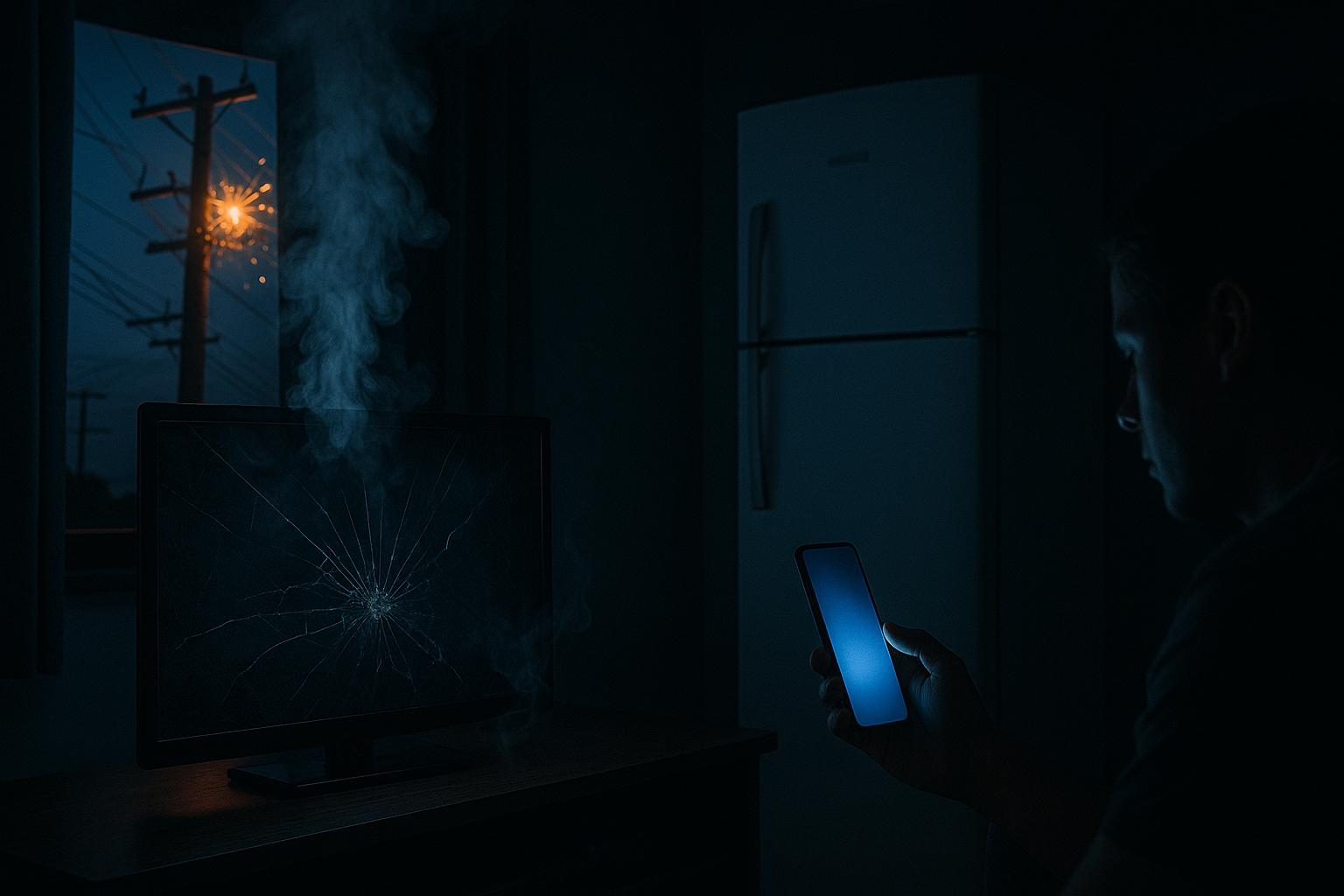
Consumer Whose Appliances Were Damaged by Blackout Can Demand Full Compensation from Utility and, in Severe Cases, Damages for Moral Losses.
Blackouts, sudden power outages, and voltage fluctuations are part of the routine for millions of Brazilians. In addition to the immediate inconvenience, these failures can cause significant losses: TVs, refrigerators, computers, and even medical equipment damaged by overload. What many do not know is that these damages do not have to be borne by the consumer. Brazilian law ensures that electric utility companies are responsible for fully compensating the losses caused by failures in supply.
Moreover, in severe cases, courts have also recognized the right to damages for moral losses, especially when the blackout compromises essential activities or causes embarrassment to the consumer.
What the Law and ANEEL Say
The duty of compensation is established in the Regulatory Resolution No. 1,000/2021 from ANEEL, which consolidated the rules of the electric sector.
-
The Chamber opens a debate on driver’s licenses at 16 years old as part of a reform that includes around 270 proposals to change the Brazilian Traffic Code and may redesign rules for licensing, enforcement, and circulation in the country.
-
The new Civil Code could revolutionize marriages in Brazil with “express divorce” and changes that could exclude spouses from inheritance.
-
Banco do Brasil sues famous influencer for million-dollar debt and intensifies debate on delinquency, risks of seizure, and direct impact on Gkay’s credibility.
-
The Senate approves a bill that criminalizes misogyny, hatred, or aversion towards women, and includes the crime in the Racism Law with a penalty of up to 5 years.

- The consumer whose devices are damaged by voltage variation must submit a request for compensation to the utility within 5 years of the damage.
- The distributor has 10 days to inspect the equipment and 20 days to carry out the repair, replacement, or monetary compensation.
- If the device is essential (like a refrigerator for storing medications), the inspection period is reduced to 1 business day.
Additionally, the Consumer Protection Code (art. 14) reinforces that utility companies are objectively liable for damages caused while providing the service, regardless of fault.
Court Decisions
The judiciary has confirmed consumers’ rights in various situations:
- The São Paulo Court of Justice ordered a utility company to pay compensation for material and moral damages to a family that was without power for days, resulting in lost food and damaged appliances.
- In Minas Gerais, the TJMG ruled that the energy company must fully compensate a small business owner who lost goods after a blackout.
- The STJ has already established that utilities cannot exempt themselves from responsibility by claiming external causes, except in proven cases of force majeure.
These decisions demonstrate that consumers have legal backing not only to recover the value of the damaged equipment but also to be compensated for the inconvenience.
How to Request Compensation from the Utility
The process is relatively simple but requires attention to deadlines and documents:
- Record the incident: note the date and time of the power outage.
- Request compensation: submit a request to the energy distributor (by phone, website, or in person).
- Wait for inspection: the company may send a technician to evaluate the damaged equipment.
- Submit documents: provide the purchase invoice for the device, budget estimate, or technical report confirming the defect.
- Payment or replacement: the utility has up to 20 days to compensate the consumer.
If there is a denial or delay, the consumer can appeal to ANEEL, the consumer protection agency, or the judiciary, including requesting damages for moral losses.
Damages for Moral Losses: When Is It Possible
While compensation for the value of the equipment is almost automatic, courts have also recognized moral damages in more serious situations, such as:
- Long periods without electricity, compromising basic activities.
- Loss of goods in commercial establishments.
- Situations that affect the dignity of the consumer, such as elderly individuals and patients who rely on medical equipment.
Compensations vary from a few thousand reais to more substantial amounts, depending on the specific case.
The Social Impact of Blackouts
Brazil still faces structural problems in the electric sector, especially in regions where the networks are old or poorly maintained.
Data from ANEEL shows that in 2023, consumers were, on average, 10.5 hours per year without electricity.
Each blackout not only represents a momentary inconvenience but also a direct impact on the finances and quality of life of families.
The possibility of compensation and damages serves to balance this relationship, providing consumers with a tool for protection against failures in essential services.
The Right Not to Suffer Losses
When the power goes out and an appliance is damaged, the tendency is for the consumer to believe that nothing can be done. But the law is clear: the utility is responsible for the damages caused.
Whether through administrative means (ANEEL and consumer protection agency) or through the courts, consumers have support to demand not only the repair or replacement of the device but also fair compensation for the inconvenience experienced.
The message is clear: blackouts and power outages do not come for free. The right to compensation is guaranteed — and those who do not pursue it lose out.





Seja o primeiro a reagir!