





 Portuguese
  English
  Spanish
  4 min of reading
  0 comments


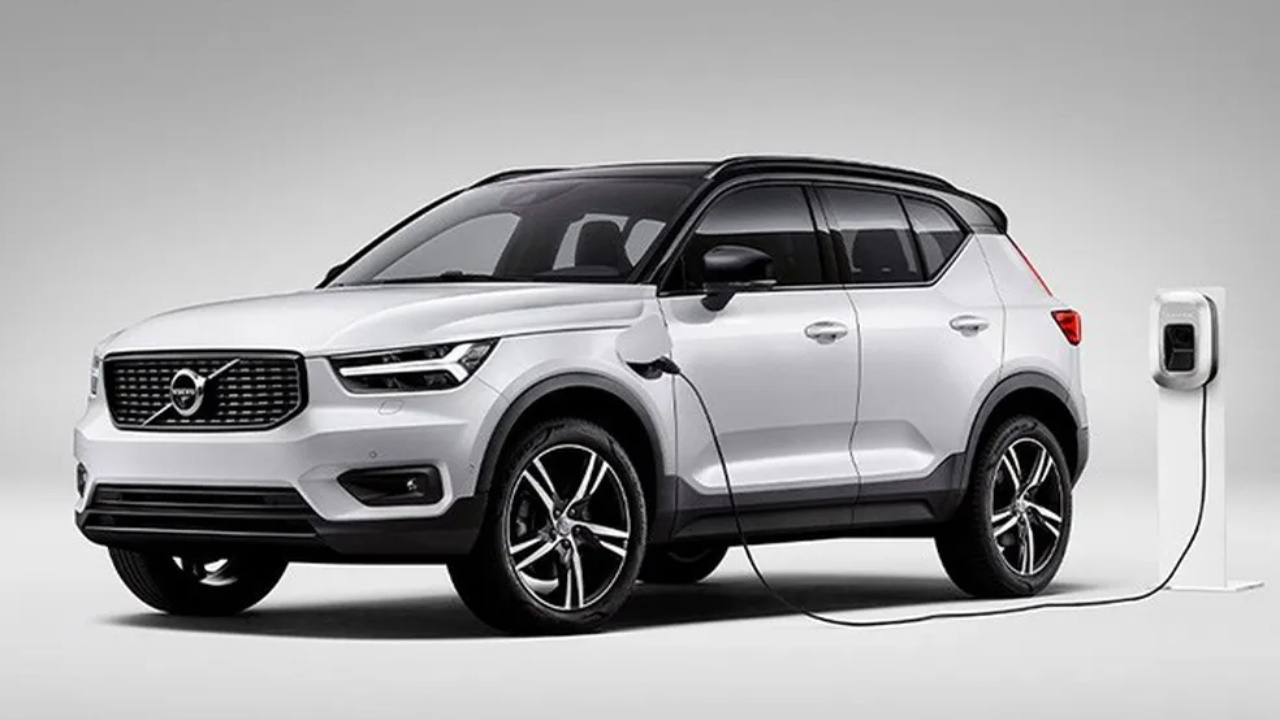
Volvo Firmly Bets on Electric Cars and Maintains Plan to Eliminate Combustion Engines by 2035. Understand How the Swedish Brand Aims to Lead the Energy Transition Despite Falling Sales.
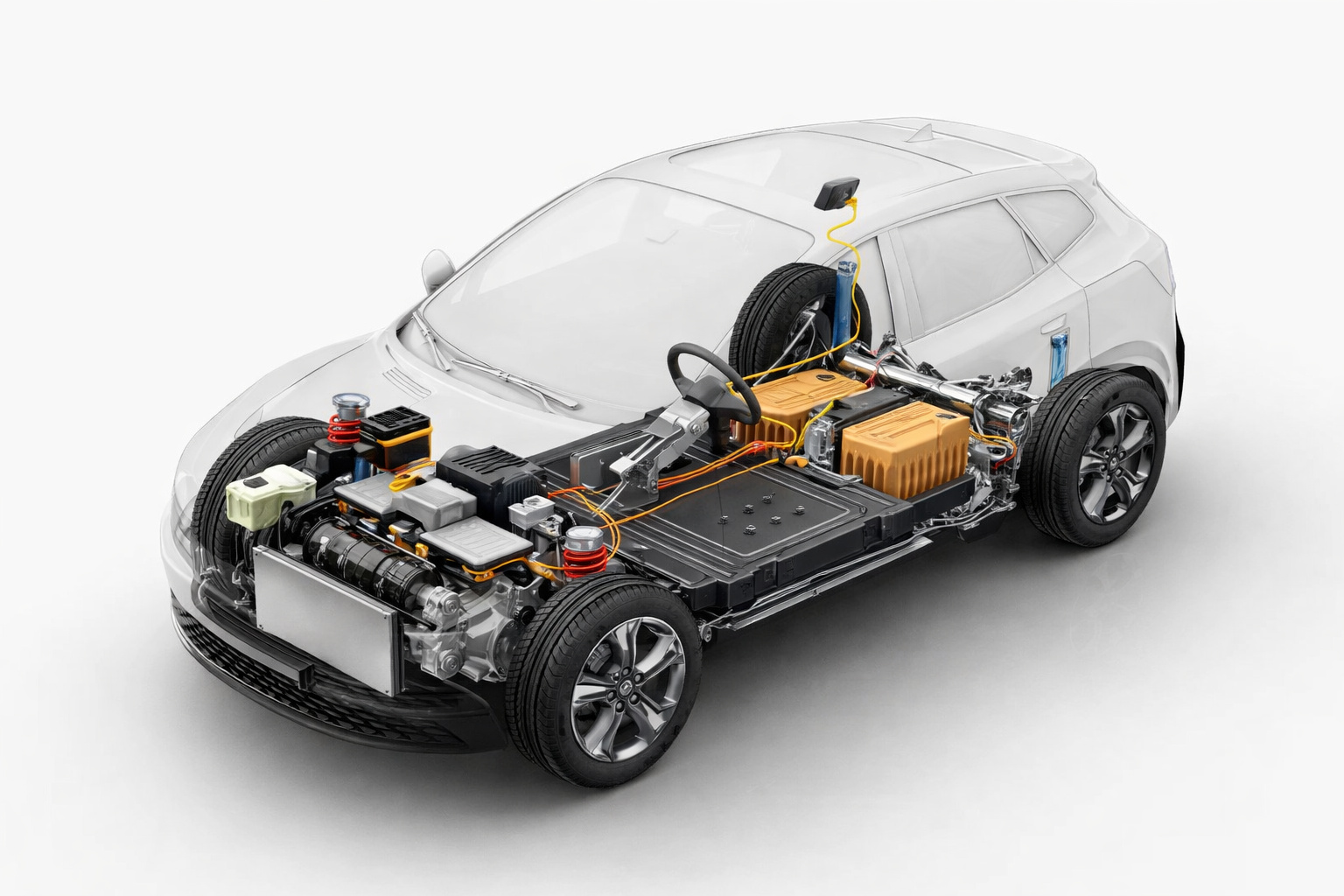
Volvo has no doubts about the path to follow. The Swedish brand reaffirms that the future of mobility will be completely electric, even in the face of falling sales and resistance from parts of the industry. For Håkan Samuelsson, CEO of the automaker, the direction is already set: “The industry will be electrifying – there is no turning back.”
From Bold Announcement to Necessary Concessions
In 2019, Volvo surprised the automotive sector by announcing that it would only sell electric cars starting in 2030. However, as years went by, the market showed that the transition would be slower than anticipated. Therefore, the current target has been adjusted: by the end of the decade, the company projects that between 90% and 100% of its sales will be of electrified vehicles, including both fully electric and plug-in hybrid models.
This shift reveals pragmatism. The path is laid out, but at a pace more adapted to consumer reality.
-
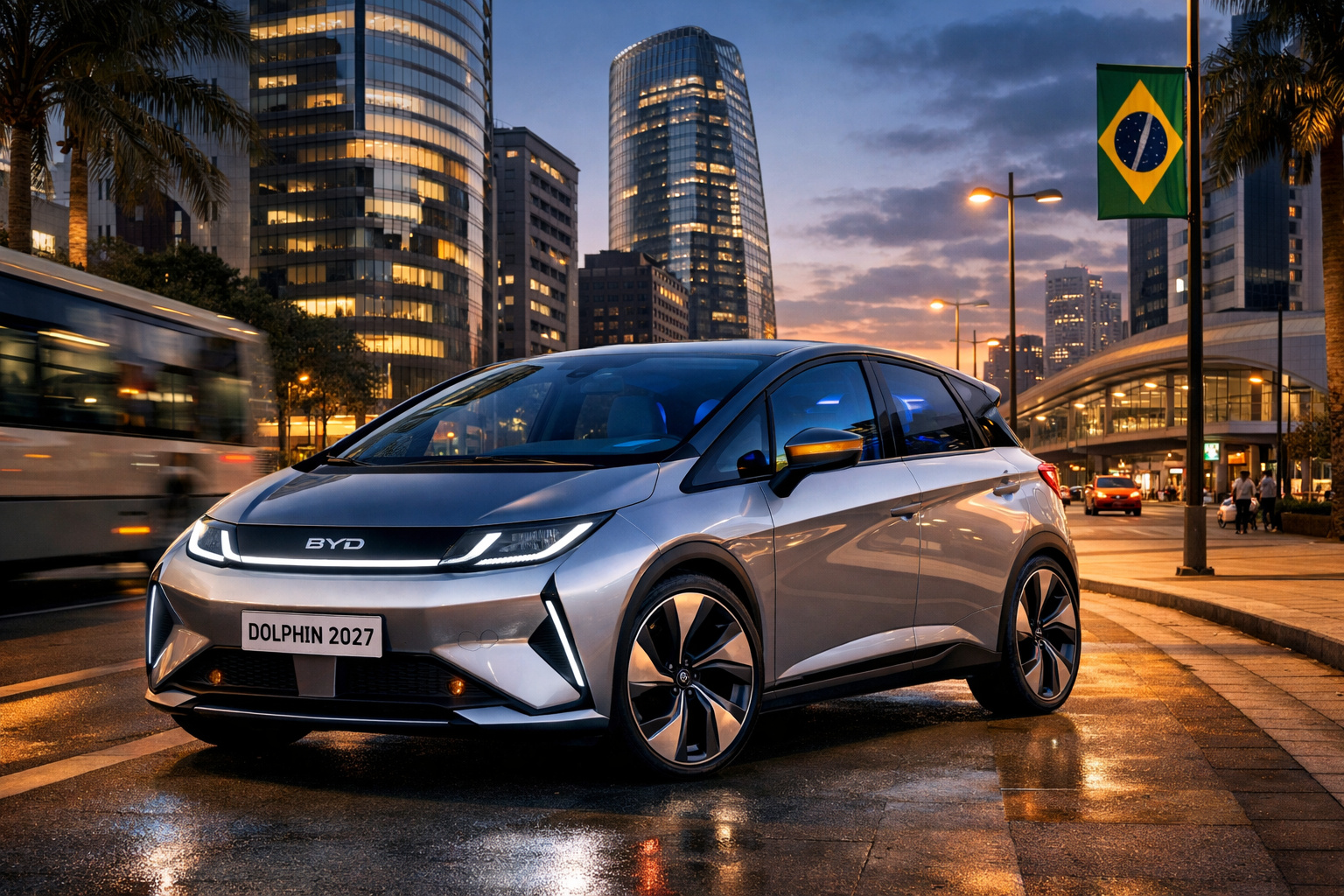
BYD Dolphin 2027 gains more power, increases in size, changes interior, and abandons controversial feature to face new competition in Brazil.
-
The German economist Wolf-Peter Schill has no doubts: “Electric cars are already far superior to cars with internal combustion engines.”

-
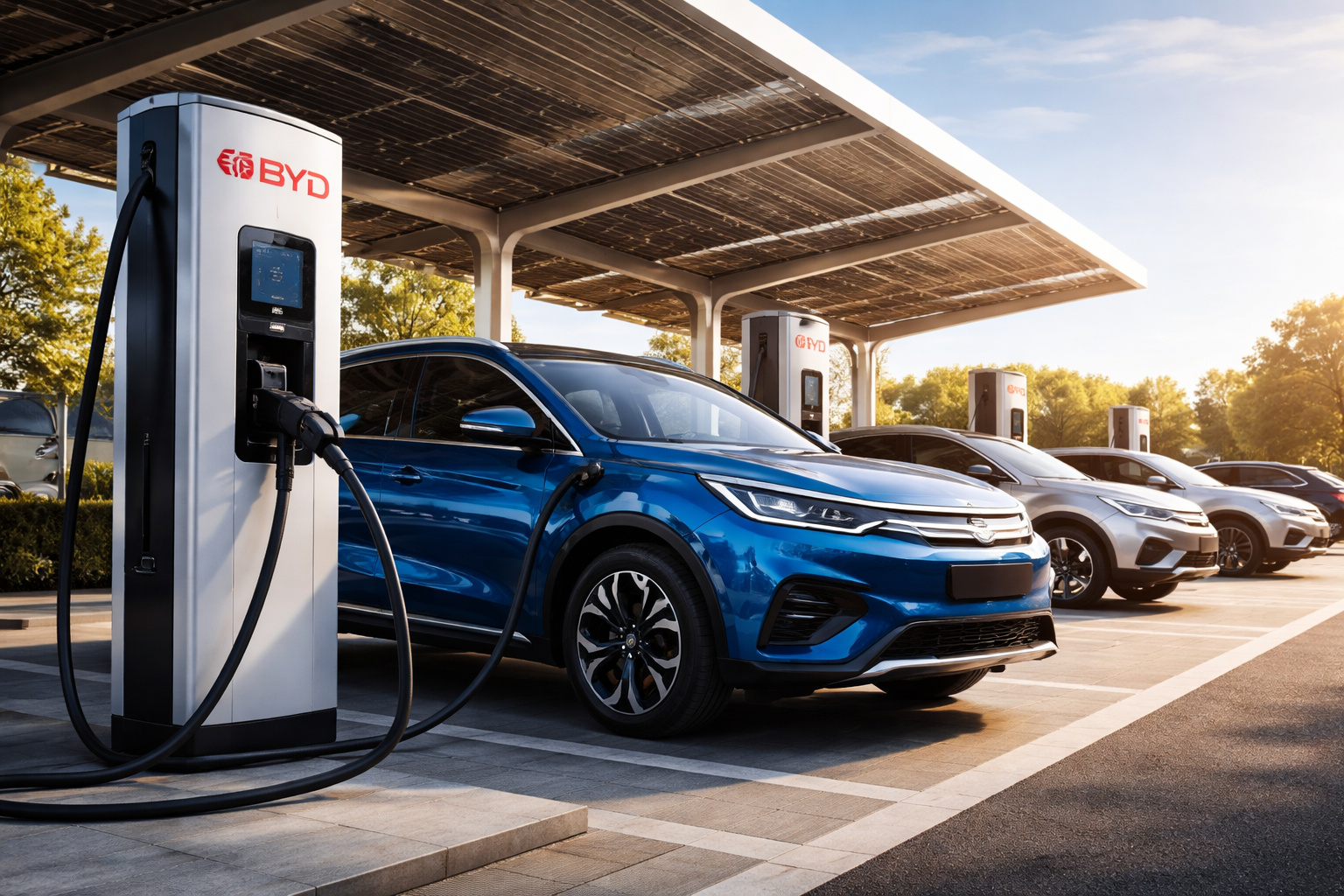
Largest public charging network in Brazil: BYD reaches 125 fast chargers and accelerates national expansion of electric mobility.
-
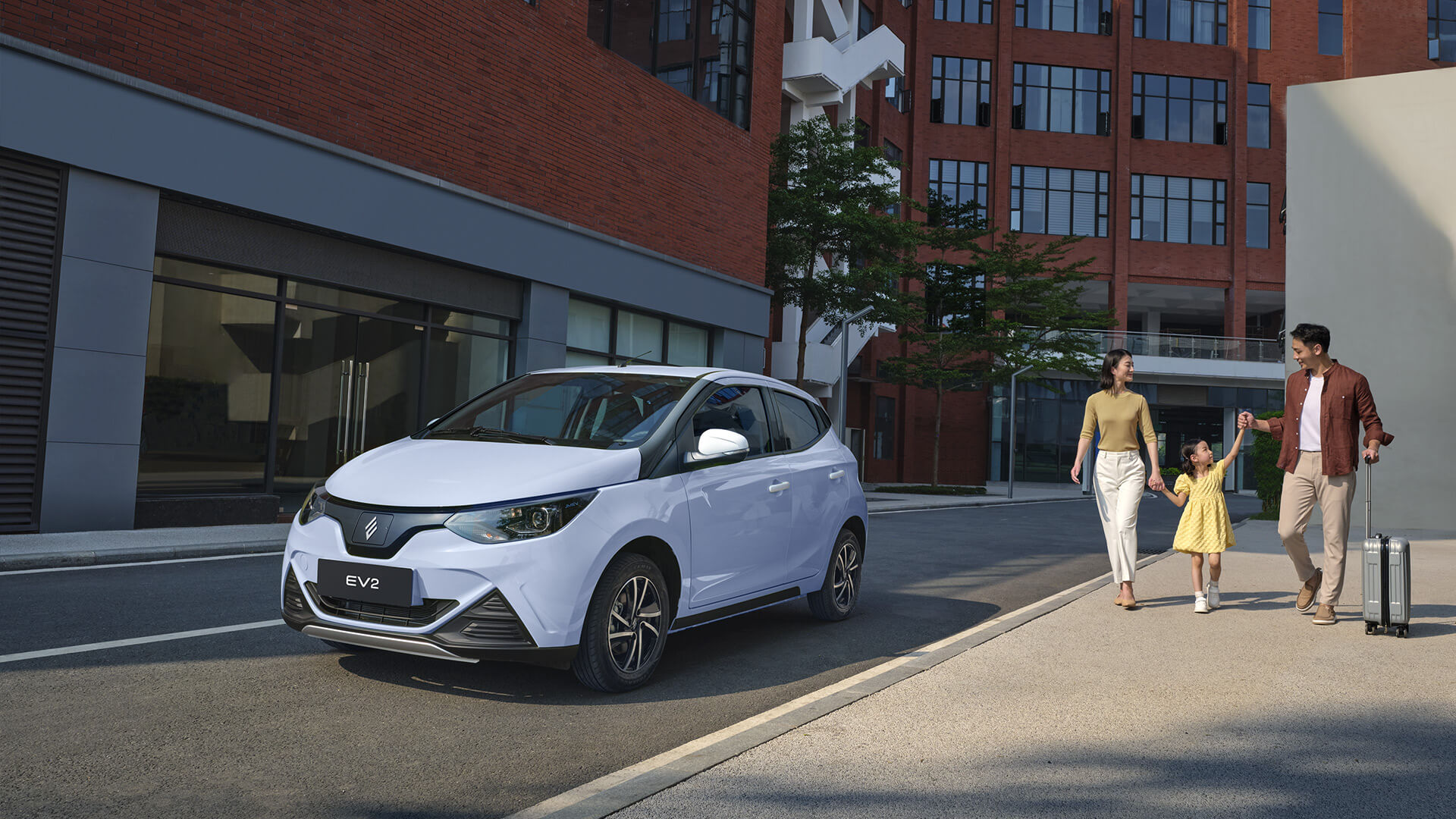
Goodbye expensive popular car: electric vehicle for less than R$ 70,000 starts being sold in Brazil with a range of 200 km and targets those looking to escape gasoline.

The decision is not new. A year and a half ago, Volvo had already declared the end of diesel engines. Now, it also announces the definitive farewell to gasoline engines. This choice reinforces the strategy to align the company with the energy transition and to consolidate its position as one of the pioneers among global brands.
Samuelsson leaves no room for doubt: “It may be slower in some regions, but the direction is clear.”
Numbers Still Do Not Reflect Optimism
Despite the firm speech, sales results show a challenging landscape. In the first eight months of this year, Volvo recorded 90,326 electric cars sold, a number 24 units lower than the same period last year. Plug-in hybrids also declined by about 1%. In total, the brand’s global sales fell by 10%.
In other words, the current market reality does not yet align with the company’s ambition.
Even with the difficulties, Volvo believes that plug-in hybrids can be the bridge to a fully electric future. Samuelsson describes them as “electric cars with a backup engine”, an alternative that offers extra security to consumers who still hesitate to rely solely on the battery.
The strategy can help reduce resistance, especially in countries with limited charging infrastructure.
Global Competition and Brand Survival
The Swedish executive predicts that the energy transition will be a game changer for the industry. According to him, “some companies will adapt and survive, others will not.” By 2035, Samuelsson believes that two or three Chinese brands will have dominant positions, while some European groups may lose ground.
This scenario reflects an increasingly intense competition between traditional manufacturers and new players focused exclusively on electric cars.
However, not all automakers share Volvo’s optimism. BMW, for example, remains cautious and does not abandon combustion engines. Mercedes warns that a total ban on these vehicles in the European Union could mean an “industry collapse.”
Audi and Porsche also express doubts about the pace of the transition, considering a complete shift to electric vehicles as premature. Meanwhile, Volvo maintains a strong stance.
Polestar, Volvo’s sister brand, seizes the moment to reinforce its cutting-edge image. During the IAA Mobility fair in Munich, the company showcased messages from competitors who abandoned their electric targets in a bold marketing strategy.
Both Volvo and Polestar advocate for the European Union to maintain its plan to ban combustion vehicles after 2035, even as other automakers lobby for more flexible laws.
The Clash Between Politics and Market
The topic has gained even more relevance on the European agenda. Meetings between automotive executives and EU leaders have put the future of electric mobility up for discussion. The CEO of Mercedes, Ola Källenius, has already classified the ban as “simply unfeasible.”
In the meantime, Volvo insists that patience and persistence will be essential to consolidate the new business model.
However, for the consumer, the reality is more complex. Charging infrastructure is still insufficient in many regions, prices for electric cars remain high, and batteries still do not offer the durability expected by drivers.
Even so, Volvo believes that trust must come from those who lead. The message is clear: in a decade, the landscape will be different, with more accessible prices, greater range, and more robust infrastructure.
Despite the uncertainties, the Swedish brand remains steadfast in its purpose to transform the future of mobility. For Samuelsson, there is no room for regression: the era of fossil fuels is behind us.
In his words, the message is direct: “No problem. Just have a little more patience – in 10 years everything will be better. And more peaceful.”





Seja o primeiro a reagir!