





 Portuguese
  English
  Spanish
  2 min of reading
  0 comments


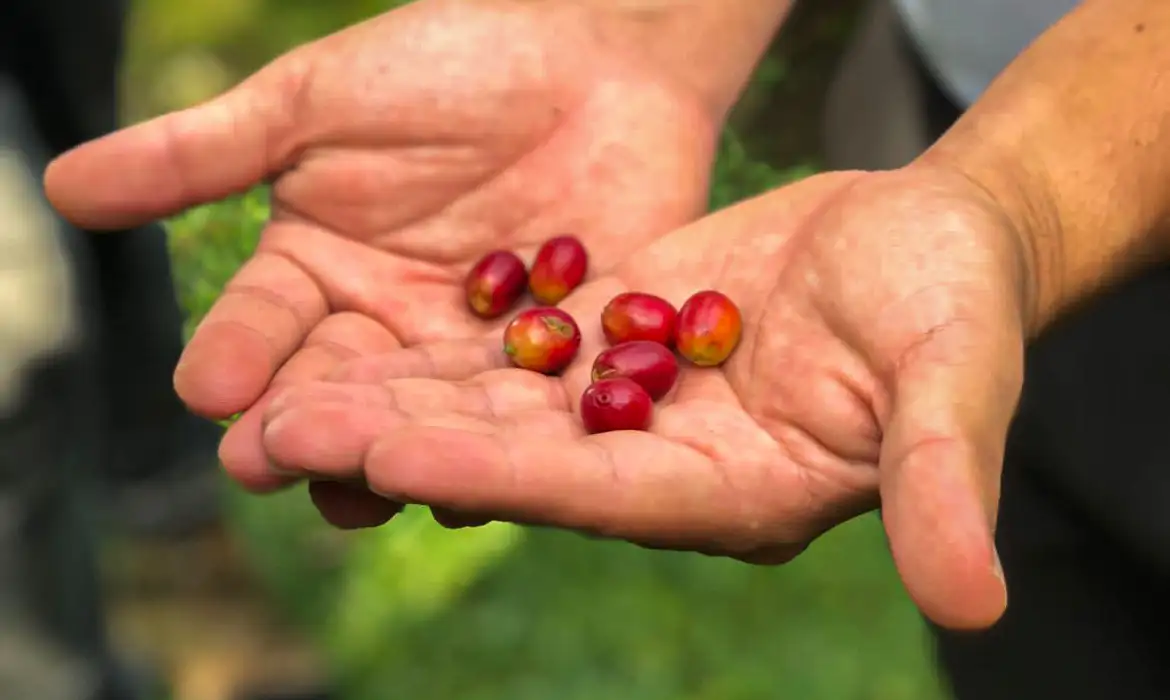
Prices Responded to Climate Uncertainties and International Market Behavior, Maintaining Positive Trend
March was marked by strong fluctuations in the international coffee market. Climate instability and uncertainty surrounding the Brazilian harvest of 2025 dominated coffee price movements.
The weather in Brazil and Vietnam, the two major producers, remained in the spotlight.
Brazilian Harvest on Alert
The prolonged drought of 2024 and high temperatures caused significant losses in arabica coffee production in Brazil.
-
The water that almost everyone throws away after cooking potatoes carries nutrients released during the preparation and can be reused to help in the development of plants when used correctly at the base of gardens and pots, at no additional cost and without changing the routine.

-
The sea water temperature rose from 28 to 34 degrees in Santa Catarina and killed up to 90% of the oysters: producers who planted over 1 million seeds lost practically everything and say that if it happens again, production is doomed to end.

-
An Indian tree that grows in the Brazilian Northeast produces an oil capable of acting against more than 200 species of pests and interrupting the insect cycle, gaining ground as a natural alternative in soybean, cotton, and vegetable crops.

-
The rise in oil prices in the Middle East is already affecting Brazilian sugar: mills in the Central-South are seeing their margins shrink just as ethanol gains strength.


Meanwhile, robusta performed better. In March, the return of humidity to Brazilian coffee regions was welcomed, albeit irregularly.
The forecast for more consistent rainfall, especially in Minas Gerais, reduced water stress.
This caused the market to retreat from its highs, keeping the May contract away from the 400-cent-per-pound mark.
According to Gil Barabach, a consultant at Safras & Mercado, weather conditions remain a determining factor. “The humidity returned, and this brought some relief. But the situation still requires attention,” he stated.
Vietnam Also Pressures Prices
In Vietnam, the rains were also irregular. The lack of moisture contributed to price volatility in robusta.
With the forecast of rain in the coming days, the market began a correction. This movement in London directly affected arabica prices in New York, pulling values down.
Despite these corrections, volatility is expected to continue. The low physical supply of coffee is one of the reasons. “This combination of climate uncertainty and limited availability tends to keep the market unstable,” evaluated Barabach.
Historical High and Corrections
The May contract in New York reached a record on March 5: 409.95 cents per pound. However, the market corrected in the following weeks. On the 14th, prices hit the month’s low, at 373.25 cents.
The fluctuation of the dollar, coupled with trade tensions involving the U.S., also affected the sector. As of March 27, the May contract rose by 1.5%, closing at 378.80 cents.
Slow Internal Market, but With Appreciation
In Brazil, sales were slow in March. With limited supply and cautious sellers, transactions were sporadic. In Southern Minas, good-quality arabica rose by 3.6%, closing at R$ 2,560.00 per sack. Meanwhile, robusta type 7, in Vitória (ES), had a slight increase of 0.25%, going to R$ 1,980.00.
The expectation now revolves around the arrival of the new harvest.










Seja o primeiro a reagir!