





 Portuguese
  English
  Spanish
  3 min of reading


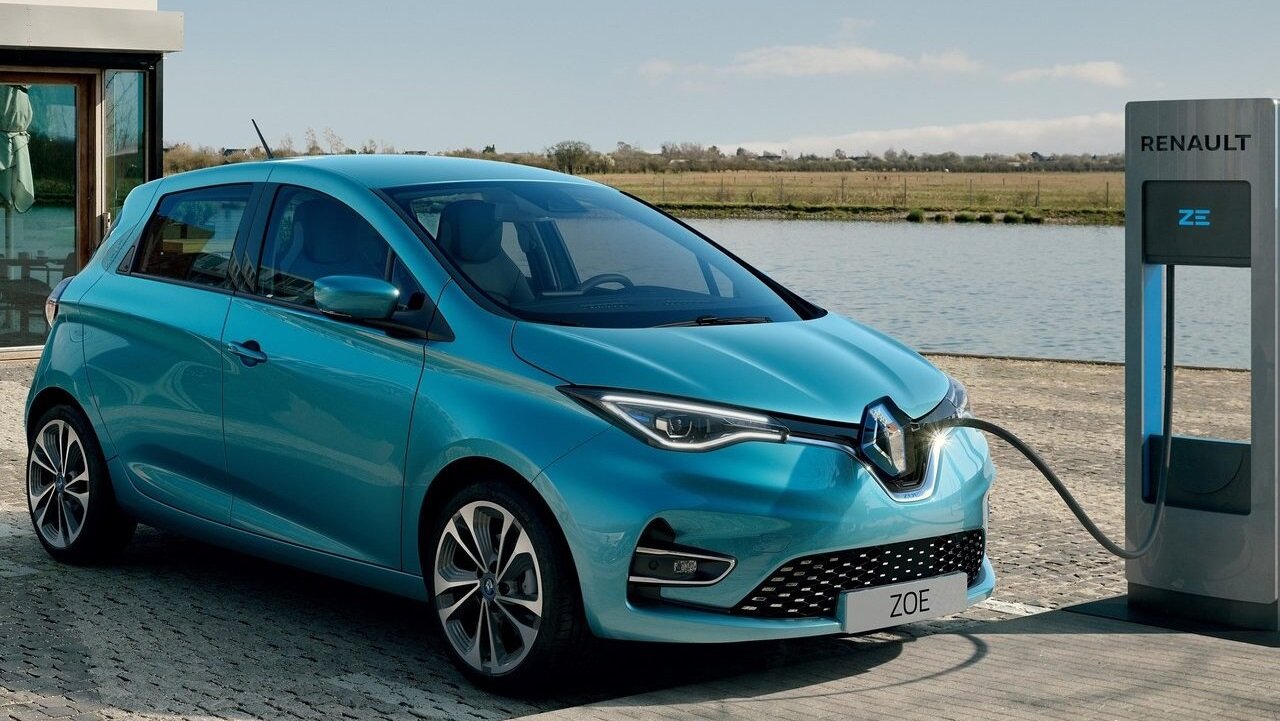
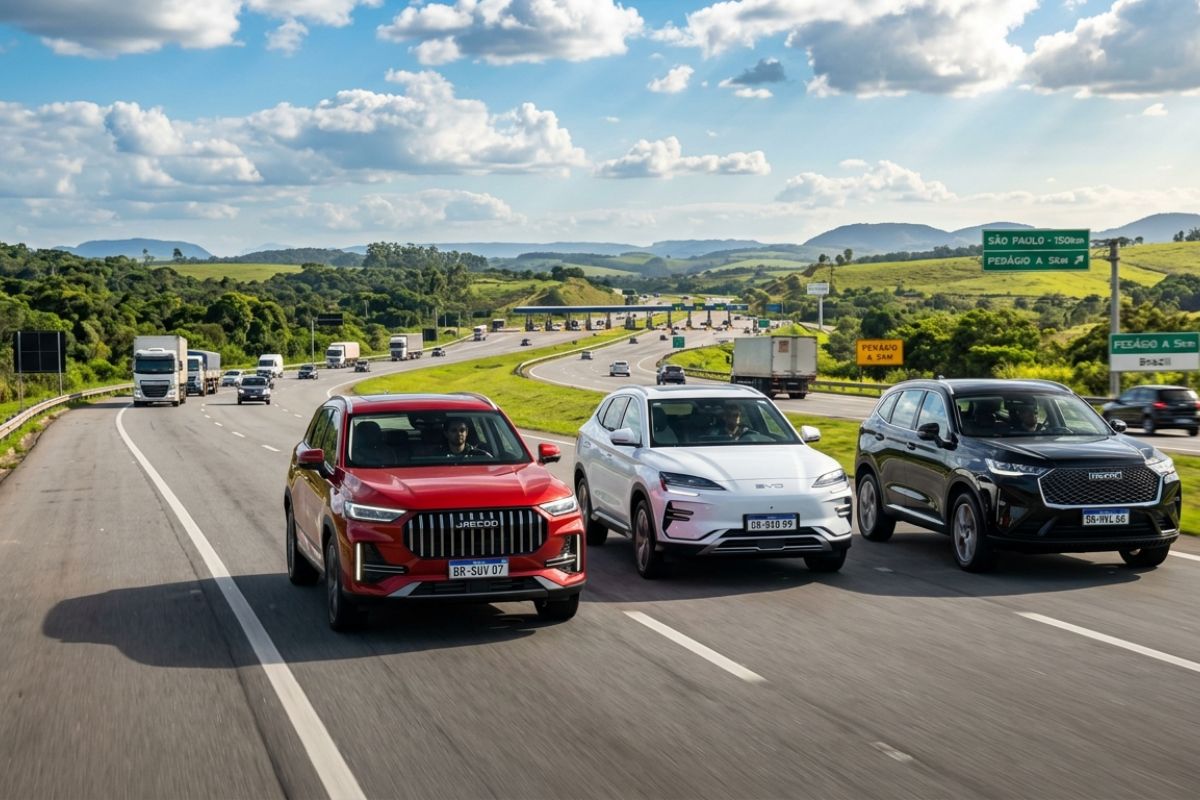
The Lack Of Good Distribution Of Charging Stations For Electric Cars Has Made Sales In The Sector Slower, Especially Due To The Lack Of Infrastructure To Make It Really Accessible. Furthermore, The Public Seems To Resist Electric Vehicles As Long As They Are Not Something More Present In The Daily Life Of Cities.
The Area Is Highly Profitable, Therefore, It Deserves To Receive The Due Investment, As Highlighted By The Research Conducted By The Boston Consulting Group. In Numerical Terms, The Study Indicates The Need For Investments In The Electric Car Sector Of Around R$ 14 Billion By 2035, As A Way To Make The Sales Of Electric Vehicles An Effective Part Of Daily Life.
According To An Electric Vehicle Expert, Partnerships Could Enable Improvements In The Sector’s Infrastructure
For Electric Cars To Function, There Needs To Be Accessible Charging Points Throughout The City. The Logic Also Extends To Buses And Trucks, Which Are Even Larger Vehicles.
Despite The High Number Of Sales — 49,245 Units Registered And 126,504 Vehicles In Circulation — The Infrastructure In This Respect Is Still Insufficient, Leaving The Population Unsure About The Adoption Of These Vehicles.
-
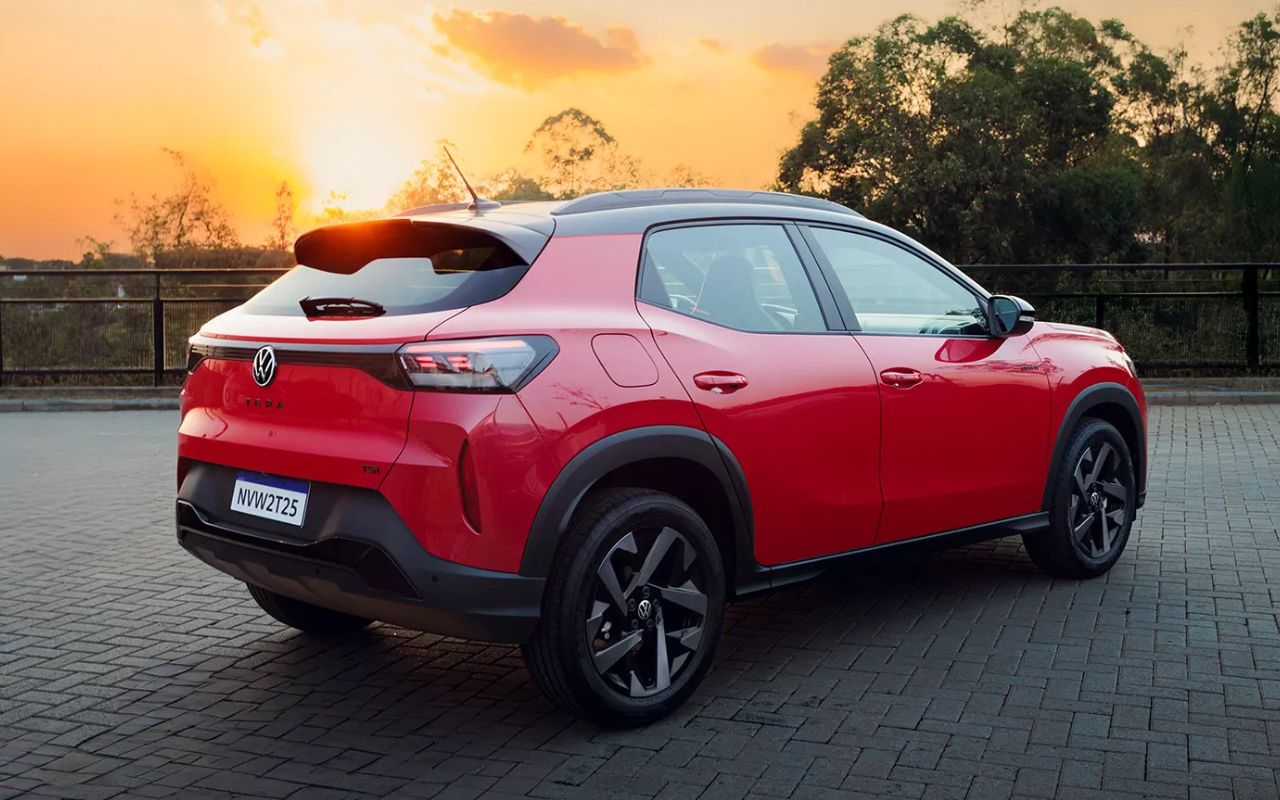
It surpassed the T-Cross, Creta, and Tracker: with nearly 8,000 units sold, the Volkswagen Tera was the best-selling SUV in March 2026.
-
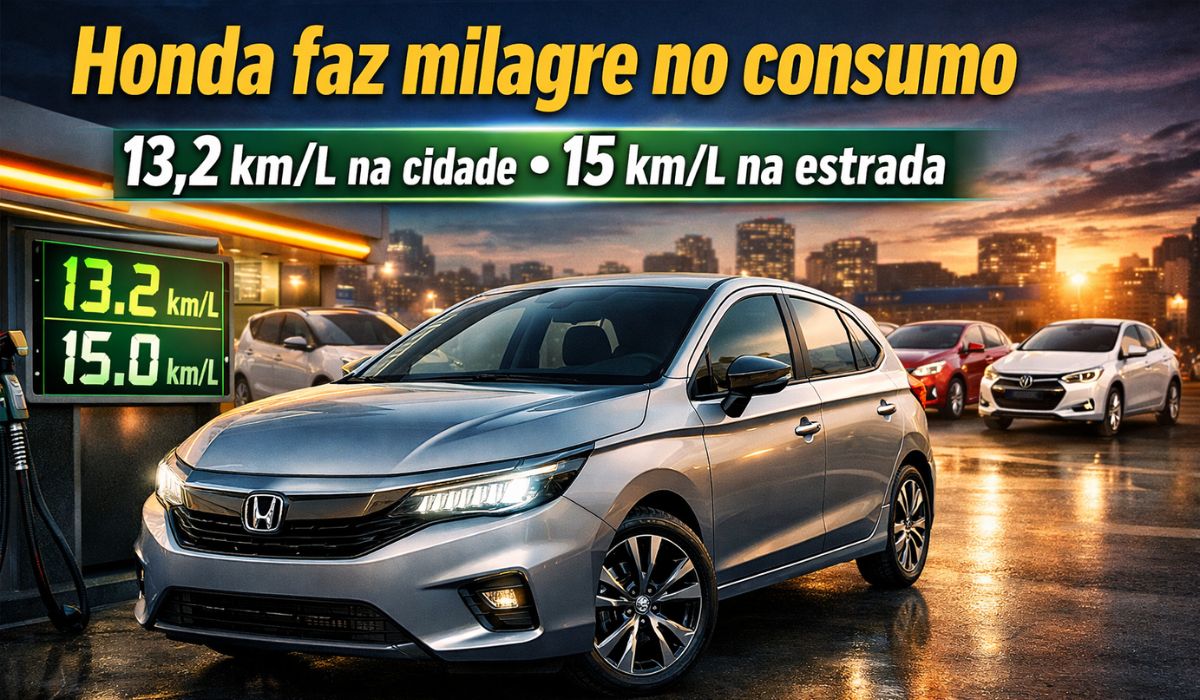
Honda performs miracles in fuel consumption with a hatch that marks 13.2 km/l in the city and 15 km/l on the highway, leaving Polo, HB20, 208, and Onix behind and becoming a reference among compact cars without resorting to turbo or hybrid systems.
-
Six diseases that seem common but can prevent the renewal of the driver’s license for the elderly throughout Brazil and surprise experienced drivers — could any of them affect you without showing clear signs?

-
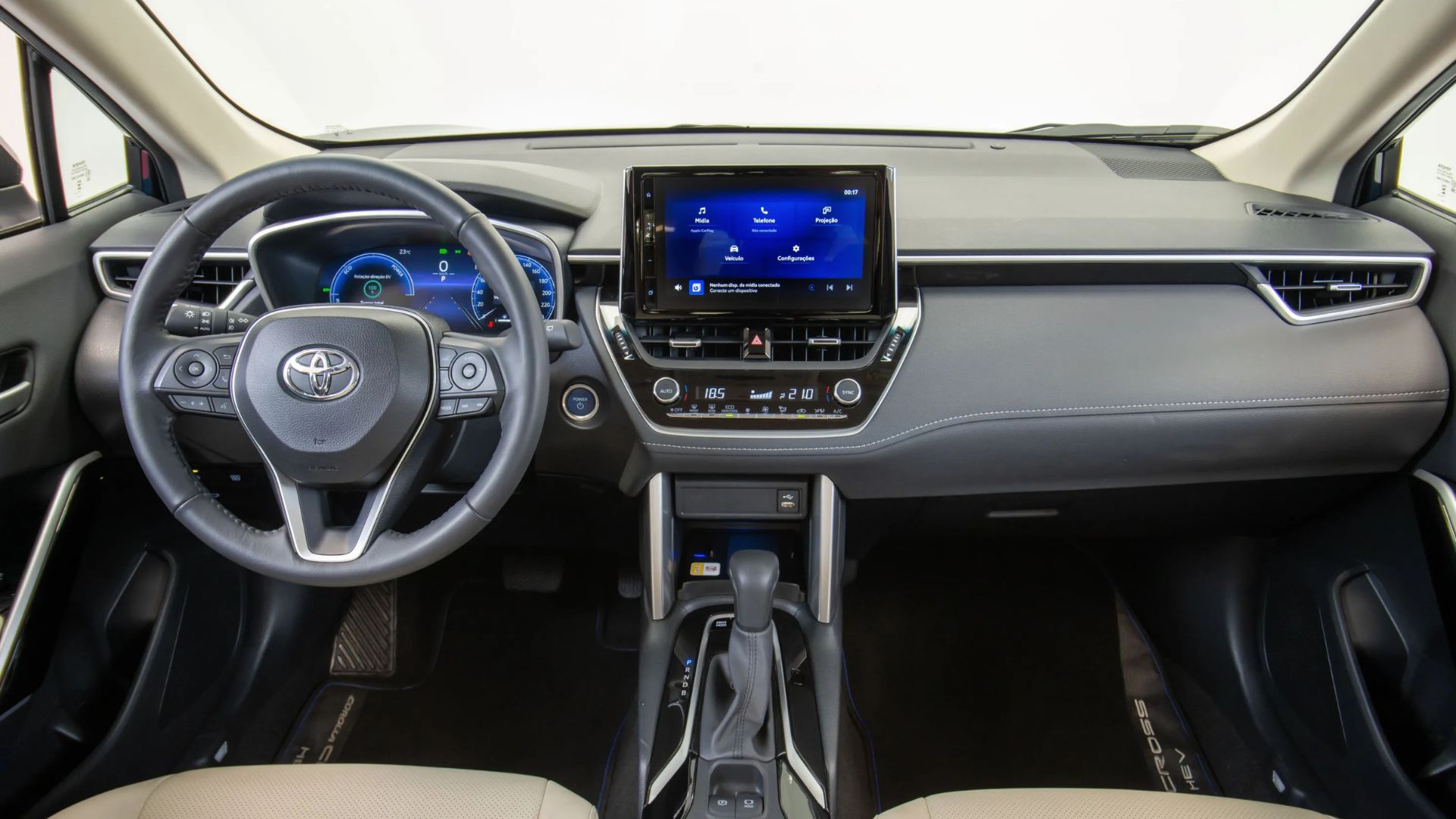
With 122 hp, fuel consumption of up to 17.7 km/l, and a trunk capacity of 440 liters, this hybrid SUV impresses even though it costs up to R$ 47,000 more than the Yaris — meet the Toyota Corolla Cross.

According To Adalberto Maluf, President Of The Brazilian Electric Vehicle Association (ABVE), There Are Several Obstacles To This Type Of Investment. One Of Them Is The High Pressure Of Tax Incentives That Makes Each Purchase Even More Expensive, As Most Items Are Imported.
In The Current Context, Maluf Comments On The Evolution Of Electric Cars In Relation To Public Adoption. In His Speech, He States: “Most Of The Charging Is Done By People At Night, But There Has Been An Increase In Light Commercial Vehicles That Sometimes Need A Quick Charge On The Street,” Indicating That Cars Are Also Used For Everyday Tasks, As Proven By The Increase In Sales In 2022.
When Considering A Possible Solution To Obtain More Investment In Infrastructure, The ABVE President Emphasizes That “The Data Could Be Even More Encouraging If We Had Integrated Actions With Universities And A National Plan,” Something That Could Happen In The Near Future, Considering That The Electric Car Sector Is Expanding And Attracting More Attention From Commercial Entities.
Electric Vehicles Need To Be More Practical Than Conventional Ones If They Want To Become More Suitable For The Public
When Discussing The Topic, Paulo Antunes, Head Of Mobility At The Technology Company Siemens, Emphasizes A Primordial Fact: The Charging Time Of An Electric Car Is Nearly One Hour, While A Conventional Vehicle Is Refueled In A Few Minutes.
In Practical Terms, The Model That The Public Is Used To Still Makes More Sense To Invest In, As There Is Greater Value Placed On The Speed Of Processes.
According To Antunes, The Focus Of Specialists In The Field Should Be On An Ultra-Fast Charging Model That Exceeds 150kW Power. This Way, Electric Vehicles Would Be Recharged More Quickly, Reducing Wait Times And Bringing Them Closer To Conventional Cars.
Another Possible Solution Is To Develop More Durable Batteries. Due To The Lack Of Charging Stations, Increasing The Longevity Of The Car Could Significantly Boost Electric Vehicle Sales And Make Them More Constant In The Public’s Life.








Seja o primeiro a reagir!