





 Portuguese
  English
  Spanish
  5 min of reading


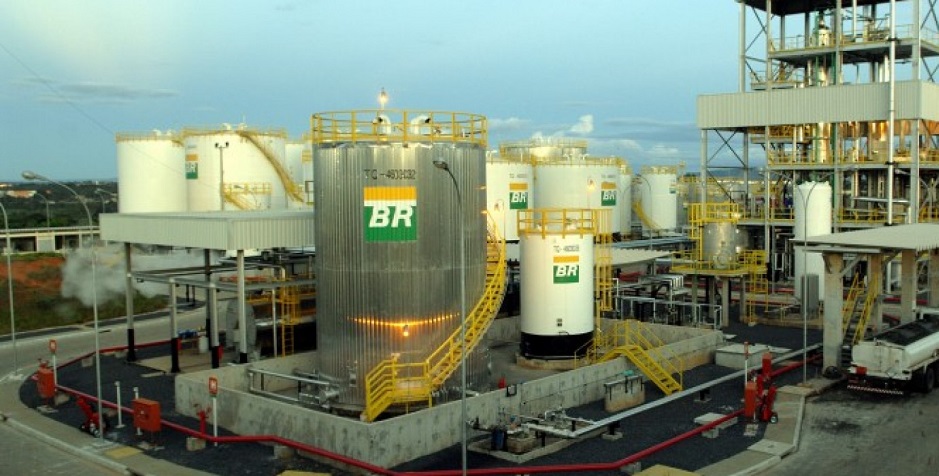
For Every Business Segment That Petrobras Withdraws From, A New Opportunity Will Open Up For Private Investors
The Brazilian state oil company, Petrobras, reported its annual earnings last week and the results were impressive. To begin with, the company was making money. After four years of massive losses, write-downs, and financial losses related to the Lava Jato corruption scandal, Petrobras posted a profit of US $6.9 billion in 2018.
This compares to 2017, when it was US $123 million in the red, as well as to 2015, when Petrobras was forced to delay the release of its audited financial statements for months, tallying the long list of write-downs related to Lava Jato. Subsequently, it recorded a loss of US $8.1 billion that year, the largest ever.
Free cash flow and adjusted EBITDA were at record highs. Importantly, Petrobras trimmed a huge burden of its debt. Net debt, which until recently was the highest among all oil companies, decreased by 18% from 2017 to US $69.4 billion, and fell 30% from its low point in 2015, when its debt was US $100 billion.
-
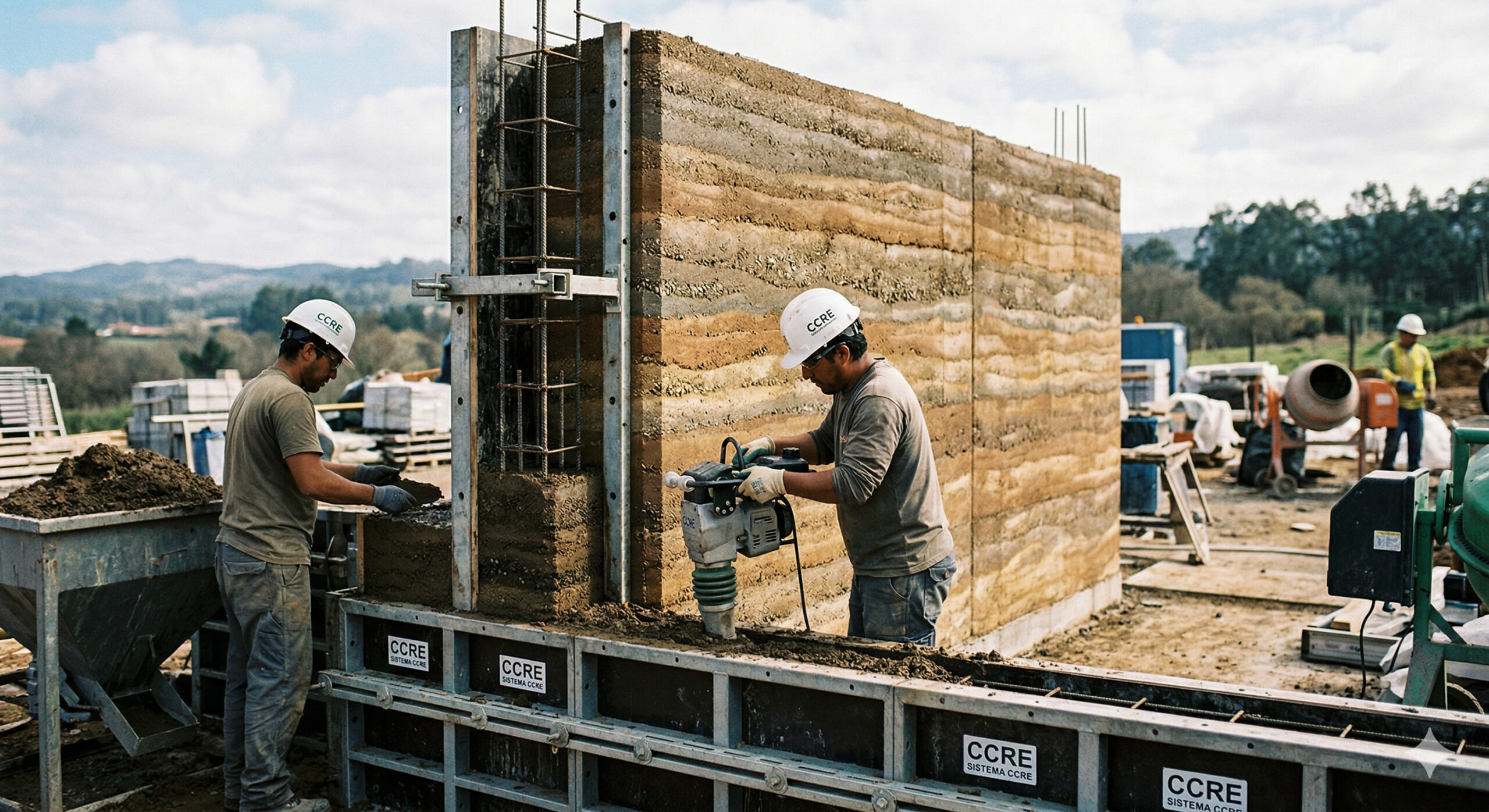
Without cement, without steel, and using only earth and recycled cardboard, engineers have created a construction system that drastically reduces carbon emissions and could change the way houses are built around the world.
-
Alert in the electric sector: excess solar energy triggers overload in the Brazilian electrical system, forces the operator to shut down power plants, and exposes an unexpected risk that could affect stability and energy costs.

-
Russia spent $5 billion and 28 years modernizing a nuclear warship that had been inactive since 1997. The Admiral Nakhimov returned to the sea in August 2025 as the heaviest surface combat ship in the world, with 176 missile launchers, including hypersonic Zircon missiles.

-
James Webb finds 300 galaxies with mysterious scars, and this discovery may show that the universe was born much more violently than astronomers had imagined.


The company is not without problems. Despite the cuts, its debt is still enormous. Operationally, oil and gas production fell five percent year over year. And although at least the weight of Lava Jato appears to be in the past, with billions of dollars paid, the investigation is active and ongoing. The Brazilian Federal Police, together with U.S. authorities,recently opened a new phase of the investigation that is looking into improper payments by traders buying and selling Petrobras commodities.
But Petrobras’ financial recovery results are undoubtedly encouraging. They reflect a focus on its core deepwater oil and gas business. Committing to this approach opens up attractive opportunities for foreign investors to fill in where Petrobras is looking to retreat. It is a promising start for a Brazil that is promoting more open trade and fostering better investment conditions under a new president.
Pre-Salt On The Horizons In Deep Waters
The future of Petrobras is inextricably linked to Brazil’s pre-salt, the enormous offshore oil reservoirs trapped beneath layers of salt below the ocean floor. The size of the resources is so great and its operating costs so competitive that it is in Petrobras’ interest to focus on their development. Oil and gas production in the pre-salt already accounts for nearly three-quarters of Petrobras’ total production. The company’s average production costs, according to the new CEO, Roberto Castello Branco, are just US $10 per barrel. By rough comparison, the production costs of U.S. shale projects — considered among the world’s most attractive oil plays, alongside Brazil’s pre-salt — average equal to or above US $30 per barrel.
Any assets not directly linked to the exploration and production of pre-salt oil and gas are, theoretically, for sale, as the company’s management has repeatedly suggested. Onshore and shallow water oil blocks, pipelines, gas transmission infrastructure, and refineries, among other assets, have been offered to the market and generated billions of dollars in resources. The sales and divestments serve a dual role of allowing Petrobras to focus on its core commitment to the pre-salt while paying down its debts. In fact, despite the lower total oil production in 2018, Petrobras’ profitable year was aided by reduced interest payments on its debt, although higher oil prices and the depreciation of the real against the dollar also played a major role.
Asset sales will gain new life under Castello Branco, who indicated that Petrobras will move forward with a bold divestment plan. Among the assets valued for divestment is the natural gas pipeline business, which operates infrastructure throughout Brazil’s densely populated southeast. In an annual conference call with investors, Castello Branco made it clear that he wants Petrobras to significantly reduce its share of national refining capacity from the current 98% to below 50%. The idea behind the divestment is that competitively produced pre-salt oil by Petrobras can be sold to private refineries at competitive prices.
Petrobras Paves The Way For Private Investment
These should be encouraging signs for the private industry that Brazil is maintaining its openness to energy investments. For every business segment where Petrobras retracts, a new opportunity will open up for private investors. This adoption of a competitive, market-oriented energy landscape may, at least, ease concerns and provide some early indications of the direction of industrial policy in the early days of Jair Bolsonaro’s administration.
Opening Up Brazil’s Energy Sector
The opening up of Brazil’s energy sector was a topic of debate in last year’s elections. Bolsonaro had been mercurial on market openings in the past and, as a member of Congress, repeatedly voted to maintain Petrobras’ monopoly on oil and gas production. He also never truly focused on the economy as his central issue, instead running on a law and order platform. The apparent indifference to the economy and his delegation of all economic matters to Paulo Guedes as finance czar raised the question of which school would influence the Brazilian energy sector: Guedes’ pro-market orthodoxy or the nationalist trend of military factions that see state control of strategic assets like energy and infrastructure as being in the national interest.
In the early days of Bolsonaro’s presidency, the status quo of the previous administration’s open energy markets vis-à-vis Petrobras’ divestments is gaining traction. It is a policy of strengthening Petrobras, keeping it lean and focused on its core strength — exploring and producing pre-salt — while offering partnerships and foreign investment opportunities to achieve this.
Bidding In Brasília
For Latin American observers, it is the opposite approach to that adopted by the new president of another major energy producer. Mexico’s President Andrés Manuel López Obrador is pushing for a policy of strengthening the state-owned Pemex, consolidating its monopoly and closing Mexico to investment opportunities for international energy companies. Pemex — which recorded a loss of US $7.6 billion in 2018 — saw its credit rating recently downgraded to one notch above junk status due to its heavy tax and operational burden.
The oil and gas resources in Mexico and Brazil are abundant enough for both state oil companies and foreign investors. The Brazilian government, for instance, is preparing to hold a mega auction at the end of 2019 for excess volumes of pre-salt oil for which Petrobras has exclusive development rights, but which is more than the company can currently handle. If and when approved, it is expected to be one of the largest public auctions for international investors, with pumping rights of up to 15 billion recoverable barrels of oil in the auction, as well as the potential to generate up to US $100 billion in signing bonuses for the Brazilian federal government.










Seja o primeiro a reagir!