





 Portuguese
  English
  Spanish
  5 min of reading
  0 comments



The Transnordestina Made Its First Test Trip in the Northeast with a Train of 20 Cars, Departing from Piauí and Arriving in Ceará.
The scene is one of those that change the mood of an entire project: after years of construction, heavy work, and waiting for approvals, a train with 20 cars finally “hit the tracks” and made the first test trip of the Transnordestina in the Northeast, carrying corn from Piauí to Ceará.
It’s not a commercial operation yet, but it’s the kind of step that puts the railway in real mode: running, measuring, correcting, and preparing the way for routine.
With over 4,000 workers involved, the project is, according to Minister Renan Filho, considered the largest linear infrastructure underway in Brazil. Currently, it has already accumulated R$ 7 billion in investments.
-
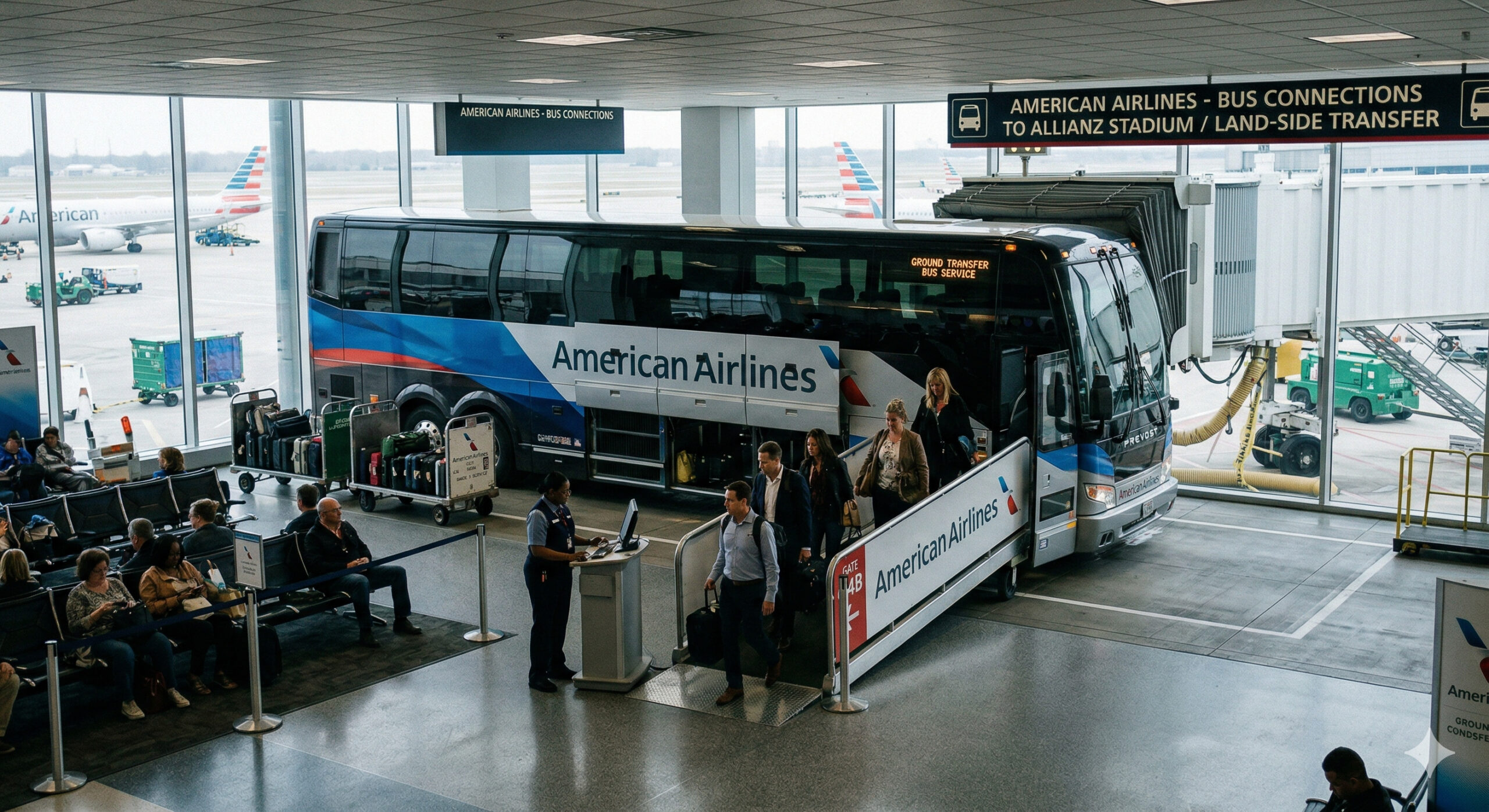
American Airlines starts selling trips as if they were flights, with check-in and baggage check at the airport, but on short routes, passengers board luxury buses connecting cities to major hubs in the U.S.
-
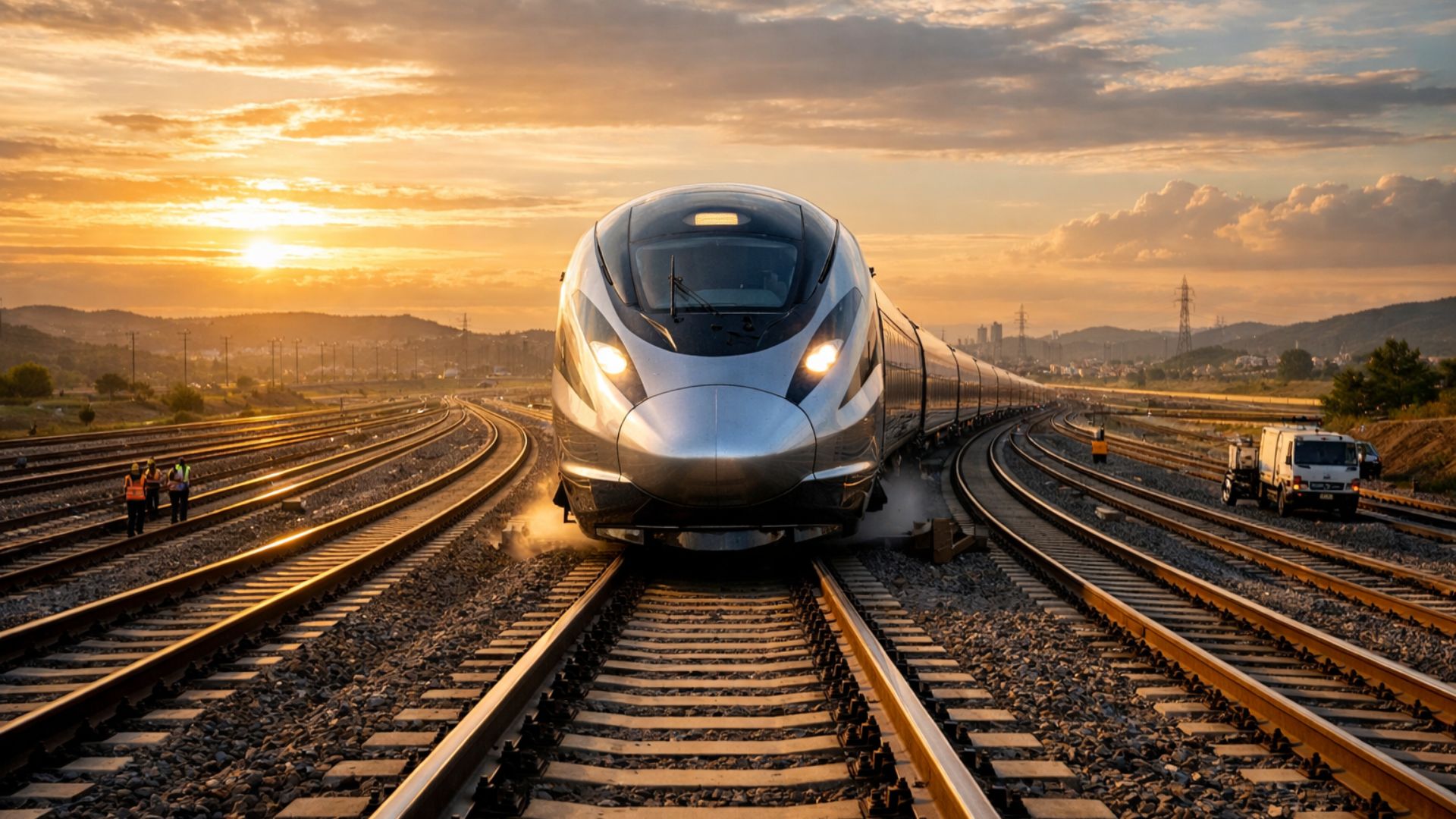
São Paulo surprises the world with a colossal railway network project that promises over 1,000 km of tracks, R$ 194 billion in investments, and 40 projects connecting the capital to the interior with fast and sustainable trains.
-
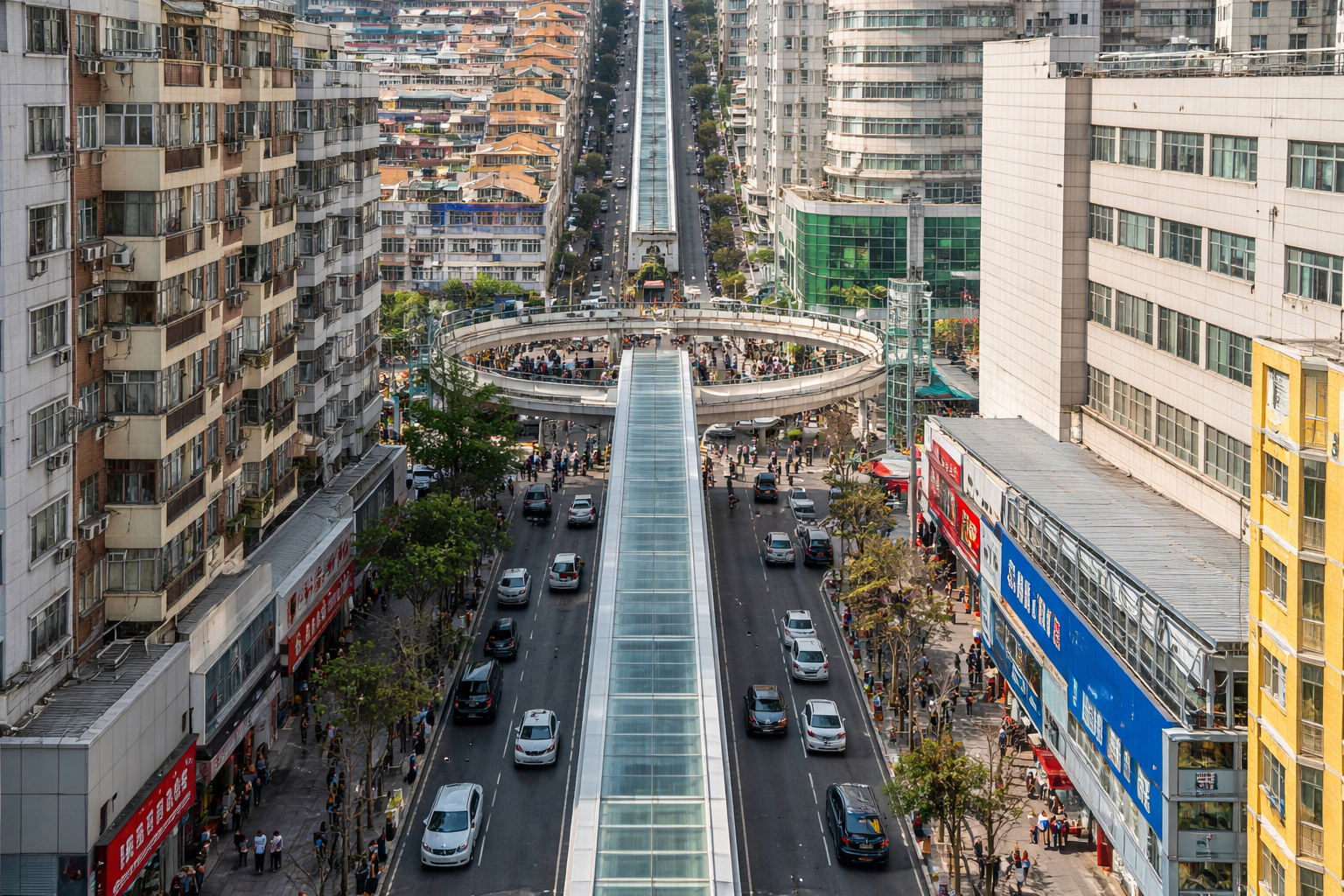
The world’s largest escalator, measuring 905 meters in China, reduces urban travel time from 1 hour to about 20 minutes and transforms mobility in mountainous regions with an engineering solution adapted to the terrain.
-
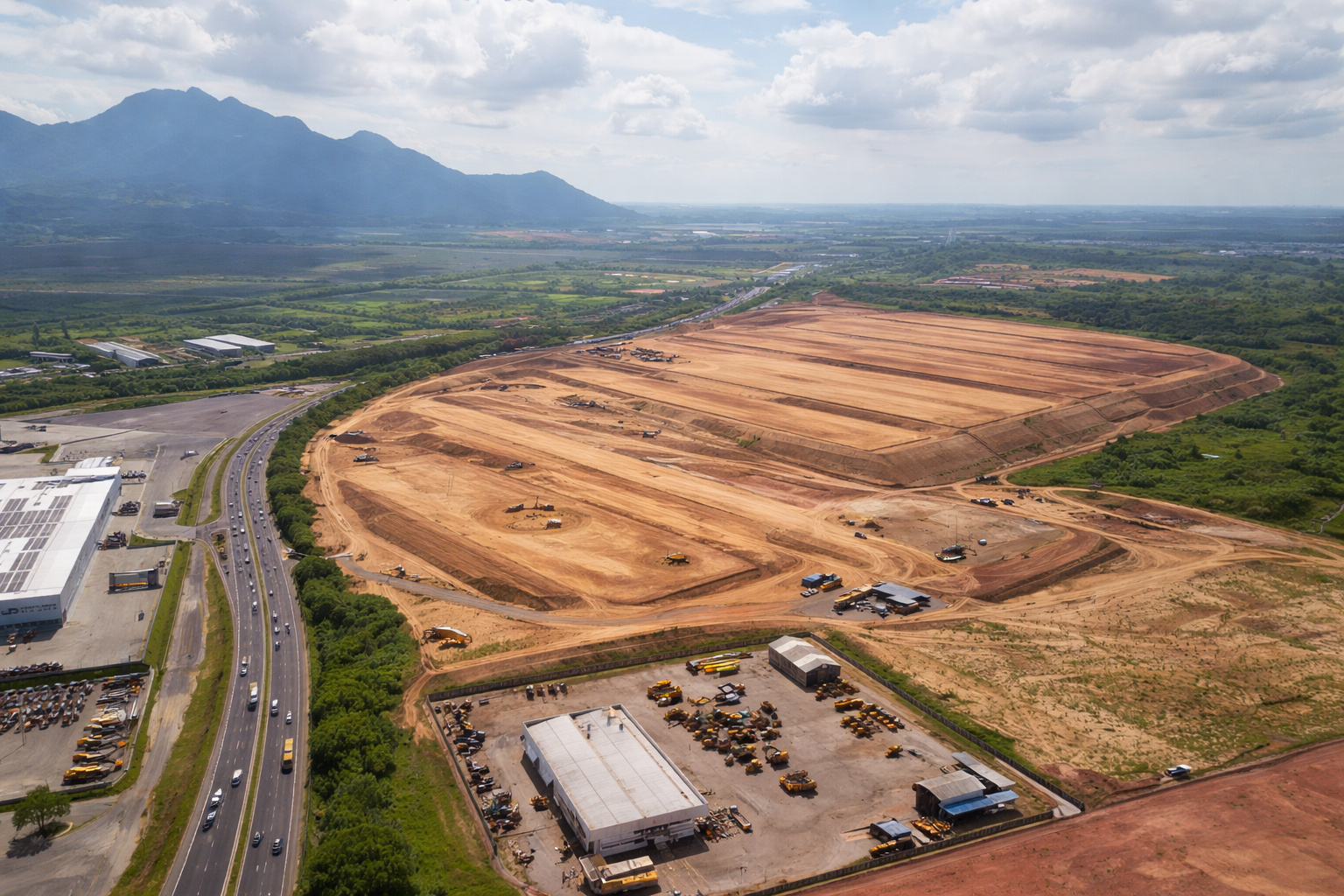
A R$ 300 million logistics giant is taking shape in Serra with over 100,000 m² and raises a question: how can this transform e-commerce and distribution in the state?

First Test Trip: from Piauí to Ceará, with Corn and 20 Cars
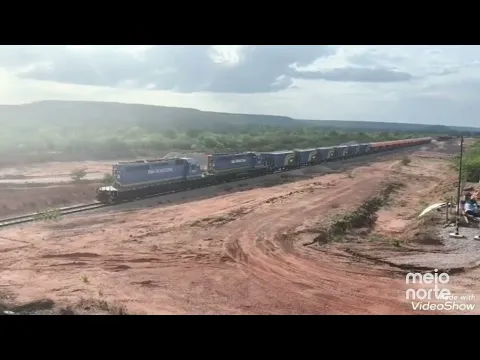

The train departed from Bela Vista do Piauí and traveled to Iguatu, in the interior of Ceará, carrying corn. This experimental route marked the operational debut after months of awaited approvals.
The loading took place near the future Intermodal Cargo Terminal of Piauí, which is still under construction. The expectation was that the train would arrive at its destination in the early hours of the following morning.
In Ceará, the unloading was planned for an area close to where the Logistical Terminal of Iguatu is to be installed. The purpose of the test was straightforward: to implement the operation to assess travel time, safety, and integration of the network.
Why This Test is Crucial for Regular Operations in the Northeast
In practice, this type of trip serves to validate systems and procedures before fully opening the gates. It is the phase where it is confirmed whether the infrastructure, rolling stock, and cargo flow behave as planned — and where the collected data turns into adjustments, checklists, and operational standards.
In an interview with the specialized portal Transporte Moderno, director Alex Augusto Sanches Trevisan explained that “the commissioning” has precisely this objective of testing the infrastructure, rolling stock, and cargo flows to prepare the railway for full operation.
Licenses Unlock the Start of Operational Tests
This trip was on the radar for October, but it ended up postponed. The reason was straightforward: the lack of an environmental license prevented the train from operating at that time.
The scenario changed after the issuance of a license by Ibama, authorizing the start of the testing phase on the stretch between Paes Landim (PI) and Acopiara (CE), totaling 671.5 km, with environmental conditions and communication and reporting requirements in case of accidents.
With the regulatory approval (including ANTT in the context of the concession and oversight of the sector), the project moved to a practical stage, where the track is no longer just construction but becomes real operation — even if still experimental.
A Giant Railway in the Northeast, with 1,206 km Planned and Schedule at Stake
The Transnordestina is one of the largest projects in the Northeast: there are 1,206 kilometers planned for the main route.
According to the project update released by the corporate structure linked to TLSA/CSN, the railway passes through dozens of municipalities and aims to connect producing areas to the Port of Pecém, in Ceará, enhancing cargo logistics.
In the original content, Phase 1 is presented with about 78% physical execution, with more than 4,000 workers on-site, as well as sections with tracks already laid and others still under heavy infrastructure work. The completion of Phase 1 is scheduled for 2027, with a connection to the Port of Pecém. Meanwhile, the second stage in Piauí is expected to resume in 2026.
At the same time, there are recent public signals indicating a dispute over dates and pressure for acceleration. In an institutional announcement from New PAC, Minister Rui Costa stated that financing is assured and declared: “The project is completely contracted… and we will accelerate to conclude it in 2026,” pointing to a more aggressive timeline for delivery. This type of announcement does not eliminate the 2027 deadline cited in the foundational material but shows how the project navigates between political targets, construction execution, and technical milestones.
Troubled History, but with Signs of Practical Resumption
This railway began almost two decades ago and it has not been a straight line: there have been stoppages, investigations, and suspicions of irregularities that even interrupted the project in 2016. Despite this history, the return of testing on the tracks indicates that construction is entering a more concrete phase, where actual performance begins to be measured by time, safety, and cargo flow.
And there’s one more important detail: the sector itself has been emphasizing that, besides grains such as corn, the Transnordestina should be able to handle different cargo profiles and gain logistical competitiveness with the evolution of terminals and commissioning.
What Changes for Logistics in the Northeast
When a railway of this magnitude enters regular operation, the central promise is to reduce logistics costs and provide more predictability for cargo transport, especially in long corridors. In the case of the Transnordestina, the expectation is that it will function as a regional integration axis, connecting production from the interior to terminals and the port, with a direct impact on the competitiveness of the Northeast.
Now, with the train actually running in the test, the project gains a public and technical thermometer: the performance of the route, the behavior of the rolling stock, the safety procedures, and the integration of the network cease to be hypotheses and become data.
What do you think: has the Transnordestina finally gotten on the right track or is there still a long way to go before the railway becomes a cargo routine in the Northeast? Leave a comment with your opinion and, if you’re interested in the topic, share the publication with someone who follows construction and infrastructure in Brazil.










-

-

-

7 pessoas reagiram a isso.