





 Portuguese
  English
  Spanish
  3 min of reading
  0 comments



The Reopening of the Antimony Mine in Idaho Promises to Supply 35% of US Demand, Generate 550 Jobs, and Challenge China’s Control Over Essential Minerals for Advanced Technologies, Like Batteries, Semiconductors, and Renewable Energies.
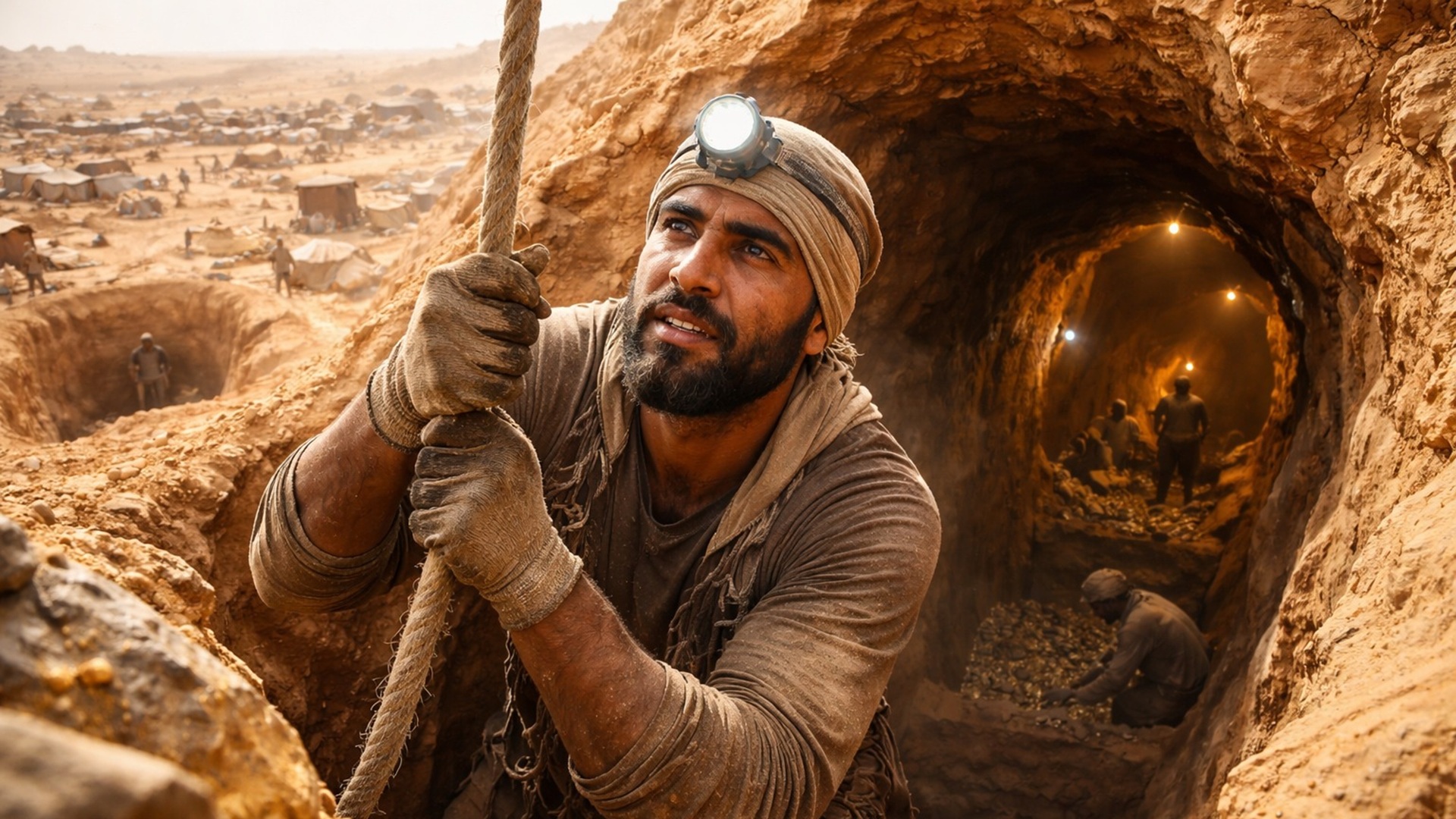
The United States is reopening an antimony mine in Idaho that has been closed for over 30 years. This strategic move is not just about the economy or natural resources; it is a direct response to China’s overwhelming control over critical minerals and their importance in the global technological and military landscape. But what makes antimony so special, and why is this decision so significant?
What Is Antimony and Why Is It So Important?
Antimony is a rare metal with properties that make it essential in various industries. It is used in the manufacturing of semiconductors, batteries, and even ammunition. But its true value goes beyond that: it is critical for advanced technologies such as renewable energies and high-performance electronics.
China currently dominates the global antimony market, producing about 48% of the worldwide supply. This gives the country immense power in strategic sectors. With the recent cut in critical mineral exports by China, the US has recognized the urgency of securing its own source.
-
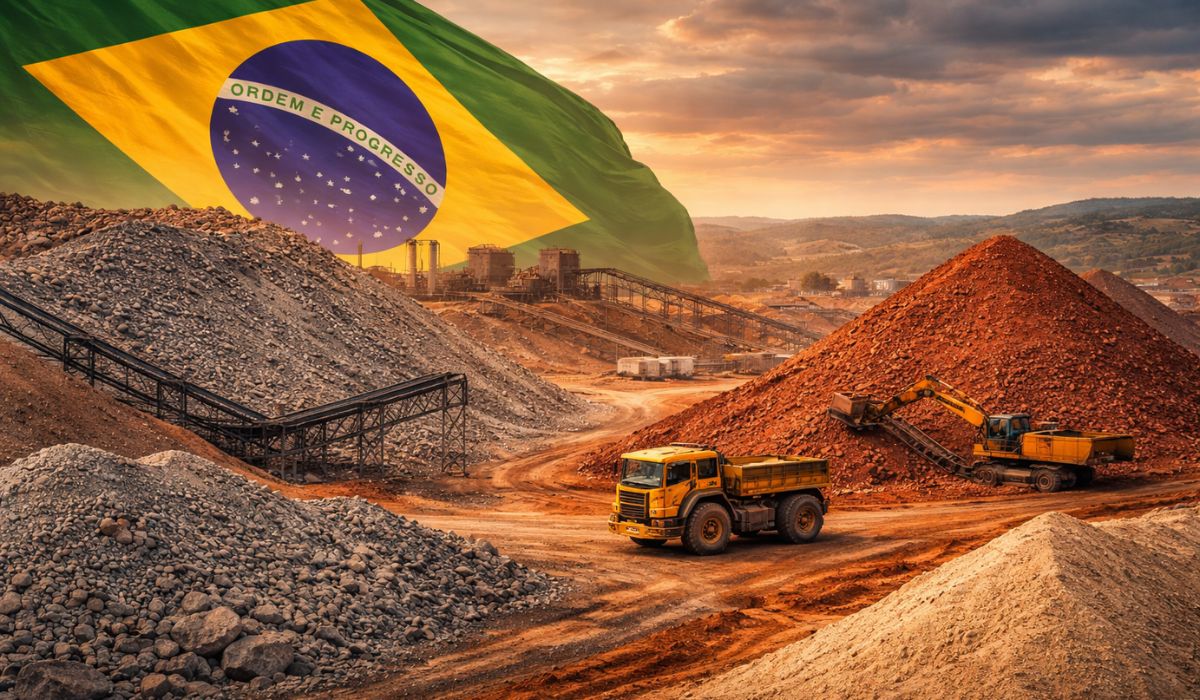
Brazil extracts 26.3 million tons of ore from what was previously treated as waste, transforming residues into wealth, producing over 3 million tons of sand, and demonstrating how national mining is relearning to generate value.
-
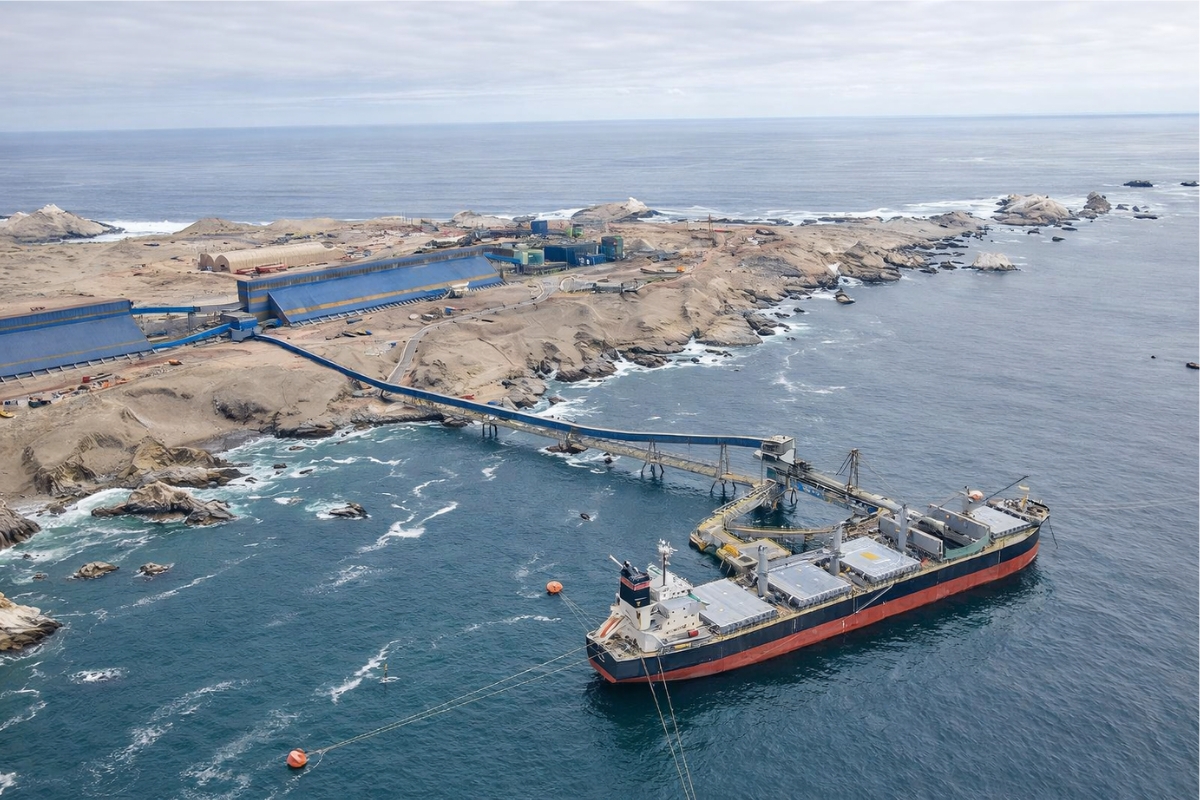
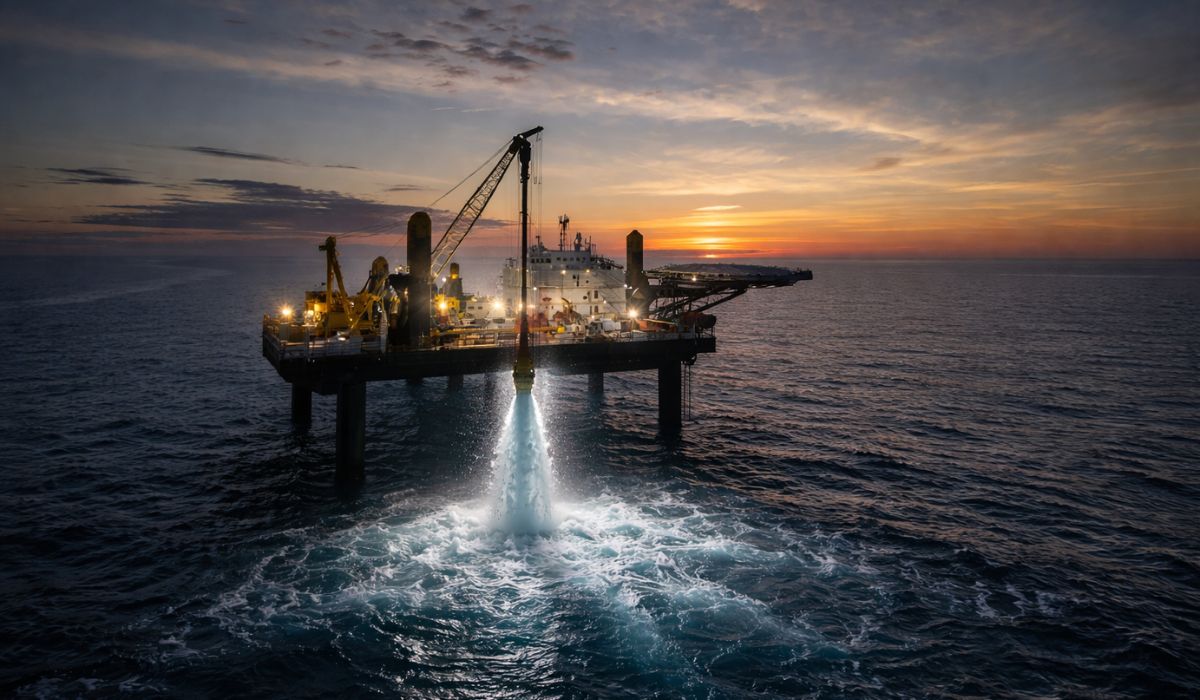
A $3.5 billion megaproject in Latin America pumps desalinated seawater at 1,050 liters per second over 194 km to keep a copper supermine in the Andes operational for another 20 years.
-
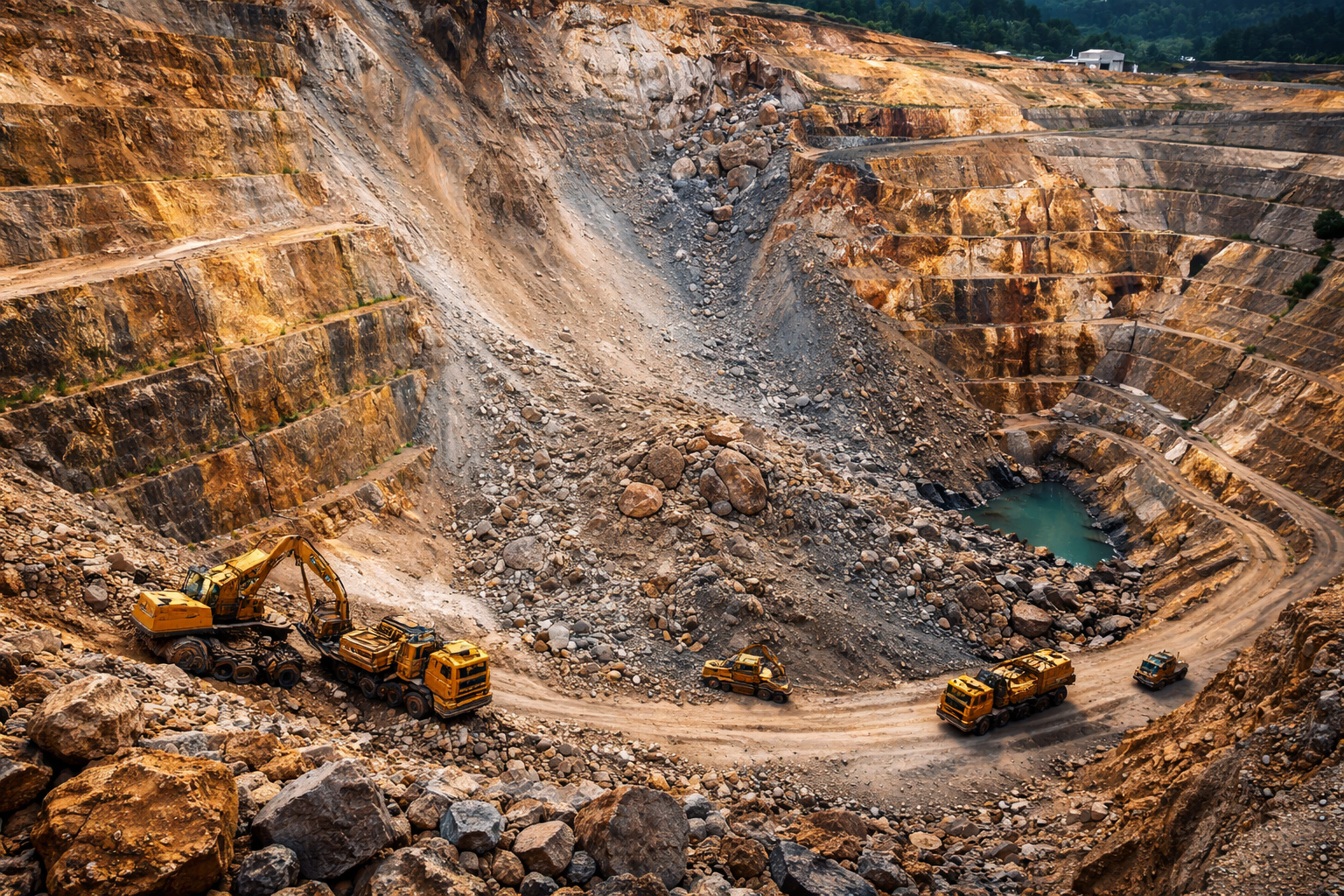
A hidden mine in the Andes valued at nearly R$ 1 trillion is starting to attract global attention, containing copper, gold, and silver, and raises an intriguing question: why do Argentina and Chile need to act together to exploit this gigantic wealth?
-
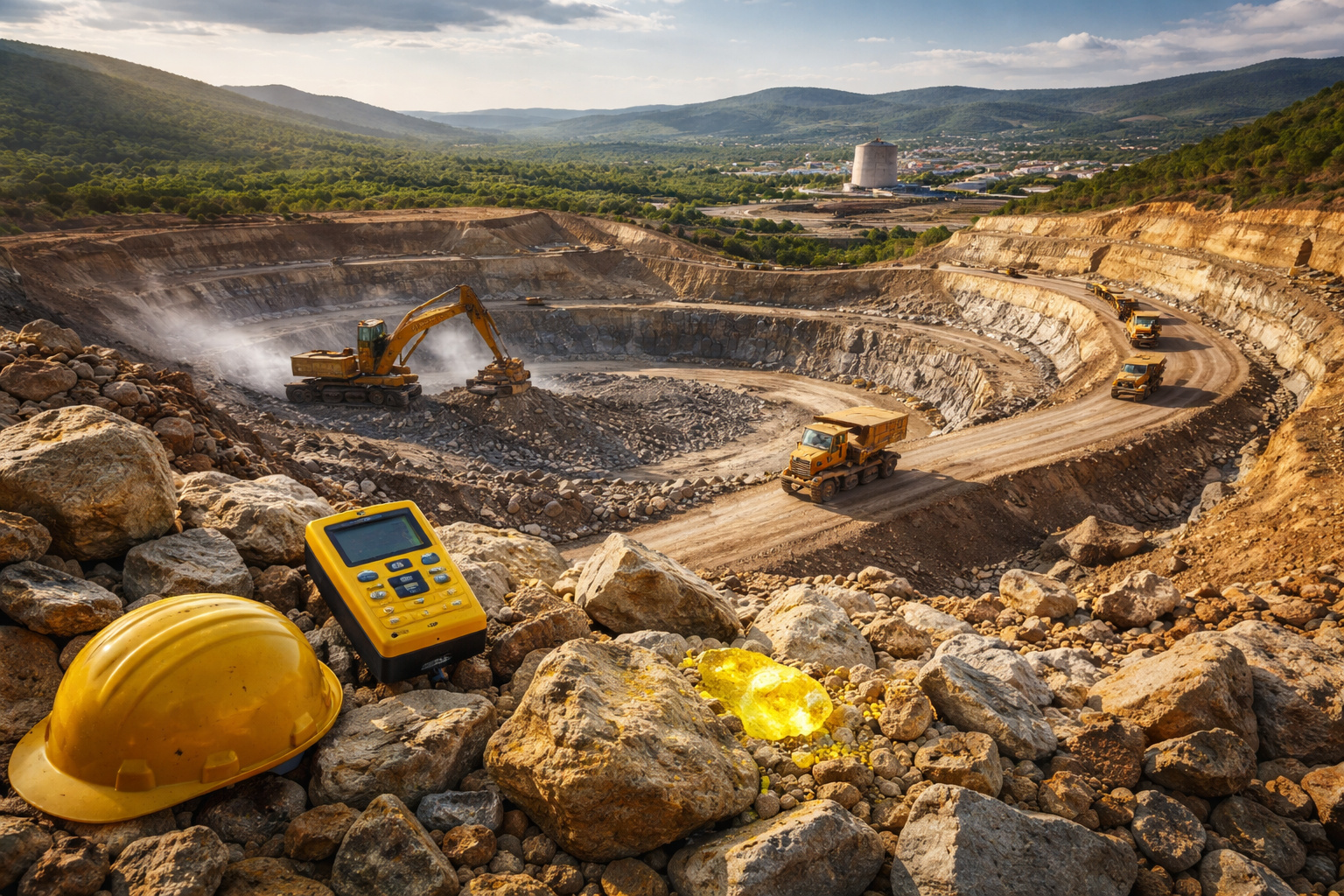
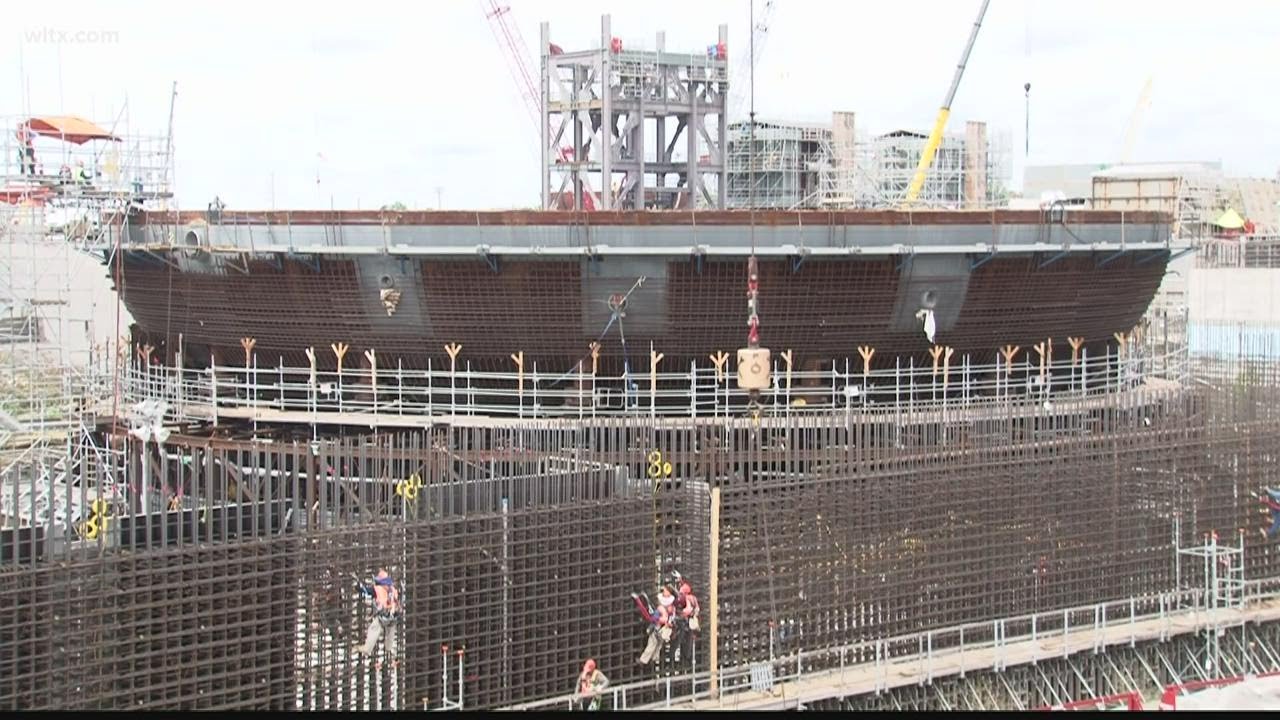
A silent discovery in the interior of Bahia could change the future of energy in Brazil: a uranium reserve in Lagoa Real has an estimated capacity to produce 400 tons per year and is already attracting the attention of energy sector specialists.

The Antimony Mine in Idaho: A Strategic Project

The Idaho mine has a long history. During World War II, it was crucial in supplying antimony and gold for the war efforts. Since its closure in 1996, the country opted to import these minerals, ignoring its own natural resources.
Now, the company Perpetua, with the support of billionaire John Paulson, is bringing this mine back to life. The reopening is expected to create over 550 local jobs and an investment of US$ 1 billion. Additionally, the mine is estimated to be able to supply 35% of the annual antimony needs of the US, significantly strengthening the local and national economy.
The Showdown Between the US and China for Control of Critical Minerals
Minerals have become the new frontier of rivalry between the two largest economic powers in the world. When the US imposed sanctions on Chinese companies in 2024, China responded by restricting the export of crucial elements, including antimony, gallium, and germanium.
This “mineral war” is much more than a trade dispute. It is a struggle for control of key sectors such as semiconductors, electric vehicles, and renewable energies. Reopening the Idaho mine is a way for the US to show that they are willing to reduce their dependence on China and strengthen themselves internally.
Environmental Concerns and Local Challenges
Despite the economic benefits, the reopening of the mine has also brought controversies. Indigenous tribes like the Nez Perce have expressed concerns about potential impacts on the environment, especially on the salmon population in the region.
The US Forest Service released a 154-page report detailing measures to mitigate environmental impacts. Still, environmental groups argue that the risks may outweigh the benefits.






Seja o primeiro a reagir!