





 English
  Francês
  Alemão
  Italiano
  Japonês
  Norueguês
  Portuguese
  Spanish
  4 min of reading


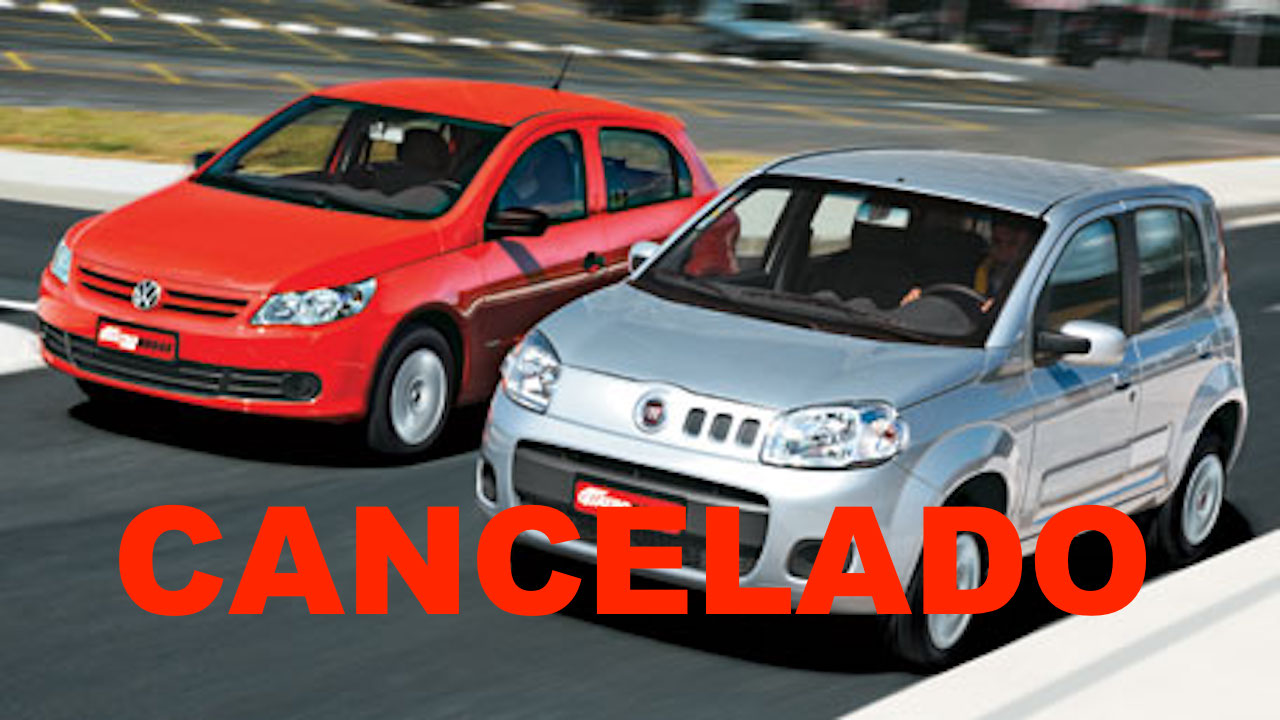
Beyond the Fit, Civic, Siena, Doblò, Voyage, Saveiro, Joy, Sandero, and Logan, two other icons of the Brazilian automotive industry will no longer be produced: the Fiat Uno and the Volkswagen Gol.
The Fiat Uno and the Volkswagen Gol are the last remnants of the so-called era of popular cars, which once accounted for 70% of car sales in Brazil. Technologically outdated, they are no longer as desirable. Another issue is that, even being cheaper, their prices are also no longer attractive. Other cars that are on the way out include the Fit, Civic, Siena, Doblò, Voyage, Saveiro, Joy, Sandero, and Logan.
Read Also
- Iconic Volkswagen Beetle, manufactured in 1955, found after 52 years in a junkyard and costs over R$ 391 thousand
- After Ford, Chevrolet, Honda, and Audi reduce or cease vehicle production in the country, multinational Volkswagen announces R$ 7 billion in investments in Latin America
- After loyalty to the gas station brand is lifted, the ANP authorized yesterday (04/11) the sale of gasoline and ethanol via delivery; the measure could reduce fuel prices and ease consumers’ wallets
- After Ford announces the end of Troller in Brazil, Americans discover that the vehicle manufacturer was preparing Troller with Ranger Raptor engine and Mustang transmission
Uno and Gol are classified as “popular cars”, which are the cheapest from each brand, and their prices are no longer appealing. Technologically outdated, they cannot receive improvements in safety and energy efficiency.
Next year, legislation sets lower pollutant emission standards for all new cars produced in the country. In 2024, all cars must leave the factory with electronic stability control (ESP). The system works on the brakes and prevents the driver from losing directional control in curves or trajectory deviations, ensuring greater safety.
-
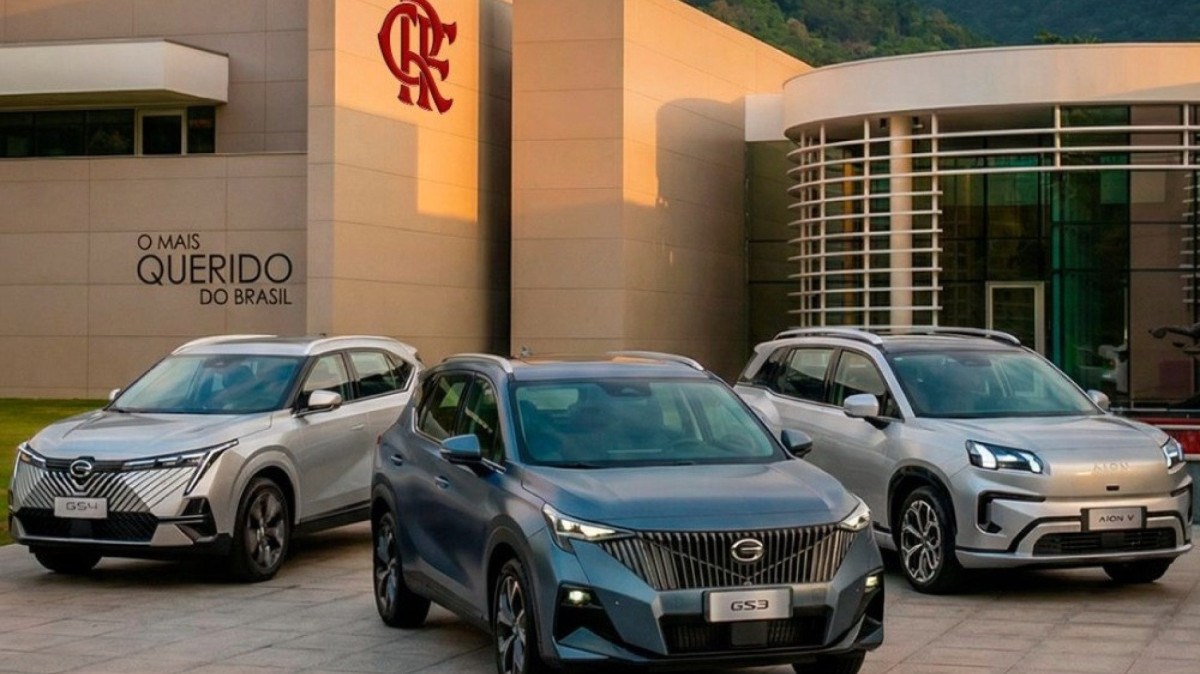
After launching the new GS3 with a 1.5 turbo engine producing 170 hp, GAC partners with Flamengo, enters the field with the largest fan base in Brazil, and accelerates an ambitious offensive to gain scale and confidence in the national market.
-
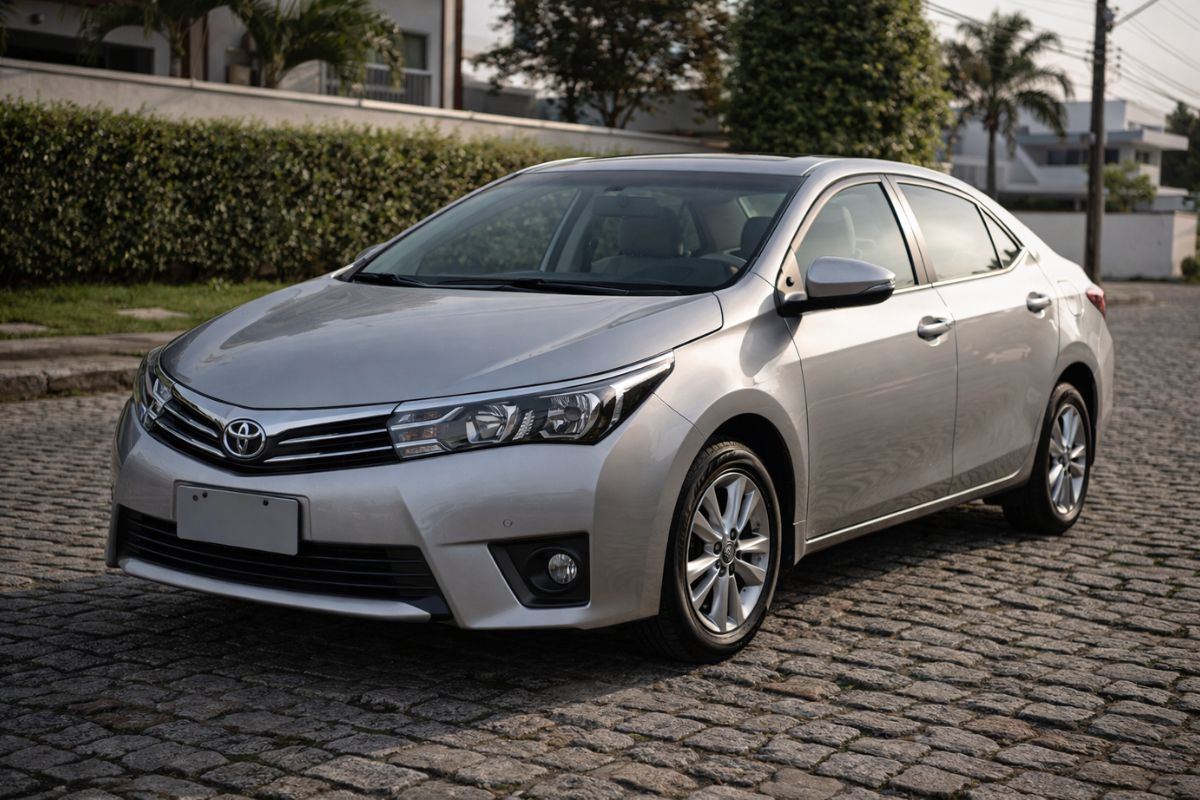
The Corolla from 2015 to 2019 depreciates so little that a 10-year-old model is still worth over 76 thousand reais, and owners treat this sedan as a safe investment thanks to its reputation for durability that no competitor has been able to match.
-
Is it worth considering a financed 2025 HB20 Comfort? A simulation with R$ 50,000 in the bank shows installments ranging from R$ 5,687 to R$ 2,365.

-
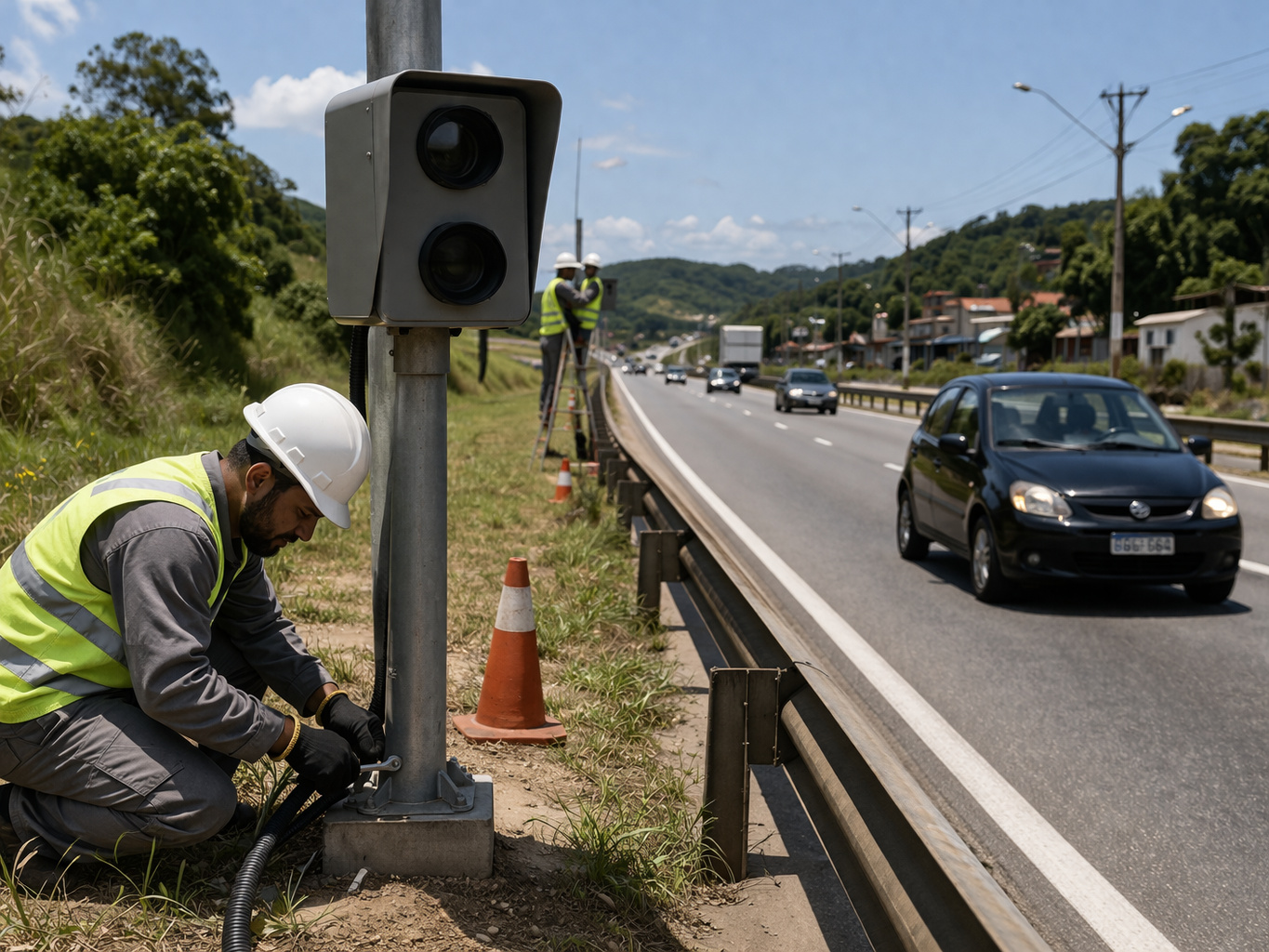
Road surveillance in Rio de Janeiro enters a new phase with the installation of more than 140 speed cameras on highways RJ-106 and RJ-104, and DER-RJ expands speed control in high-traffic areas.

For the same reason, in 2013, Volkswagen retired the Kombi after 56 years. The Gol, now 41 years old, is still the best-selling model of the brand (tied with the T-Cross), but does not hold the same market significance it had during its 27 years as a market leader from 1987 to 2014.
With 51,000 units sold this year – 67% to fleet owners – the retirement of the Gol is expected to occur in 2022. The Uno is set to be discontinued later this year. It sold 19,300 units – 97% to fleet owners. The challenge will be to reshape its image in front of people accustomed to seeking a popular car.
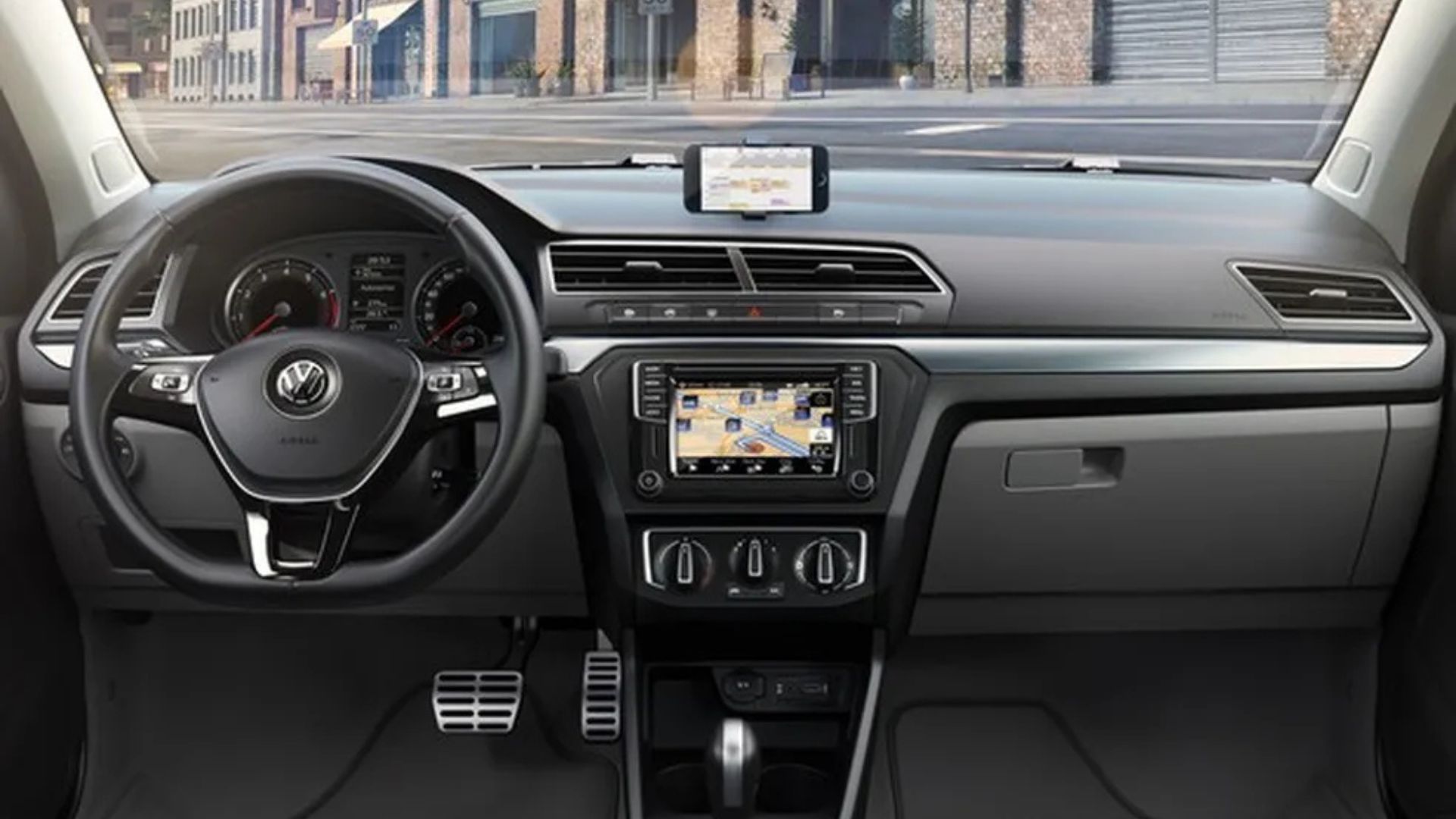
Volkswagen Gol – The Favorite of Brazilians
When the Gol was launched in 1980, there were few brands in Brazil; today there are many, “and the models are very similar, which diminishes the appeal it had at the time,” says Almeida.
Designed and developed in Brazil, the Gol is the most produced model by Volkswagen in the region, with 8.6 million units. It has had different versions, from the first “square” model to the current one, derived from the “little ball” version from 1994. It was the first car with electronic fuel injection in the country and the first with a flex engine.
According to the CEO of Volkswagen Latin America, Pablo Di Si, the new successor to the Gol will be the Polo Track, which will arrive in 2023, a more stripped-down version of the Polo. The cheapest Gol costs R$ 67,800 and the Track will cost over R$ 70,000.
Uno Had 4.3 Million Units Produced and Its New Successor Will Be the Mobi
The Uno is also the best-selling model from Fiat and has had 4.3 million units produced. Its successor is already on the market – the Mobi, which has sold 62,000 units this year.
The Uno “is responsible for the motoring of many Brazilians,” says Cássio Pagliarini from Bright Consulting. For him, these two icons will likely be the last of their kind with such longevity. New vehicles don’t stay in the market for as long.
Without Uno and Gol, only two entry-level car models will remain, the Mobi and the Renault Kwid. What lies ahead are more sophisticated and more expensive vehicles. “It’s no longer possible to imagine such simple cars; today’s models have much more technology,” says Luiz Carlos Moraes from Anfavea (the manufacturers’ association).









Seja o primeiro a reagir!