Portuguese
  Spanish


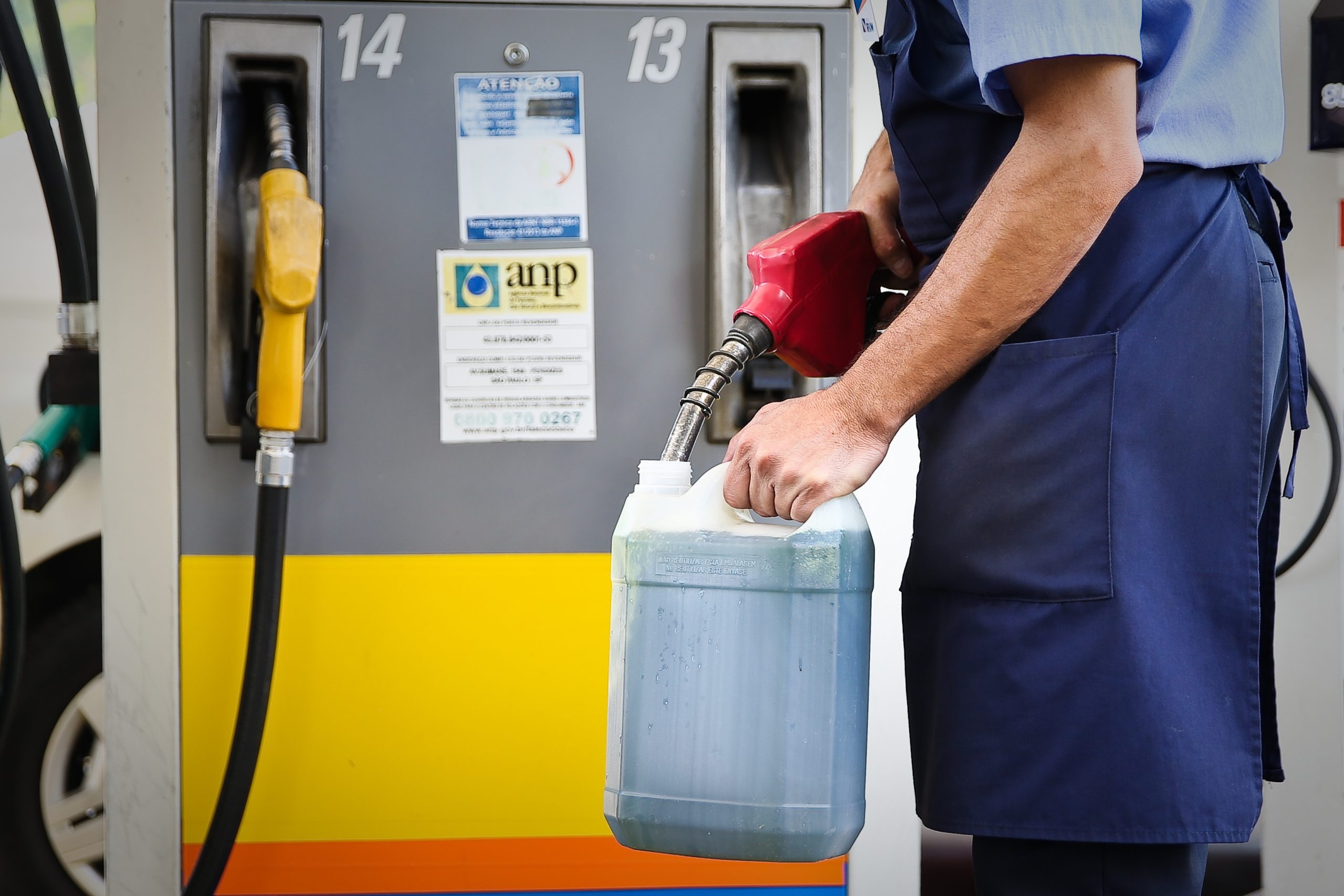

End Of Brand Loyalty At Fuel Stations Selling Gasoline And Ethanol Via Delivery Defended By ANP Promises To End Cartel, Stimulate Competition And Lower The Price Of Gasoline, Which Has Been Suffering Consecutive Increases By Petrobras.
After being approved on August 11 for the direct sale of ethanol and the end of brand loyalty at fuel stations, that is, allowing stations that display the brands of a specific distributor to sell fuels from other suppliers, as long as the consumer is informed, it is now time for the long-promised sale of gasoline and ethanol via delivery to be authorized by the National Agency for Biofuels, ANP. Together, the measures could become the ‘solution’ to contain and curb the rise in gasoline prices, and alleviate the burden on consumers.
Read Also
- Multinational Volkswagen Launches New Kombi, The Classic That Remained In Production Until 1975 Here In Brazil Will Have An Electric Successor!
- Higher Demand And Sugar Exports Drive Ethanol Prices Above R$ 5 At The Pumps; What Was The Salvation For Petrobras’ Gas Price Increases Becomes A Villain For Brazilian Pockets
- Stop Refueling With Ethanol Now, Fuel Is No Longer Advantageous In Brazil, Even With The New Petrobras Gas Price Adjustment
- Distributors Warn Of Risk Of Gasoline And Diesel Shortages Due To Petrobras Production Cuts
As a result, stations will be able to deliver regular gasoline or ethanol to households. The measure, however, comes into effect 180 days after the resolution is published in the Official Gazette.
Fuel Prices Must Be Presented To Consumers By Stations With Only Two Decimal Places
The regulation also stipulates that fuel prices must be presented to consumers by the stations with only two decimal places, instead of three.
-
Brazil’s ANP Opens 86 New Oil Blocks in the Equatorial Margin, Expanding the Amazon River Mouth Frontier

-
OPEC+ Boosts Oil Supply by 188,000 Barrels per Day in July 2026, Leading to Price Drop from $112 to $89 per Barrel in Under Two Months

-
TotalEnergies Signs 20-Year Deal to Purchase 2 Million Tons of LNG from Alaska, Boosting Project Viability
-
Turkey Deploys Çağrı Bey Drilling Ship to Explore New Oil Frontier Off Somalia’s Coast

Furthermore, the new resolution also requires stations to display fuel prices with two decimal places on the panels and the measuring pumps of the stations (and no longer in three places, as is currently the case).
According to ANP, the approved measures have been discussed since the beginning of the truck drivers’ strike in 2018 and aim to ensure supply and increase market efficiency.
Fuel Deliveries Can Only Be Made For Delivery Of Ethanol And Gasoline
Under the regulation, fuel deliveries can only be made for the delivery of ethanol and ‘type C’ gasoline (the regular sold at gas stations). The supply must take place in the same municipality where the reseller is authorized to operate.
To offer the delivery service, a particular gas station must be in compliance with ANP’s Quality Monitoring Program.
The regulation also requires the reseller to inform at each measuring pump, “clearly and visibly, the CNPJ, the corporate name or the trade name of the supplier distributor of the respective automotive fuel.”
In the case of branded stations that sell products from other distributors, it will be necessary to display, in the identification of the fuel, the trade names of the suppliers. The distributor sector has criticized the measure, arguing that the flexibilization of brand loyalty may confuse consumers.